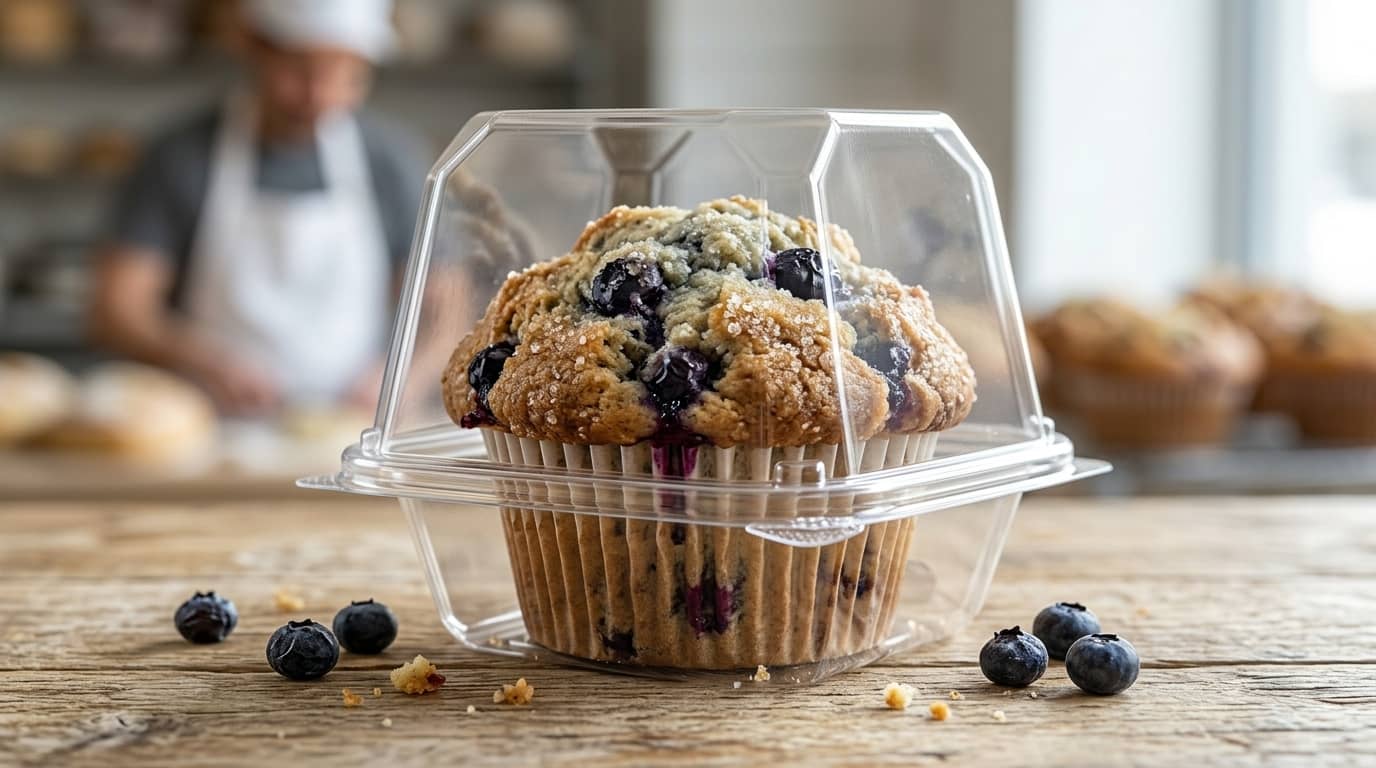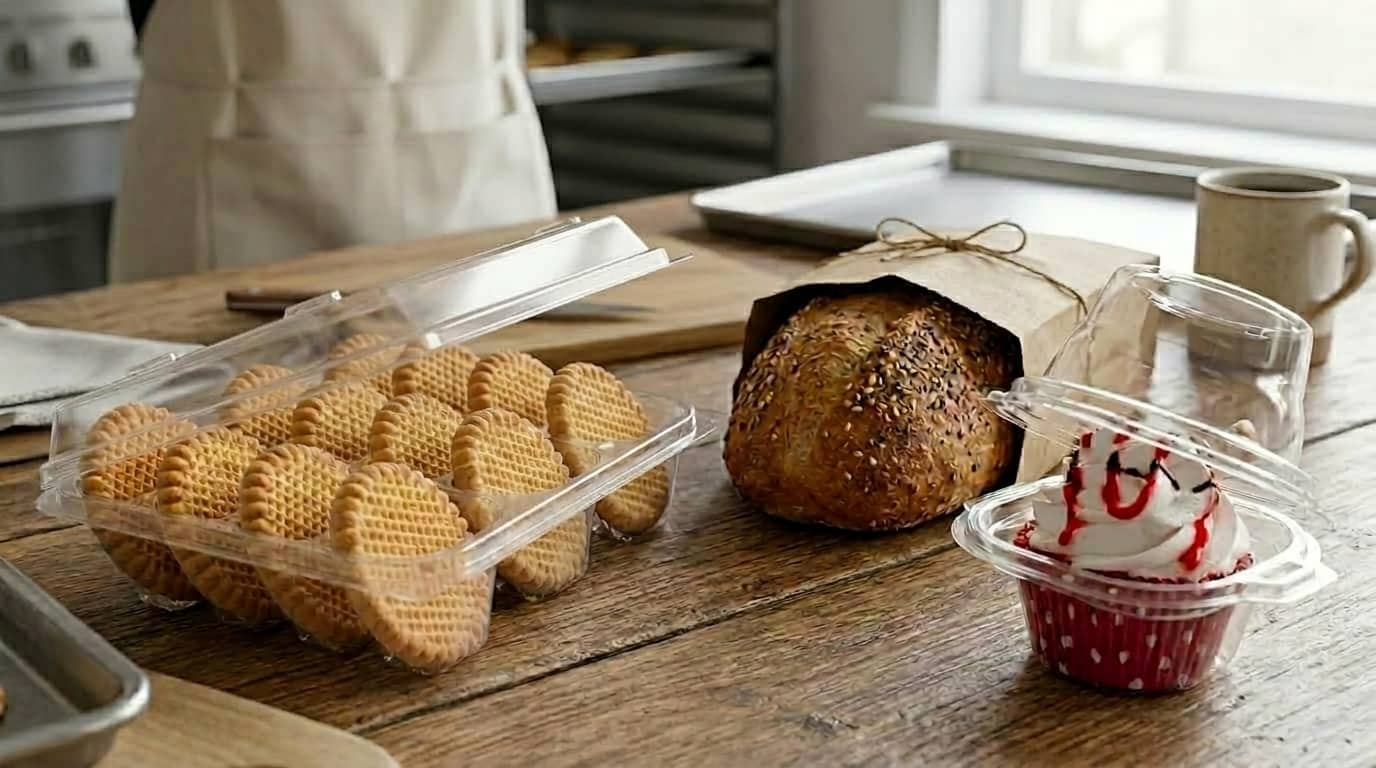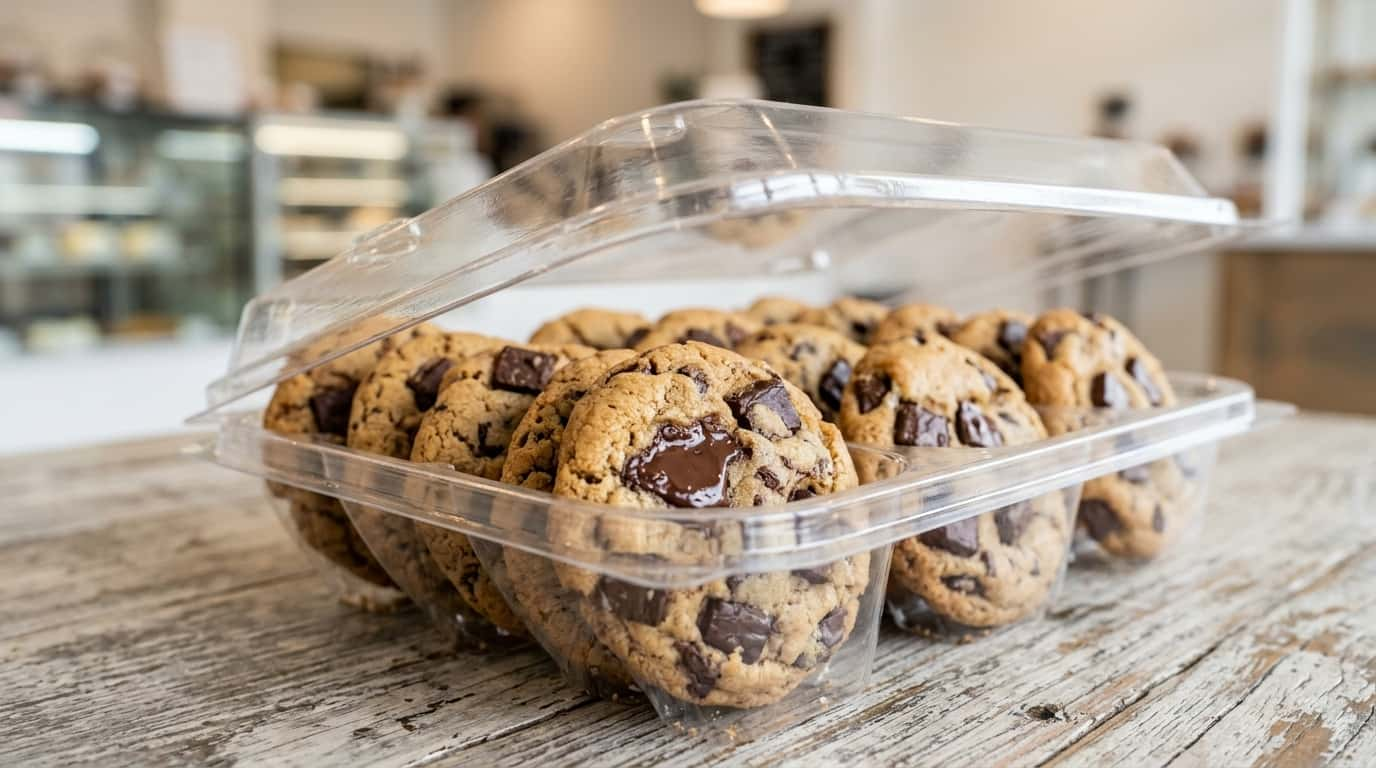
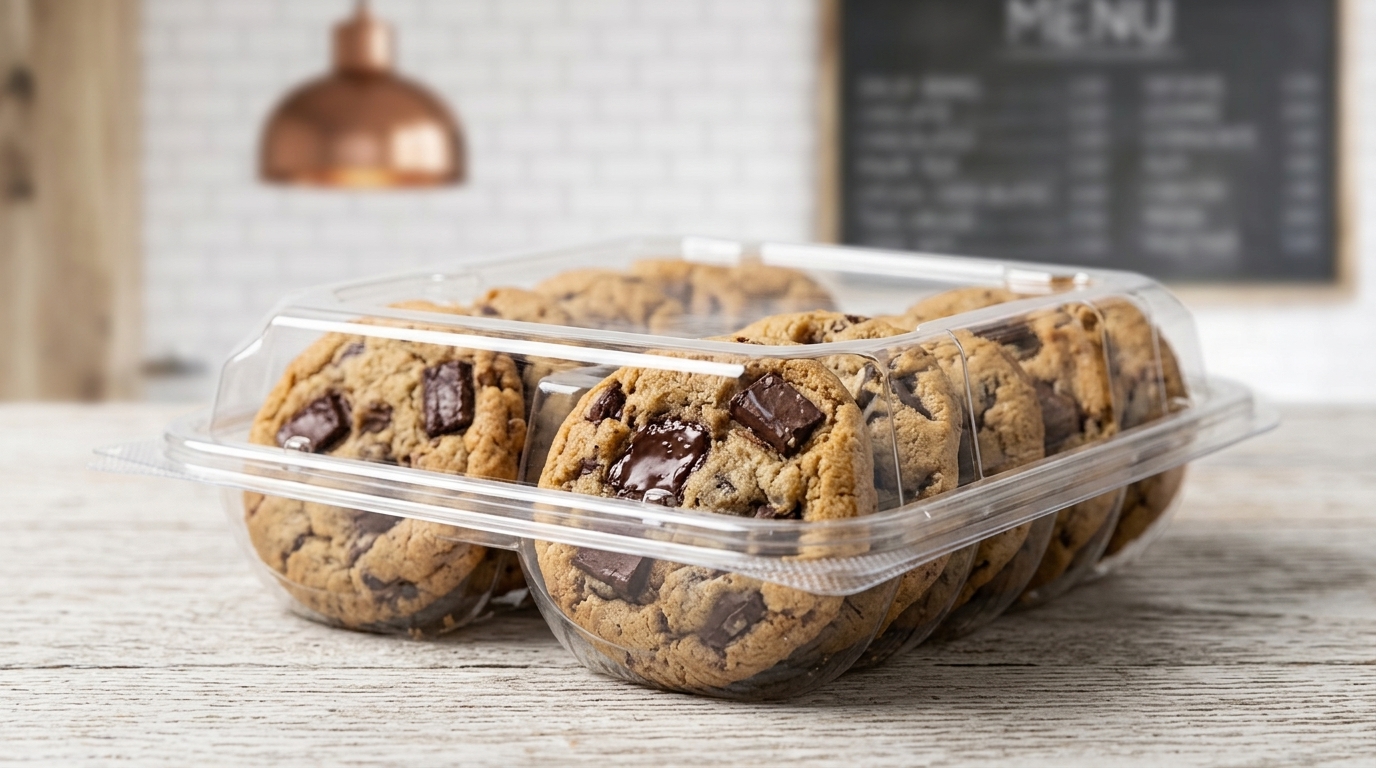
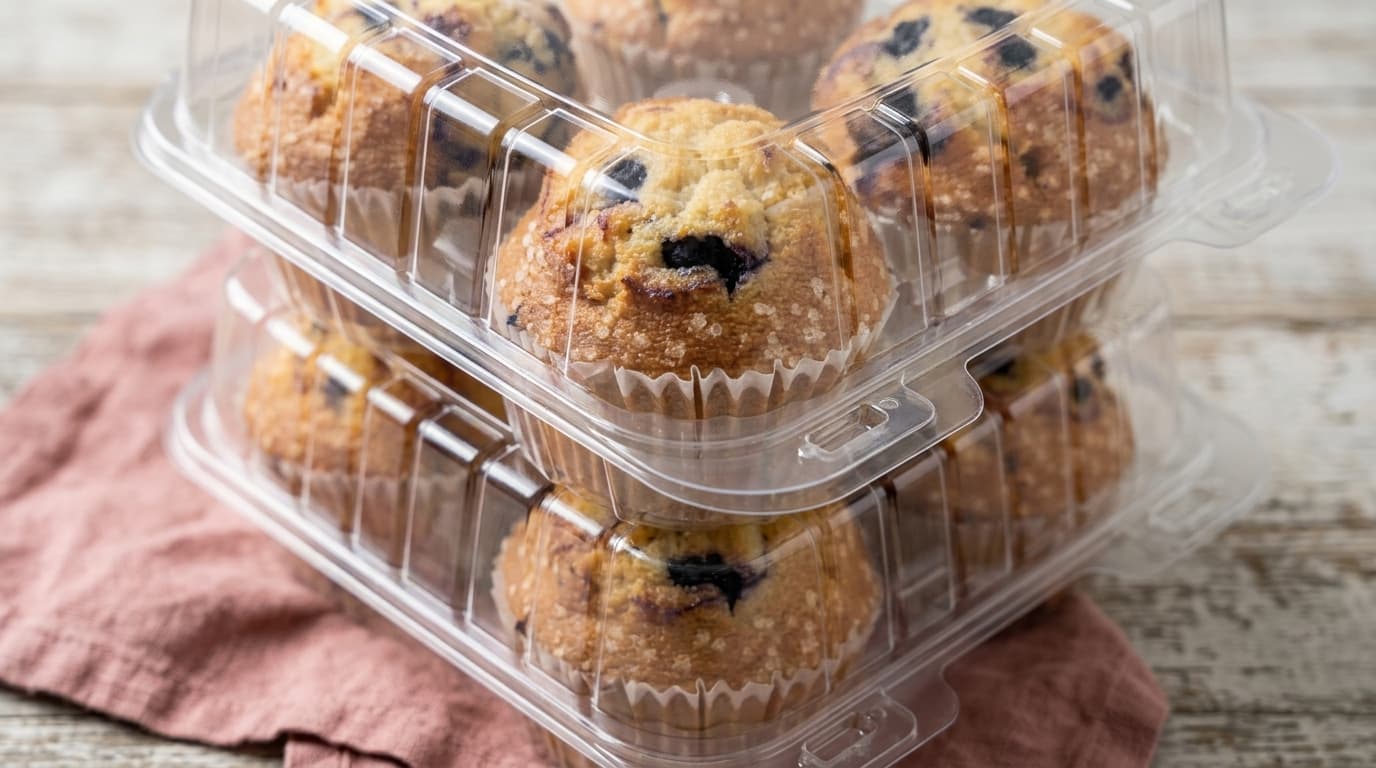
Foam bans are now live in 12 U.S. states plus Washington D.C., with more deadlines approaching. The primary replacement for bakery packaging is clear PET (rigid plastic) clamshells, which protect products, keep them fully visible, and work across nearly every bakery format. Paper, bagasse, and PLA bioplastic each serve specific narrower use cases. This guide breaks down which material fits which product, what freshness looks like after the switch, and what the cost reality actually is.
Read more »
Packaging, Tools & Tips
-
-
Foam food service containers are now banned in 12 U.S. states plus Washington D.C., with Connecticut pending and Hawaii handled county by county. The most urgent deadline for 2026 is Virginia, where the ban extends to ALL food vendors on July 1, 2026. This guide gives you a state-by-state reference table, penalty figures, and the practical steps to take if your state is already covered.Read more »
-
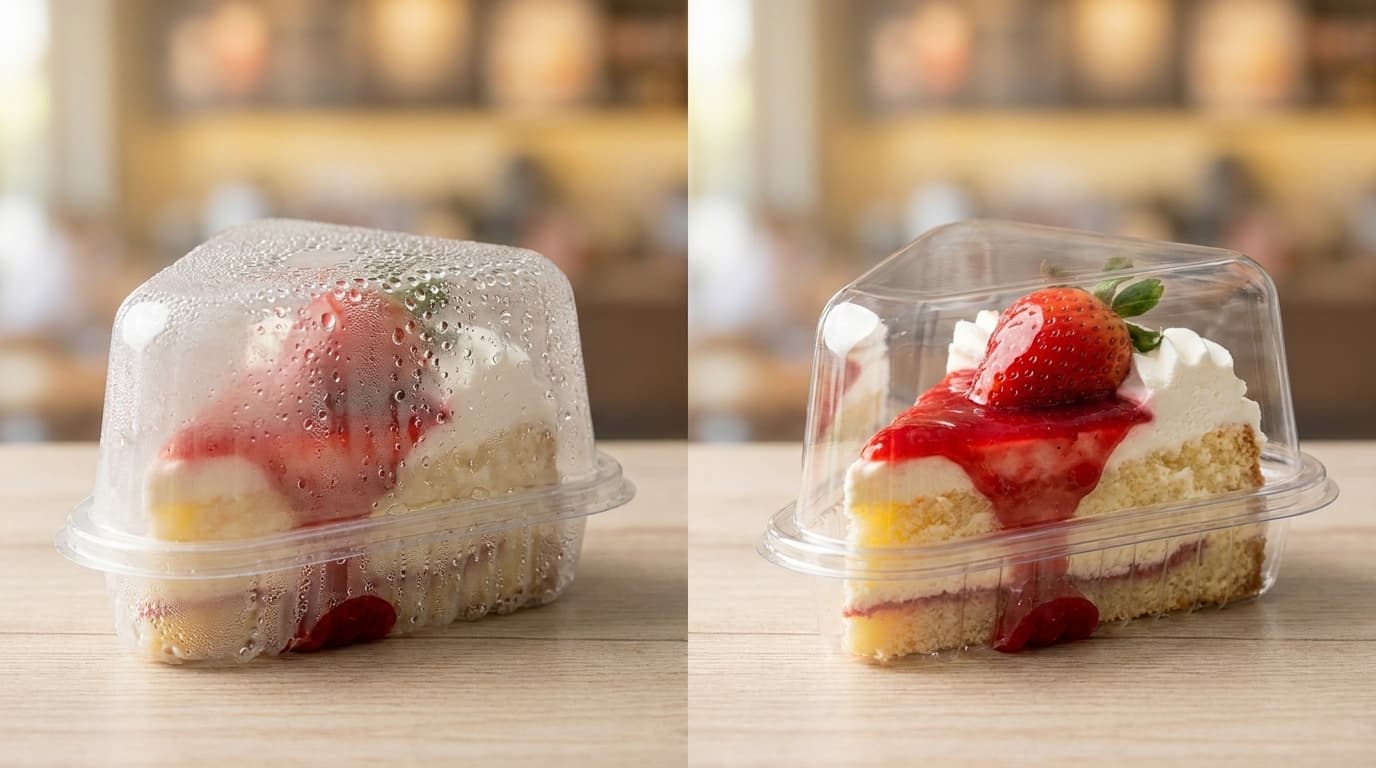
Bakery packaging freshness is more precise than most operators realize. The wrong headspace, a packaging material that off-gasses, or sealing product five degrees too warm can undo hours of baking work. This article covers moisture science, material trade-offs, and the packaging calls that quietly damage perceived quality, including why "airtight" is not always the right answer for every bakery item.Read more »
-
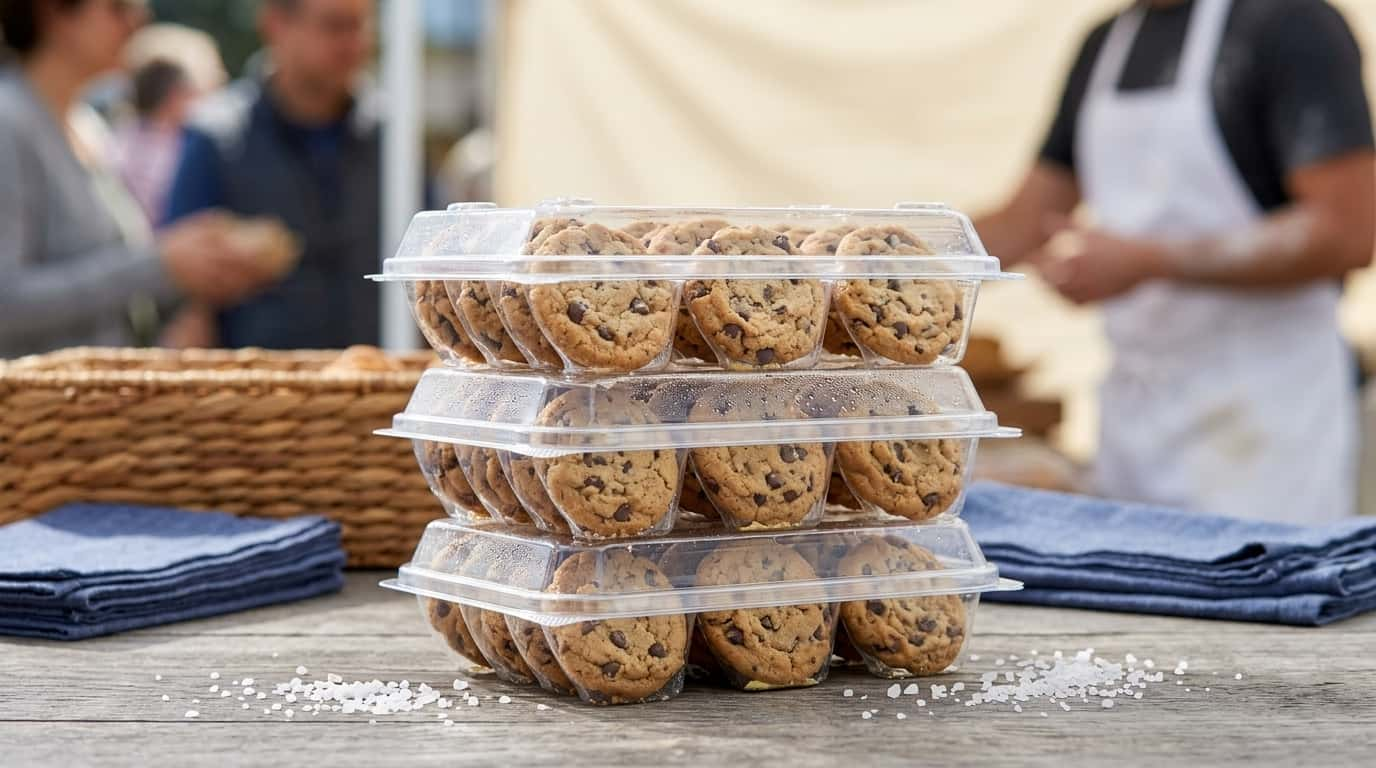
Bakery packaging for farmers markets, pop-ups, and small retail spaces is a completely different problem from packaging for a climate-controlled display case. Outdoor heat warps some containers, transport damages others, and customers make their approach decision from 6 feet away before they ever pick up your product. This guide covers which materials survive outdoor conditions, what cottage food labels must legally say, and how to build a display that converts from a distance.Read more »
-
Tamper evident packaging for bakery products is not a blanket legal requirement, but it kicks in the moment your product leaves your direct control. Wholesale accounts, shipped online orders, and unattended self-service displays each carry different expectations. This guide tells you exactly which scenario applies, what the three key terms actually mean, which containers already qualify, and how to protect your business if something goes wrong.Read more »
-
The refrigerated vs. dry bakery display case decision comes down to your product's formula, not its category name. Cupcakes with cream cheese frosting are refrigerated. Cupcakes with American buttercream are dry ambient. Get it wrong in either direction and you have a food safety issue or a product quality problem. This guide covers the frosting and filling decision guide, what refrigeration does to dry items, and what changes about packaging in a cold display case.Read more »
-
The cake size guide servings question trips up bakers at every level because the pan size, the finished cake size, and the right box size are three different numbers. This guide gives you a clear serving chart for rounds, sheets, and tiers, the 2-inch wider rule for boxes, box height by layer count, and direct answers to the most common refrigeration questions. Get these numbers right before you order boxes or accept an event brief.Read more »
-
Most bakeries need 5 to 6 packaging formats, not 15. This guide covers the core bakery packaging types every operator actually needs, which material goes with which format, freshness windows by container, when to upgrade from a bag to a rigid container, and what is legally required on your label. If you are stocking more than 6 SKUs and still feeling under-packaged, this article is for you.Read more »
-
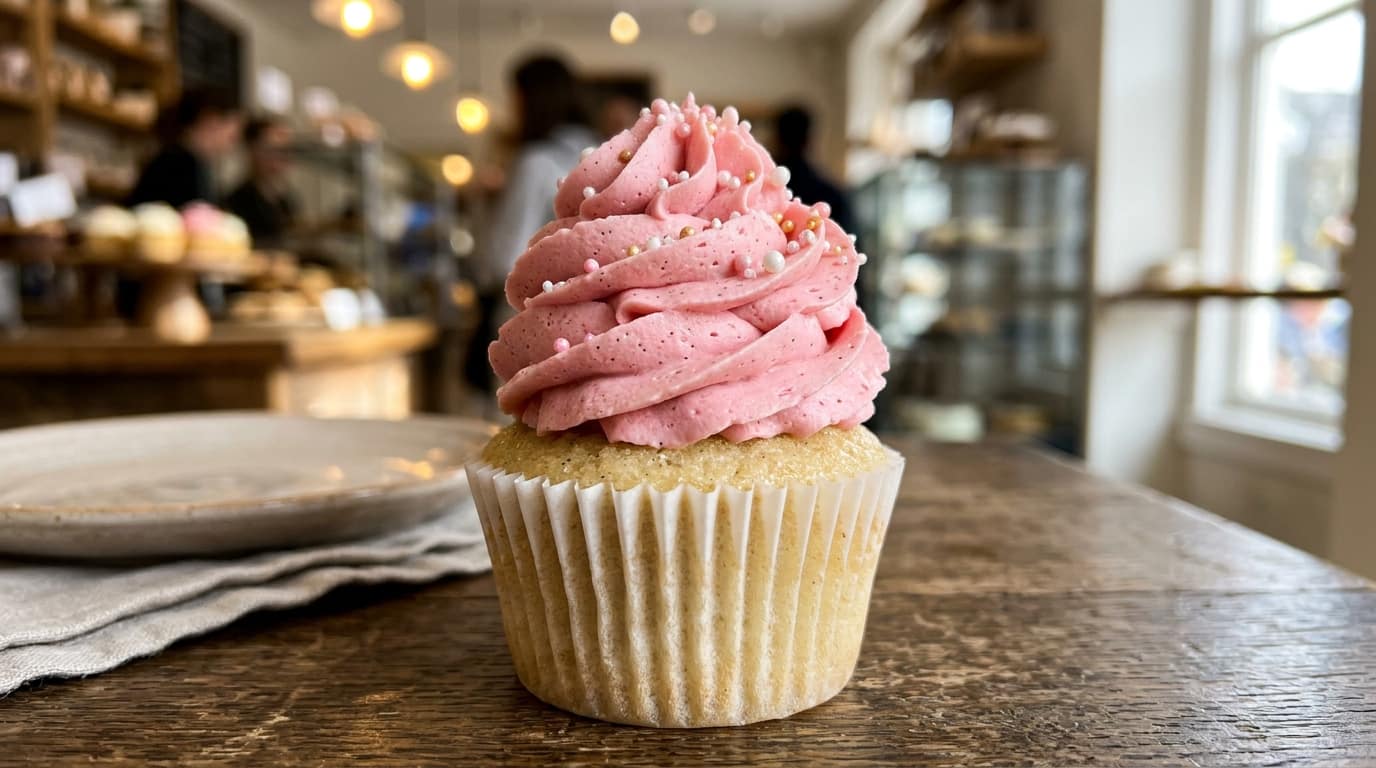
Cupcake container dome height is the number one cause of crushed frosting and wasted orders. This guide covers how to measure your decorated cupcake correctly, which dome height your frosting style actually needs, how to decode supplier labeling confusion, and how to match your count to your selling channel. Get these three things right and the packaging starts working for you, not against you.Read more »
-
Grab-and-go bakery packaging is the difference between a product that sells out and one that wilts on the shelf. Choosing the right container, sealing at the correct temperature, and positioning items at eye level are the three levers that protect freshness and drive impulse sales. This post gives you the containers, the freshness rules, and the display strategy to get both right.Read more »