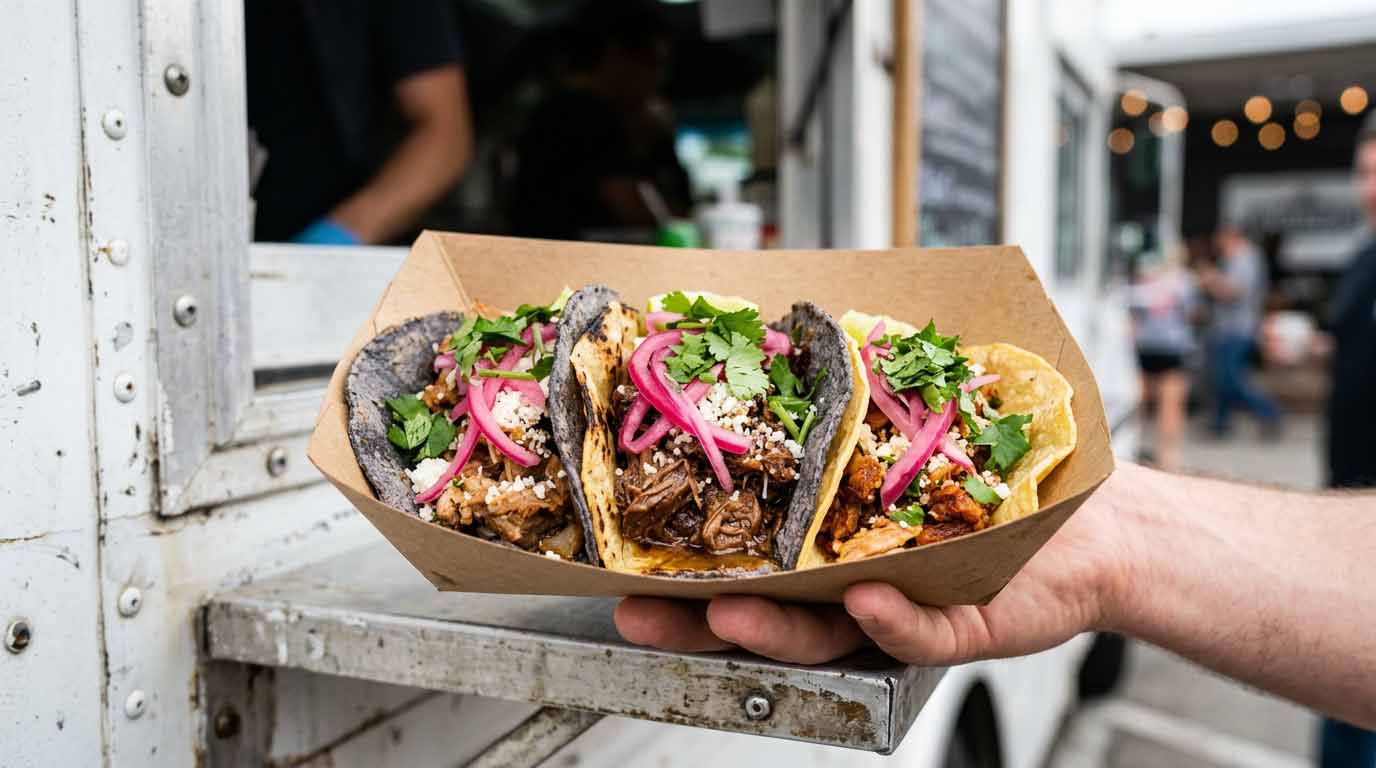
Running a food truck in the U.S. costs roughly $8,000 to $18,000 per month in ongoing expenses, not counting your truck loan. That number swings hard depending on your city, crew size, and whether you're doing festivals or fixed locations. This guide breaks down every real cost category, shows you what most estimates quietly skip, and gives you the city-by-city permit numbers competitors refuse to publish.
Sustainability & Operations
-
Read more »
-
Read more »
Your EBT bakery question has a clear answer: fresh-baked goods are still fully covered by SNAP, and nothing in the 2026 rule changes affects them. If your customers have been walking past your counter because they caught a headline about food stamp bans, this is what you need to set the record straight. At Plastic Container City, we work with thousands of food professionals across the U.S., and the questions about SNAP eligibility for bakery items have been some of the most common we’ve heard this year.
What Did the 2026 SNAP Restrictions Actually Ban?
The 2026 SNAP restrictions ban packaged candy,
-
Read more »
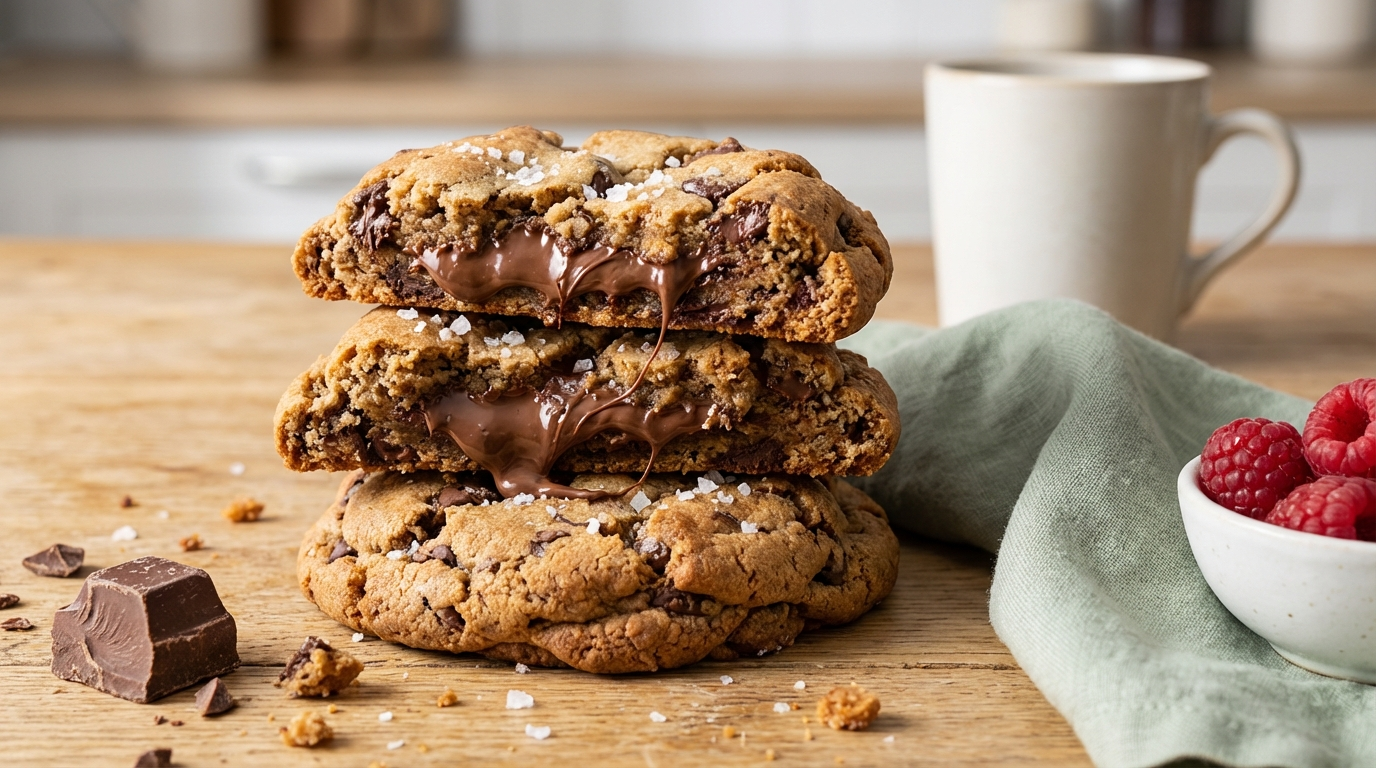
Which best selling items in a bakery are genuinely earning their keep, and which ones are just filling your oven time? For most operators, the answer is uncomfortable: the product with the longest daily queue is often the one with the thinnest margin.
This guide cuts past the generic listicle territory. You will find trade-backed data on what moves in U.S. bakeries right now, a clean framework for separating Stars from Plowhorses, a six-dimension scorecard for choosing one true signature item, and a four-lever rescue plan for popular items that quietly drain your cash flow.
What Are the Best Selling Items in a Bakery?
Bread leads U.S. bakery volume -
Read more »
Ever wonder how to start a bakery subscription box so every item in your display case is paid for before you even preheat the oven? That's the promise behind the recurring model, and it's the reason small bakers are ditching the "bake it and hope" approach. You bake six dozen muffins on a Tuesday, sell four dozen, and donate the rest. The math never works in your favor. A subscription box flips that equation: every item is pre-sold, waste drops close to zero, and your revenue stops being a guessing game.
This guide walks you through the pricing formula, the packaging decisions, the operational guardrails, and the retention tactics that separate a subscription side hustle from a real, repeatable profit channel. No fluff, no theory. Just the playbook.
What Is the Predictable Profit Formula for a Bakery Box?
-
Read more »
Want to know if you're ready to meet wholesale bakery license requirements? You need six things: a commercial kitchen, product liability insurance, written SOPs, FDA labels, digital traceability, and 90 days cash. Those are non-negotiable requirements to legally sell through retailers.
Most home bakers think getting wholesale accounts is about making great products and pitching buyers. It's not. It's about infrastructure. The bakery down the street might make incredible scones, but if they're baking in a home kitchen with a cottage food permit, they legally cannot sell to that coffee shop or grocery store. The moment you sell to a business that resells your products, you trigger an entirely different regulatory framework.
At Plastic Container City, we supply thousands of food professionals across the U.S., and we see this gap constantly. Talented bakers with retail success hit a wall when they try to scale into wholesale because they underestimate the legal,
-
Read more »
Most bakery owners are drowning in 14-hour days because of poor systems, not a lack of passion. This guide provides seven operational levers - including batch baking, strict order cutoffs, and documented delegation—to help you reclaim your time and build a business that is actually sustainable. We move past "self-care" to focus on the workflow changes required to stop firefighting and start leading.
-
Read more »
Can you scale a bakery without a storefront? Yes. Four paths work: shared commercial kitchens, production-only leases, co-packers, or wholesale partnerships. Each trades different levels of control, capital, and risk.
Most bakers equate "real business" with "storefront." That's ego, not economics. Retail leases demand $4,000+ monthly before you bake a single item. Buildouts run $50k minimum. You don't need that to scale: you need production capacity, legal compliance, and margins that survive contact with reality.
Are You Actually Ready to Scale?
The clearest signal you need to scale: You're turning away business weekly.
-
Read more »
How to compete with big chains when one opens across the street? Start by understanding you don't need to become one. When a corporate location sets up shop near your small business, they'll win on consistency and convenience. You win on experience, hospitality, and product identity they can't replicate. The window to respond is narrow: 30 days before new customer habits solidify.
This plan breaks down into four weekly phases: fixing visibility, tightening operations, capturing loyalty, and building local defense. Each week targets the specific pressure points where independents typically lose ground to chain stores.
The Real Pressure Points
When a chain opens nearby, you're facing several threats at once. Margin pressure from trying to match their pricing. Customer trial behavior where people test the new spot just because
-
Read more »
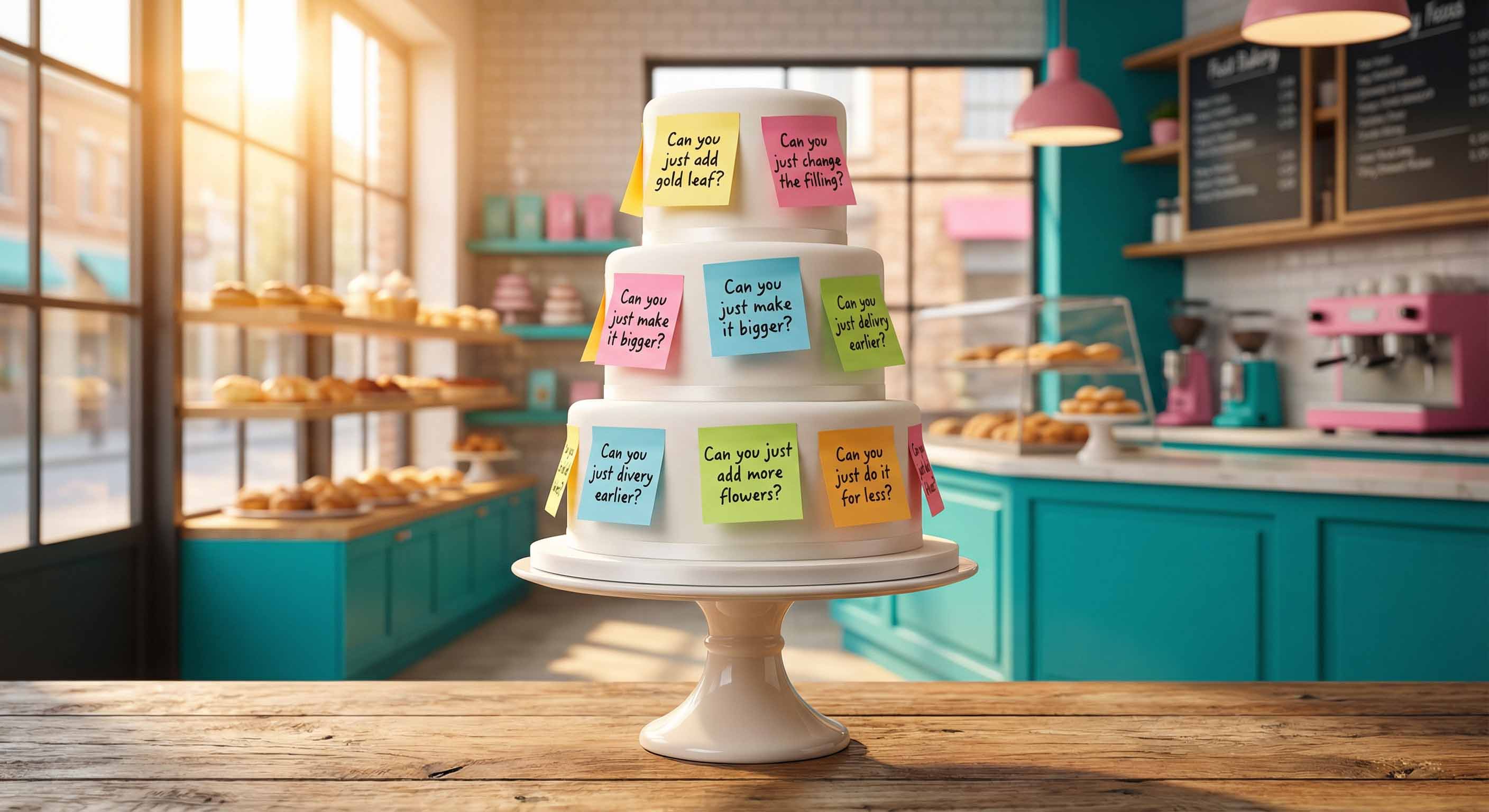
How are bakery customization costs quietly eating 10% of your profit without you even noticing? You don't have a "bad staff" problem. You have a "Can you just..." problem. Your team isn't pocketing cash. They're saying yes to tiny changes that add up to thousands in lost labor, wasted materials, and missed production capacity every month.
You're not imagining it. Customers are more demanding than ever. Over 30% of them now walk in the door expecting a "bespoke" experience for a "standard" price. You want to give it to them, but you shouldn't have to go broke to be nice.
Every ingredient swap, message change, or last-second pickup adjustment costs you minutes. Those minutes
-
Read more »
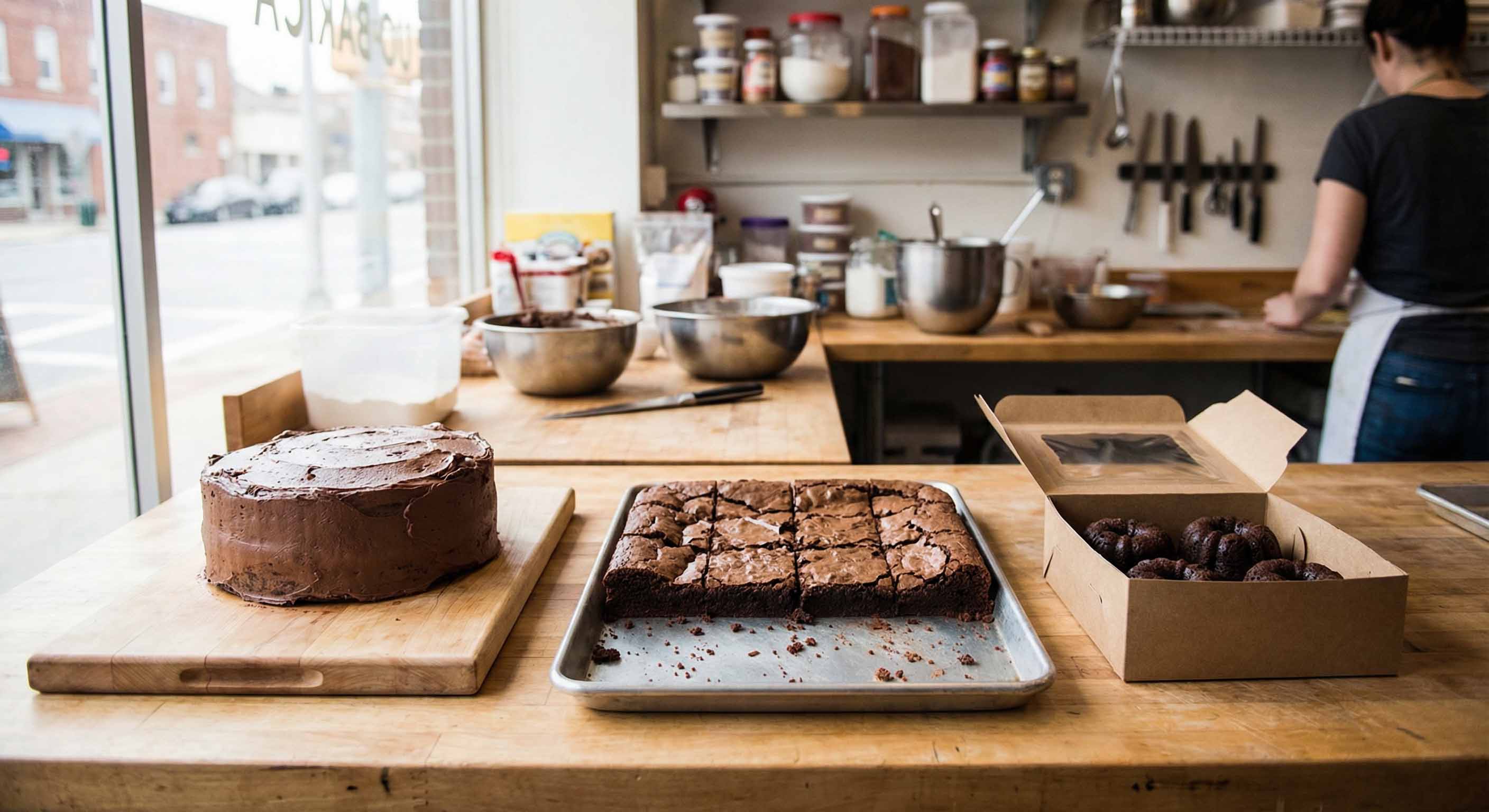
How to add products to my bakery business without increasing costs starts with what is already in your kitchen. Most owners think scaling means buying new mixers, hiring staff, or ordering expensive new ingredients. That is the wrong way to look at growth. Your signature item already has everything you need to launch two companion products that share 70% of the same ingredient base, use the same equipment during idle hours, and require zero additional overhead. You are not just expanding: you are multiplying the value of what you have already built.
This guide shows you the exact system to turn one bestseller into a focused three-product line. No extra costs. No wasted capital. Just smarter use of what is sitting right in front of you.