Vicky A
-
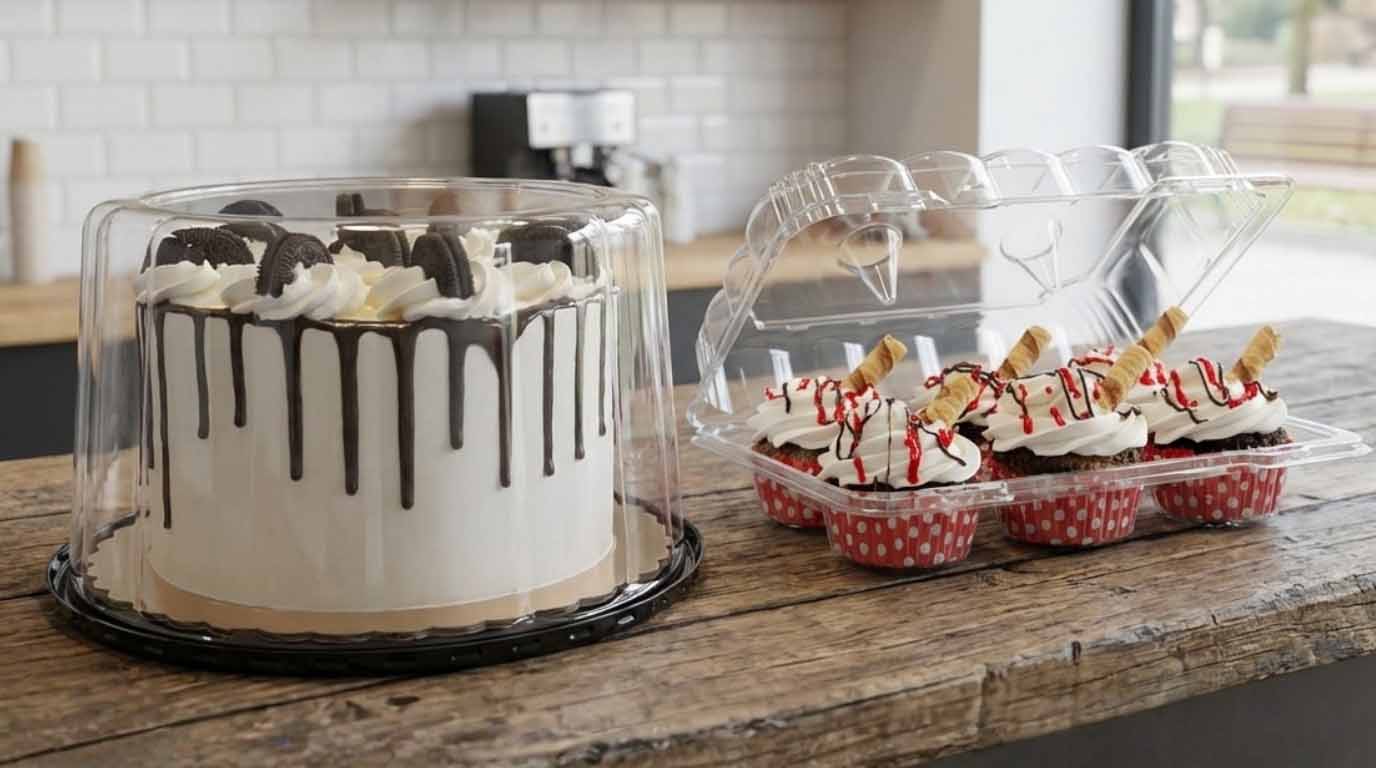
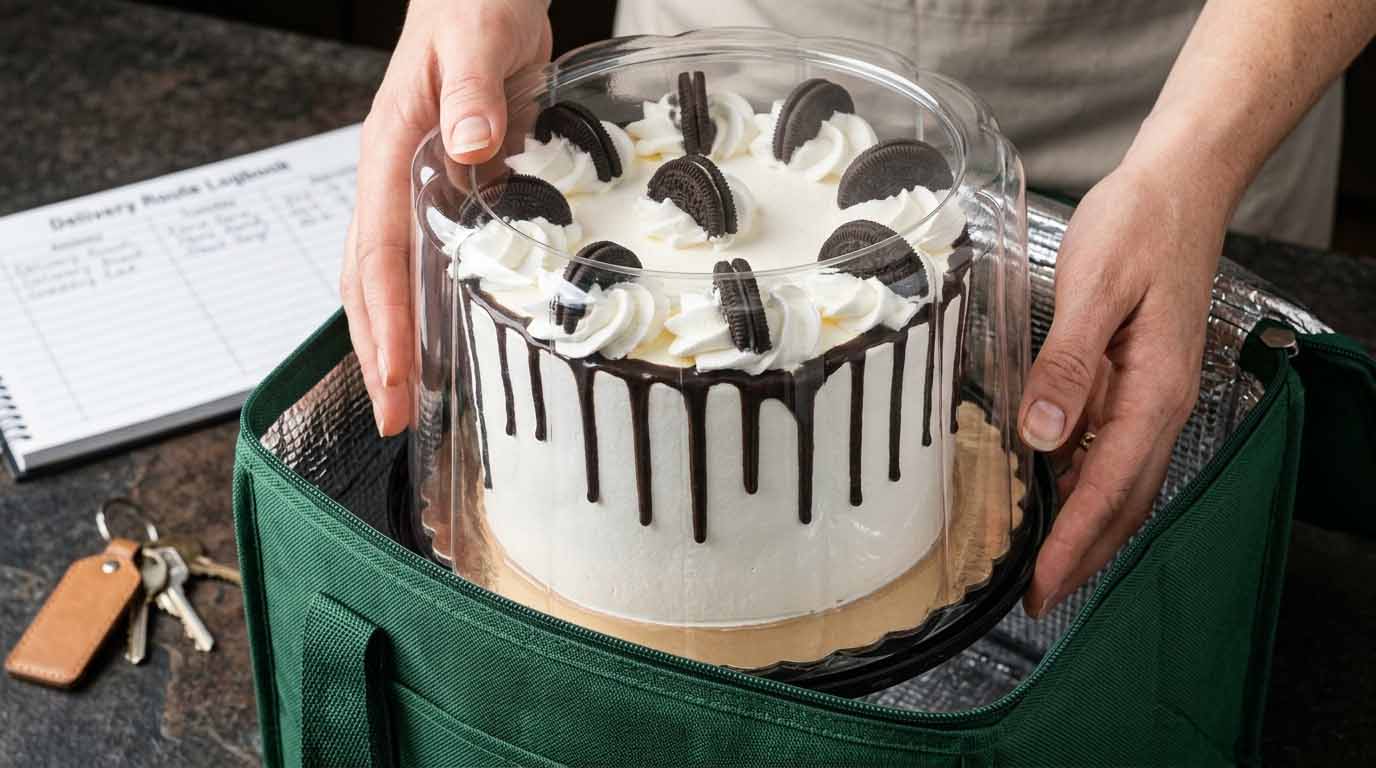
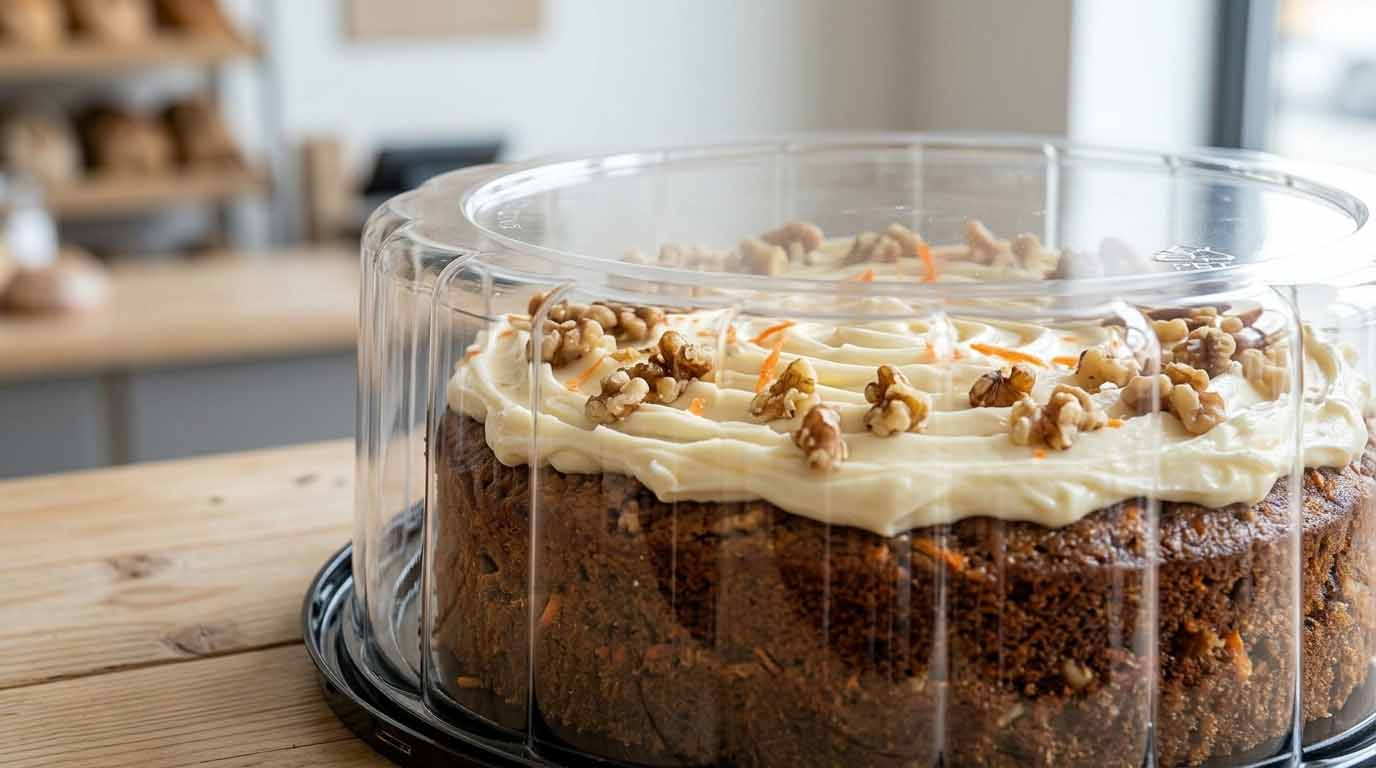
The cake size guide servings question trips up bakers at every level because the pan size, the finished cake size, and the right box size are three different numbers. This guide gives you a clear serving chart for rounds, sheets, and tiers, the 2-inch wider rule for boxes, box height by layer count, and direct answers to the most common refrigeration questions. Get these numbers right before you order boxes or accept an event brief.Read more »
-
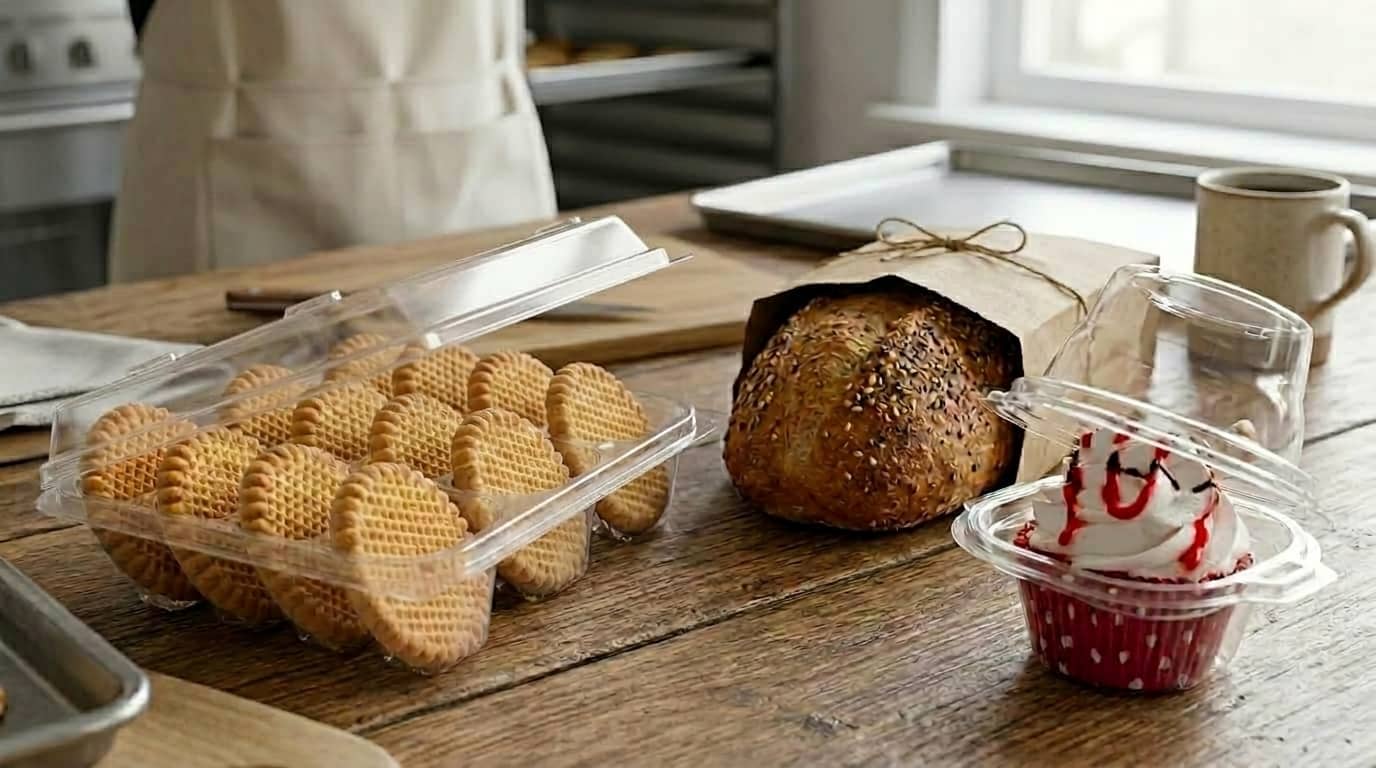
Most bakeries need 5 to 6 packaging formats, not 15. This guide covers the core bakery packaging types every operator actually needs, which material goes with which format, freshness windows by container, when to upgrade from a bag to a rigid container, and what is legally required on your label. If you are stocking more than 6 SKUs and still feeling under-packaged, this article is for you.Read more »
-
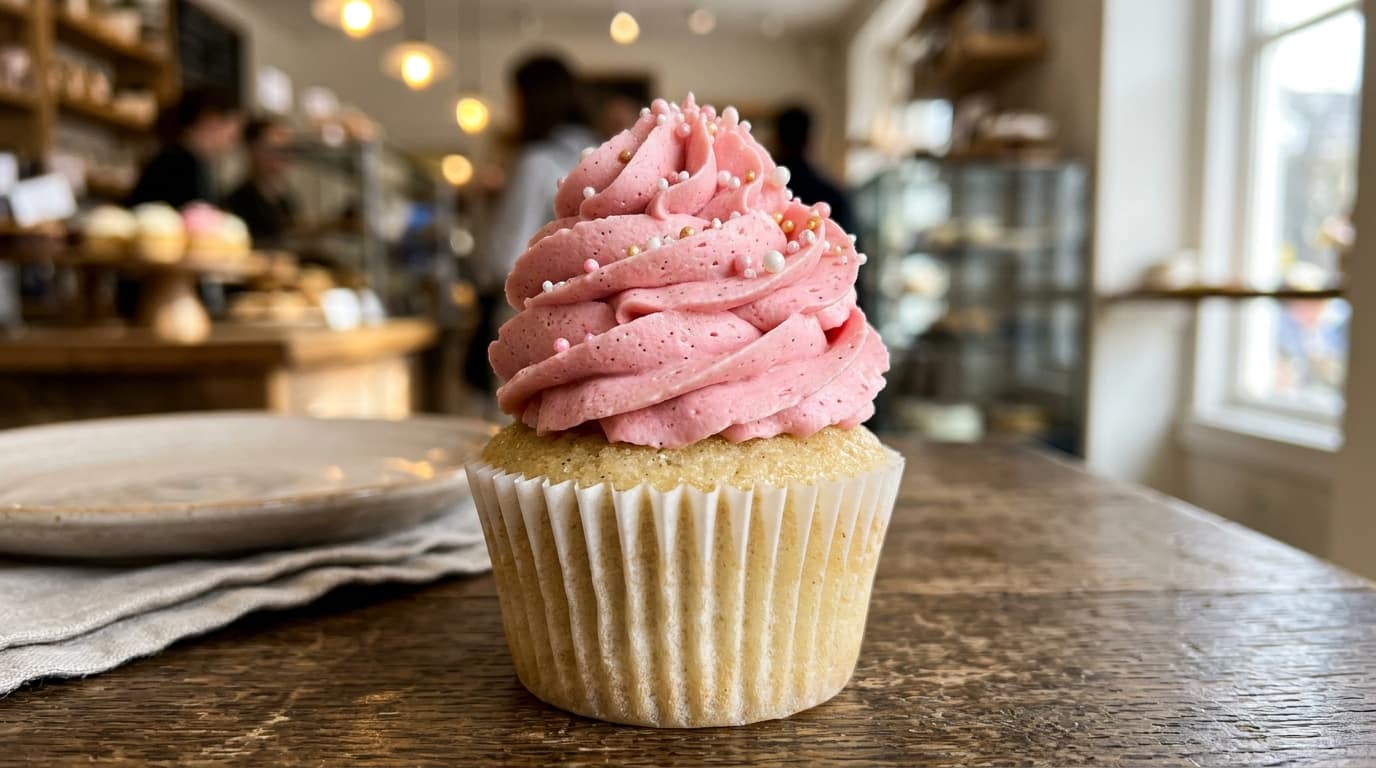
Cupcake container dome height is the number one cause of crushed frosting and wasted orders. This guide covers how to measure your decorated cupcake correctly, which dome height your frosting style actually needs, how to decode supplier labeling confusion, and how to match your count to your selling channel. Get these three things right and the packaging starts working for you, not against you.Read more »
-
Grab-and-go bakery packaging is the difference between a product that sells out and one that wilts on the shelf. Choosing the right container, sealing at the correct temperature, and positioning items at eye level are the three levers that protect freshness and drive impulse sales. This post gives you the containers, the freshness rules, and the display strategy to get both right.Read more »
-
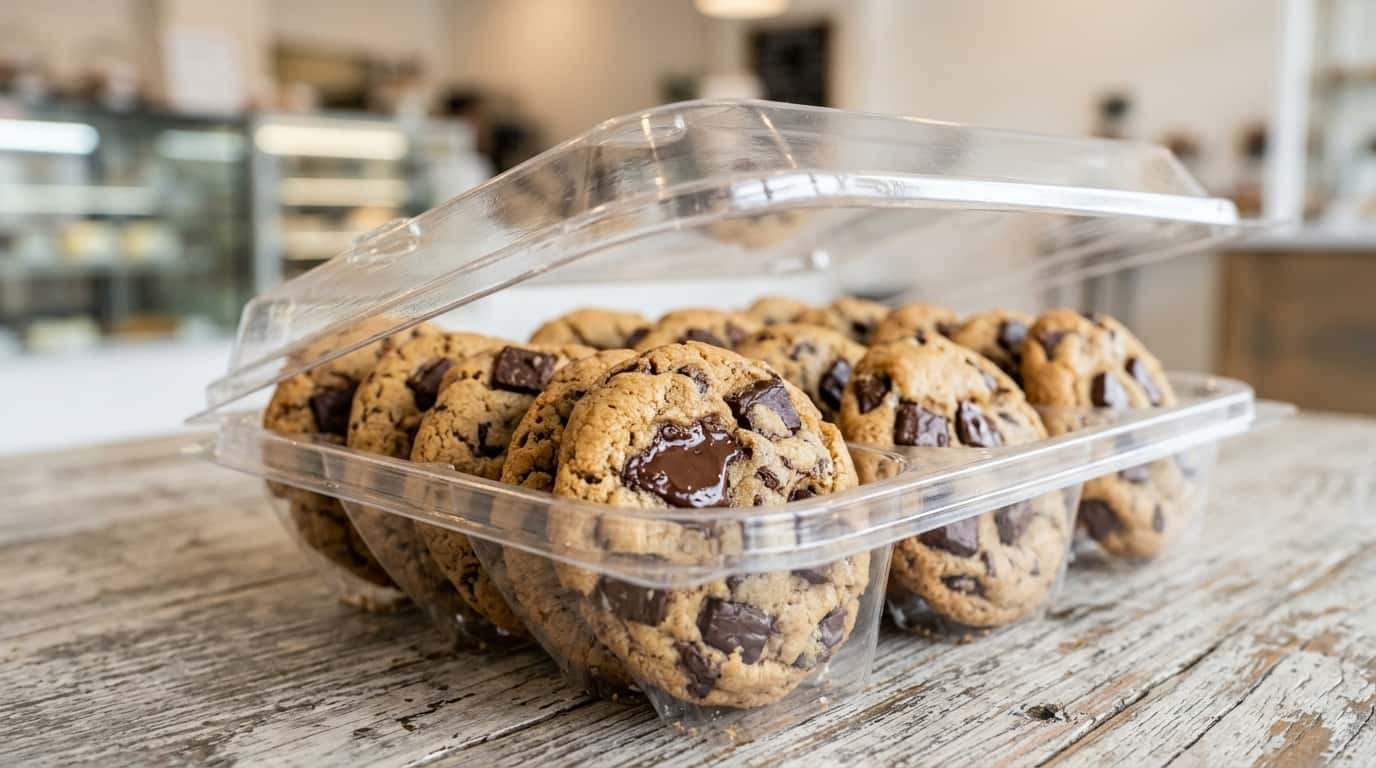
Knowing how to package cupcakes for sale, alongside cakes and cookies, is the difference between a product that arrives perfectly and one that lands crushed. This guide gives you exact container sizes, dome clearance specs by frosting style, material comparisons, and a count-format guide by sales channel. Get these four things right, and your packaging works as hard as your baking does. Start with the sizing tables below.Read more »
-
Your bakery delivery fee needs to cover gas, vehicle wear, your time, packaging, and a profit buffer, all calculated for a round trip. Most bakers undercharge because they use one-way mileage and forget packaging entirely. This post gives you the exact formula with real numbers, three pricing model options, a true-cost platform comparison for DoorDash and Uber Eats, and two ready-to-use scripts for communicating your fee with confidence.Read more »
-
Bakery packaging laws 2026 are already in effect across several U.S. states. PFAS grease-proofers are off the market. Foam clamshells are banned in New York, California, and rolling out in Virginia. California's plastic bag rule is live. Whether you run a café, food truck, or home kitchen, this guide breaks down exactly what to swap, what stays the same, and what the fines look like if you fall behind.Read more »
-
Read more »
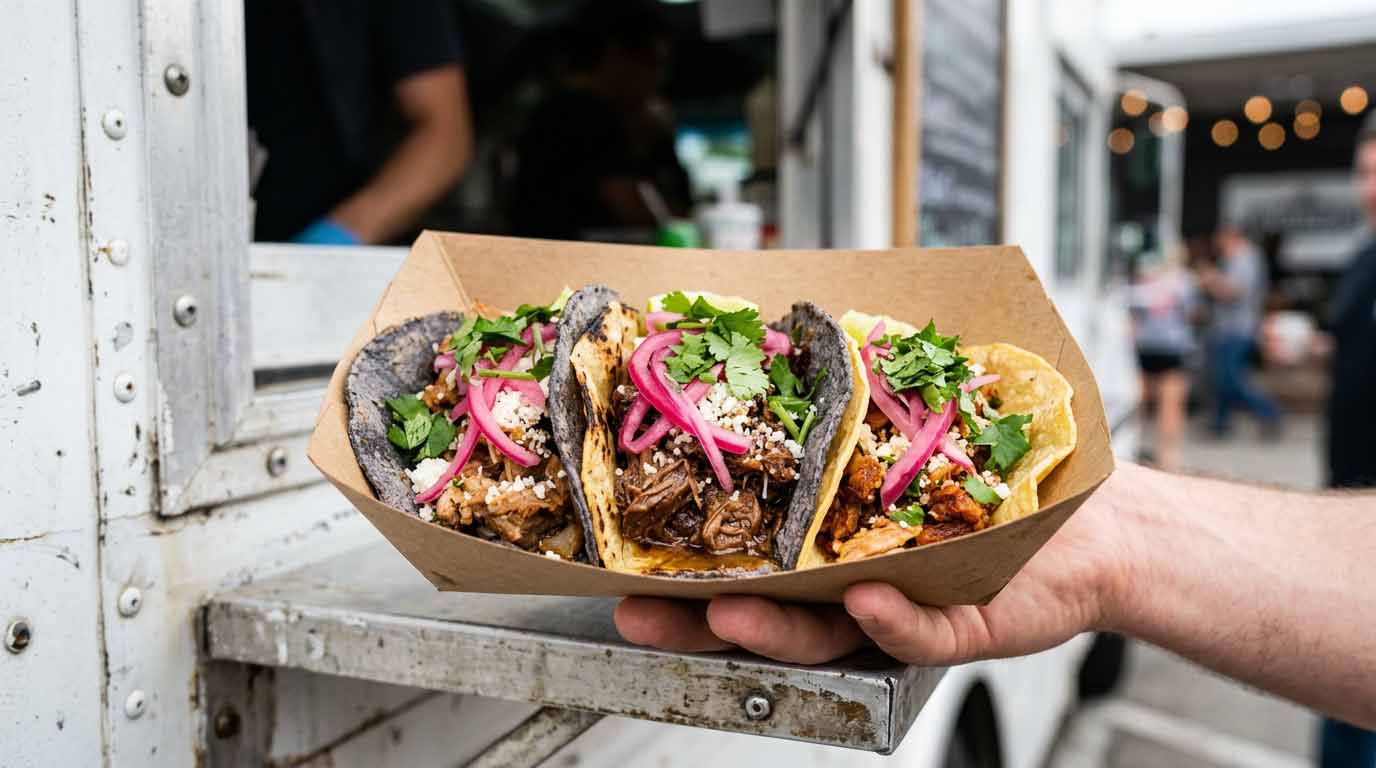
Running a food truck in the U.S. costs roughly $8,000 to $18,000 per month in ongoing expenses, not counting your truck loan. That number swings hard depending on your city, crew size, and whether you're doing festivals or fixed locations. This guide breaks down every real cost category, shows you what most estimates quietly skip, and gives you the city-by-city permit numbers competitors refuse to publish.
-
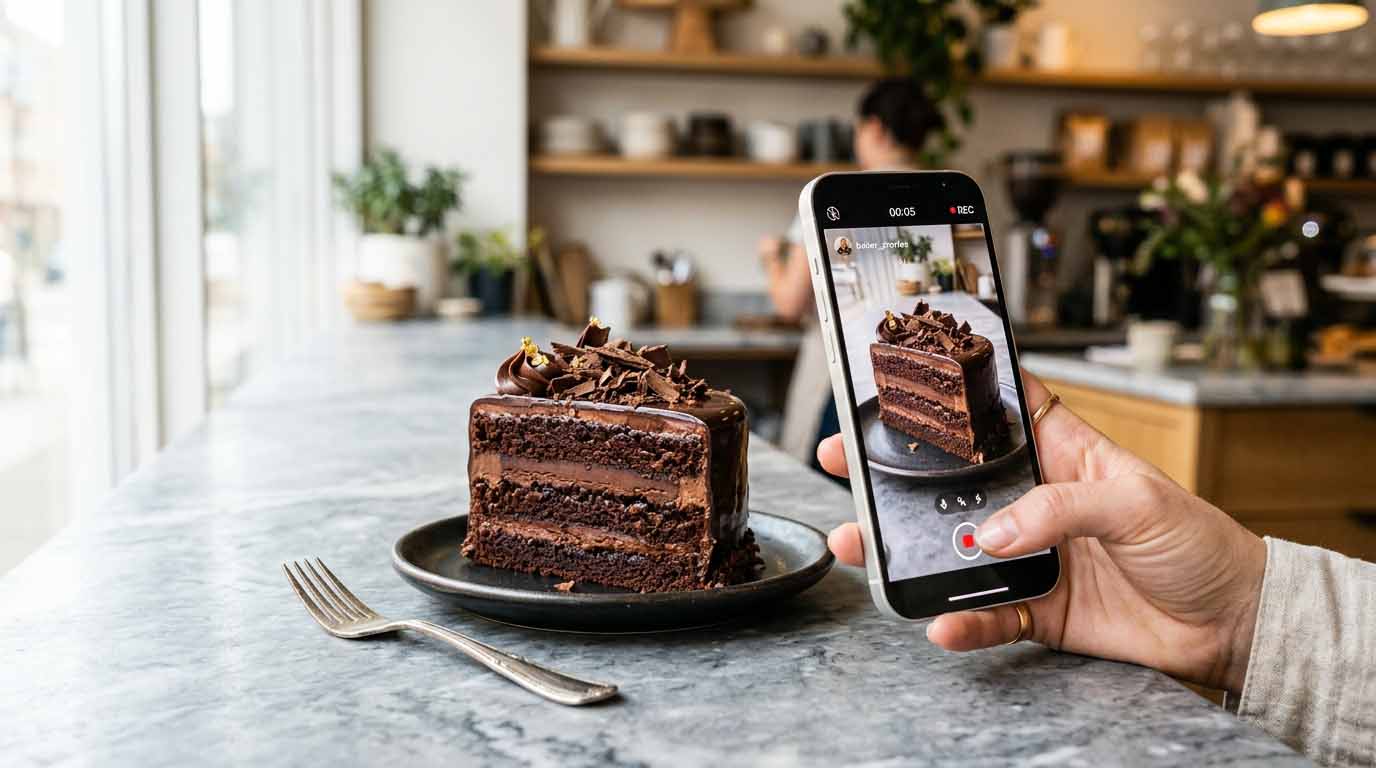
How to promote your bakery on Instagram Reels is one of the most Googled questions in bakery marketing right now, and most of the answers miss the point entirely. Views are not the goal. DMs and pre-order slots are. If your Reels are clocking up a few thousand plays and your phone stays quiet, the format is not broken. The strategy is. This guide covers what actually turns a 60-second clip into a sold-out batch: the five formats that drive orders, the hook formula, the CTA system, a cottage food compliance snapshot, and a weekly schedule built for operators who start baking at 4am and work alone.Read more »
-
Read more »
Spring bakery sales feel like a sure thing, until they're not. You close out a packed Easter weekend, the display case empties, and then Tuesday rolls around and foot traffic simply vanishes. Sound familiar? You're not failing. You're operating without a system, and that is a fixable problem.
This guide walks through the real spring revenue picture: the dead zones most bakers don't plan for, the overlooked events worth putting on your calendar, and the specific tactics (pre-orders, midweek bundles, packaging) that turn inconsistent spring weeks into something you can actually budget around. Whether you run a storefront, a food truck, or a cottage bakery, there is a version of this that works for you.
Why Are My Spring Bakery Sales Inconsistent?