
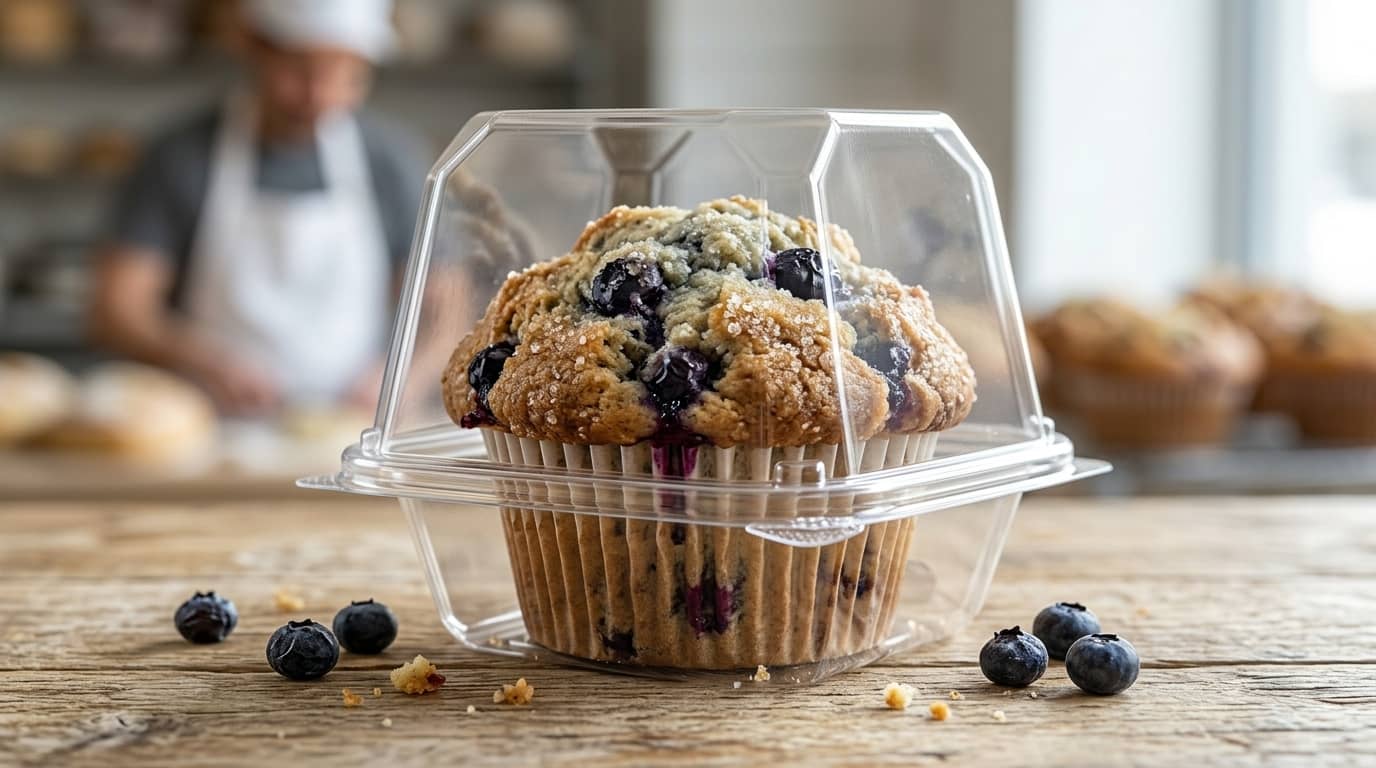
Bakery packaging freshness is the single most controllable variable between a product leaving your oven and a customer deciding to buy it. A muffin that looks perfect out of the oven can arrive at the display case already beginning to stale. A sealed cookie can stay fresh for weeks. The same cookie in the wrong container can be stale by day three.
The stakes are real. A 2025 McKinsey U.S. consumer survey found that food safety and shelf life rank above packaging appearance in buying decisions. That finding reframes the packaging conversation entirely. Customers are not just buying with their eyes. They are making quality and safety inferences from the container itself before they ever open it.
This article covers the variables that determine whether your packaging actually protects what you baked: headspace composition and why it differs by product type, material trade-offs between PET, OPS, kraft paper, and PLA, seal timing windows, UV exposure risk in display cases, the refrigeration paradox that quietly stalens dry items, and the perceived quality signals customers read from packaging condition before they read a label.
Why Does Packaging Dictate Bakery Freshness?
Once a baked item leaves the oven, the baker's control over its quality ends. Everything that happens after that point is determined by the environment the product lives in, and that environment is the package. An active and smart packaging review published in 2025 identifies headspace composition, mechanical and thermal activity, and gas and moisture barrier behavior as the primary determinants of bakery packaging performance. These are not abstract variables. They are the forces that decide whether your croissant is still flaky at 2 PM or whether your decorated cupcake has beads of moisture on the frosting by midmorning.
A 2025 sponge cake packaging study reinforces this directly, finding that packaging controls moisture loss, microbial growth, and oxidation across the product's shelf life. Baking technique affects initial texture. Packaging affects everything that follows.
In plain terms, the three variables break down like this. Headspace is the air volume between the product and the lid. Too much oxygen in that space accelerates oxidation and staling. Moisture migration is the movement of water vapor from a warm, moist product into the surrounding container atmosphere. If that vapor has nowhere to go, it condenses. If it escapes through a poor barrier, the product dries out. Oxidation after sealing is the ongoing chemical process that breaks down fats and aromatic compounds in baked goods, producing the flat, cardboard quality of a cookie that has been sitting too long in a leaky container. Packaging does not stop time. It slows these three forces to a manageable rate.
The Headspace Problem Most Operators Get Wrong
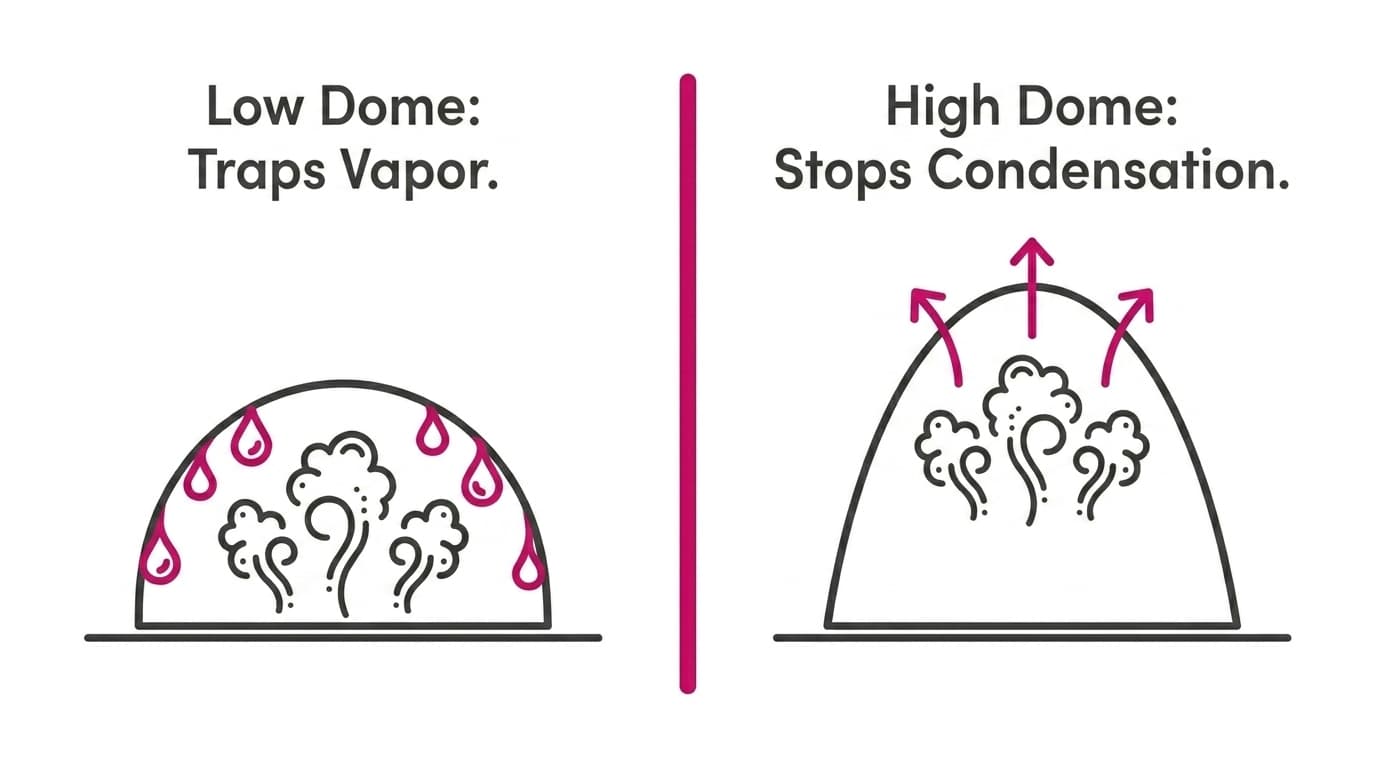
Headspace is not simply "the air left in the container." It is an active zone that either works for or against your product. Too much air volume around a fat-heavy cookie means more oxygen contact, which accelerates oxidation and the development of off-flavors. Too little headspace around a freshly baked muffin means the moisture vapor coming off the product has nowhere to dissipate. It compresses against the lid and walls, condenses, and produces the sweated look that signals poor quality to customers before they even open the package.
Product-specific guidance matters here:
- Muffins, frosted cupcakes, and cake slices produce considerable moisture vapor even after cooling. These items need enough headspace to absorb that vapor without condensing against the lid. A dome lid with adequate vertical clearance is not a cosmetic choice; it is a functional one.
- Cookies and biscotti are low-moisture items that benefit from a tighter headspace and less oxygen exposure. A snug-fitting container with a reliable seal slows oxidation without the condensation risk that a moist item would create.
- Croissants and laminated pastries are the category most operators get wrong. These items require breathable packaging or a vented container. Sealed PET traps moisture vapor against the layers of laminated dough and destroys the flaky texture within 30 minutes of sealing. If your croissants are arriving at the display case soggy at the base, sealed headspace is likely the cause.
Which Packaging Material Actually Preserves Freshness?
Material selection is where freshness science and food safety overlap most directly. The container you choose does not just hold the product. It interacts with it chemically, physically, and visually from the moment of sealing through the moment of purchase. A 2025 styrene review confirms that migration from styrenic food-contact materials depends on food type, contact conditions, and temperature. For bakeries handling fatty fillings, chocolate-dipped items, or acidic fruit toppings, that finding is operationally relevant, not just academic.
| Material | Key Property | Freshness Impact | Best For | Key Limitation |
|---|---|---|---|---|
| PET (polyethylene terephthalate) | Flavor-neutral, strong moisture barrier, high clarity | Excellent. Resists moisture migration and does not interact with product chemistry | Frosted cupcakes, cake slices, decorated cookies, muffins | Not UV-blocking by default; no breathability for laminated pastries |
| OPS (oriented polystyrene) | Rigid, clear, lower cost than PET | Risk of styrene migration with fatty or acidic products at elevated temperatures | Low-fat, ambient-temperature dry goods with short display windows | Off-gassing risk with warm or fatty products; less suitable for heated display cases |
| Kraft paper/paperboard | Breathable, grease-resistant (with liner), compostable options available | Good for laminated pastries and artisan bread; poor moisture barrier without coating | Croissants, artisan loaves, grab-and-go pastry bags | No product visibility; poor moisture barrier in humid environments without wax or poly lining |
| PLA (compostable) | Plant-based, compostable, clear | Adequate at ambient temperatures; structural failure and moisture barrier degradation above 85 to 90°F | Cold or ambient-display dry goods; operations with composting infrastructure | Warps in warm display cases; not suitable for heated environments or products placed warm |
One factor operators consistently overlook is UV exposure. PET is not UV-blocking by default. Standard display case lighting, particularly LED strips at close range, can cause color shift and surface dulling on decorated items including colored frostings and butter-based coatings within 4 to 6 hours of display. For extended display windows, an opaque or UV-blocking liner under the product, or a UV-treated lid, addresses this without requiring a container change. For bakeries running all-day display cases, this is worth evaluating against product turnover rates.
Seal Timing: The Variable No Equipment Can Override
The physics of premature sealing are straightforward. Warm product emits vapor. A cooler container wall gives that vapor a surface to condense on. Seal a muffin at 113°F into a PET dome, and within minutes the inside of the lid shows droplets. Those droplets do not evaporate back into the product evenly. They create wet spots, soften crusts, and introduce the moisture-rich microenvironment that mold needs to establish faster than it would on a properly sealed item.
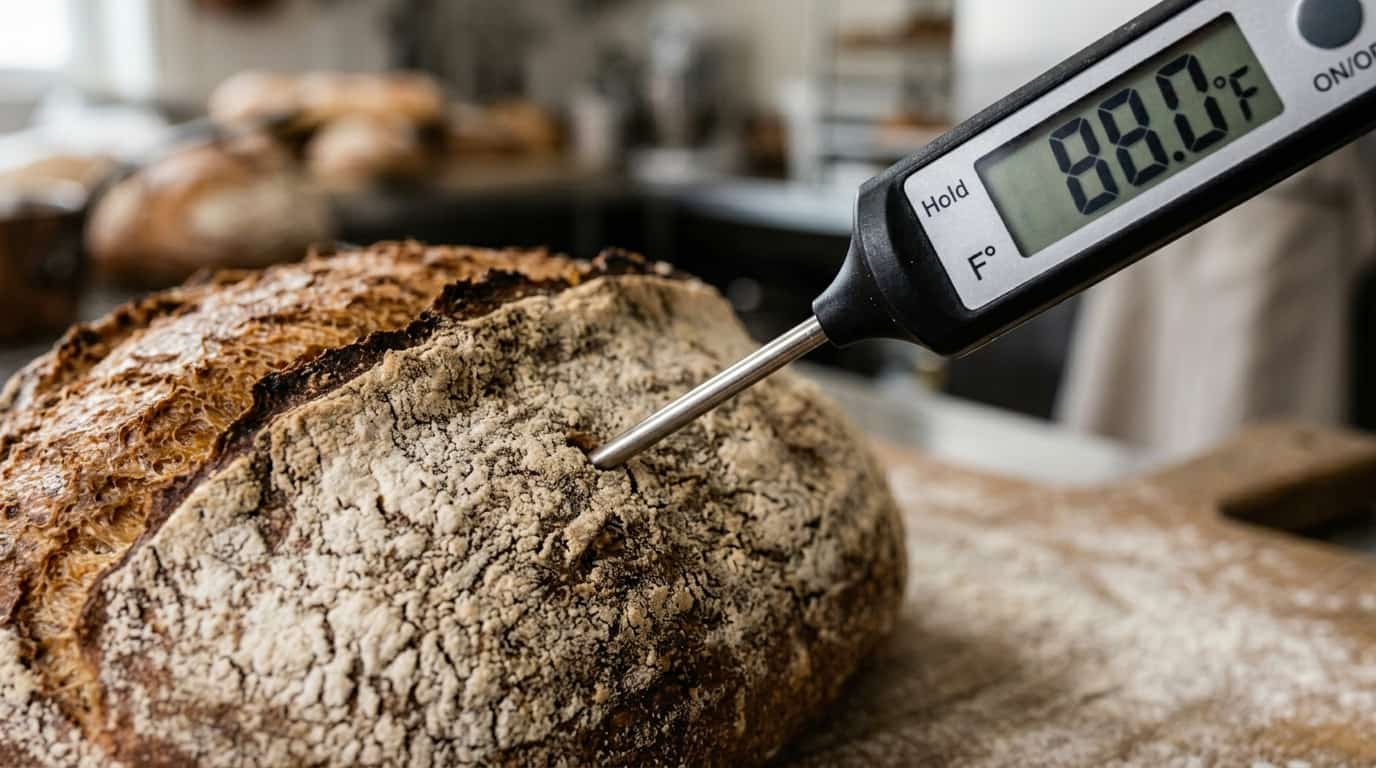
The shelf life difference is measurable. Bread sealed at approximately 86°F achieves up to 7 days of shelf life under proper conditions. The same loaf sealed at 104 to 113°F accelerates condensation inside the package, creating conditions that promote mold well within that window. The container quality is irrelevant at that point. No amount of barrier performance compensates for sealing a product that is still actively off-gassing heat and vapor.
A probe thermometer eliminates the guesswork entirely and costs less than one day of product loss from early spoilage. The bakery packaging format guide covers the practical protocol for matching seal timing to production schedules across different product categories.
The Refrigeration Paradox: When Cold Hurts More Than It Helps
Cold storage feels like a preservation instinct. For cream-filled items, fresh fruit toppings, and custard-based products, it is the right call. For dry, starch-heavy baked goods, it quietly accelerates the staling process that packaging was meant to slow.
A 2025 starch retrogradation review establishes that storage temperature materially affects starch retrogradation rates, and research on bread staling confirms that the process begins immediately post-bake. Cold temperatures accelerate starch recrystallization in dry-crumb products. A croissant stored at refrigerator temperature (35 to 40°F) undergoes retrogradation faster than the same croissant held at a cool ambient temperature (62 to 68°F). Packaging can slow moisture loss in the refrigerated environment, but it cannot stop the structural change happening inside the starch matrix itself.
For operators who must use refrigeration for logistical reasons, high-barrier sealed packaging and short display windows with frequent rotation reduce the damage. Items should move from refrigerated storage to ambient display as close to sale time as operationally feasible. For the full display decision framework, see Refrigerated vs Dry Bakery Display Case: The 2026 Rule.
What Customers Actually See: The Perceived Quality Problem
At Plastic Container City, we see this play out constantly in the feedback we get from bakery operators across the country: the container is doing sales work the moment it goes into the display case, before any customer reads a label or asks a question.
A fogged lid, a crushed corner, a label peeling at the edge. None of these mean the product inside is bad. But customers make quality judgments in seconds, and they make those judgments from what they can see before they touch the package. The McKinsey finding bears repeating here: quality judgment precedes purchase. When food safety and shelf life outrank appearance in survey responses, that reflects a customer who is reading the container for safety signals, not just aesthetics.
Clear packaging makes the product sell itself, which is why it dominates the bakery display category. But clarity cuts both ways. A perfectly clear container on a perfectly presented product communicates freshness and quality. The same container with interior fog, a cracked hinge, or a base that has buckled under the product's weight communicates the opposite. Customers do not distinguish between a structural defect and a product defect when the product is still sealed. The package condition is the quality proxy.
One important nuance from a 2025 food packaging study: while transparency builds consumer confidence, packaging transparency can also create overconfidence about freshness. A clear lid signals that a product looks fresh. It does not create freshness. Strict rotation protocols are the operational safeguard that container clarity cannot replace.
Structural specifications that matter operationally include minimum wall thickness for rigidity (containers that flex under normal handling telegraph cheap materials), flat base construction that keeps the product level in the display case, and lid hinges that do not crack or separate at ambient temperature. Anti-fog coating on the lid interior addresses condensation visibility for moist items displayed for more than two hours. These are not premium features. They are baseline requirements for a product that needs to communicate quality from behind a display glass.
For product-specific guidance on keeping items in display-ready condition, the resource on how to keep cakes fresh covers storage and rotation practices. And if you are calculating the cost of container failures in your operation, the analysis of how poor packaging costs bakeries puts numbers to what most operators treat as an unavoidable shrink line.
Conclusion
Headspace, material chemistry, seal timing, UV exposure, and refrigeration physics are not packaging details. They are production decisions that determine whether your product reaches the customer in the condition you baked it. Operators who treat container selection as a cost line rather than a quality line leave real shelf life on the table.
For a complete framework that ties container selection, display placement, and freshness strategy together across your full grab-and-go range, the grab-and-go bakery packaging guide is the starting reference for every decision covered in this article.
Plastic Container City carries bakery packaging across PET, OPS, and kraft formats, with options suited to everything from laminated pastry display to multi-day sealed cookie retail. For more on packaging performance across bakery categories, the Plastic Container City blog covers material science, display strategy, and the operational calls that determine bakery packaging freshness at every stage of the production-to-sale cycle.
Frequently Asked Questions
How to increase the shelf life of bakery products?
Seal products at the right internal temperature (86 to 90°F), choose a container material with an appropriate moisture barrier for the product type, and match headspace to the item's moisture output. For items sold over multiple days, high-barrier PET with a reliable lid seal is the most consistent performer. Frequent rotation and short display windows reduce quality loss regardless of container choice.
Will cookies stay fresh in cellophane?
Cellophane provides a moderate moisture barrier for low-humidity environments but performs poorly in warm or humid conditions. For ambient-temperature dry cookies with a short display window (one to two days), cellophane is adequate. For extended shelf life or humid retail environments, a sealed rigid container with a tighter headspace and stronger moisture barrier will outperform cellophane on both freshness and structural presentation.
What is the best way to keep baked goods fresh?
Match the container to the product's moisture profile, seal at the correct internal temperature, and store at the temperature appropriate for the item's starch content. Moist items need headspace and vapor management. Dry items need a tight seal and low oxygen exposure. Avoid refrigerating starch-heavy dry goods. Use anti-fog containers for moist items in extended display windows to maintain the visual freshness signal customers rely on.
How does UV exposure from display case lighting affect bakery packaging?
Standard PET containers are not UV-blocking. Display case lighting, particularly close-range LED strips, can cause color shift and surface dulling on colored frostings and butter-based coatings within 4 to 6 hours. Decorated items on extended display benefit from an opaque or UV-blocking liner beneath the product, or a UV-treated lid. For high-turnover operations where items sell within two hours, standard clear PET is generally adequate.
Does the packaging material affect the taste of baked goods?
Yes, in specific conditions. Research on styrenic materials confirms that migration from food-contact packaging depends on food type, temperature, and contact duration. Fatty or acidic products in OPS containers at elevated temperatures carry the highest risk of off-flavor transfer. PET is the most flavor-neutral option for clear bakery containers. Kraft paper with a food-safe liner is appropriate for breathable formats where direct contact with a plastic wall is not required.