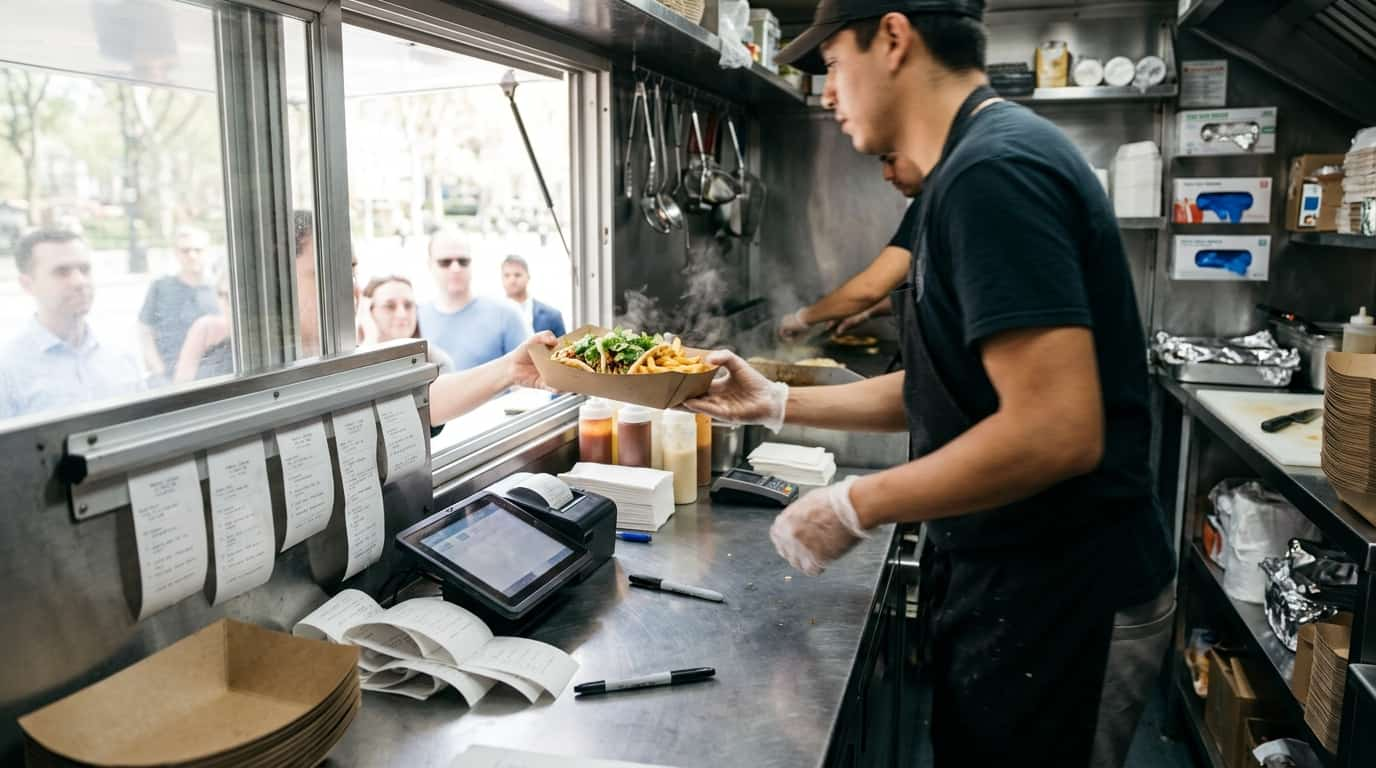
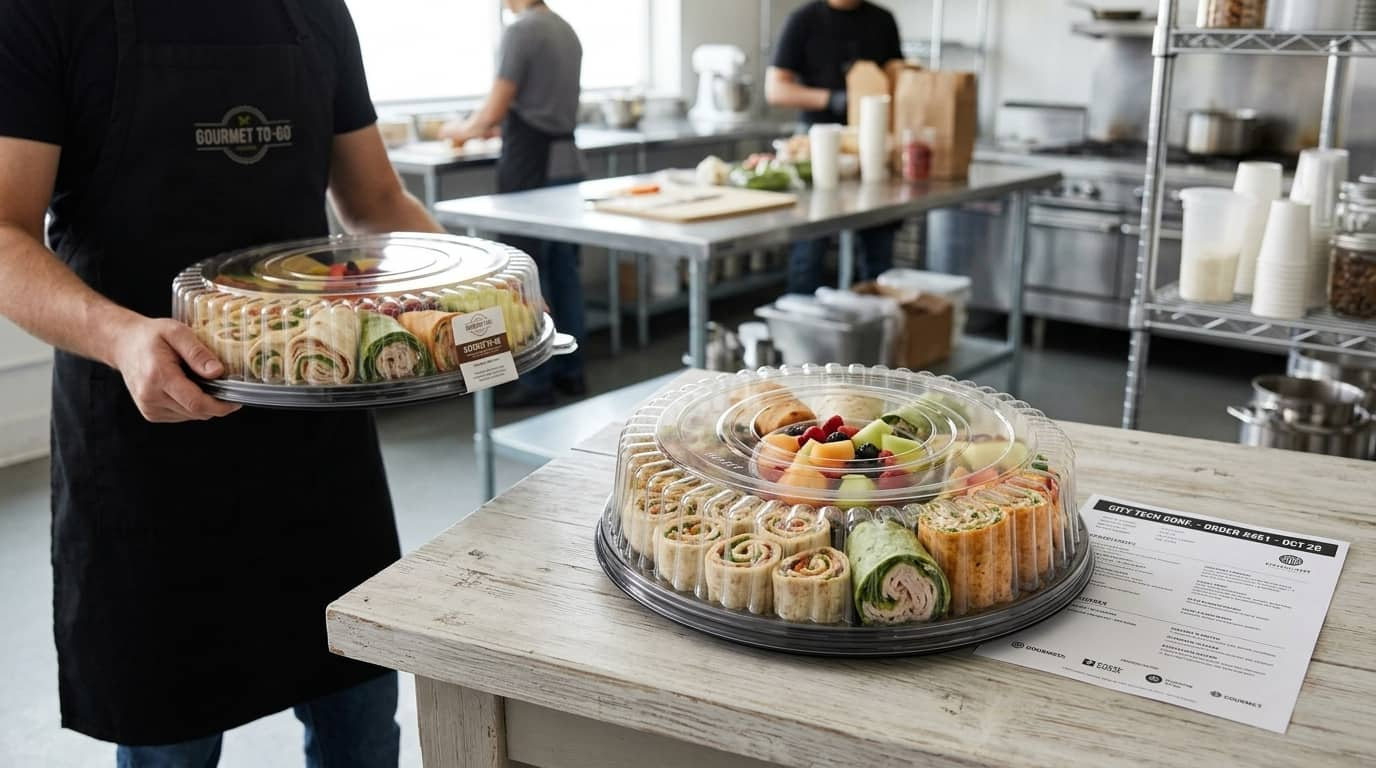
Food truck rushes can stall at the order window, cook line or handoff. Learn how to identify bottlenecks, test practical fixes and make packaging part of a smoother service.
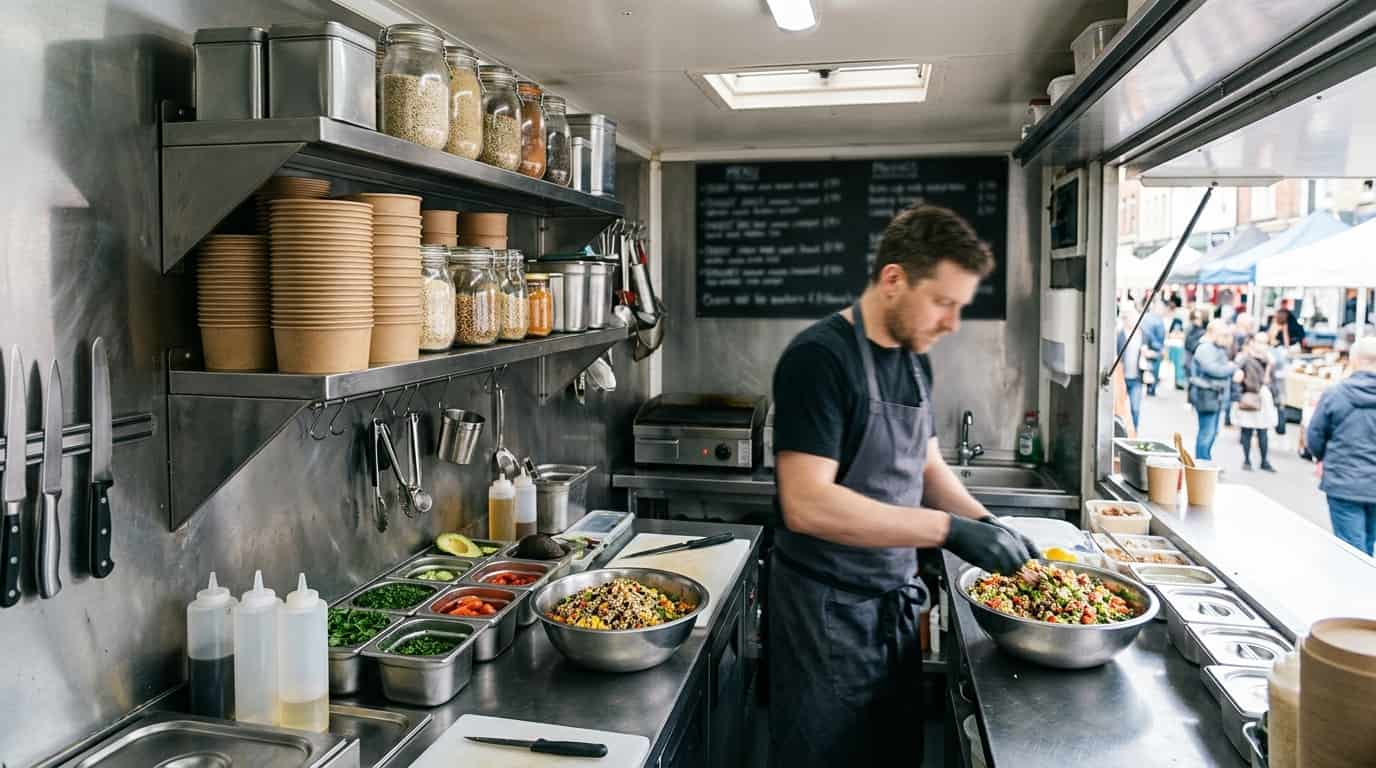
Practical ways for food truck operators to manage limited storage space using workflow zones, vertical and hidden storage, stackable containers, and tighter inventory control.
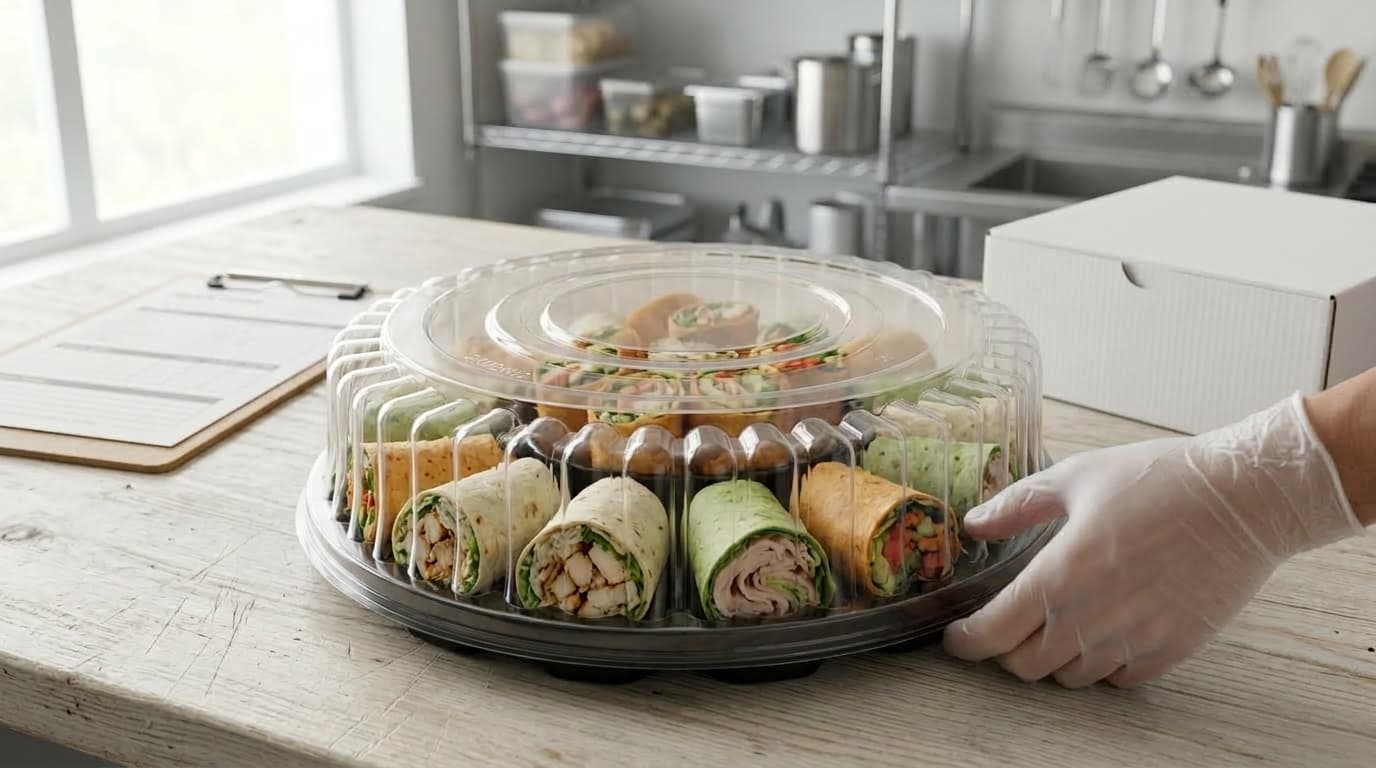
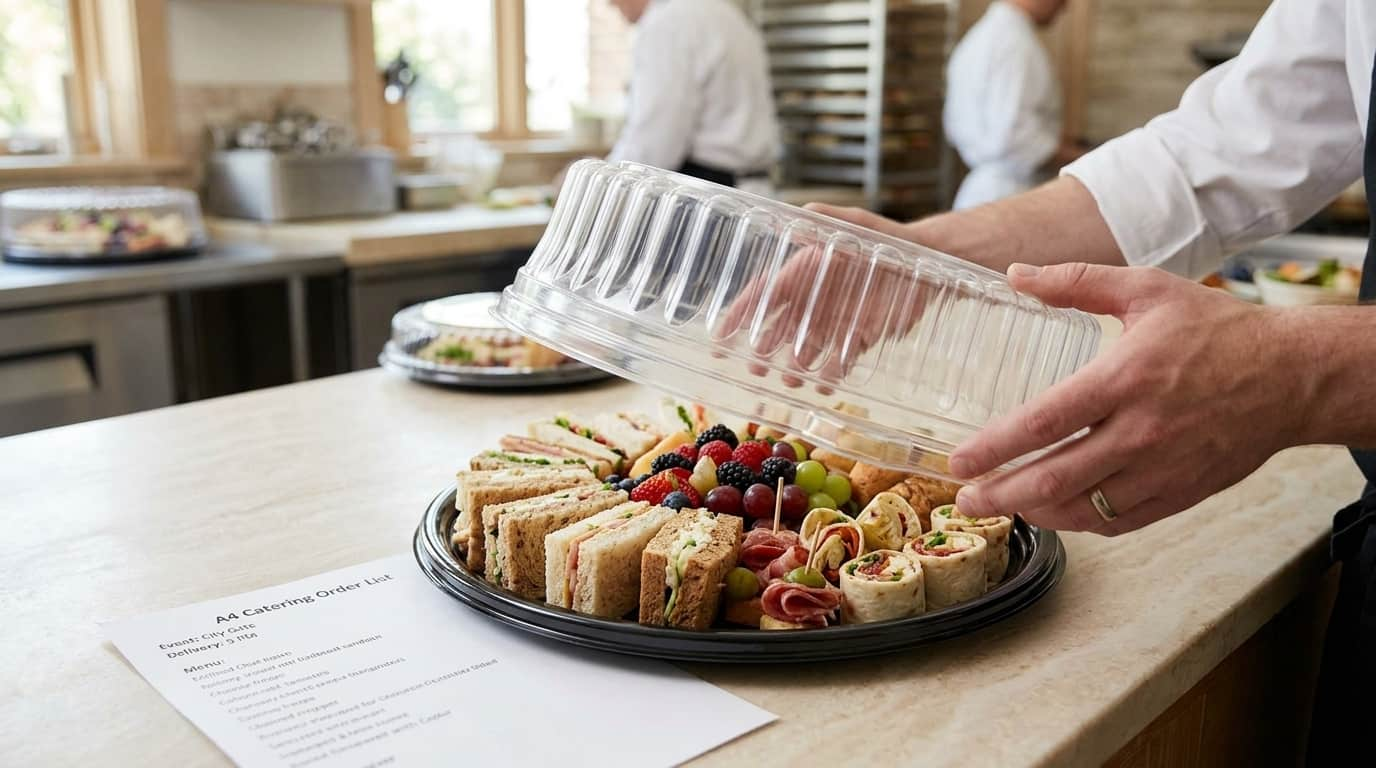
A practical guide to calculating catering quantities from real dish yields rather than generic per-person rules. It shows caterers how to turn guest counts into tray quantities, build a sensible buffer from their own job history and connect the food calculation to the packaging order.
Choosing a wholesale food packaging supplier starts with knowing whether an item is stocked or made to order. Learn what to check before committing to a case.
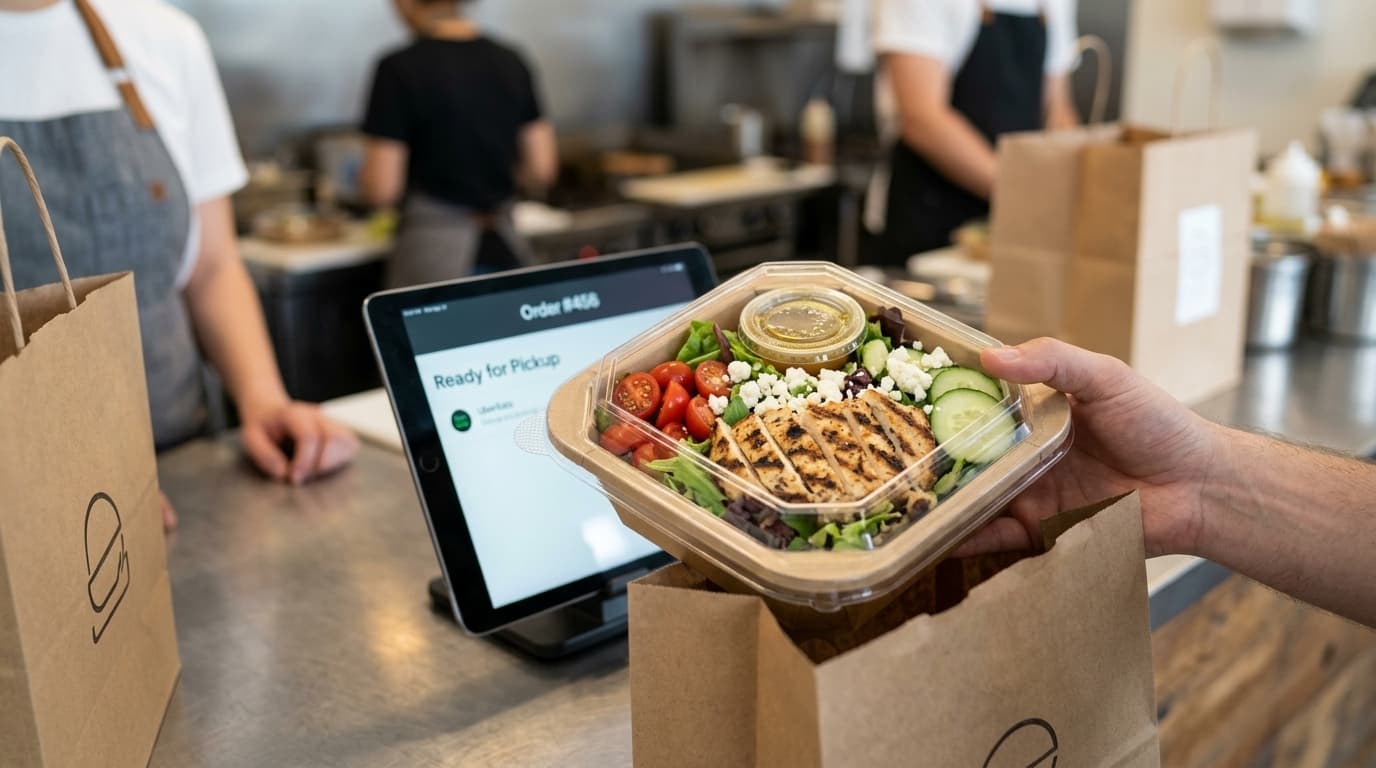
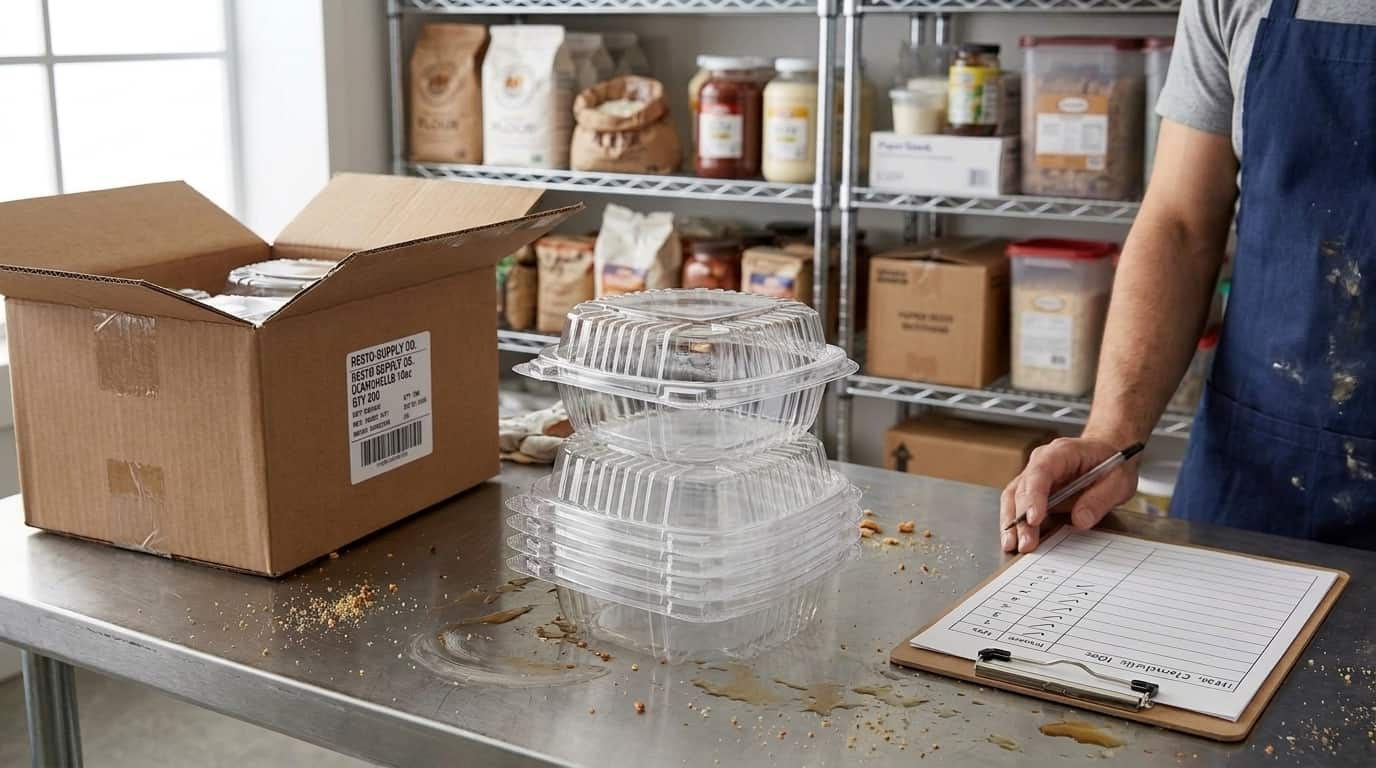
Restaurant packaging inventory management works best as its own count, separate from food. Track it by SKU, not as one paper goods line. Pick one unit, cases or eaches, and stick with it. Count on a set cadence, focus on the SKUs that carry the most volume, and cover every storage spot. Once the count is reliable, it feeds straight into your reorder points.
A reorder point is the stock level that tells you to place your next packaging order. Work it out as average daily usage across your replenishment lead time, plus safety stock. Then convert that raw number into whole cases, because cases are how most packaging is sold. Set one trigger per SKU, round it up, and revisit it before a known busy stretch.
A good wholesale packaging minimum order quantity is one that matches what you would buy anyway, rather than treating a supplier's minimum as a recommended quantity. The high minimums you see online often come from custom packaging runs. Stocked disposables run on a separate rulebook, and the minimum shifts by SKU. Check the pack size before you assume you need a full case, then size your first order from real usage.
The common catering mistakes to avoid are rarely menu mistakes. They happen after the food is cooked, in the six stages between your kitchen and the guest: the order, the prep clock, the pack, the drive, the handoff and the service. This guide names the mistake living in each stage and points you to the fix. Start by auditing your last three jobs.
The challenges caterers face all start in the same place: the moment food leaves your building you stop controlling temperature, timing, plating and service. This guide walks a job in order, from guest count to handoff, and gives each challenge a mechanism instead of a platitude. Start by rebuilding your prep schedule around departure time.