Events, Catering & Foodservice Concepts
-
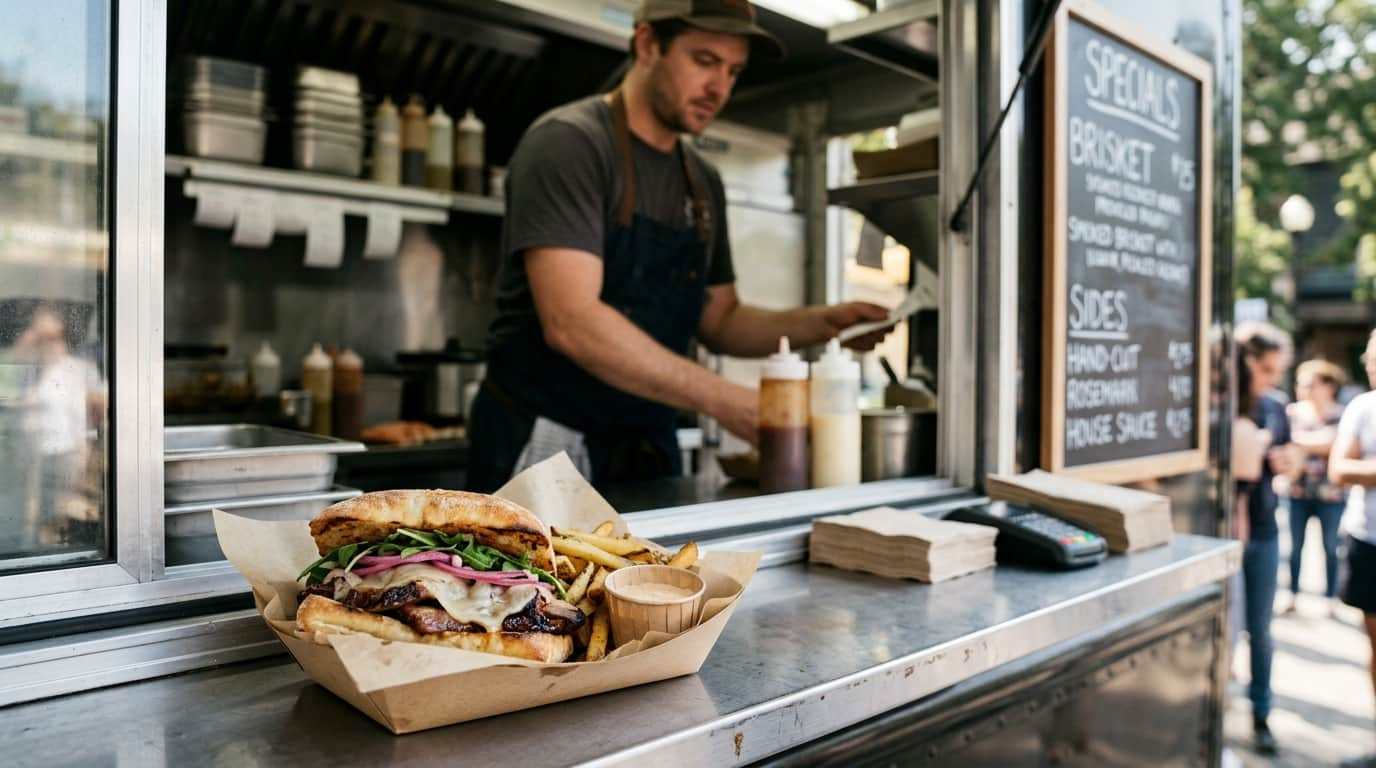
There is no proven magic number for a food truck menu. Use busy-shift demand, prep complexity, board readability and packaging needs to decide what earns a spot.Read more »
-
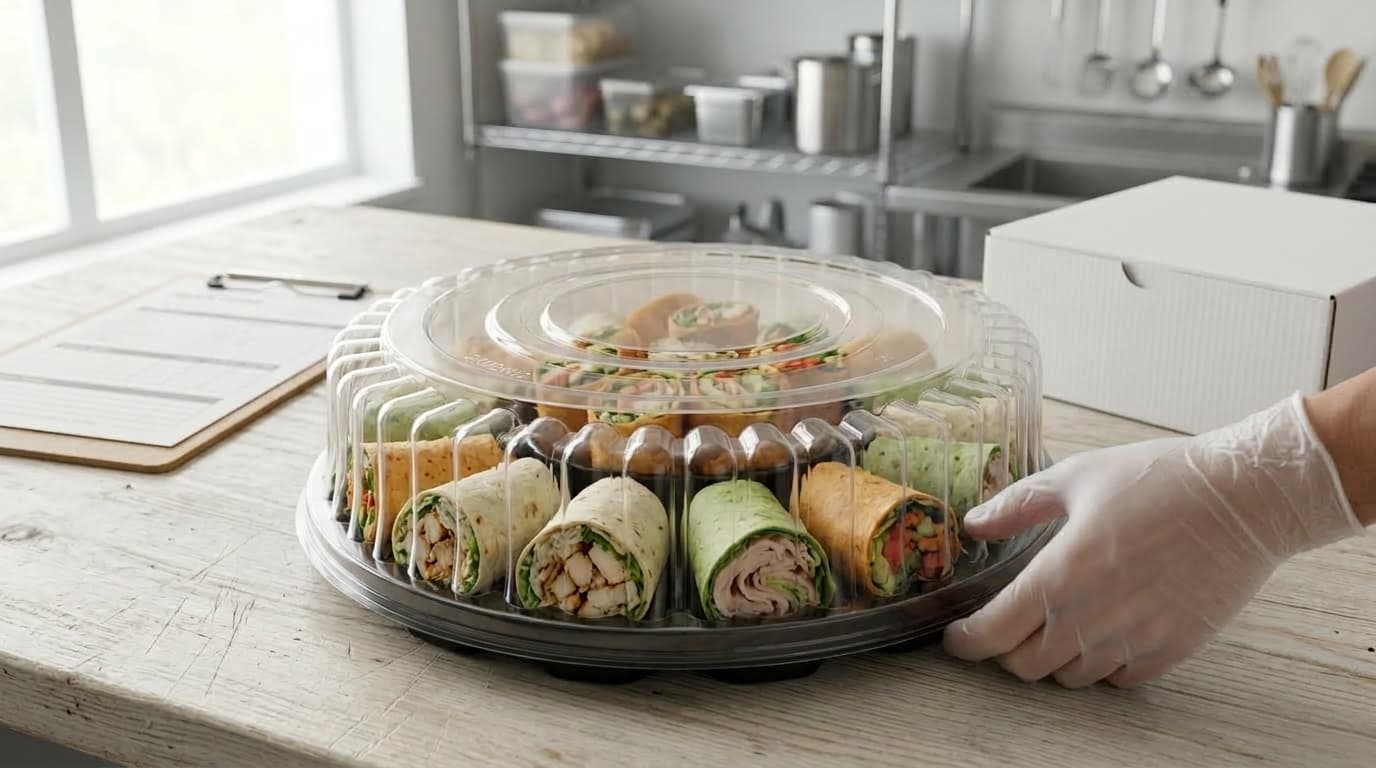
A practical guide to calculating catering quantities from real dish yields rather than generic per-person rules. It shows caterers how to turn guest counts into tray quantities, build a sensible buffer from their own job history and connect the food calculation to the packaging order.Read more »
-
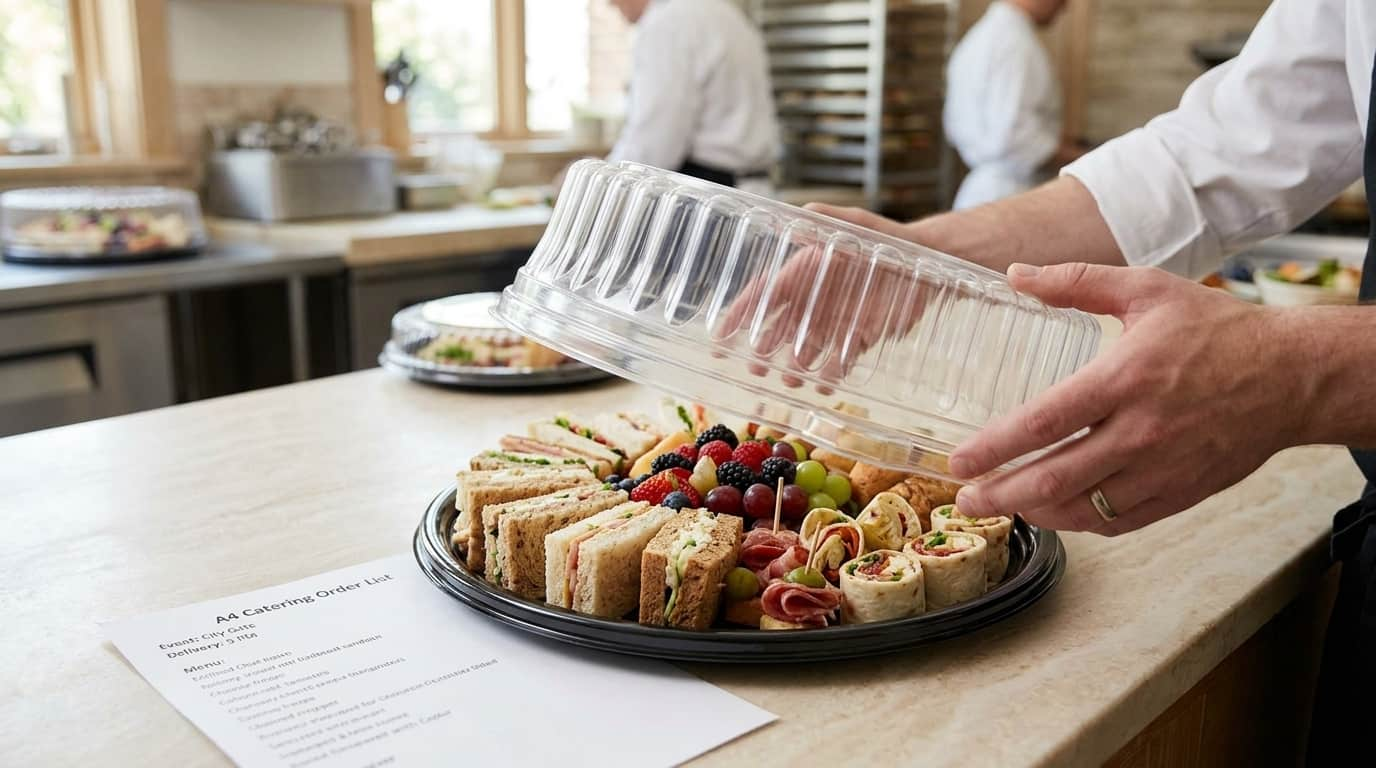
The common catering mistakes to avoid are rarely menu mistakes. They happen after the food is cooked, in the six stages between your kitchen and the guest: the order, the prep clock, the pack, the drive, the handoff and the service. This guide names the mistake living in each stage and points you to the fix. Start by auditing your last three jobs.Read more »
-
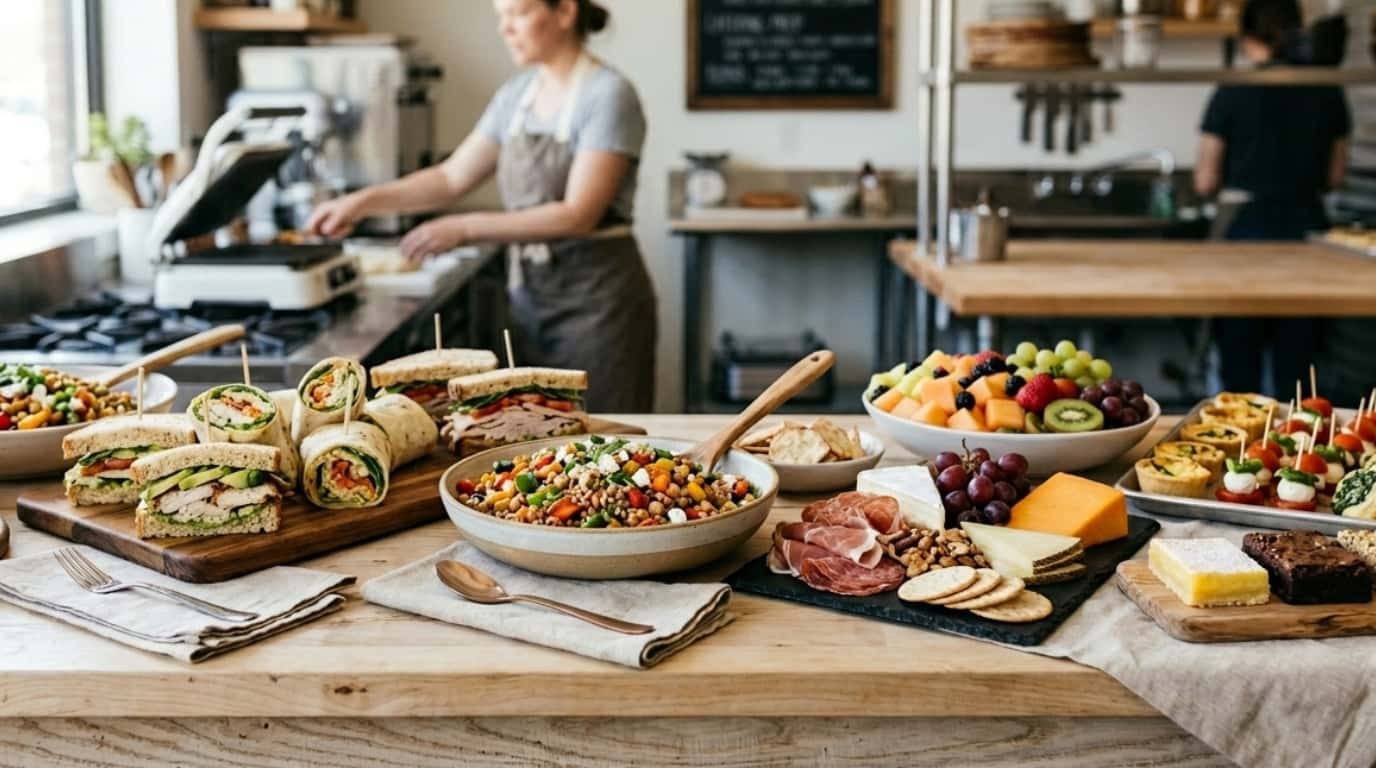
A good catering menu is not your best retail dishes in bigger portions. It is a short list of items that survive a journey, hold without a kitchen, portion the same way every time, and pack into something you can buy by the case. This guide gives you the four tests a dish has to pass, and a way to try one before it ever reaches a client.Read more »
-
The challenges caterers face all start in the same place: the moment food leaves your building you stop controlling temperature, timing, plating and service. This guide walks a job in order, from guest count to handoff, and gives each challenge a mechanism instead of a platitude. Start by rebuilding your prep schedule around departure time.Read more »
-
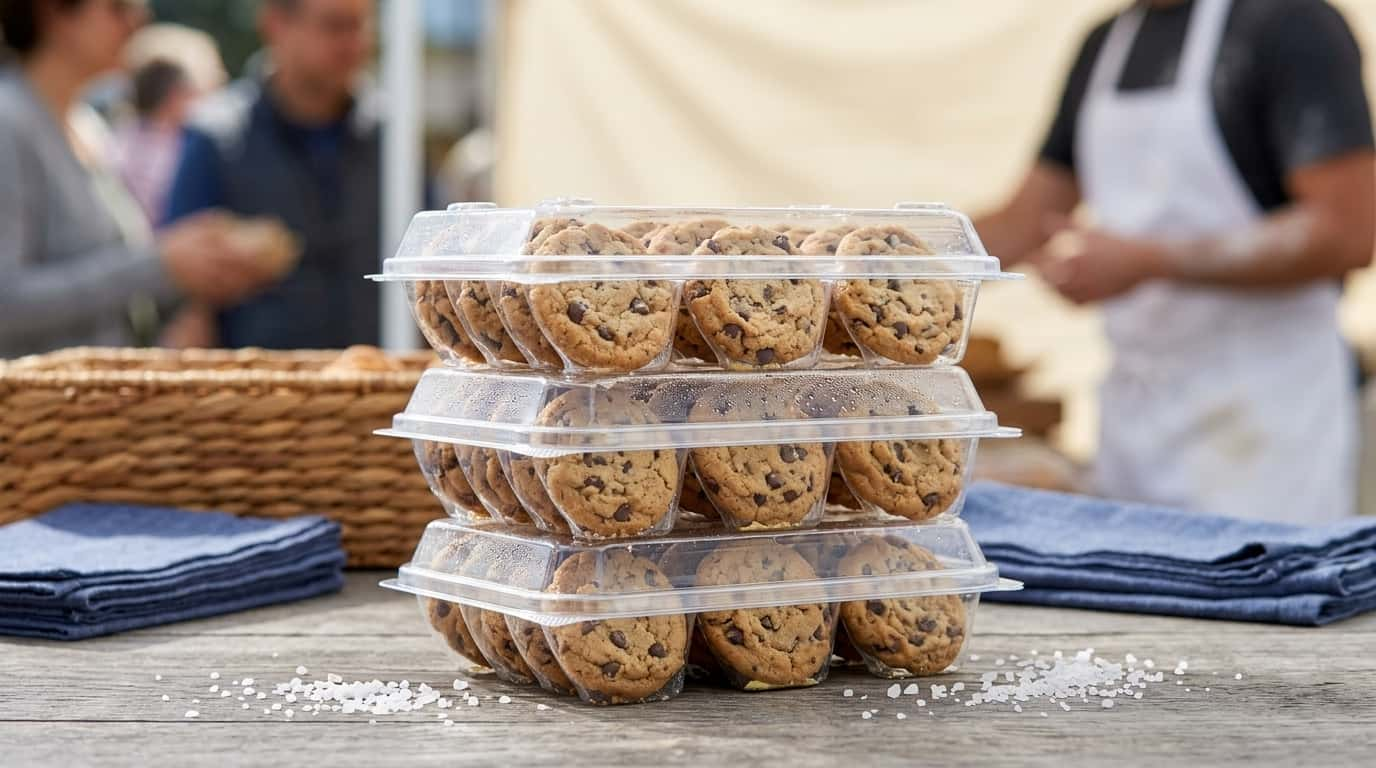
Bakery packaging for farmers markets, pop-ups, and small retail spaces is a completely different problem from packaging for a climate-controlled display case. Outdoor heat warps some containers, transport damages others, and customers make their approach decision from 6 feet away before they ever pick up your product. This guide covers which materials survive outdoor conditions, what cottage food labels must legally say, and how to build a display that converts from a distance.Read more »
-
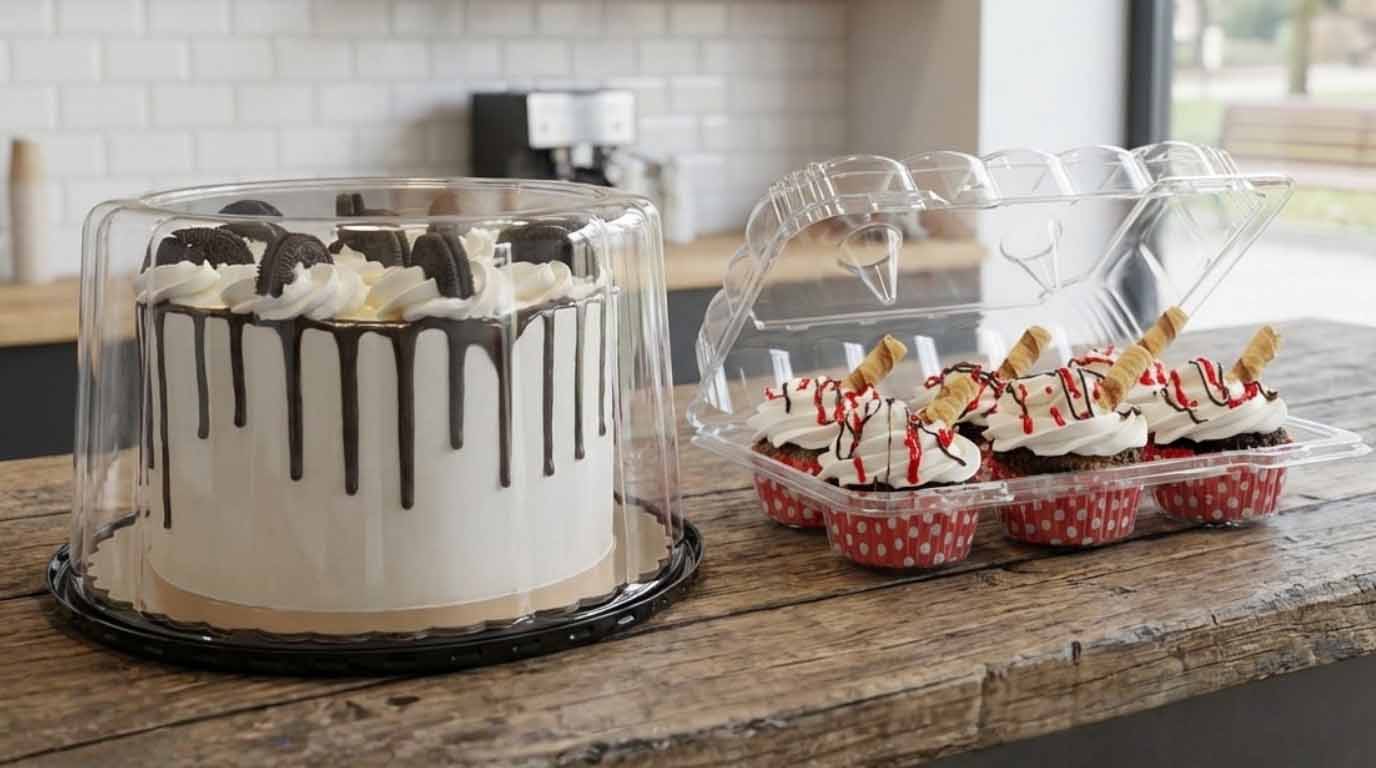
Knowing how to package cupcakes for sale, alongside cakes and cookies, is the difference between a product that arrives perfectly and one that lands crushed. This guide gives you exact container sizes, dome clearance specs by frosting style, material comparisons, and a count-format guide by sales channel. Get these four things right, and your packaging works as hard as your baking does. Start with the sizing tables below.Read more »
-
Read more »
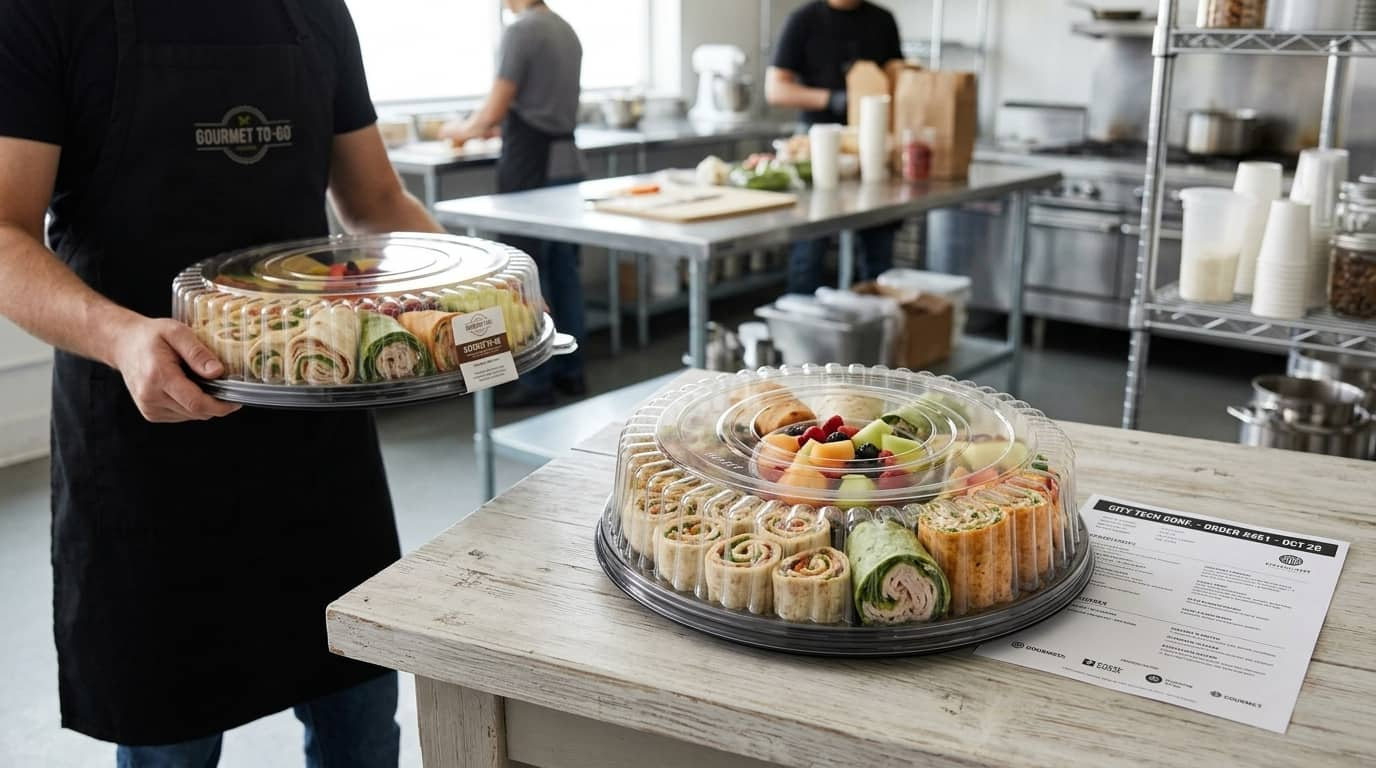
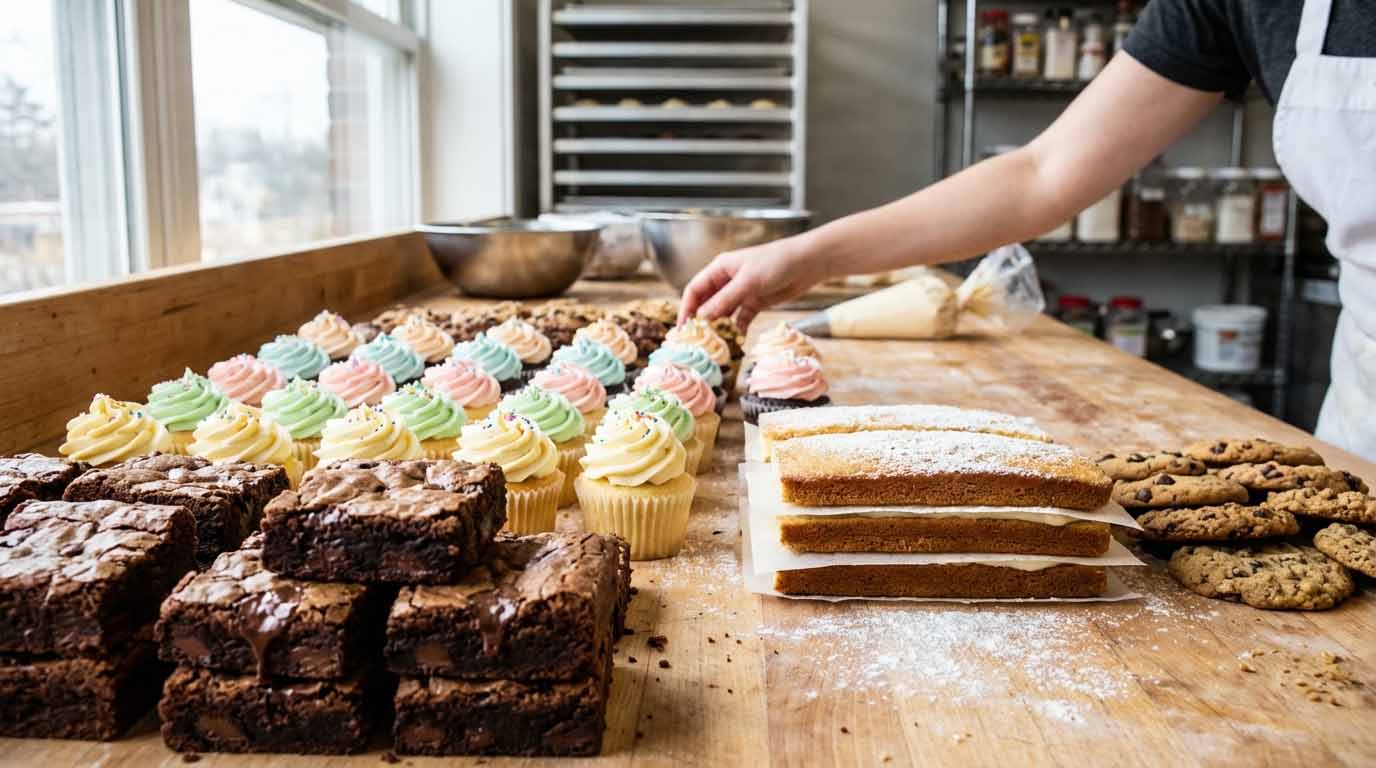
Thinking about adding catering to your bakery business but don't know where to start? How to start catering as a small bakery begins with choosing one simple service lane, setting protective minimums, and pricing your labor correctly from day one. Too many bakers jump into catering without capacity, only to burn out or lose money on every order.
Catering looks tempting. Corporate orders, wedding cakes, dessert platters for 200 guests. But here's what nobody mentions upfront: catering will either scale your bakery smartly or wreck your production schedule. The difference comes down to knowing when you're ready, what to offer first, and how to charge without leaving money on the table.
At Plastic Container City, we work with thousands of food professionals across the U.S. We've watched bakeries grow into six figure catering operations and
-
Read more »
Ever finish a custom cake order and realize you barely broke even?
Learning how to price custom cakes correctly starts with calculating your true cost per item (ingredients + labor + overhead + waste), then multiplying by 4 to 7 to set your selling price.
-
Read more »
How to expand your bakery business comes down to one question: are you ready to think beyond just selling more bread from your current location? The smartest bakers are building multi-channel operations that blend wholesale contracts, digital ordering, and strategic partnerships to capture growth in the