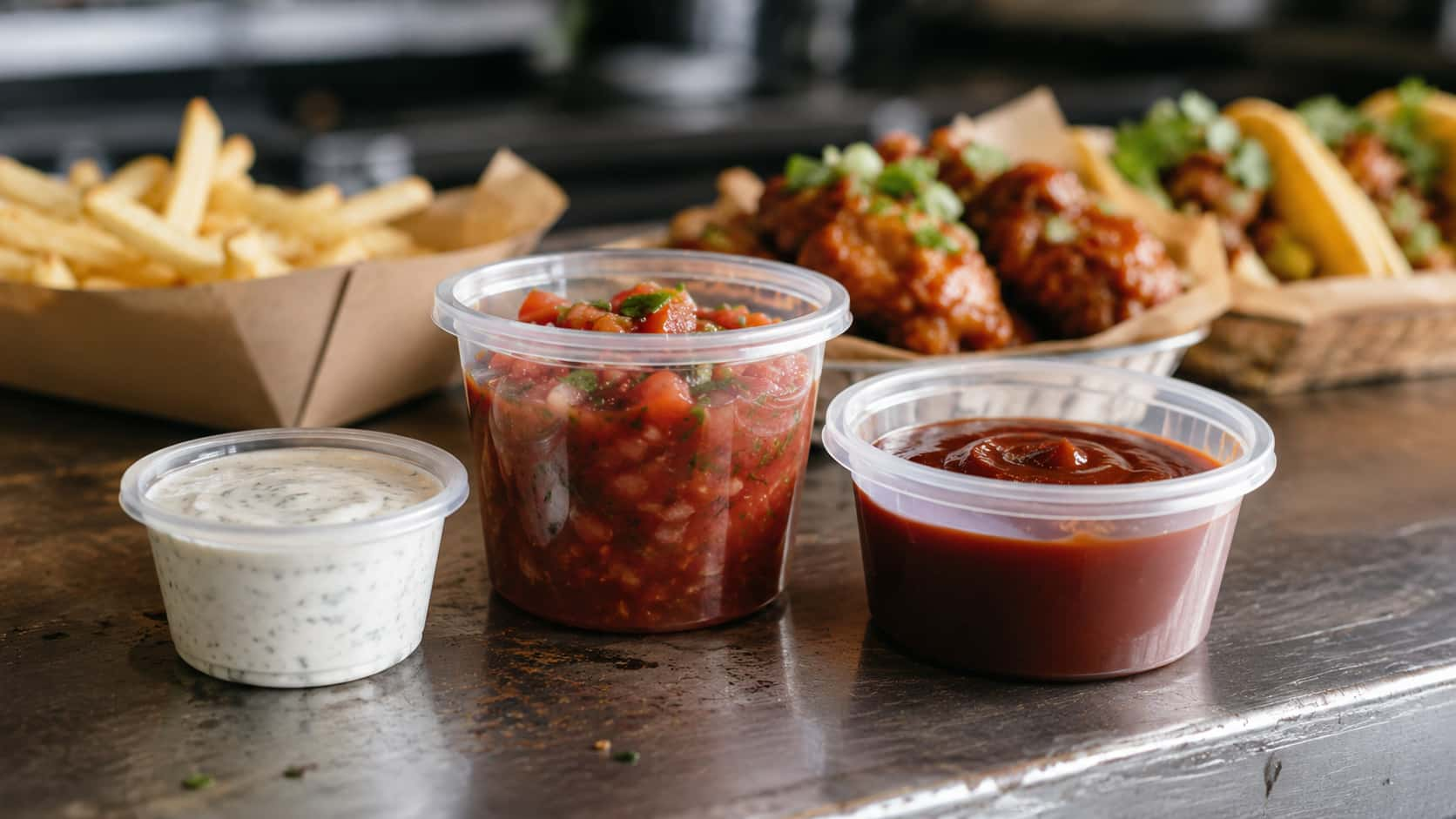
Getting portion cup sizes right helps restaurants control sauce costs and reduce waste. Most menus only need three core sizes for sauces, dips, and dressings. Use souffle cups for dine in service and lidded cups for takeout and delivery. The goal is simple: less guessing, less overfilling, and fewer cup sizes to manage.
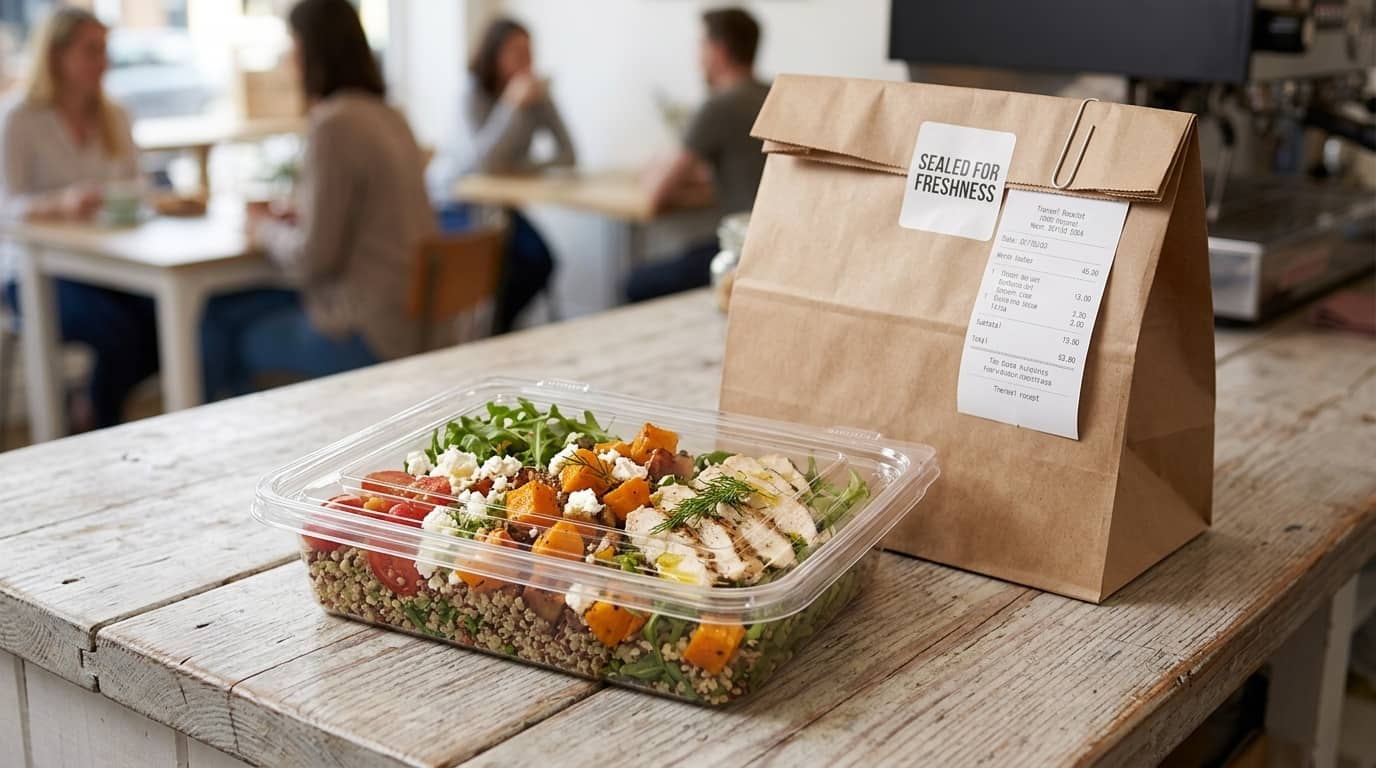
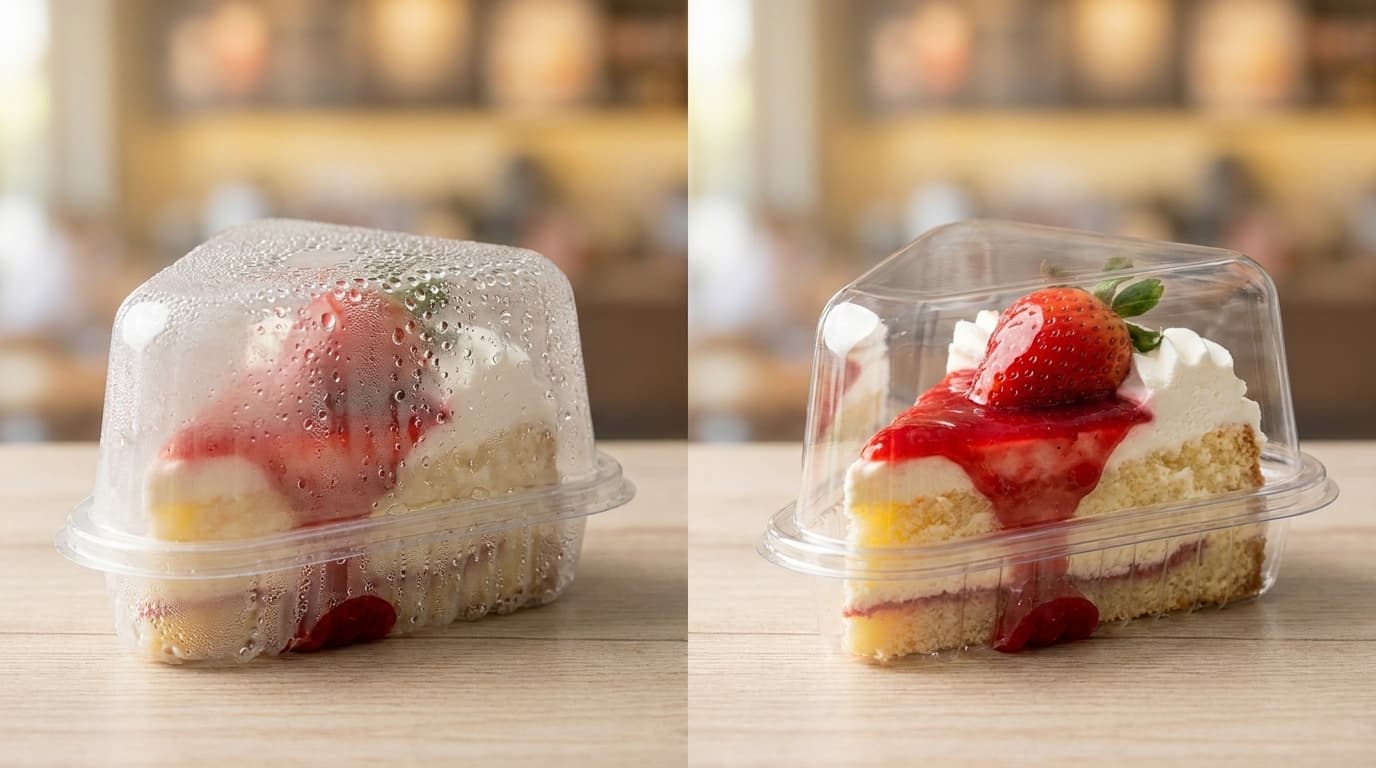
Preventing spills, condensation, and crushed food in delivery packaging comes down to three fixable failure modes: weak lid seals, trapped steam, and poor stacking. Spills need better closure mechanics. Condensation needs steam control. Crush damage needs stronger container geometry. Fix those three, and damaged orders stop feeling like a normal cost of delivery.
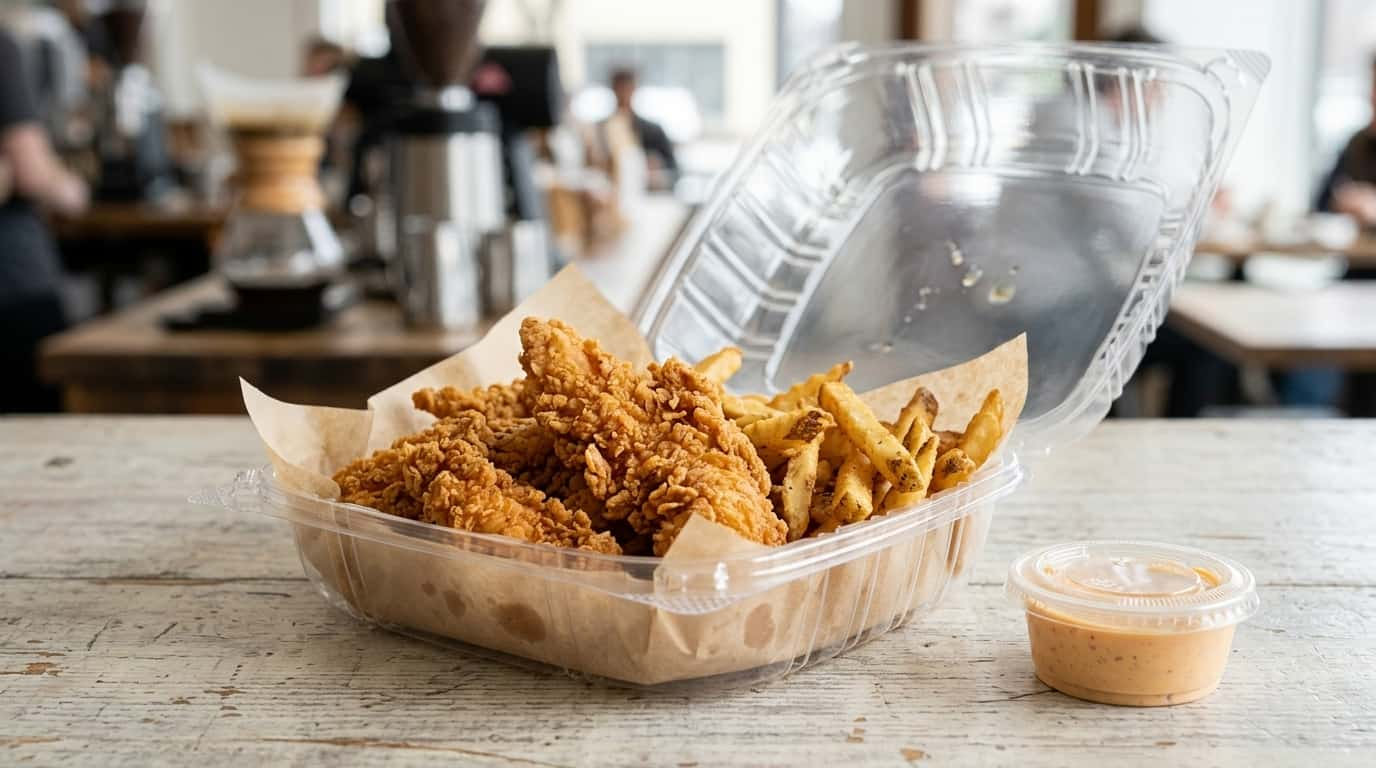
Knowing how to keep fried food crispy in takeout containers comes down to two root causes: steam trap and oil migration. Fix both by resting food on a wire rack for 2 to 3 minutes before sealing, choosing a vented PP #5 clamshell, lining the base, avoiding crowding, and packing sauces separately. Long holds need a partial cooling protocol. The right container matters, but protocol matters equally.
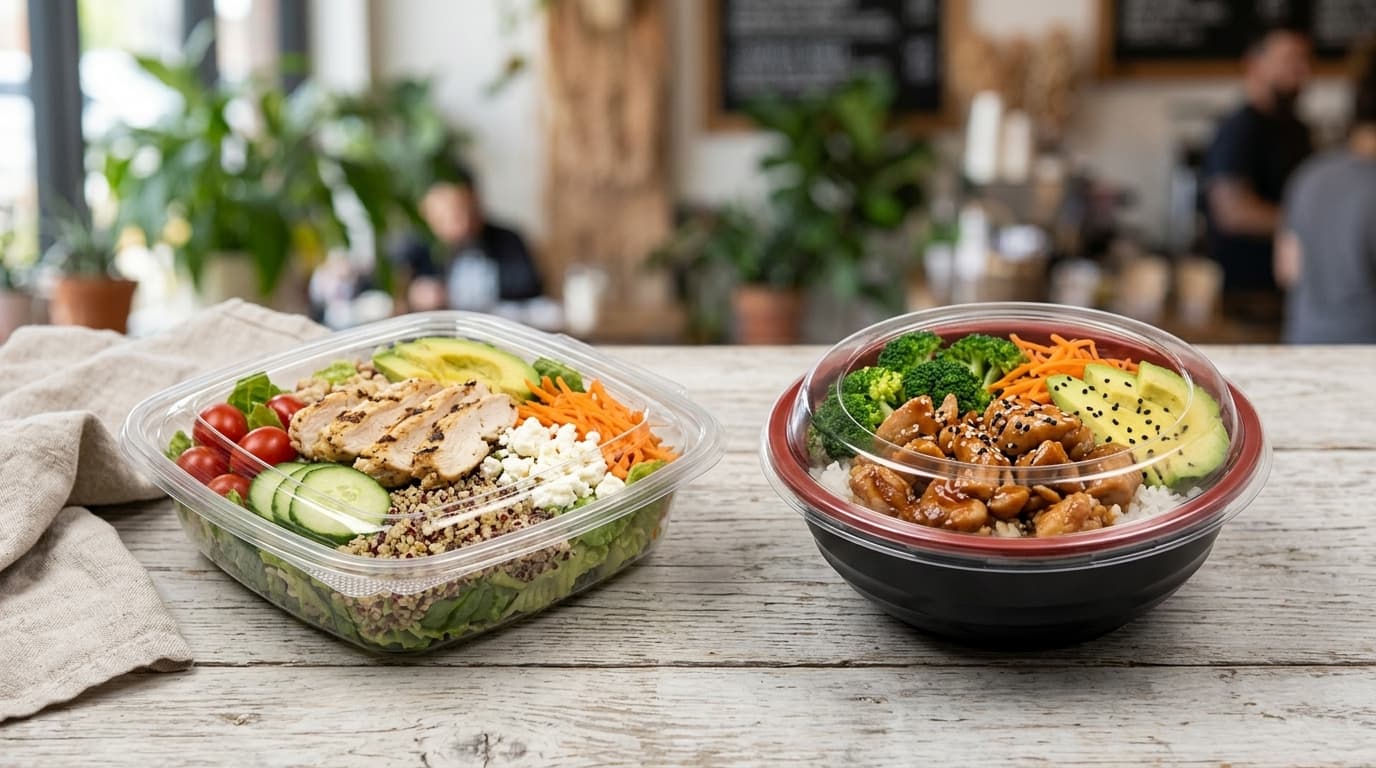
Knowing how to choose takeout containers for your restaurant comes down to three decisions: material, size, and compliance. Polypropylene handles hot food. PET is the call for cold display and grab-and-go. Foam is being phased out across a growing number of U.S. states. A three-size core system, with 48 oz added only when family portions or catering call for it, covers most menus without the storage chaos. Get these right and your containers work with your food, your customers, and your local regulations.
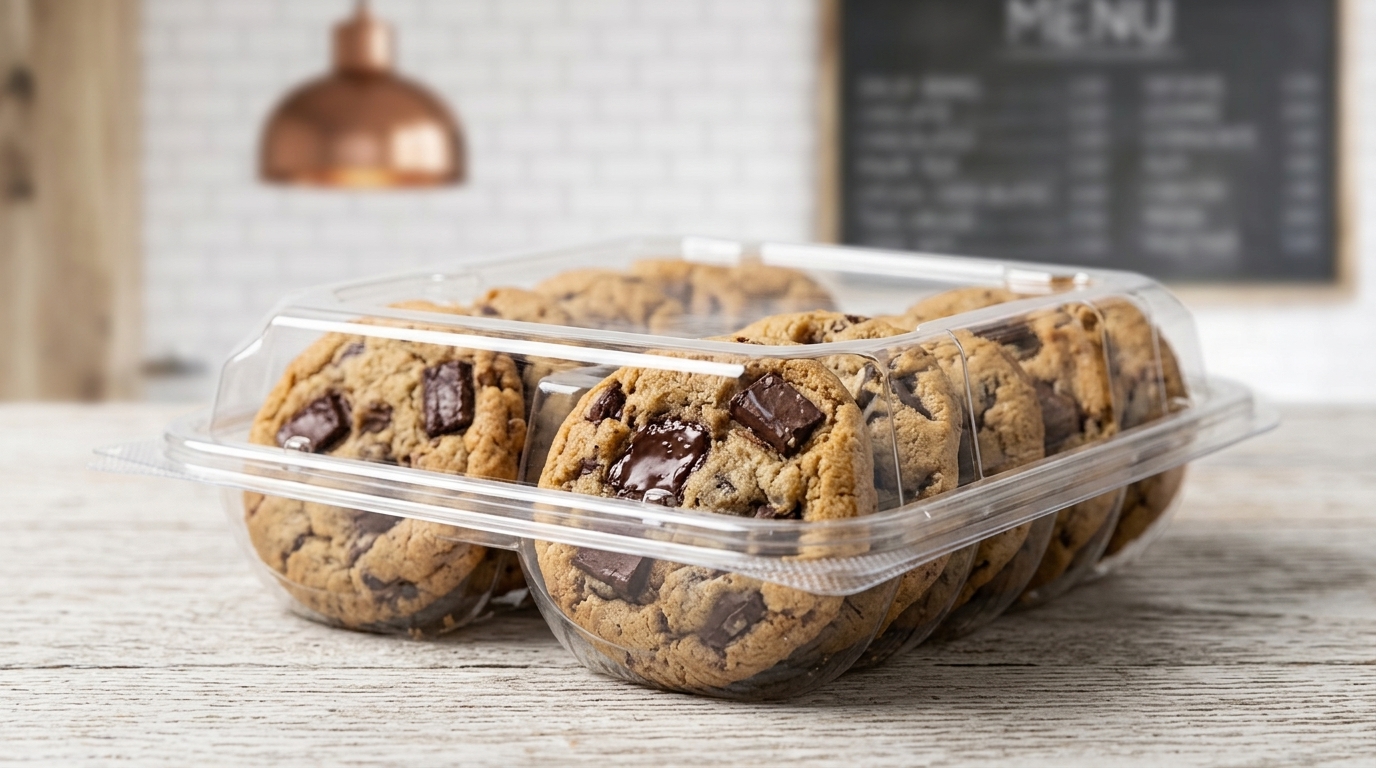
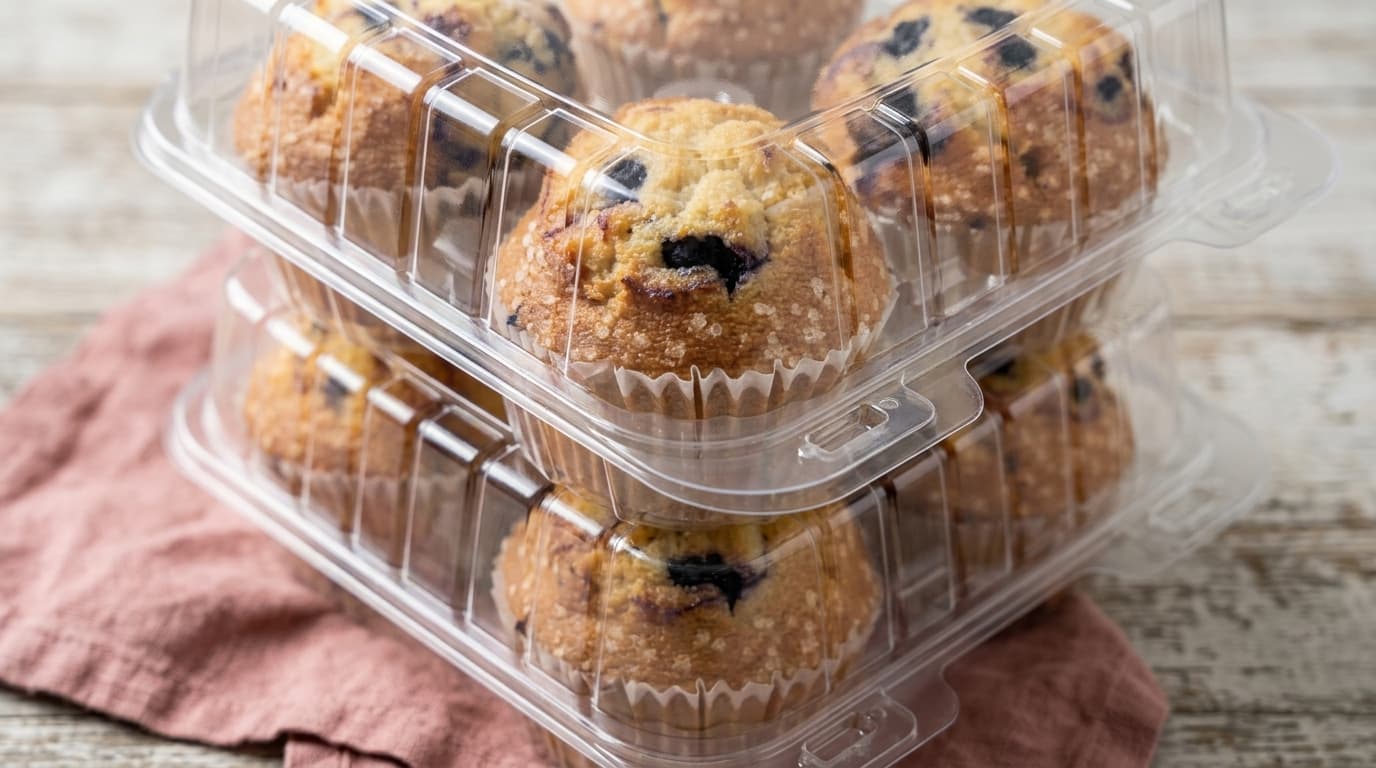
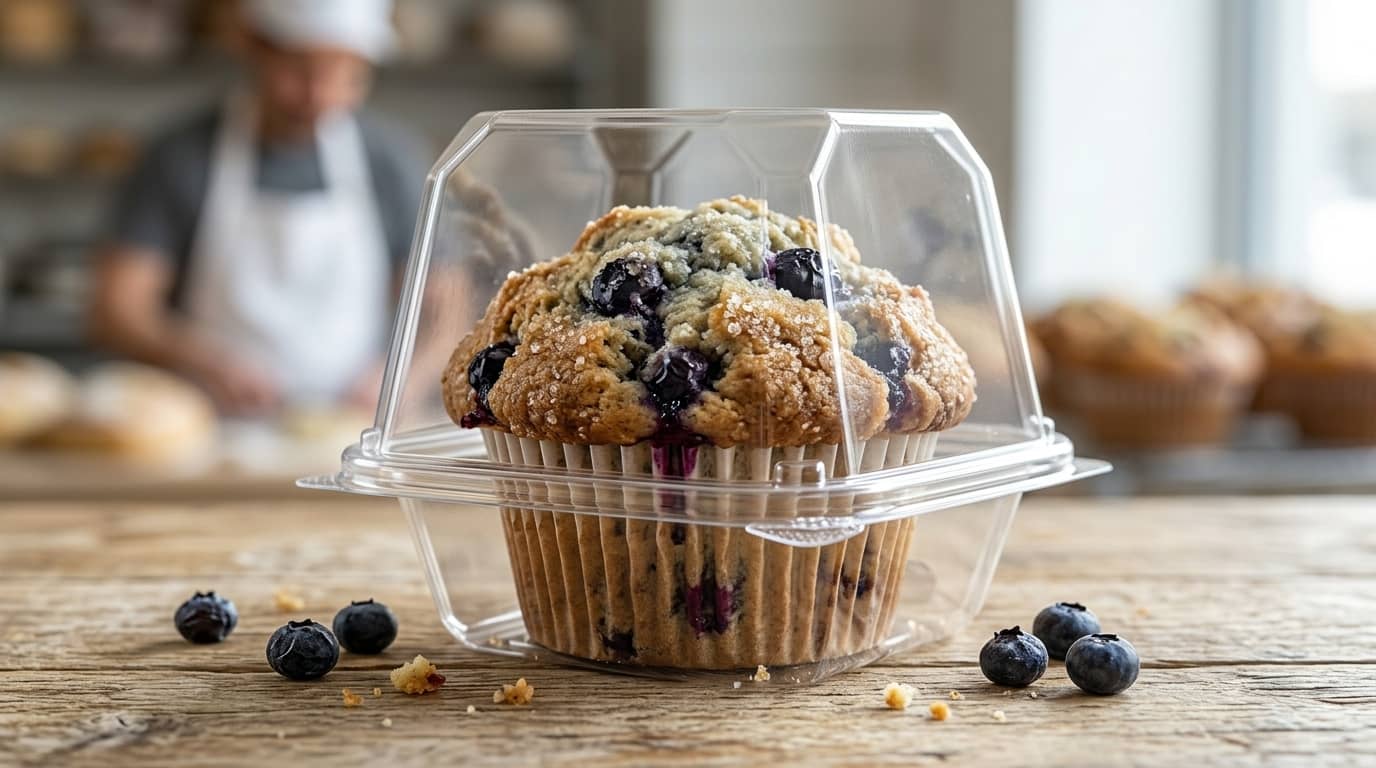
Foam bans are now live in 12 U.S. states plus Washington D.C., with more deadlines approaching. The primary replacement for bakery packaging is clear PET (rigid plastic) clamshells, which protect products, keep them fully visible, and work across nearly every bakery format. Paper, bagasse, and PLA bioplastic each serve specific narrower use cases. This guide breaks down which material fits which product, what freshness looks like after the switch, and what the cost reality actually is.
Foam food service containers are now banned in 12 U.S. states plus Washington D.C., with Connecticut pending and Hawaii handled county by county. The most urgent deadline for 2026 is Virginia, where the ban extends to ALL food vendors on July 1, 2026. This guide gives you a state-by-state reference table, penalty figures, and the practical steps to take if your state is already covered.
Bakery packaging freshness is more precise than most operators realize. The wrong headspace, a packaging material that off-gasses, or sealing product five degrees too warm can undo hours of baking work. This article covers moisture science, material trade-offs, and the packaging calls that quietly damage perceived quality, including why "airtight" is not always the right answer for every bakery item.
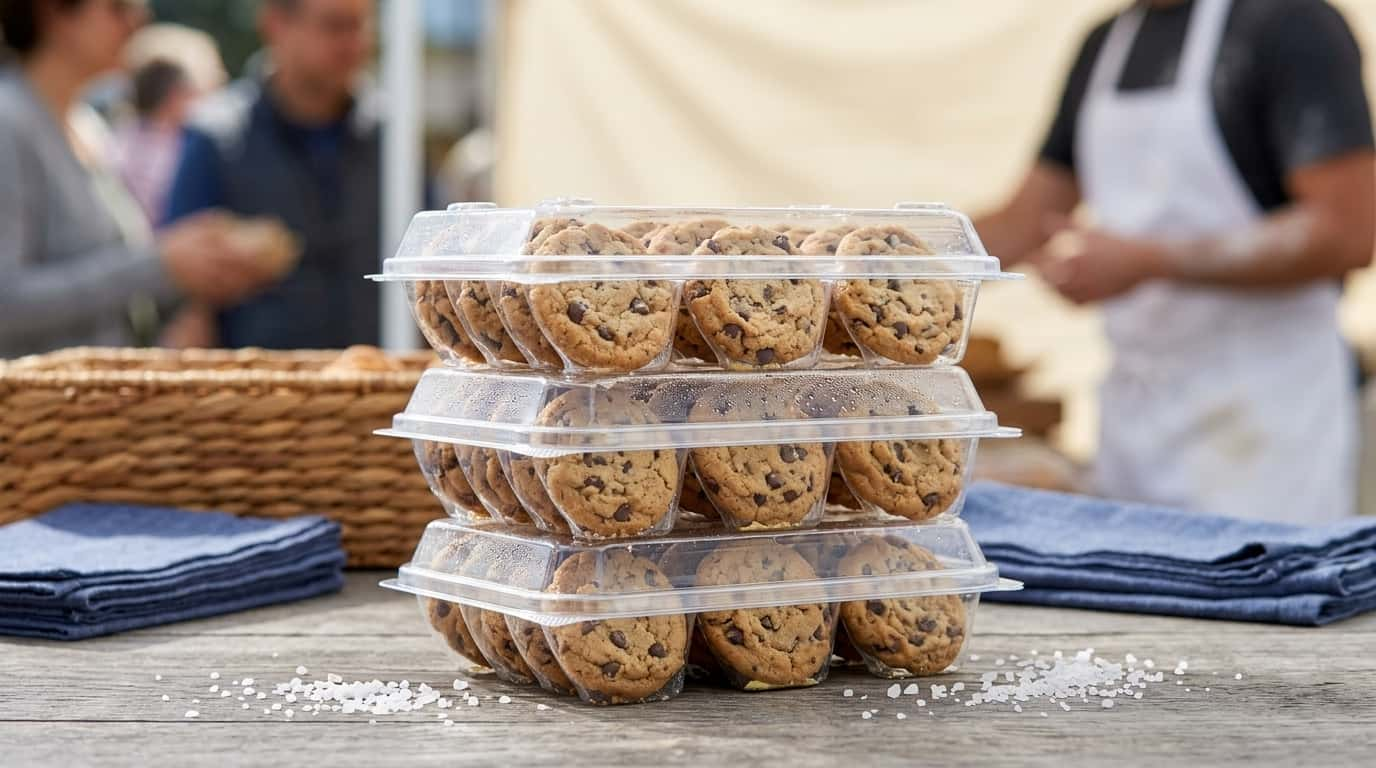
Bakery packaging for farmers markets, pop-ups, and small retail spaces is a completely different problem from packaging for a climate-controlled display case. Outdoor heat warps some containers, transport damages others, and customers make their approach decision from 6 feet away before they ever pick up your product. This guide covers which materials survive outdoor conditions, what cottage food labels must legally say, and how to build a display that converts from a distance.
Tamper evident packaging for bakery products is not a blanket legal requirement, but it kicks in the moment your product leaves your direct control. Wholesale accounts, shipped online orders, and unattended self-service displays each carry different expectations. This guide tells you exactly which scenario applies, what the three key terms actually mean, which containers already qualify, and how to protect your business if something goes wrong.
The refrigerated vs. dry bakery display case decision comes down to your product's formula, not its category name. Cupcakes with cream cheese frosting are refrigerated. Cupcakes with American buttercream are dry ambient. Get it wrong in either direction and you have a food safety issue or a product quality problem. This guide covers the frosting and filling decision guide, what refrigeration does to dry items, and what changes about packaging in a cold display case.