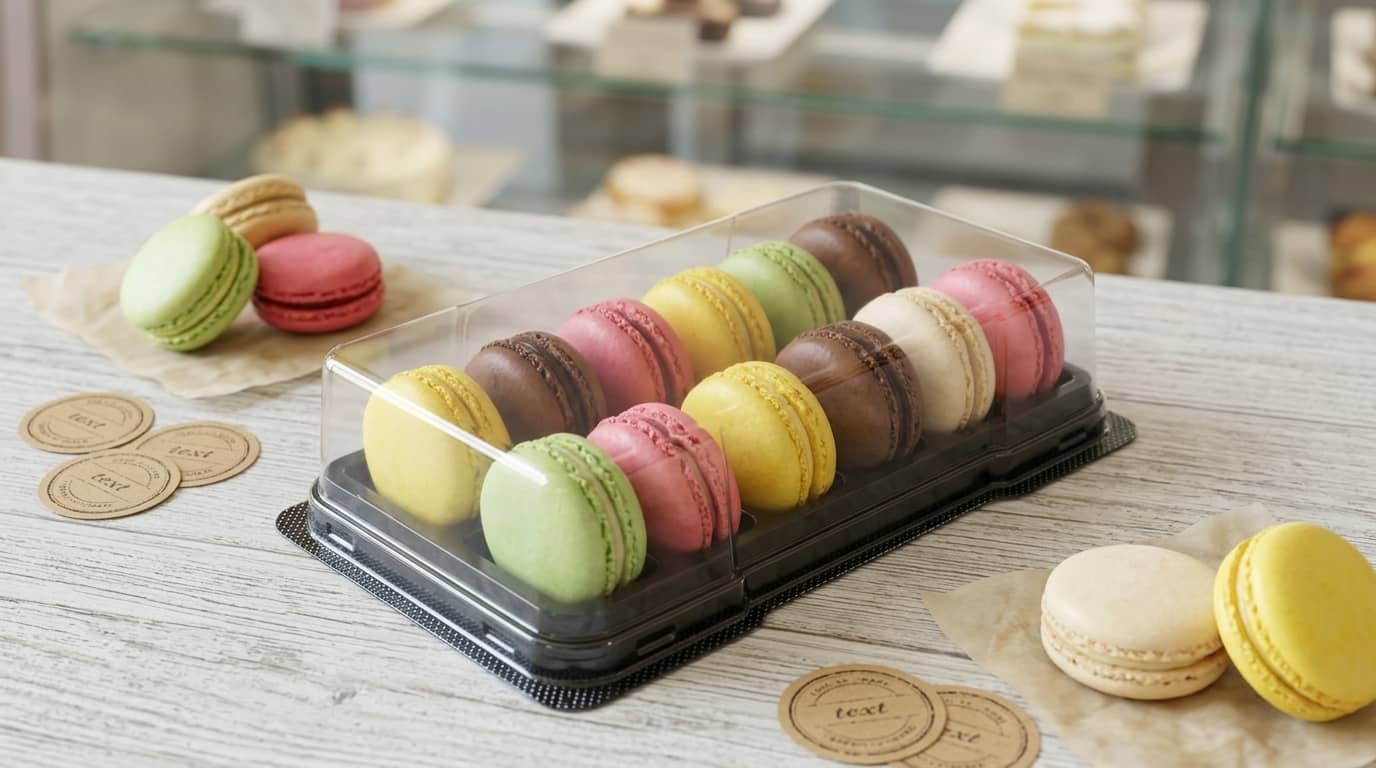
Figuring out how to package macarons to sell starts with one enemy: humidity. A clear, rigid container with a snap-shut airtight closure helps protect shell texture, supports the structure, and shows the product off, without pushing the operator into a custom packaging route. Match the container to your batch size, mind your filling type, and let the package do the selling.
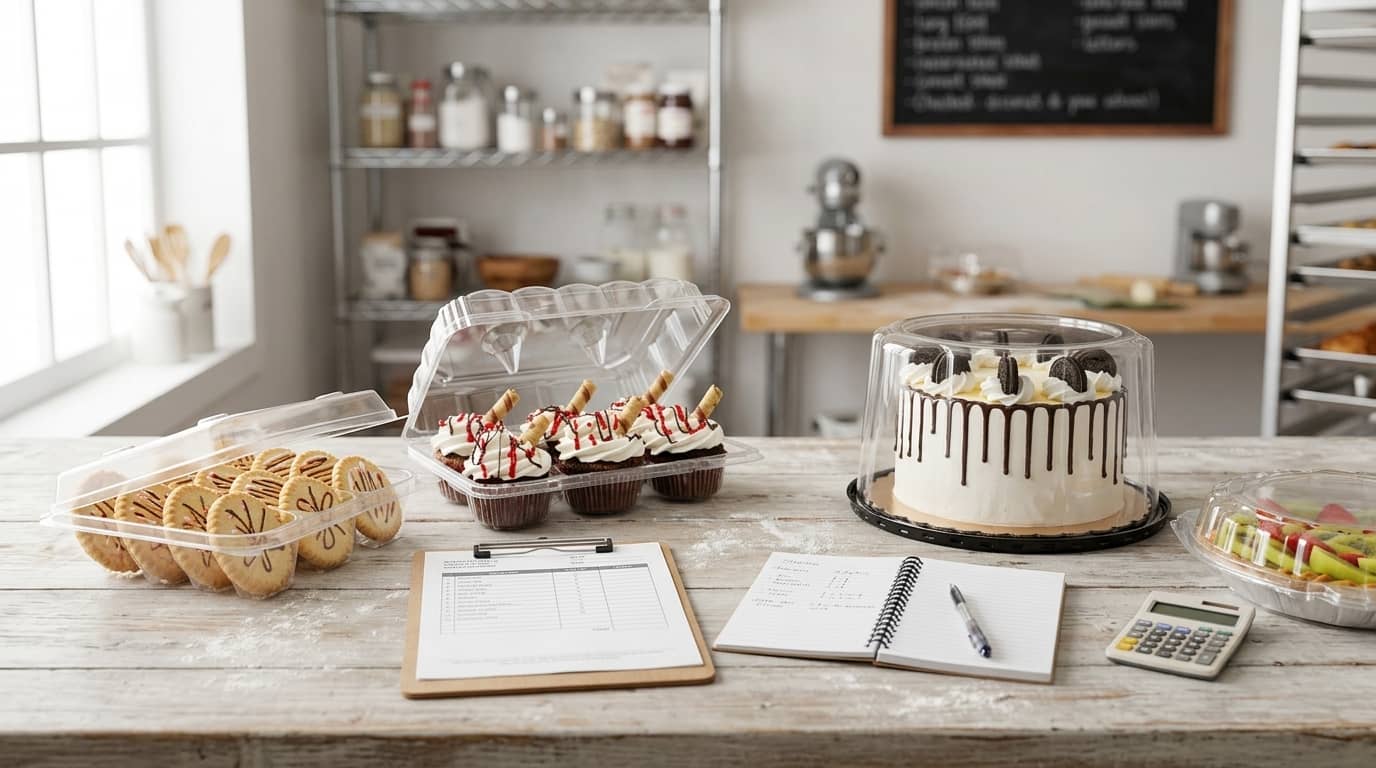
Knowing how to package bakery desserts to sell comes down to one habit: match the container to the product, not the price sheet. Cake slices, cookies, pies, and macarons each need different things from height, stability, visibility, and selling channel. Get those four factors right and you protect the product, support cleaner handoffs, and stop buying container types you do not need. This guide frames the decision, then points you to the full detail for each.
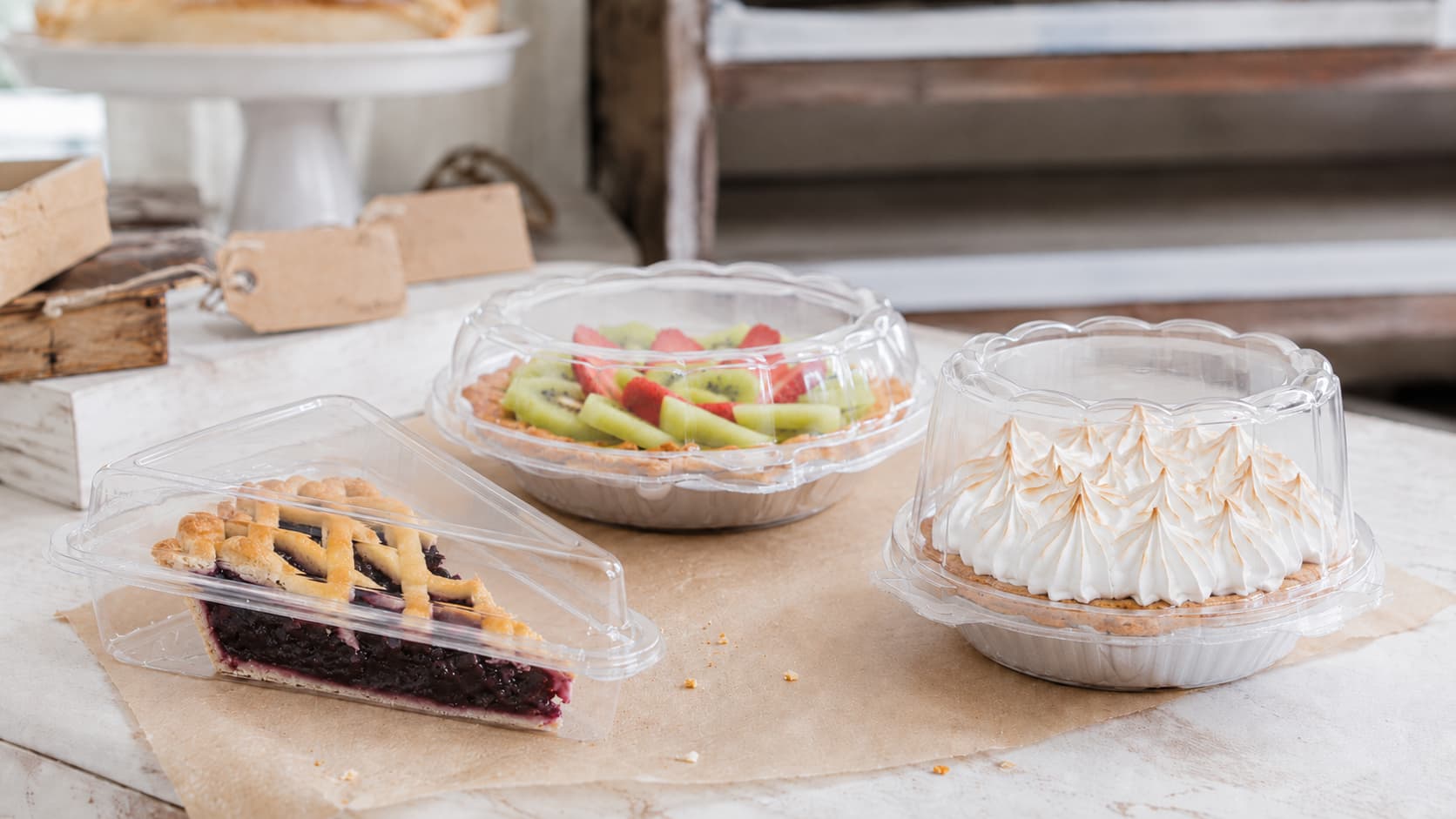
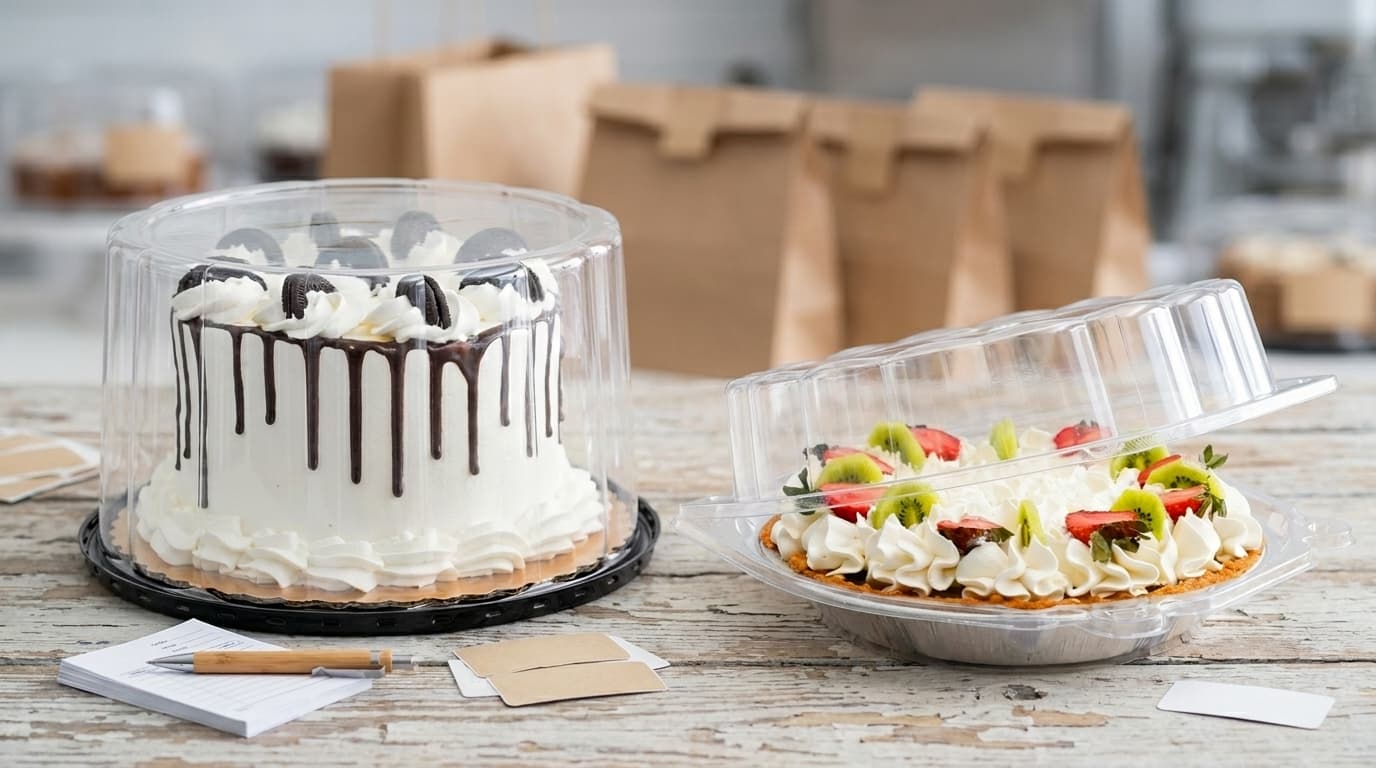
Learning how to package pie slices to sell, alongside mini pies, comes down to three decisions: dome height, selling format, and base fit. Get all three right and your product arrives intact, looks professional, and looks ready to buy in a self-serve case or farmers market display.
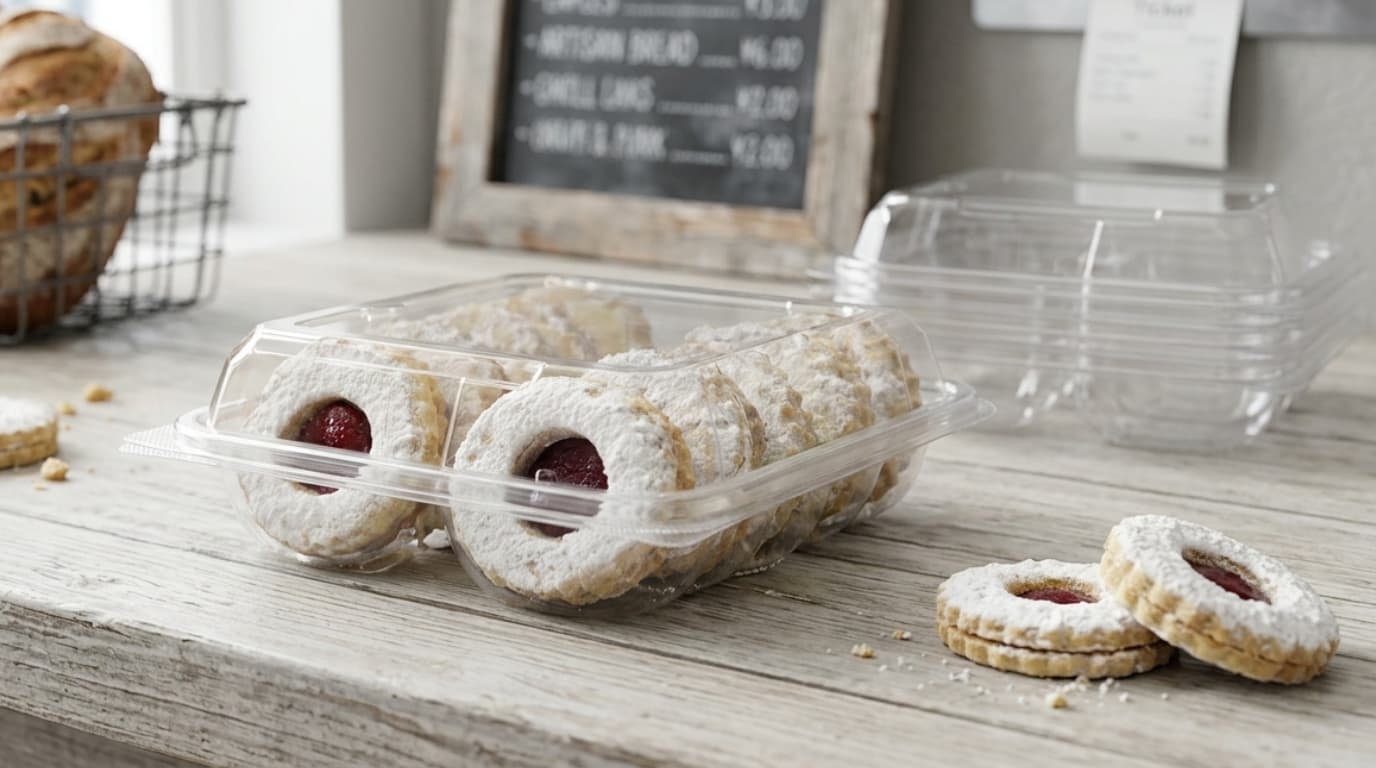
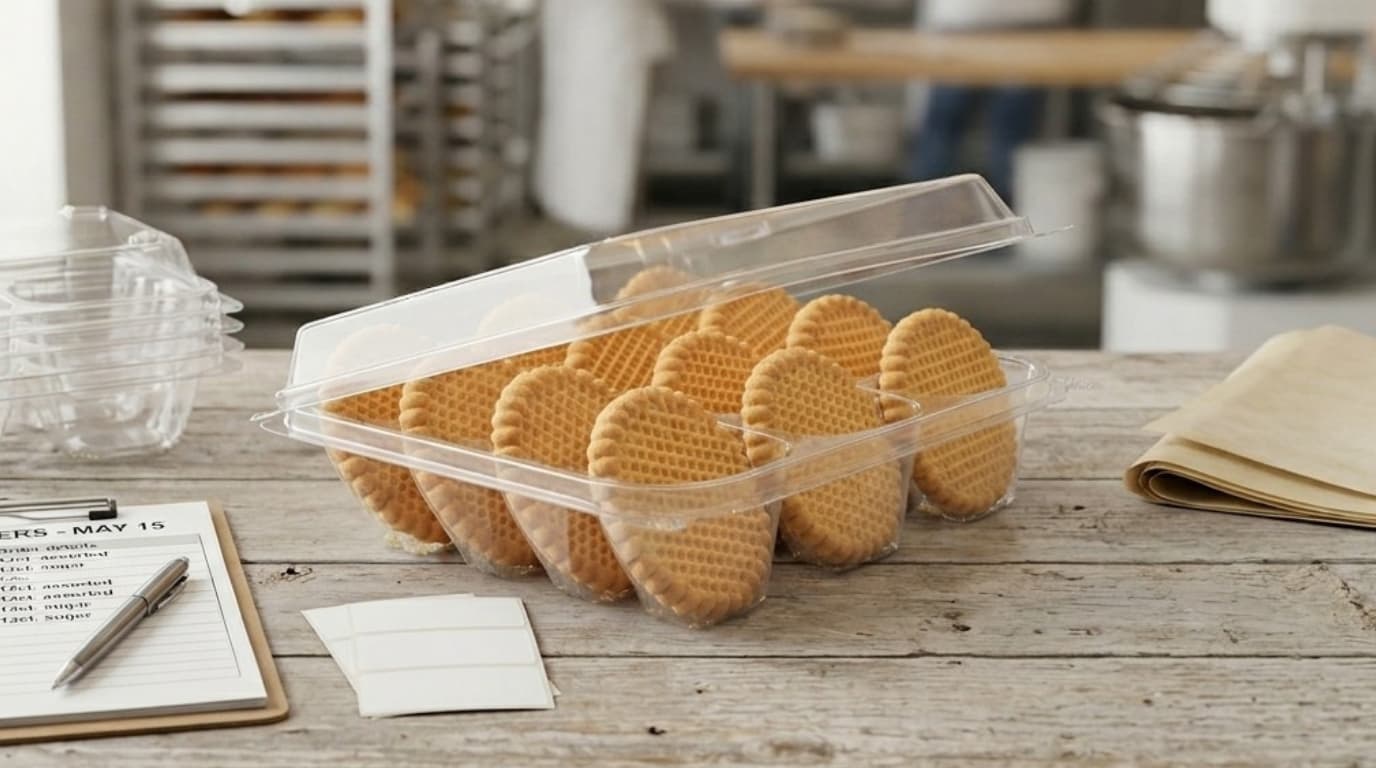
Knowing how to keep cookies fresh is a container and channel problem, not just a timing problem. Moisture, air, and a weak closure are common culprits behind stale bakery cookies. For operators selling across shelf display, pickup orders, and gift packaging, a clear hinged clamshell in the right count format can cover all three channels when the fit and count match the order. This guide breaks down the freshness rules, the right container by channel, and the count logic that cuts the repacking problem.
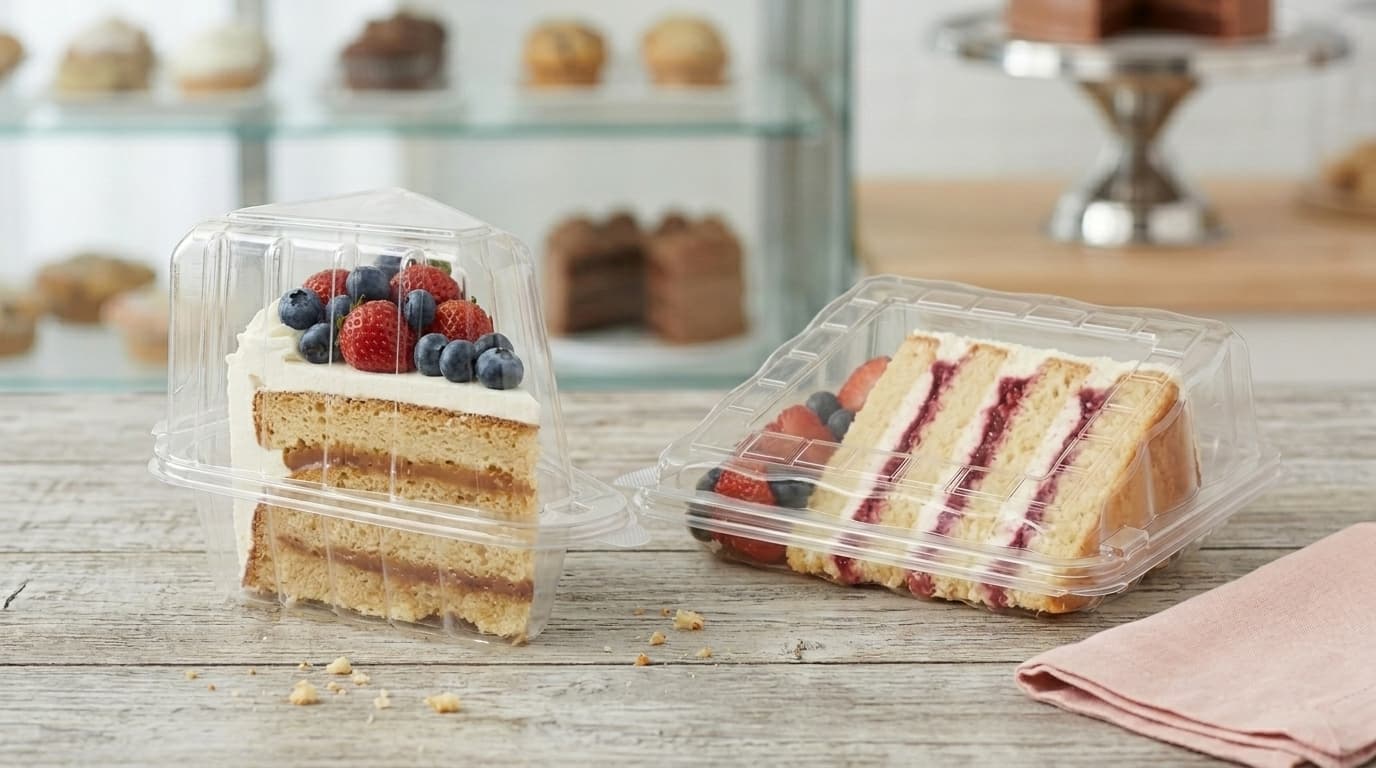
To package cake slices to sell, match the container orientation, dome height, and base fit to the slice before you order by case.
if you are deciding how to package cake slices to sell, start with fit: slice height, orientation, frosting clearance, and selling channel. Cellophane can work for small batches. At volume, rigid clear containers close faster, protect the finish, and show the slice before the customer picks it up. The question is which format fits your slice.
Cake and pie preorder packaging comes down to four container decisions before pickup day: the right box size for your pie type, the right dome height for your cake, how far ahead each product can be packaged without hurting quality, and how many containers to have ready per preorder volume. Get all four right and the pickup table runs clean. This checklist walks through each one in order.
Cookie packaging for bakery orders is a four-part decision: format, size, count, and bulk storage. Choose between cellophane and hinged clamshells based on your cookie type and how orders are handled. Match your container interior to your cookie dimensions before placing a case order. Get the count format right from the start and stage pre-filled orders with a system. This guide walks through all four decisions in sequence.
Calculating bakery packaging case quantities means running a format-by-format formula, not guessing one total for everything. Multiply your projected peak weekly units by the number of rush weeks, subtract usable stock already on hand, add a 10 to 15 percent safety buffer, then match the result to the nearest available case size. This guide walks through the full formula with worked examples for cookies, cupcakes, cakes, and pies, plus the case size economics that make bulk ordering worth the math.
Planning bakery packaging before a busy season means treating containers like inventory, not a last-minute errand. Build your order around rush dates, product formats, case quantities, and storage space. Start with your actual menu, calculate by format, then order early enough to allow stock checks, transit, and a small reorder window.
Reducing restaurant packaging costs does not mean buying cheaper containers. The real lever is standardization: fewer container types, shared lid systems, and deeper volume buys on a smaller SKU count. Start by calculating your actual per-order packaging cost. A three-size framework covering 4 oz, 16 oz, and 32 oz handles the majority of any menu, cuts storage pressure, and unlocks better unit pricing without touching the quality your customers expect.