

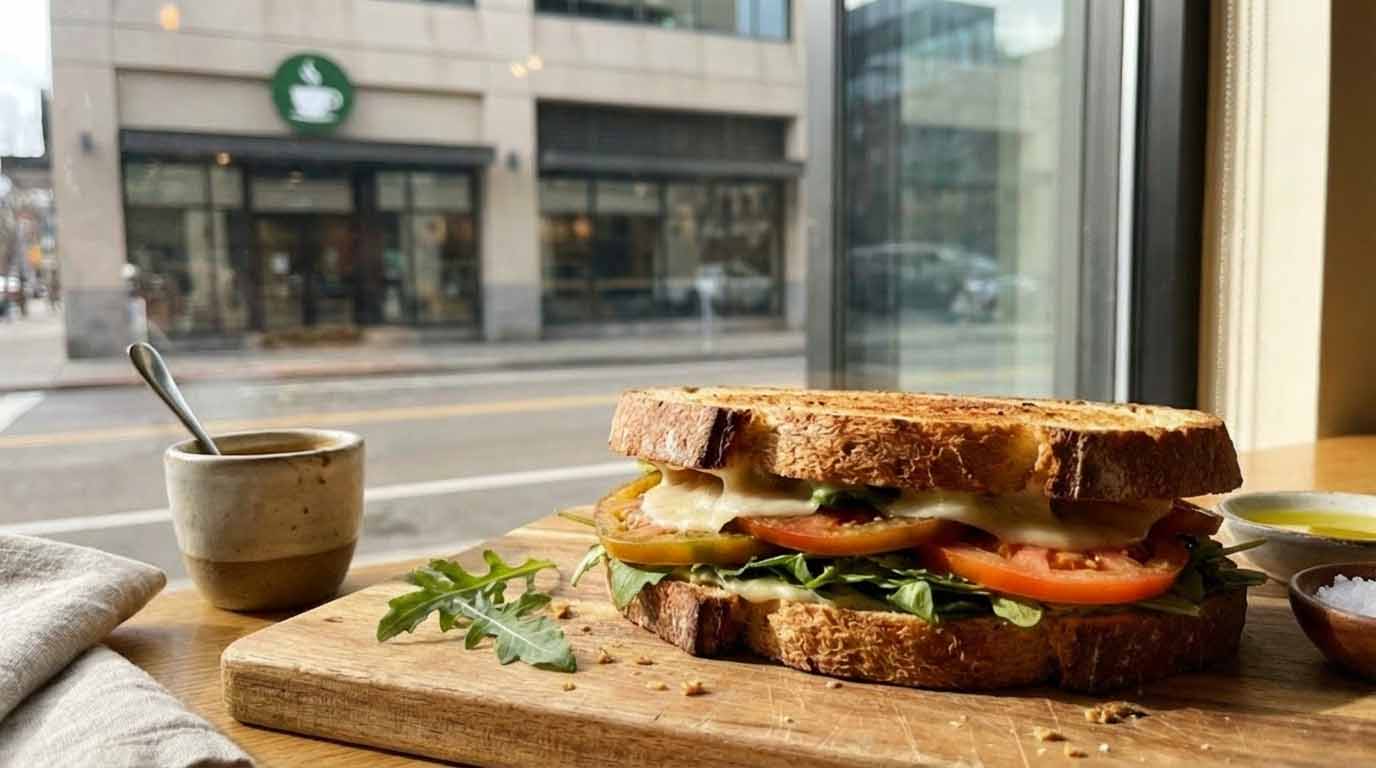
How to compete with big chains when one opens across the street? Start by understanding you don't need to become one. When a corporate location sets up shop near your small business, they'll win on consistency and convenience. You win on experience, hospitality, and product identity they can't replicate. The window to respond is narrow: 30 days before new customer habits solidify.
This plan breaks down into four weekly phases: fixing visibility, tightening operations, capturing loyalty, and building local defense. Each week targets the specific pressure points where independents typically lose ground to chain stores.
The Real Pressure Points
When a chain opens nearby, you're facing several threats at once. Margin pressure from trying to match their pricing. Customer trial behavior where people test the new spot just because it's there. The convenience disadvantage of competing against their drive-thrus and mobile ordering. Review anxiety when their corporate-managed profile instantly outranks yours. Staff morale takes a hit when they see customers leave. And decision paralysis sets in when you're not sure which fire to fight first.
This plan addresses all six. In that specific sequence.
Week 1: Measure Impact and Lock Down Visibility
Fix Your Google Profile First
Your Google Business Profile is the battleground. Most customers search "near me" before they visit, and your profile needs to beat the chain's in completeness and reviews.
Start by hitting the 10 review threshold if you haven't already. Research shows a measurable ranking boost on Google Maps once you cross that number. Update your hours so they're accurate down to the minute. Link your full menu with current prices. Upload fresh photos of your actual food, not stock images. Confirm your phone number rings to the right place.
The chain already has this dialed in with corporate resources. You can't afford to look sloppy by comparison.
Track Where You're Losing Traffic
Monitor your sales by daypart this week: breakfast, lunch, dinner, late night. If your Tuesday morning drops 20% compared to last month, that's the chain stealing your rush-hour crowd.
Because we supply packaging to thousands of bakeries, restaurants, and caterers across the country, we see this pattern repeatedly at Plastic Container City: independents bleed the most traffic during peak periods when speed matters most. That's where you fight back.
The Cleanliness Standard Can't Slip
Walk your space like a first time customer would. 73% of customers rank cleanliness as a top three factor for a positive experience.
Check your restrooms. Wipe your display cases. Make sure your seating area isn't giving anyone an excuse to try the spotless new spot down the street.
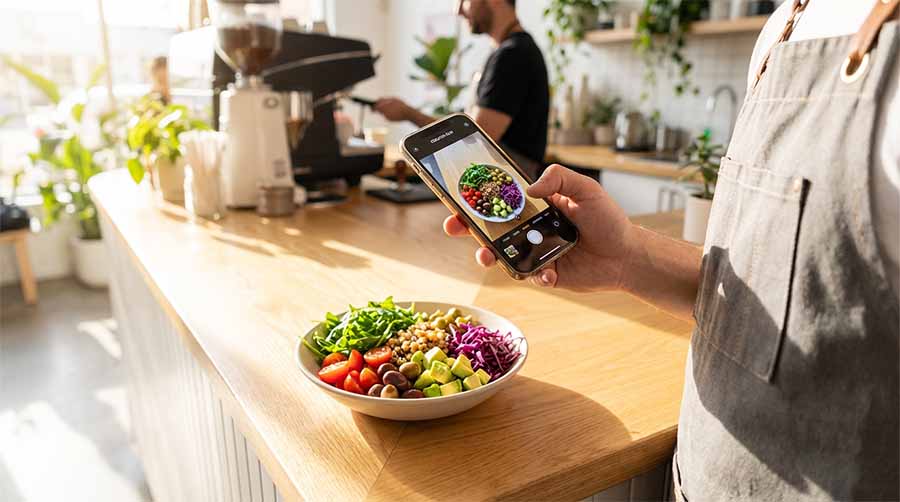
Week 2: Speed Up Your Service Without Losing Quality
Visibility gets people to notice you. Operations keep them coming back.
Remove Friction From Your Order Flow
Convenience kills independent businesses. Data shows 97% of consumers will abandon a purchase if the experience feels inconvenient.
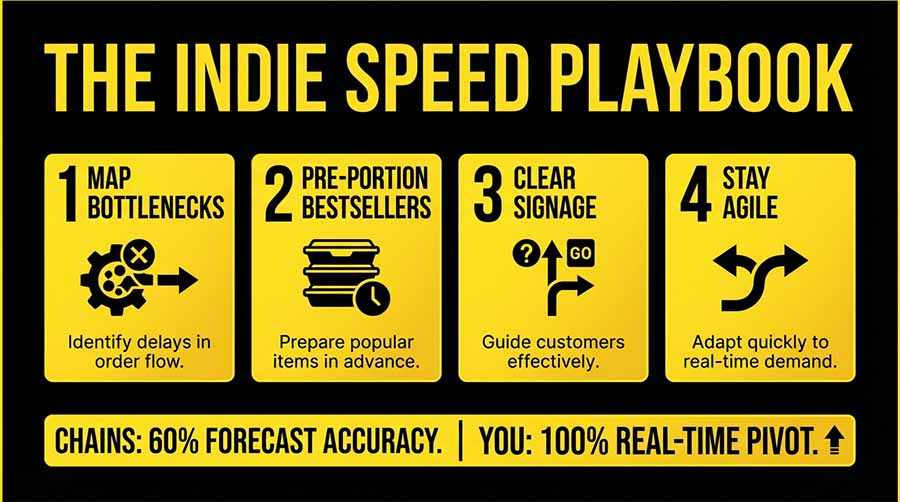
Map your bottlenecks. Where do orders slow down? Can you pre-portion popular items? Should you add a grab and go section for regulars?
Speed isn't about turning into fast food. It's about respecting people's time while maintaining what makes your food worth waiting for.
Here's something most independents don't realize: multi-unit chains only achieve 60% forecasting accuracy for their staffing and prep. That means they're guessing 40% of the time. Your ability to pivot in real time by adding more croissants mid-morning or adjusting lunch prep based on what you see is a massive competitive advantage they can't replicate.
Warning: Don't try to be faster than a drive-thru. That's not the game you're playing. Focus instead on removing the feeling of inconvenience. There's a massive difference between being "fast food" and being "efficient." Fast food sacrifices quality for speed. Efficient operations respect time while maintaining standards. You're not competing on McDonald's times. You're competing on removing friction.
Quick Fixes for Service Speed:
- Pre-bag bestsellers during slow periods
- Create a regular's shortcut for repeat orders
- Add visible order status so people aren't guessing
- Stock your POS area with everything staff needs
Signage That Speeds Up Decisions:
- Menu boards readable from 10 feet so people aren't squinting
- Bestseller callouts ("Most Popular" or "Customer Favorite")
- Clear pricing with no fine print surprises
- Bathroom and exit signs so staff aren't giving directions
Train Your Team on the Personal Touch
Chains can replicate your recipes down to the gram. The one thing they can't manufacture? The way your barista remembers someone's name or asks about their kid's soccer game.
This is your edge. Brief your staff: every interaction is a chance to make someone feel known. A quick "good to see you again" or "let me grab you a fresh batch" creates customer loyalty that no corporate playbook can teach.
Double Down on What Already Works
This is not the moment to experiment with your menu. Spotlight your bestsellers. Make them visible, easy to order, and ruthlessly consistent. (If your menu has drifted into complexity, cutting 15-20% of low performers can actually boost profit while making operations smoother.)
Consistency is where large chains excel. You beat them by matching that reliability while adding better flavor, better ingredients, and the kind of care that comes from actually giving a damn.
Week 3: Capture Loyalty Before You Lose Customers
You've fixed your visibility. You've tightened operations. Now lock in the customers you have before curiosity pulls them away.
Launch a Simple Rewards Program This Week
Here's the number that matters: 54% of quick service customers choose where to eat based on their loyalty program memberships.
You don't need a fancy app. A punch card works. A text based system works. What matters is giving people a reason to return to you instead of trying the shiny new place next door.
Ask for Google Reviews Without Being Pushy
After a great transaction, script your team to say: "If you enjoyed your visit, a quick Google review helps other people find us."
Keep it human. Keep it light. Reviews build trust, and 88% of consumers say trust is critical when choosing brands.
Fix Your Takeout Packaging Game
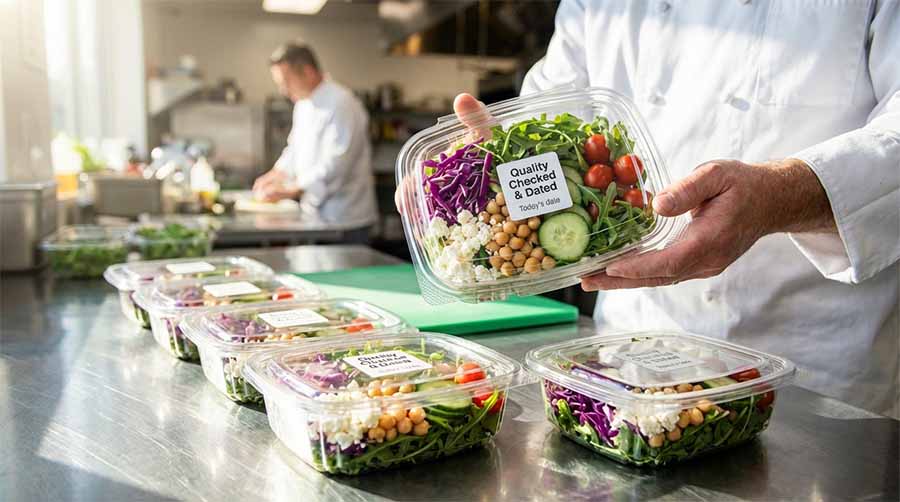
This is where small businesses lose customers without realizing it. If takeout food arrives lukewarm or leaking, they're not coming back.
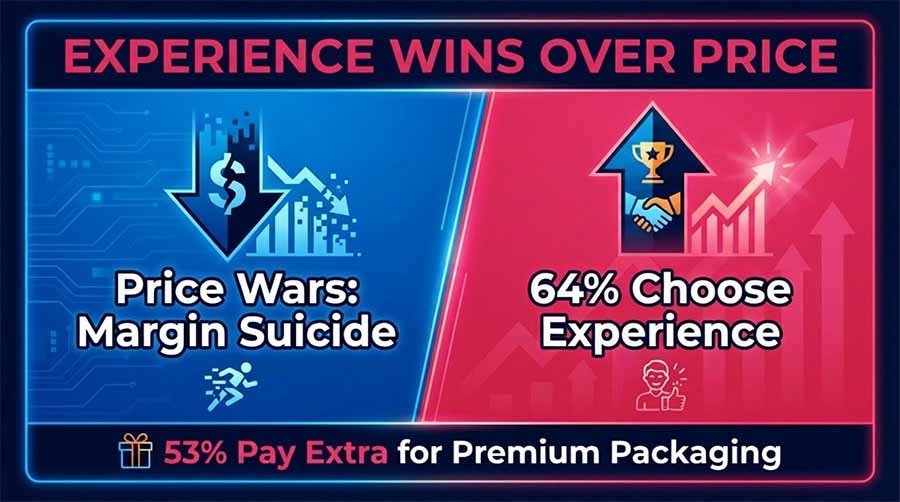
The stat you need to know: 90% of customers would order more variety if packaging maintained restaurant quality and temperature.
Packaging protects your reputation in transit. It keeps food fresh, prevents spills, improves presentation, and reduces complaints. It's not optional.
Packaging Fixes to Make This Week:
- Switch to insulated containers for hot items
- Use leak proof lids for sauces and soups
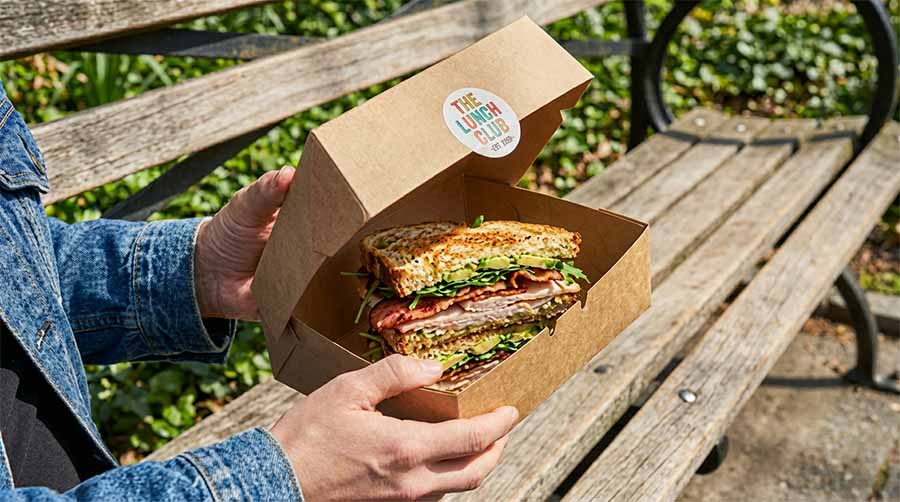
- Add branded stickers to reinforce your identity
- Test your own takeout (order, wait, open at home)
- Check temperature retention after 20 minutes
Don't think of packaging as just a cost. 53% of customers are willing to pay extra for upgraded, temperature-stable containers. You can charge a small premium for better packaging and protect your margins while improving the customer experience.
Week 4: Build Your Local Moat
You've fixed the basics. You've captured some loyalty. Now it's time to make yourself indispensable to the neighborhood in ways a chain never can.
Partner With Nearby Businesses
Chains don't do cross promotions with the yoga studio down the block. You can.
Offer discounts to their customers. Co-host a tasting event. Share each other's social media. These partnerships create a network of goodwill that keeps business local and keeps your name circulating.
Show Up in Your Community
Sponsor a Little League team. Donate to a school fundraiser. Host a weekend pop-up with another local business. The bakery that brings fresh pastries to the hospital night shift. The coffee shop that stays open late during finals week for students. The restaurant that caters the fire department's annual fundraiser.
Corporate chains write checks to national causes. You show up. That's the kind of visibility that sticks.
Tell Your Story Without Overthinking It
People want to know what makes you different from chain restaurants. Post behind the scenes content. Share where your ingredients come from. Talk about why you started this in the first place.
Authenticity creates connection. Connection creates loyalty. Chains can't replicate your story because it belongs to you.
Don't Panic Discount: Why Price Wars Are a Trap
Before you execute this plan, let's address the elephant in the room.
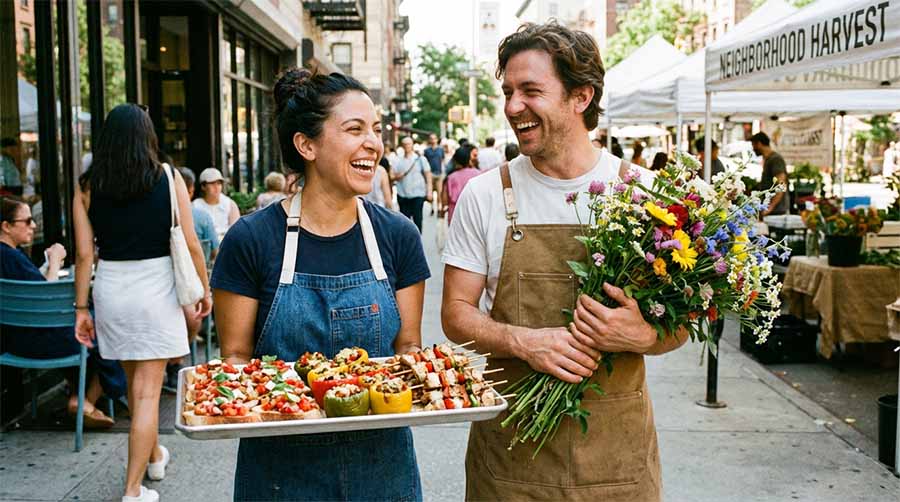
When a big chain opens, the gut reaction is to slash prices and compete on value. That's the fastest way to kill your business.
Chains have economies of scale you'll never match. If you start discounting, you'll lose margin, attract deal seekers instead of loyal customers, and train people to see your food as interchangeable.
Here's what actually works: 64% of full service customers value experience over the price of a meal. That means nearly two thirds of diners care more about how they're treated than what they pay. (This principle of competing on value instead of price is how restaurants stay packed even when prices rise.)
What to Do Instead of Discounting:
- Speed up service without cutting quality
- Launch a loyalty program to capture repeat visits
- Train staff on hospitality that feels personal
- Improve packaging so takeout arrives perfectly
- Build community partnerships that keep business local
Price is only the deciding factor when everything else feels the same. Make sure everything else doesn't feel the same.
The Weaknesses You Need to Address Honestly
This plan only works if you're honest about where small restaurants actually fall short. Chains don't just win because they're big. They win because they fix problems independents ignore.
Inconsistency Kills Small Restaurants
If your hours change without warning, if the croissants that were perfect on Tuesday are sold out by 9 a.m. on Wednesday, or if service quality depends entirely on whether Sarah or the new guy is working, customers will drift to the chain that delivers the same thing every time.
Fix your systems before you try to speed up. Rushed execution without a solid process just makes the problems worse and more visible.
"Local" Isn't Enough on Its Own
Saying you're local doesn't mean much unless you prove it. Chains market themselves as community partners too. They sponsor youth sports. They hang "locally inspired" menu boards.
The difference is execution. Can customers see your produce supplier's name? Do they know you're at the farmers market every Saturday? Is there a photo of your team at last week's charity run? Show, don't tell. Make it tangible.
Speed Without Systems Backfires
If you try to match chain efficiency without building the operational backbone first, quality slips. Customers notice. Orders get messed up. Food suffers.
Build your process, then accelerate. Not the other way around.
What Big Chains Can't Replicate
Here's the reality: chains dominate on predictability, convenience, and brand recognition. But 47% of limited service customers still value experience over price. That's nearly half your market.
You control the in-store environment. How your team interacts with regulars. The story behind your product. Your unique brand identity and the emotional connection people feel when they walk through your door.
Chains can't replicate that feeling of being known, being welcomed, and being part of something smaller and more personal. That's where you win.
The next 30 days will determine whether you panic or adapt. Focus on these four areas: visibility, operational speed, customer retention, and community ties. Execute deliberately on each one, and you'll build defenses that matter more than matching their marketing budget.
Executing this 30-day plan is how to compete with big chains while staying distinctly yourself—so customers choose you even when convenience is parked right next door.
For more strategies on running a profitable food business, visit the Plastic Container City blog.
| Week | Focus Area | Key Action | Success Metric |
|---|---|---|---|
| Week 1 | Visibility & Baseline | Fix Google profile, hit 10 reviews, track sales by daypart | Improved search ranking, traffic data collected |
| Week 2 | Operations & Speed | Remove order bottlenecks, train staff on personal service | Faster service time, consistent quality maintained |
| Week 3 | Retention & Packaging | Launch loyalty program, upgrade takeout containers | Return visit rate increase, fewer packaging complaints |
| Week 4 | Community & Storytelling | Partner locally, show up at events, share your story | Local partnerships formed, social media engagement up |
Frequently Asked Questions
How quickly will a loyalty program show results?
Most operators see increased repeat visits within two to three weeks if the program is simple and communicated clearly at checkout. Focus on ease of enrollment and immediate value rather than complex point systems.
Should I lower prices to match the chain?
No. Competing on price erodes margins and attracts deal chasers who'll leave for the next discount. Nearly two thirds of diners value experience over price, which means your energy is better spent on hospitality, speed, and product quality that justify your pricing.
Can I compete without a mobile app?
Absolutely. Most independents don't need an app. A clear online presence with accurate hours on Google, a linked menu, and reliable phone or text ordering gets you most of the way there. Focus on the basics before adding complexity.
How much should I invest in upgraded packaging?
Start small. Test better containers for your most popular takeout items first. Since over half of customers are willing to pay extra for quality packaging, you can often offset the cost with a small upcharge or by reducing waste from complaints and returns.
What if my Google reviews are already negative?
Address complaints publicly and professionally, then focus on generating fresh positive reviews from satisfied customers. Volume and recency matter more than a few old negative mentions. Ask every happy customer for a review within 24 hours of their visit. (For a complete reputation management system, including how to respond to negative reviews strategically, see our guide to building a five-star online presence.)
