

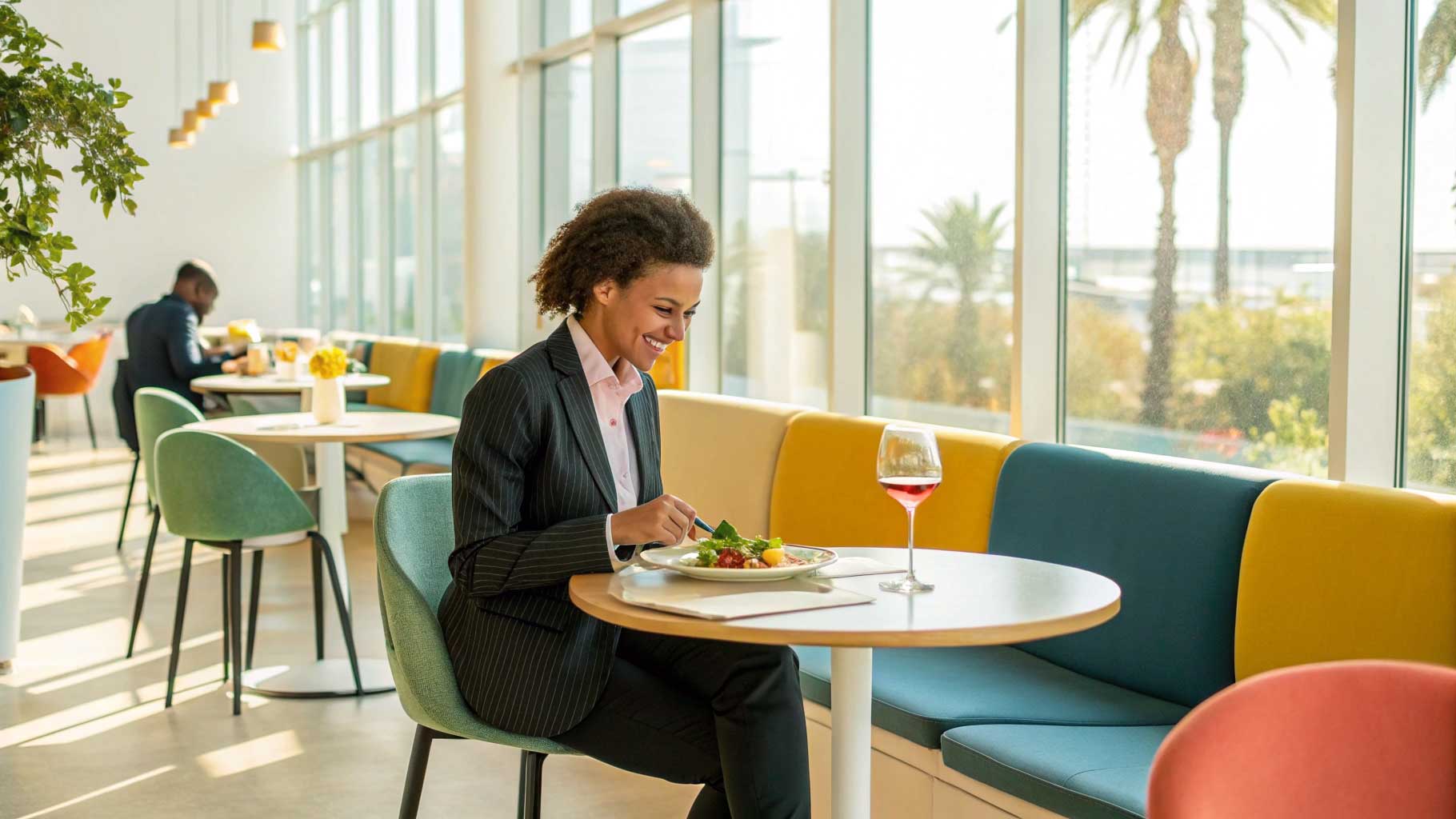
Are you watching empty tables during off-peak hours while turning away solo diners who could fill those seats? Solo dining isn't just trending—it's reshaping the entire restaurant industry, and savvy operators are already cashing in. Smart marketing strategies can help you fill those empty seats while capitalizing on this growing trend.
The days of viewing single diners as table-blockers are over. What was once seen as an awkward necessity has transformed into a powerful revenue stream that smart food professionals can't afford to ignore. The numbers don't lie, and neither do the profit margins.
The Solo Revolution Is Here (And It's Profitable)
Solo dining has exploded into mainstream culture, with one in five Americans now typically dining alone—a jump from 18% just one year ago. But here's where it gets interesting for your bottom line: these aren't desperate loners grabbing quick bites.
They're confident consumers making deliberate choices about how they spend their money and time. Solo dining reservations have increased 10% year-over-year while group dining grew 8%, proving this isn't a zero-sum game—it's pure market expansion.
The Generational Shift
Millennials and Gen Z are driving this movement like never before. Nearly 49% of Millennials and 46% of Gen Z consumers dine out alone at least weekly, treating it as routine self-care rather than a last resort.
These aren't just statistics—they represent your future customer base. The same generations planning to increase their overall dining frequency in 2025, with 71% of Gen Z and 68% of Millennials ready to dine out more often.
Why People Choose to Eat Alone
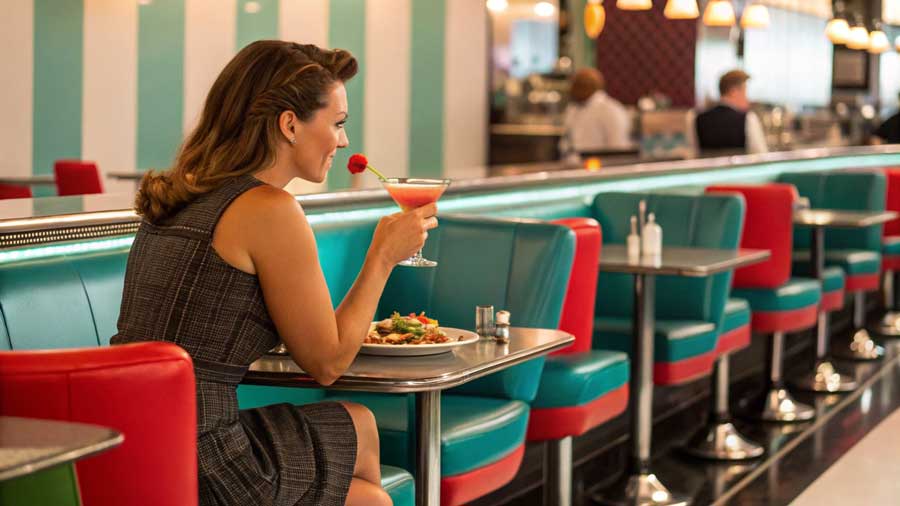
The motivation behind solo dining goes far beyond convenience. Modern diners view eating alone as intentional self-care—a chance to enjoy "peace and quiet" away from constant social demands.
Clinical psychology research supports this trend, showing that purposeful solo dining can reduce anxiety, boost self-esteem, and encourage mindful eating. The brain gets to relax without managing conversation or social expectations.
It's important to distinguish this from loneliness; psychologists note that empowered solo dining is a sign of self-reliance, a deliberate choice for peaceful solitude, not a symptom of social withdrawal.
Cultural Acceptance Is Breaking Down Barriers
Solo dining has become completely normal. The social stigma has largely disappeared as more people recognize it as a lifestyle choice rather than a circumstance.
Many diners still battle the "spotlight effect," an anxiety where they overestimate how much others are noticing them, but this is quickly fading as solo dining becomes a celebrated norm. Social media has amplified this by showcasing solo restaurant visits as acts of independence and self-love.
The Remote Work Factor
Remote work has created a new dining pattern that smart operators are already capitalizing on. With 21.6% of the U.S. workforce working from home, professionals are seeking mid-week restaurant experiences to break up their routine.
Mid-week dining is up 11% year-over-year, with Wednesday emerging as "the new Friday" for many consumers. This creates predictable revenue during traditionally slow periods, while experiential dining bookings have jumped 27% with solo diners leading this premium trend. The experience dining movement shows how dining has evolved beyond just food to become about memorable moments and personal satisfaction.
The Business Case for Solo Diners
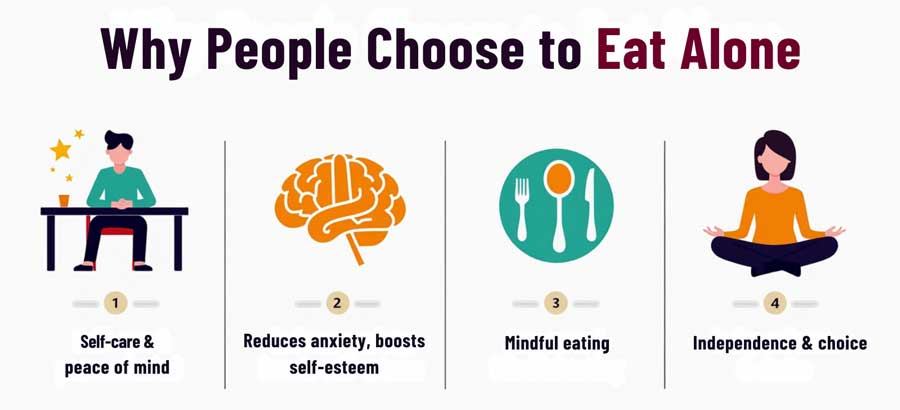
Here's what every food professional needs to know: solo diners spend approximately 48% more per person than group diners, according to Toast's analysis. They also turn tables faster, creating hourly revenue that often exceeds larger parties.
The demographic reality is simple: 30% of Americans live alone, and that number keeps climbing globally. In markets like Japan, projections show single households will comprise 40% of the population by 2040.
The Upsell Advantage
Solo diners are goldmines for upsells because they don't need group consensus. They're more willing to try wine pairings, appetizer combinations, or dessert recommendations. Without negotiating with tablemates, they make quicker decisions and often choose premium options.
The Operator's Playbook: Your Guide to Capturing the Solo Dining Market
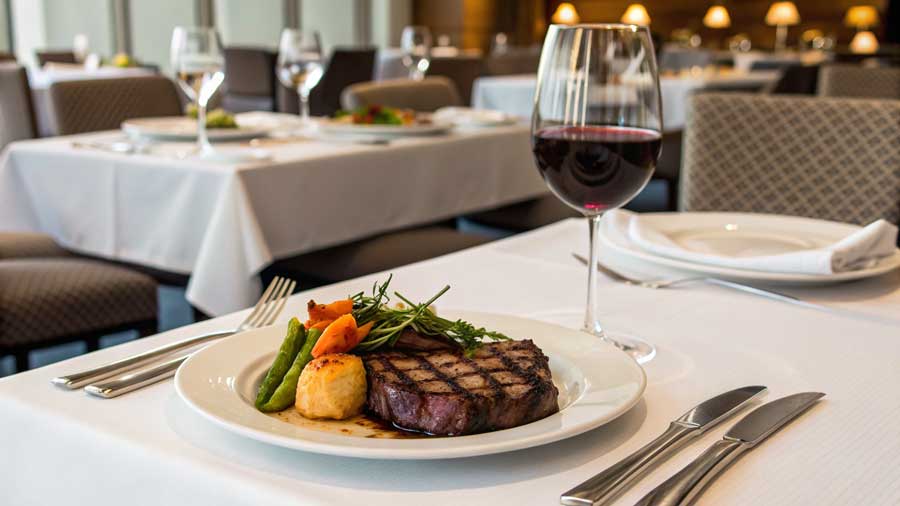
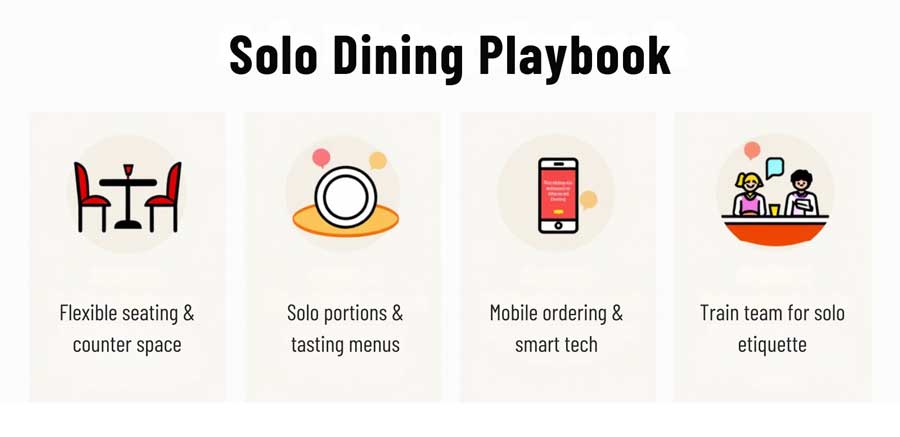
The biggest hurdle for many restaurants isn't customer demand—it's outdated floor plans, inefficient technology, and a lack of proper staff training. Smart operators are redesigning their spaces and service models to capture this growing market. Here is a complete playbook to make solo diners feel welcome and valued.
Rethink Your Space: Seating and Design
Counter seating and bar areas are your secret weapons. These spaces make solo dining feel natural while creating opportunities for interaction with bartenders or chefs. Window seats and communal tables also eliminate the awkwardness of occupying a four-top alone.
Consider Avant Garden in NYC, which developed a dedicated solo dining program with special tables and curated four-course menus. They turned what many see as a challenge into a signature experience.
Quick Service Restaurants are leading innovation in space-constrained markets. QSRs in India have introduced minimalist counters and standing communal tables, successfully serving solo diners without sacrificing scale in tight real estate markets.
Flexible seating is becoming non-negotiable. Modular tables, convertible surfaces, and adaptable layouts allow operators to maximize revenue regardless of party size. The restaurants thriving in 2025 are those that can seamlessly accommodate a solo diner at lunch and a celebration dinner at night.
The investment in flexibility pays dividends. Our customer service team has noticed increased inquiries about modular storage solutions that support this adaptable service model.
Craft a Solo-Friendly Menu
Create single portions of typically shareable items. Solo diners want to explore your menu without committing to massive plates they can't finish. Tasting menus "for one" and small-plate options cater perfectly to this desire.
Chains like Chili's and Red Lobster have successfully used meal deals and promotions to attract solo diners seeking affordable indulgence.
Leverage Technology for a Seamless Experience
QR code menus and mobile ordering remove friction from the solo dining experience. These diners don't want to wait for servers or feel rushed. Technology lets them control the pace while reducing labor costs for operators.
Kitchen Display Systems are proving their worth for managing mixed party sizes. A case study from Milagro Corp showed their integrated KDS resulted in a 25% boost in kitchen throughput and a 40% reduction in order-to-plate times, demonstrating how technology streamlines operations for both large groups and individual diners.
AI-driven seating algorithms can boost solo seat utilization by 20% while streamlining operations for mixed party sizes. These systems help manage the complexity of serving both large groups and individual diners efficiently.
Staff Training Matters Most
Your team needs training on solo diner etiquette. Avoid phrases like "Just for one?" and instead offer personalized recommendations. Well-trained staff can increase upsell success while making single diners feel valued rather than pitied. Meeting these elevated service expectations has become essential as diners increasingly expect both speed and sophistication.
The experience begins before they even walk through your door. Online reservation systems should accommodate parties of one without making guests feel awkward. Clear signage about counter seating and solo-friendly options removes barriers.
Once seated, solo diners appreciate attentive service without being smothered. They're often there to decompress, so reading body language becomes crucial for staff.
Many of our customers at Plastic Container City have shared how improved staff training around solo service has led to higher customer satisfaction scores and increased repeat visits.
Conclusion: The Table for One Opportunity
Solo dining represents more than a trend—it's a fundamental shift in how people approach restaurant experiences. Food professionals who adapt their operations, train their staff, and redesign their spaces for solo diners will capture a lucrative market that competitors are still overlooking. Those who don't risk watching profitable customers walk past their doors.
The question isn't whether solo dining will continue growing—it's whether your restaurant will be ready to profit from it. For more industry insights and expert strategies that help food professionals thrive, explore our complete collection of guides and trend analyses.
Frequently Asked Questions
What are the benefits of solo dining?
Solo diners typically spend 48% more per person than group diners, turn tables faster, and are more receptive to upselling since they don't need group consensus for menu choices.
How to not feel lonely when eating alone?
Choose restaurants with counter seating or bar areas, bring a book or plan to people-watch, and remember that solo dining is increasingly common and socially accepted as self-care.
What percent of people eat alone?
Currently, 21% of Americans typically dine alone, with 29% of all diners eating out by themselves weekly or more often, representing significant growth from previous years.
Is it awkward to dine alone?
Not anymore—solo dining has become mainstream, especially among younger generations, with nearly half of Millennials and Gen Z dining alone at least weekly as a form of intentional self-care.
What is one thing a restaurant can do to attract single solo diners?
Provide dedicated counter seating or bar areas where solo dining feels natural, and train staff to offer welcoming, personalized service without making diners feel singled out or pitied.
