

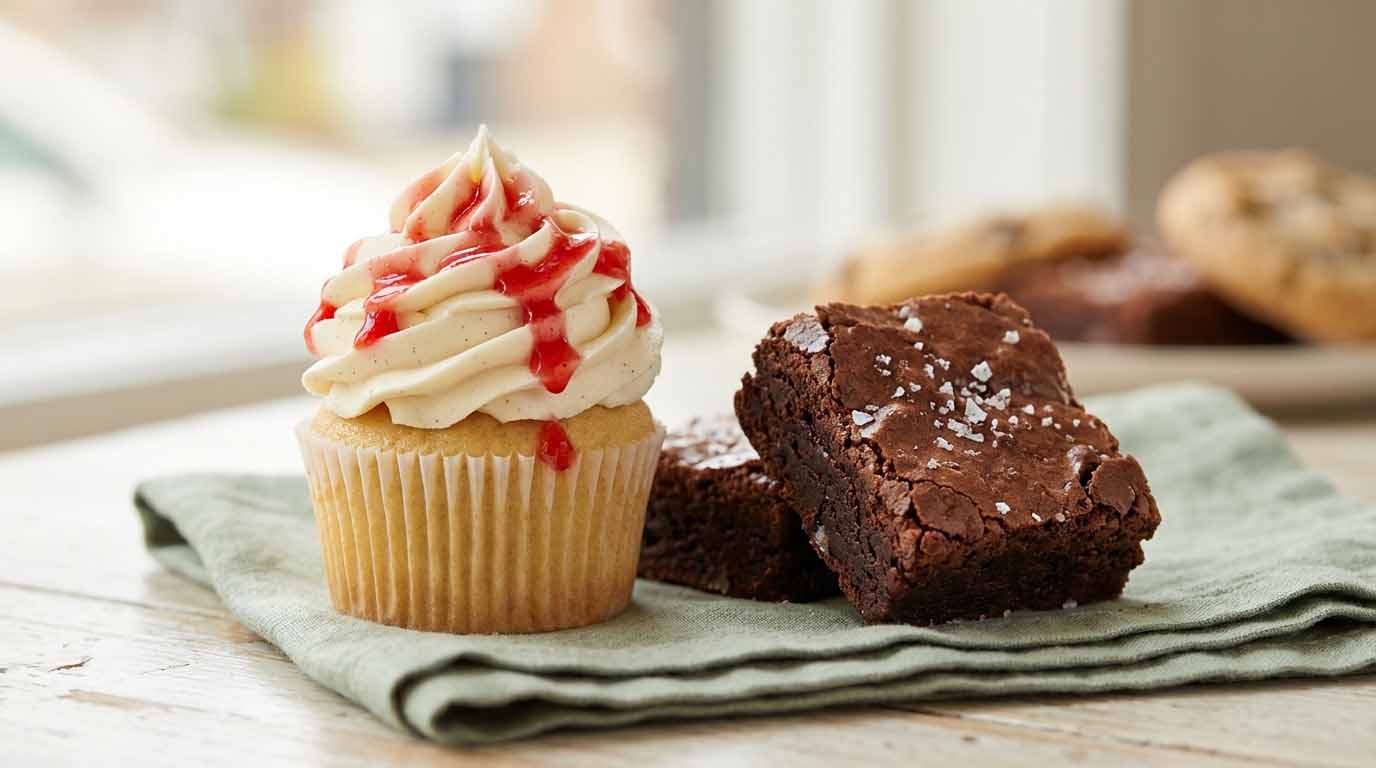
Is it profitable to sell cupcakes? Technically yes, but the real profit is often thinner than the frosting. The math on a napkin looks gorgeous. The math after labor, waste, premium toppings, and those tall dome containers? That is where the story changes. For a lot of bakery owners, cupcakes are the most beautiful money pit on the menu.
This piece breaks down where cupcake profits actually disappear, how to figure out whether the problem is your product or your business, and why cookies and bars might be the smarter bet for your bottom line.
Are Cupcakes Still Profitable for Small Bakeries?
Cupcakes can turn a profit, but high labor, short shelf life, and premium packaging make them one of the least efficient bakery items to sell.
The top line math is seductive. Four dollars per cupcake, a dollar in ingredients, and the gross margin looks heroic. But that calculation conveniently skips the expensive middle: the 10 to 15 minutes per batch spent piping, filling, and boxing individual units. The frosted stock that goes stale by close. The tall dome containers that cost more per unit and eat up shelf space.
The numbers tell the same story. Center store snack cupcakes brought in $426.2 million in the 52 weeks ending March 2025, but dollar sales dropped 7.8% year over year. That decline outpaced the broader snack cake category, which fell 6.2% in the same period. Everyday staples like cookies, donuts, and rolls held up far better.
The pattern is clear. Cupcakes sit in a more discretionary tier of baked goods. When consumers tighten spending, cupcakes get cut before cookies do.
What Are the Hidden Costs That Erode Cupcake Margins?
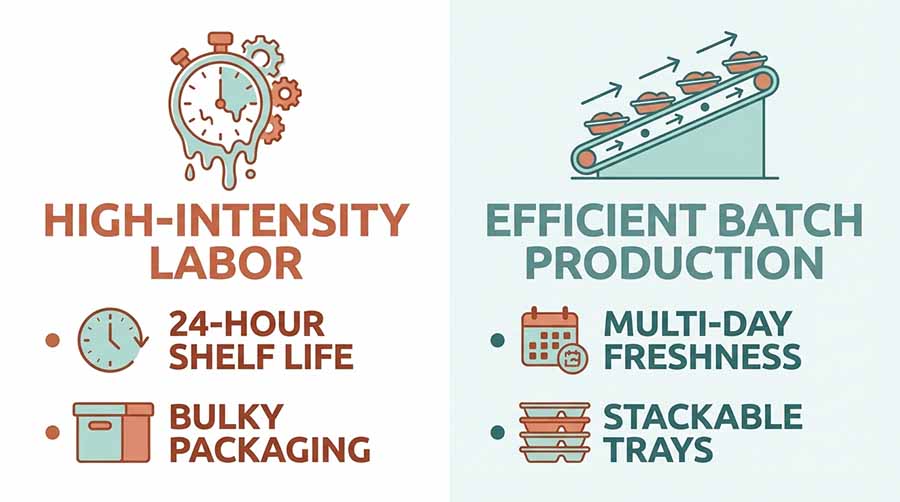
Cupcake margins shrink fastest in three areas most bakery owners underestimate: decorating labor, a 24 hour shelf life, and bulky packaging.
Labor and Decoration
Piping buttercream rosettes, filling centers, and placing toppers is skilled, time consuming work. Baking industry surveys consistently name packaging and finishing as the most labor intensive part of production. For cupcakes, that bottleneck is even tighter because every single unit needs individual attention.
Short Shelf Life and Waste
A frosted cupcake has a narrow window. By day two, buttercream dries, fillings weep, and texture drops. That means anything you do not sell today goes in the bin tomorrow. Compare that to a batch of cookies or blondies that stay fresh for days. Short shelf life and freshness logistics are flagged as a core restraint across the North American bakery market, and cupcakes feel the pressure hardest.
Premium Ingredients and Toppings
Specialty frostings, fondant decorations, and premium fillings add up. And with volatile prices on wheat, sugar, butter, and cocoa, those ingredient costs are unpredictable. Smaller bakeries cannot hedge the way large manufacturers do, which means every cost spike hits your cupcake margins directly.
Is It a Cupcake Problem or a Business Problem?
Before you scrap your cupcake line, figure out whether cupcakes are actually the weak link or whether something bigger is going on.
Run through this quick diagnostic:
| Check | What It Tells You |
|---|---|
| Cupcake sales vs. cookies/bars (volume and margin) | If cupcakes lag while other items sell well, the format is the issue |
| Weekday vs. weekend performance | If everything is slow on weekdays, you may have a traffic or visibility problem |
| Customer feedback on taste and texture | Consistent complaints about dryness or sweetness point to a recipe issue, not a market issue |
| Overall revenue trend across all products | If everything is declining, look at pricing, marketing, and location before blaming cupcakes |
If cupcakes are dragging while everything else moves, the format is probably the problem. If your entire menu is struggling, the answer is pricing strategy, visibility, or marketing, not product type. This distinction saves you from making the wrong fix.
Why Do Cookies and Bars Often Beat Cupcakes on Profit?
Cookies and bars beat cupcakes on efficiency because they need less labor, stay fresh longer, and sell as high frequency grab and go purchases.
Consider the fundamentals. A sheet pan of brownies takes one pour, one bake, and one cut. No piping. No individual boxing. No fondant. The production time per unit drops dramatically, which means your labor cost per item falls with it.
Shelf life is another win. Bar cookies lead the U.S. cookie category with about 31.62% revenue share, and analysts point to their portability and extended shelf life as key reasons. A well wrapped bar stays sellable for days, not hours. That alone cuts waste and smooths out your daily revenue.
Then there is the buying behavior. Cookies and bars thrive as grab and go impulse purchases. A customer who came in for coffee walks out with a $3 cookie they did not plan to buy. That kind of consistent, low friction transaction is where weekday revenue lives. They also ride the "snackification" wave, where busy customers replace full meals with portable, smaller treats throughout the day. Cupcakes, by contrast, tend to be planned purchases for birthdays, events, and celebrations, leaving bakeries with feast or famine sales cycles.
At Plastic Container City, we work with thousands of food professionals across the U.S., and the pattern we see is consistent: bakeries that build a strong grab and go program around cookies and bars tend to have steadier cash flow than those relying heavily on cupcake orders.
How Do You Turn Cupcake Flavors into Cookies and Bars?
You do not lose your signature flavors when you pivot. You move them into formats that cost less to make and last longer on the shelf.
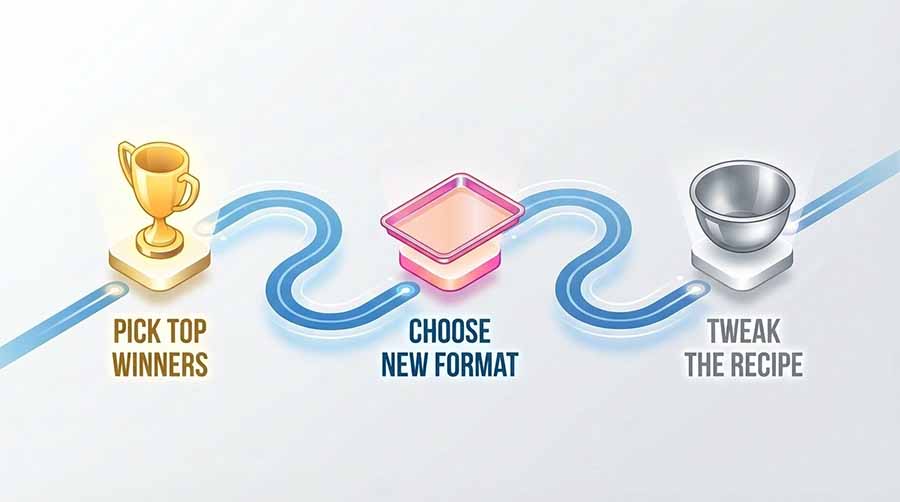
Step 1: Pick Your Winners
Look at your top selling cupcake flavors. Which ones generate the most orders and the best margins? Those are your starting lineup for the format switch.
Step 2: Choose Your Format
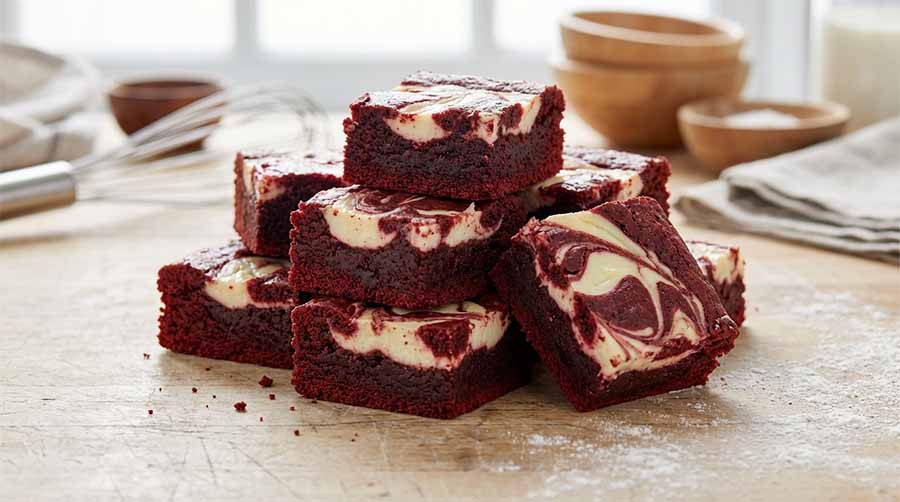
Decide whether each flavor works best as a cookie, a blondie, a tray bake, or a snack loaf. Red velvet, for example, converts beautifully into a cream cheese swirl brownie. Lemon cupcakes become lemon bars with minimal recipe adjustment.
Step 3: Adjust the Recipe
Most cupcake batters need only minor tweaks to work in a sheet pan. Reduce leavening slightly for denser, sliceable textures. Swap tall piped frosting for a thin glaze, drizzle, or filling layer. You are using the same ingredients and the same equipment.
Here are a few conversions to get you started:
| Cupcake Flavor | New Format | Quick Notes |
|---|---|---|
| Red Velvet | Cream cheese swirl brownie | Marble cream cheese into the batter before baking |
| Salted Caramel | Caramel blondie with sea salt | Swirl caramel through blondie batter, finish with flake salt |
| Lemon | Classic lemon bar | Shortbread base with lemon curd topping, dust with powdered sugar |
| Chocolate Peanut Butter | Peanut butter stuffed cookie | Drop cookie dough around a frozen PB center, bake until just set |
| Funfetti | Sprinkle sugar cookie | Fold sprinkles into sugar cookie dough, press lightly before baking |
The shared ingredient lists mean your purchasing stays nearly the same. No new suppliers. No unfamiliar inventory. Just a more efficient use of what you already have.
How Does the Packaging Pivot Save Money?
Moving from tall cupcake domes to flat cookie and bar containers cuts packaging costs, reduces breakage, and frees up shelf space immediately.
Cupcake packaging is bulky. Tall domes and individual inserts take up shelf space, increase shipping weight, and raise the risk of damage during transport. A single crushed cupcake dome can mean a refund or a remade order.
Flat containers, compartmented trays, and simple clamshells for cookies and bars solve multiple problems at once. They stack efficiently, fit more units per shelf and delivery bag, and reduce breakage. You also simplify your packaging inventory because you need fewer container types to cover your whole menu. For bakeries looking to optimize their product lineup without inflating costs, this packaging shift is an overlooked advantage.
How Should You Price Cupcakes vs. Cookies and Bars?
Reposition cupcakes as premium event offerings while pricing cookies and bars for high volume impulse buys to maintain a steady daily profit margin.
Keep cupcakes on the menu for birthdays, catering, and special orders. Price them as the showpieces they are. Cookies and bars become your everyday workhorses. Price them for volume and impulse. Think $3 to $4 per piece for single serve, or $10 to $12 for a mixed box. The lower price point moves more units, and the lower production cost means your margin per unit can actually match or beat the cupcake.
This structure also helps with the pain of raising prices. If ingredient costs climb, you have an affordable tier (cookies and bars) that keeps customers coming in, even as you nudge cupcake pricing upward. Customers who balk at a $6 cupcake will happily grab a $3.50 cookie. For a full breakdown of how to build a pricing structure that protects margins, the Plastic Container City menu pricing guide walks through the process step by step.
How Do You Tell Customers About the Change?
The biggest fear most bakery owners have about pulling back on cupcakes is losing loyal fans. That is a valid concern, and the answer is framing.
Do not announce what you are removing. Announce what you are adding. "Same flavors you love, in new everyday formats" hits differently than "we are cutting our cupcake menu." Phrases like "fewer, better cupcakes plus more grab and go treats" keep the tone positive and forward looking.
Keep two or three hero cupcakes for the fans who will always want them. Let those be your signature items for events and weekends. Meanwhile, the cookie and bar line handles the daily volume, and your regulars get to try their favorite flavors in a new form without feeling like something was taken away.
A small bakery in Hilo, Hawaii, went through a version of this and rebranded from a cupcake focused concept to a broader bakery and cafe. The owner framed the shift as reflecting what the business had become, not what it was leaving behind. That kind of messaging turns a menu change into a growth story.
Is It Okay to Move Away from Cupcakes?
Pivoting your product mix is a proactive business move, not a failure. Adapting to modern consumer habits protects your bottom line as trends shift.
When Sprinkles, the chain that helped define the premium cupcake era, closed all its retail locations in early 2026, the coverage treated it as the end of a chapter. If a well funded, nationally recognized brand with cupcake ATMs could not sustain a cupcake only model, it is not a reflection on your baking skills that the format is getting tougher.
The dessert market keeps shifting. Cookies are drawing lines around the block in cities where cupcakes once ruled. Consumer spending on small, affordable indulgences is strong, but the preferred format is moving toward simpler, grab and go options. Adapting to that is smart business, not surrender.
You built your bakery on flavor, skill, and a connection with your customers. None of that changes when you move a red velvet recipe from a cupcake tin to a sheet pan. What changes is your cost structure, your waste rate, and probably your stress level. So is it profitable to sell cupcakes? It can be, but the smartest bakery owners are making sure cupcakes are not the only thing keeping the lights on.
For more bakery insights and food industry tips, visit the Plastic Container City blog.
Frequently Asked Questions
What bakery item makes the most money?
Cookies and bars are among the highest margin bakery items because they require minimal labor, have a longer shelf life, and sell consistently as impulse purchases throughout the week. Items with low waste and fast turnover tend to generate the most reliable profit over time.
What are the slowest months for bakeries?
January and February are typically the slowest months for bakeries. Post holiday fatigue, New Year health resolutions, and reduced event bookings all contribute to lower foot traffic and fewer custom orders during this period.
What are the disadvantages of owning a bakery?
Thin margins, rising ingredient costs, long hours, and unpredictable demand are the most common challenges. Labor is a constant pressure point, and many owners struggle with pricing anxiety, especially when production is time intensive but customers expect affordable prices.
What dessert has the highest profit margin?
Sheet pan desserts like brownies, blondies, and cookie bars tend to carry the highest profit margins because one batch yields many portions with minimal hands on time. The combination of low labor, shared ingredients, and strong customer demand makes them consistent money makers.
Why do most bakeries fail?
Most bakeries fail because of underpricing, poor cost control, and overdependence on a narrow product line. Independent grocers, many of which depend on bakery departments, averaged just 1.9% net profit in fiscal 2024 according to the FMS Independent Grocers Financial Report. When overhead rises faster than revenue, the margin disappears quickly.
