

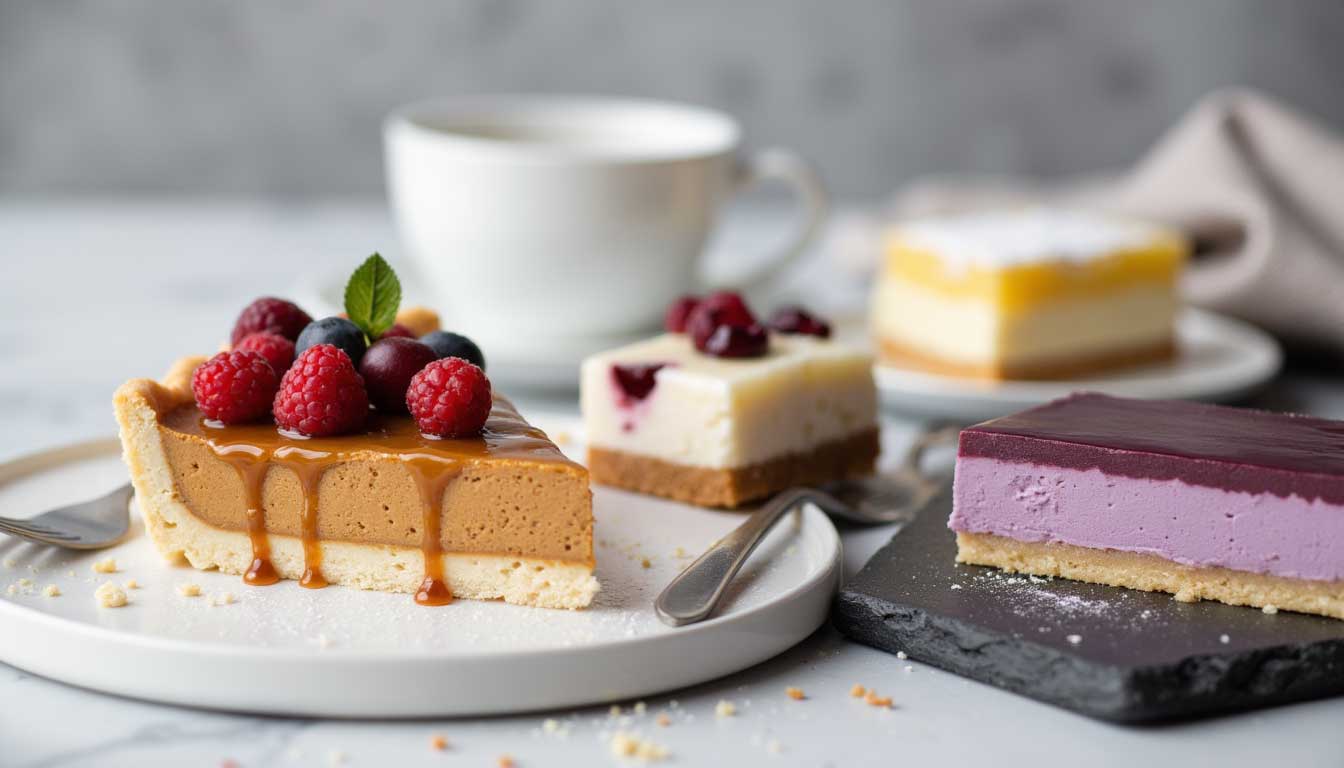
Is your seasonal dessert menu just costing you money instead of making it?
Most operators throw a pumpkin pie on the menu in October and call it seasonal. They watch it sit there, tying up ingredients and labor, wondering why everyone else seems to print money with fall specials while they're just adding complexity.
Here's the gap: your seasonal dessert menu should be a quarterly profit engine, not an emotional menu decision. Operators running strategic seasonal dessert campaigns see a 26% jump in orders compared to static menus. When you time launches right and buy ingredients at peak abundance, seasonal desserts become the highest-margin items on your menu.
Let's break down the framework.
Why Seasonal Desserts Outperform Year-Round Items
Seasonal desserts solve three business problems simultaneously: they create urgency (limited availability drives orders), they reduce food costs (in-season ingredients are cheaper), and they generate free marketing (people post exclusive treats).
The urgency piece is measurable. 91% of U.S. consumers say they're more likely to visit a restaurant offering new or seasonal items. And once they try a limited-time dessert they love? 82% will return to order it again, and 75% will tell other people about it.
What many operators miss is this: 52% of consumers say LTO availability is important when deciding which restaurant to visit. That's half your potential customers actively seeking out limited-time offerings.
But the hidden advantage is ingredient timing. Out-of-season strawberries cost up to $0.90 more per pint than peak-season local berries. Over a quarter, those savings compound fast.
If you need proof that seasonal desserts work, just look at the data: desserts are now the most prolific LTO category, with 671 menu introductions in 2024 across restaurant segments and a 50% year-over-year increase in December debuts alone. The competition is already treating this as a core strategy.
We often hear from our customers at Plastic Container City who've cracked this code. Bakeries that plan seasonal menus six months ahead consistently outperform those who wing it. The difference shows up in their food cost percentages and their bottom line.
When you build desserts around what's naturally abundant, you're not following a trend. You're engineering better margins.

How Far in Advance Should I Plan Seasonal Menu Changes?
You need six months of lead time for each seasonal push. That breaks down to 90 days for planning and testing, plus 90 days for marketing and training.
That means brainstorming Christmas dessert ideas in June. Finalizing summer menu items by early winter. Testing recipes two months before launch.
Breaking that down, here's a more granular pre-launch checklist:
. 6-8 Weeks Out: Begin menu development and testing
. 4-6 Weeks Out: Finalize recipes and lock in supplier orders
. 2-3 Weeks Out: Conduct staff training on prep, plating, and pairing suggestions
. 1-2 Weeks Out: Ramp up marketing promotions and social media teasers
Some concepts execute even faster rotations. First Watch releases 5 seasonal menus annually, with their Summer 2025 menu running June 3 to August 11. They've built their kitchen systems and supply chains to handle that cadence without breaking the line.
Here's the quarterly calendar that works for most operations:
Spring/Summer Desserts: Start testing in April. Peak season runs June through August. Focus on bright citrus, fresh berries, no-bake options, stone fruit cobblers. Light, refreshing, Instagram-ready.
Fall/Winter Desserts: Testing begins in October. The money season kicks off with pumpkin spice—Starbucks launched theirs on August 26, 2025 and broke sales records that week. By November, you're rolling into holiday spice territory: gingerbread, peppermint, warm chocolate creations.
The sweet spot? A quarterly rotation every 3 months. That gives customers enough time to fall in love with an item without getting bored, and it prevents your team from burning out on constant menu changes.
Launch seasonal items at the start of the quarter they represent, not halfway through. Friendly's rolled out their "Savor the Season" holiday menu on October 1, 2025—running through December 31—and captured the entire fall-to-winter traffic wave.
Testing Windows Matter More Than You Think
Before any seasonal dessert hits your menu, it needs 6-8 weeks of testing. Staff taste tests, customer samples, recipe tweaks.
The goal isn't perfection. It's making sure the dessert can survive a Friday night rush without breaking your line. A seasonal special that takes 20 minutes to plate is dead on arrival, no matter how good it tastes.

Using Ingredient Abundance to Slash Costs While Staying On-Trend
This is where seasonal desserts become profit machines instead of menu filler.
Most restaurants target 28-30% food cost on desserts. When you buy ingredients in-season, that percentage drops fast. Buying seasonally can reduce ingredient costs by 15% compared to year-round sourcing.
The numbers tell the story. Fresh vegetable prices at the farm level were predicted to decrease 14.1% in 2025. Fruit prices? Down 5.2%. That's real money staying in your pocket instead of going to your distributor.
The key is knowing when ingredients hit peak abundance:
. Strawberries: Cheapest in late May through June
. Pumpkins and apples: October is when prices crater
. Late summer: Glut of peaches, melons, stone fruits
. Citrus: Winter months deliver lowest pricing
Plan your menu 1-2 months ahead based on ingredient availability windows. Lock in bulk pricing when crops are in harvest surplus. If you run a pumpkin cheesecake in October, you're buying pumpkin puree in late summer when suppliers are desperate to move volume.
The Cost-to-Margin Breakdown
What Seasonal Flavors Customers Are Actually Ordering Right Now
Forget guessing. Here's what customers are actually ordering in today's market.
Newstalgia is dominating. Taking classic treats and giving them a modern twist. Think gourmet s'mores pie with smoked sea salt, or a deconstructed banana pudding with house-made wafers. Customers want the comfort of familiar flavors but executed in a way that feels fresh and shareable.
Global flavors are going mainstream. Tres leches cake, churro-inspired desserts, matcha, yuzu, ube—these aren't niche anymore. A fall dessert with chai spices or a summer paleta with mango-chili hits different than another apple pie.
The "swicy" trend (sweet + spicy) keeps growing. Chili-honey over ice cream, cayenne in chocolate ganache, tajín-rimmed fruit tarts. Younger customers especially are gravitating toward bold flavor mashups.
Plant-Based and "Free-From" Options Are Now Expected
Beyond just flavor, dietary inclusivity is a major trend. Consumers are actively seeking out vegan and "free-from" seasonal treats. Think dairy-free pumpkin brownies, chocolate mousse made with aquafaba, or gluten-free apple crumbles using almond flour.
Offering a thoughtfully crafted plant-based or gluten-free seasonal dessert isn't just a niche move anymore. It's a way to capture a wider audience that expects these options. Many consumers globally prefer desserts with added protein and fiber—functional ingredients that deliver emotional satisfaction without the guilt.
The Portion Revolution: Mini vs. Shareable
The large dessert audience is shrinking, but dessert sales aren't. Why? Because customers are ordering multiple mini desserts instead of one big slice.
The "perfect portion" trend is growing 18% in English-speaking markets. Customers want desserts that feel personal and portion-controlled.
Marc Murphy's Landmarc restaurant offers only $4 mini desserts, and their dessert sales percentage is definitively higher than competitors. Customers who wouldn't order a full cheesecake will grab three mini options to share.
The real secret here is the "sampler" effect. As Seasons 52 also discovered with their "Mini Indulgences," customers who might hesitate at one large dessert will eagerly order a flight of three or four minis to share. It transforms the decision from "should we get dessert?" to "which desserts should we try?" This strategy is a proven way to boost dessert sales penetration across the entire dining room.
On the flip side, shareable Instagram-worthy desserts (think skillet cookies, towering milkshakes, dessert boards) create their own value. They drive social media posts, which becomes free marketing.
The winning move? Offer both: single-serve seasonal bites for solo diners, and wow-factor shareable options for groups.

How Do I Price Seasonal Desserts to Maximize Profit?
Limited-time items give you pricing power. Customers expect to pay slightly more for something special and exclusive.
When Chipotle launched its Chicken al Pastor limited-time item, they priced it higher than regular chicken. Result? Two-thirds of buyers rated it a good value, and those customers spent more per visit than usual.
Target a 70-75% gross margin (25-30% food cost). If your seasonal pumpkin tart costs $2.25 in ingredients, price it at $8.95-9.95. The seasonality justifies the premium, especially if you're telling the story right ("made with local heirloom pumpkins available only in October").
Avoid round numbers. $8.95 feels cheaper than $9.00 even though it's a nickel difference. Psychology matters.
Bundle strategically. Pair a seasonal dessert with a beverage for a slight discount. "Pumpkin spice latte + slice of pumpkin bread $12" moves more units than pricing them separately.
And remember: 26% of consumers are willing to pay a premium specifically for seasonal and specialty items. Don't undersell exclusivity.
Looking to maximize dessert profitability beyond seasonal offerings? Our baker's profit playbook breaks down the highest-margin desserts for any menu.

Menu Engineering: Strategic Placement That Drives Orders
Placement determines what sells.
Keep your core dessert menu tight—3-4 staples plus 1-2 seasonal rotators. Too many options create decision fatigue. A focused menu signals quality.
Give seasonal items prime real estate. Create a dedicated "Seasonal Specials" callout box on your menu. Use an icon (???? for fall, ???? for spring) or different font color. Make it impossible to miss.
Describe it with intention. Instead of "Pumpkin Pie - $7," try:
"Warm Spiced Pumpkin Pie with locally sourced pumpkins and house-made bourbon whipped cream—available only through November - $8.95"
The language creates urgency and value. It tells a story. And stories sell desserts.
The Pairing Upsell Most Operators Ignore
Suggest a pairing. "Try it with our cinnamon mocha latte!" or "Pairs perfectly with a glass of dessert wine."
This simple addition can lift check averages without feeling pushy. Train your servers to mention the seasonal dessert when clearing dinner plates, and always have a beverage pairing ready. The guests who take the suggestion just added $6-8 to your check with minimal effort.

Real Success Stories: What's Working Right Now
Starbucks' fall 2025 pumpkin spice launch produced their strongest sales week ever in U.S. stores. That Tuesday? Highest-sales Tuesday in company history. Their seasonal menu runs September through December—their most profitable quarter—and flows seamlessly from pumpkin spice into holiday red cup season.
Build anticipation. Make it an event. Starbucks has done this for 22 years, turning a latte flavor into a cultural phenomenon.
Chipotle's Chicken al Pastor limited-time offering saw 25% of their customer base try it during its run, and nearly 80% said it made them want to visit more often. That's how you turn a short-term promotion into long-term loyalty.
Marketing Tactics That Turn Desserts into Events
Your seasonal dessert needs to feel like an event, not just another menu item.
Use urgency-driven language. Words like "limited availability," "while supplies last," or "returns next summer" trigger fear of missing out without feeling manipulative.
Make it visually compelling. 68% of people base food choices on visual appeal, and 64% think visually appealing food tastes better. Use height, color contrast, seasonal garnishes. A fall dessert should look like fall—cinnamon dust, candied nuts, caramel drizzle, autumn leaves as garnish.
Encourage social sharing. Put your hashtag on a menu card next to the dessert. Run a simple contest: "Post your pumpkin tart photo with #YourRestaurantFall and get 10% off your next visit."
Sample strategically. Walking a dessert tray around the dining room showing what other tables are enjoying makes people order. Visual triggers work. Consider offering tiny sample bites during happy hour or at the host stand to convert hesitant customers.
The Hidden Challenges (And How to Avoid Them)
Let's be honest about where this goes wrong.
Staff burnout from too-frequent changes. 70% of operators find launching trendy menu items challenging. Stick to quarterly rotations and keep recipes simple enough that your line doesn't collapse during a rush.
Running out mid-promotion. Nothing kills buzz faster than "sorry, we're out of the seasonal special." Forecast conservatively. It's better to extend a successful item than to disappoint customers halfway through the promotion window.
Forgetting to plan the exit. When your seasonal item's run ends, have messaging ready. Don't just remove it from the menu. Use it as a marketing opportunity. A simple sign or social media post saying, "Last call for our summer berry tart! Thanks for the love—get ready for our Fall Spice Celebration starting October 1st!" does two things: it creates a final surge of sales and immediately builds anticipation for what's next.
Ignoring what actually sold. Track your point-of-sale data. Which seasonal items moved? Which sat? Use that intelligence to refine next year's offerings. The peach cobbler that crushed it in July? Bring it back next summer. The holiday trifle that barely sold? Replace it with something else.

Making This Work for Your Operation
Whether you run a bakery, a food truck, or a full-service restaurant, the principles stay the same: plan six months ahead, build menus around ingredient abundance, create urgency through limited availability, and tell a story that makes people care.
Start small if you need to. One seasonal dessert per quarter. Test it thoroughly. Price it strategically. Market it intentionally. Track what sells.
The restaurants winning with seasonal desserts aren't doing anything magical. They're treating seasonality as a business methodology—a way to reduce costs, increase margins, and create quarterly revenue spikes that show up on the P&L.
Your next launch isn't just about adding a pumpkin pie to the menu. It's about engineering a profit driver that customers will line up for, post about, and return for. That's the difference between a menu item and a seasonal dessert menu campaign that actually works.
Want more strategic insights for your operation? From cost-cutting tactics to emerging food trends, explore our complete library of foodservice resources written by professionals who understand what it takes to succeed. For detailed seasonal ingredient spotlights and menu-building frameworks for each quarter, check out our year-round seasonal baking guide.
Frequently Asked Questions
What are the most profitable seasonal desserts for restaurants?
Mini desserts, shareable platters, and items using peak-season ingredients deliver the highest margins. Focus on desserts with 25-30% food cost that can be priced at $8-12. Cobblers, tarts, and seasonal cheesecakes work well because they use affordable ingredients (fruit, basic batter) that command premium pricing when marketed as limited-time specials.
What's the ideal duration for running a seasonal dessert special?
1-3 months is optimal, with quarterly rotations performing best. This gives customers enough time to try the item and return for seconds without losing the novelty factor. Anything shorter than a month doesn't allow word-of-mouth to build. Longer than three months and urgency disappears.
What are some good summer desserts?
Stone fruit cobblers, berry tarts, no-bake cheesecakes, sorbets, and lemon bars perform exceptionally well. Summer desserts should be light, refreshing, and visually bright. Focus on berries, peaches, melons, and citrus when they're at peak season (June-August) to maximize both flavor and profit margins.
What desserts are in high demand?
Mini desserts and shareable options are currently driving the highest demand. Customers want portion control without missing out, so they order multiple small items instead of one large dessert. Nostalgic desserts with modern twists (newstalgia), global flavors (tres leches, matcha, yuzu), and "swicy" (sweet-spicy) combinations are trending heavily in 2025.
What is a good spring dessert?
Spring desserts should spotlight strawberries, rhubarb, lemon, and floral notes like lavender or elderflower. Strawberry shortcake, lemon tarts, rhubarb crumbles, and citrus-based no-bake treats perform well. Launch these in April-May when ingredients are at peak freshness and lowest cost, creating the best margins while delivering maximum flavor.
