

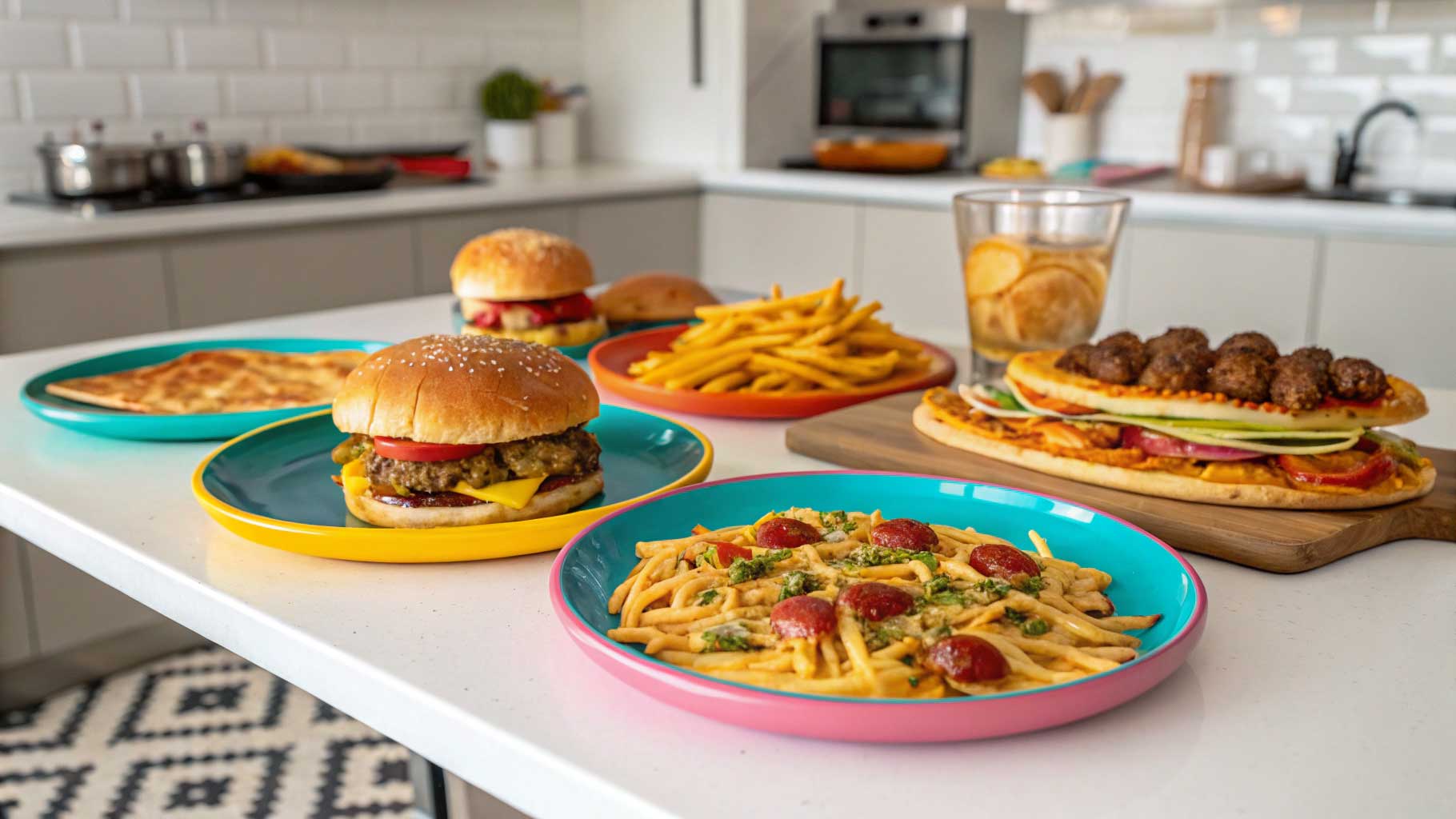
Are you watching your dining room empty out while customers recreate your dishes at home? You're not imagining things—and you're definitely not alone.
Competing with fakeaways has become the restaurant industry's newest challenge, and frankly, it's one that most operators didn't see coming. While you've been worrying about the place down the street, your real competition has been quietly setting up shop in every customer's kitchen.
The numbers don't lie, and they're not particularly flattering for traditional dining establishments. But here's the thing: this isn't a death sentence. It's a wake-up call.
The Fakeaway Revolution Is Here (And It's Not Going Away)
Let's cut straight to it—fakeaway cooking isn't just a trendy hashtag anymore. It's a full-blown movement that's reshaping how people think about restaurant-quality meals.
71% of Gen Z consumers are actively recreating restaurant dishes at home. That's not a small subset of adventurous home cooks—that's nearly three-quarters of an entire generation who've decided they can make your signature dish themselves.
This demographic shift runs deeper than most operators realize. Gen Z and Millennials food trends show these consumers aren't just cooking more—they're fundamentally reshaping what they expect from dining experiences.
But it gets more interesting. Over half of all shoppers have jumped on this bandwagon, and they're not just experimenting with basic recipes. These home chefs are seeking out restaurant-quality ingredients at grocery stores, essentially bringing your dining experience to their tables—without you.
The Economics Are Brutal
The financial reality is stark: 89% of Americans believe that cooking at home is one of the most effective ways to save money on food. Recent data shows food-away-from-home prices increased by 3.6% from November 2023 to November 2024, while grocery prices only rose by 1.6%.
That gap isn't just a number—it's a psychological barrier between your restaurant and your potential customers.
The Scale of the Shift
Here's where it gets really serious: 46% of all consumers report cooking and eating at home more frequently than before. Looking ahead, 58% plan to increase their home cooking activities in the coming year.
This isn't a temporary pandemic response. This is the new normal.
Why Are Fakeaways Becoming More Popular?
Fakeaways are gaining popularity because they offer restaurant-quality experiences at grocery-store prices—but that's just scratching the surface.
The Digital Recipe Revolution
The internet has turned every smartphone into a culinary school. Consumers can easily find simple, healthy recipes online, and meal planning tools help them avoid those expensive last-minute takeout orders. 69% of Americans have either used artificial intelligence to help with dinner or are open to the idea.
When your competition is a YouTube tutorial and a well-stocked pantry, you're not just competing on taste anymore—you're competing against convenience, cost, and control.
The "Bring-It-To-Me" Mentality
Modern consumers have developed what industry experts call a "bring-it-to-me" mindset. They want convenience, but they also want control over their dining experience. Nearly 40% of consumers in major markets use grocery delivery services weekly.
At Plastic Container City, we've noticed this shift in our customer conversations. Many restaurant operators tell us they're seeing increased demand for take-out containers, but fewer dine-in customers. The writing's on the wall—people want restaurant-quality food, but they want to enjoy it on their terms.
More Time, More Solo Activities
Here's something fascinating: U.S. consumers report having over three additional hours of free time per week compared to 2019. Nearly 90% of this extra time goes to solo activities—including cooking.
Your customers aren't just saving money by cooking at home; they're finding it therapeutic, creative, and personally fulfilling.
This trend is rooted in a powerful desire for self-care, with 71% of individuals reporting that they find cooking to be more stress-relieving than stressful. The home kitchen has become a sanctuary for connection, too. Over half of consumers view dinner as a prime opportunity to connect with family and friends, and a massive 83% believe that eating together has a positive impact on their mental health. This transforms the 'fakeaway' from a simple cost-saving meal into a deliberate act of well-being and social bonding—a powerful combination for restaurants to compete against.

What This Means for Your Restaurant Business
The implications are hitting restaurants where it hurts most—in the dining room and the bottom line.
Fewer Bodies in Seats
35% of restaurant operators report decreased dine-in visits. That's not a small dip—that's more than one in three establishments seeing their dining rooms emptier than they'd like.
The demographic breakdown is telling. Older Americans, particularly those over 55, are dining out less frequently due to price sensitivity. Lower-income consumers are increasingly choosing groceries over restaurant meals.
The Off-Premises Pivot
On the flip side, 34% of operators have seen increases in takeout and delivery orders. Delivery services now account for 12% of sales in the limited-service sector.
But here's the catch: consumers are gravitating toward Quick Service Restaurants and fast-casual establishments for delivery because of lower overall costs, including tips and fees.
The Value Perception Problem
Your restaurant is no longer just competing with other restaurants. You're competing with a curated home experience that offers convenience, health consciousness, and substantial cost savings.
Nearly half of adults—49%—report feeling guilt when choosing to eat at a restaurant instead of preparing a meal at home. That guilt isn't just about money; it's about health, control, and personal responsibility.
This external pressure is hitting at a time when restaurants are also fighting internal battles that strain resources. Staffing remains a critical issue for nearly a third of operators, with high turnover rates driving up costs. At the same time, unpredictable supply chains create volatility in food costs, making consistent pricing a major challenge. In this environment, your online reputation is everything. In today's 'review economy,' a 5-star review can lead to a fourfold higher customer return rate compared to a 3-star review, making every single customer experience a high-stakes event.

How Restaurants Can Fight Back and Win
Here's where smart operators separate themselves from those who'll be closing their doors in two years. You have two strategic paths, and the most successful restaurants will master both.
Work With the Trend: Join the Home Cooking Movement
If you can't beat them, join them—but do it better than anyone else.
Launch Your Own Meal Kit Revolution
The global meal kit delivery market is valued at $15 billion in 2025 and projected to reach $39 billion by 2033. That's a 10% compound annual growth rate, and smart restaurants are claiming their piece of this pie.
The shift toward home cooking isn't going away—it's actually accelerating. We've covered the rise of meal kits extensively, and the data is clear: this represents one of the biggest opportunities for restaurant expansion in decades.
Popeyes made headlines when they launched their popular sauces into grocery aisles nationwide in March 2025. Now customers can bring that distinctive Popeyes experience home, using those sauces on everything from homemade chicken to weekend barbecues.
This isn't about cannibalizing your restaurant sales—it's about expanding your brand presence into spaces where your customers are already spending time and money.
Strategic Grocery Partnerships
Some grocery chains are integrating full-service dining options within their stores. Wegmans Food Markets operates various in-store restaurant concepts, while Hy-Vee has been transitioning its foodservice offerings to better serve customers seeking restaurant-quality meals in retail environments.
The emergence of "Deli Service Restaurant" concepts shows consumers want restaurant-quality meals within supermarket deli sections. This represents a massive opportunity for restaurant brands to extend their reach.
Share Your Culinary Secrets
Why keep your expertise locked behind kitchen doors? Virtual cooking classes offer a unique revenue stream while building deeper brand relationships.
Programs like Master Chef Luca Manfé's 12-part virtual series and America's Test Kitchen Online Cooking School (which offers over 320 courses) prove there's substantial demand for expert-led culinary education.
Your chefs aren't just cooks—they're content creators, brand ambassadors, and culinary educators. Use that expertise to build connections that extend far beyond a single meal.

Focus on What Home Kitchens Can't Replicate
While embracing the fakeaway trend is smart, doubling down on your unique strengths is essential.
Create Experiences, Not Just Meals
Experience-driven dining is booming because consumers will pay premium prices for truly memorable encounters. The "Diner Designed" trend caters directly to Gen Z's desire for personalized, participatory dining experiences.
Modern diners aren't just looking for food—they're seeking experiences that go far beyond the plate. Solo dining searches on Yelp jumped 271% in early 2025, suggesting restaurants need to adapt their spaces with bar seating, communal tables, and counter-service options to make solo diners feel welcomed.
Your restaurant space should become a hub of community, experiences, and commerce—incorporating live music, cooking classes, or curated retail offerings that transform a meal into an event.
This is fueling the rise of 'Micro Eateries,' intimate dining spots that focus on hyper-local ingredients and offer a highly personalized interaction with the chef—an exclusive experience that is impossible to duplicate at home.
Highlight Professional Expertise
Chef's table experiences offer exclusive behind-the-scenes access that home kitchens simply cannot replicate. Global Cuisine Nights and Farm-to-Table Dinners feature unique culinary traditions and innovative techniques that highlight the artistry of professional cooking. A great example is La Mar by Gastón Acurio, which used custom pottery and storytelling to turn a simple dinner into a memorable cultural experience.
Modern chefs are focusing on "minimal intervention" techniques to maximize flavor with fewer ingredients, alongside "newstalgic" concepts—contemporary interpretations of classic dishes with bold, multicultural flavor profiles.
Value-Driven Premium Experiences
"Premiumization" in today's market isn't about charging more—it's about justifying costs through elevated, clearly discernible experiences and superior quality. You need to provide a transparent, compelling reason for consumers to choose dining out over staying home.
The secret isn't competing on price—it's demonstrating value over price. 64% of full-service customers and 47% of limited-service customers prioritize dining experience over meal price. This suggests that while cost matters, the quality of experience can effectively validate higher price points.
Leverage Technology for Personalization
AI-driven personalization is revolutionizing restaurant marketing by enabling hyper-personalized experiences. AI systems can recommend dishes based on individual customer preferences and past ordering history.
Digital loyalty programs are crucial for fostering customer relationships beyond transactional interactions, offering virtual rewards and exclusive perks that encourage repeat business.
We've seen this firsthand at Plastic Container City—our restaurant customers increasingly invest in operational technology, with many prioritizing upgrades to Point-of-Sale systems and back-office tools. Automation technology like robotic kitchen assistants and self-service kiosks offer potential to reduce labor requirements and enhance efficiency.

The Bottom Line: Adapt or Watch Customers Walk Away
The fakeaway trend isn't going anywhere. 93% of Americans expect to maintain or increase their home cooking frequency over the next 12 months, with economic factors driving 85% of this behavior and health considerations motivating 81%.
But here's what the doom-and-gloom predictions miss: the restaurant industry is still projected to reach $1.5 trillion in sales in 2025. People aren't abandoning restaurants—they're just becoming more selective about when, where, and why they dine out.
The Two-Path Strategy
Successful restaurants will master both approaches: embracing the home cooking trend through meal kits, grocery partnerships, and culinary education, while simultaneously amplifying the unique value of professional dining experiences through immersive atmospheres, social connections, and culinary artistry.
This isn't about choosing between competing with fakeaways or ignoring them. It's about becoming part of the solution while offering experiences that home kitchens fundamentally cannot replicate.
The restaurants that thrive won't be those that resist change—they'll be those that see fakeaways as an opportunity to extend their brand, diversify their revenue, and create deeper connections with customers both inside and outside their dining rooms.
Your kitchen expertise, your brand identity, and your ability to create memorable experiences are still your greatest assets. The question isn't whether you can compete with fakeaways—it's how quickly you can turn this challenge into your competitive advantage.
For more insights on navigating the evolving food industry and practical restaurant marketing strategies that actually work, explore our complete collection of industry insights and expert guidance at Plastic Container City's blog.
Frequently Asked Questions
What is a fakeaway meal?
A fakeaway meal is a homemade dish that recreates the taste, presentation, and experience of restaurant or takeaway food using ingredients and techniques accessible to home cooks.
How to make fakeaways taste like restaurant food?
Focus on high-quality ingredients, proper seasoning techniques, and replicating specific cooking methods like high-heat searing or specific spice blends that restaurants use in their signature dishes.
are fakeaways healthy
Fakeaways can be healthier than restaurant meals because you control ingredients, portion sizes, and cooking methods, but nutritional value depends entirely on your ingredient choices and preparation techniques.
What makes restaurants better than fakeaways?
Restaurants offer professional culinary expertise, specialized equipment, social dining experiences, and atmospheric elements that create memorable occasions beyond just the food itself.
How can restaurants compete with home cooking trends?
Restaurants can compete by offering meal kits and branded ingredients for home use, creating unique dining experiences that cannot be replicated at home, and leveraging professional expertise through cooking classes and personalized service.
