

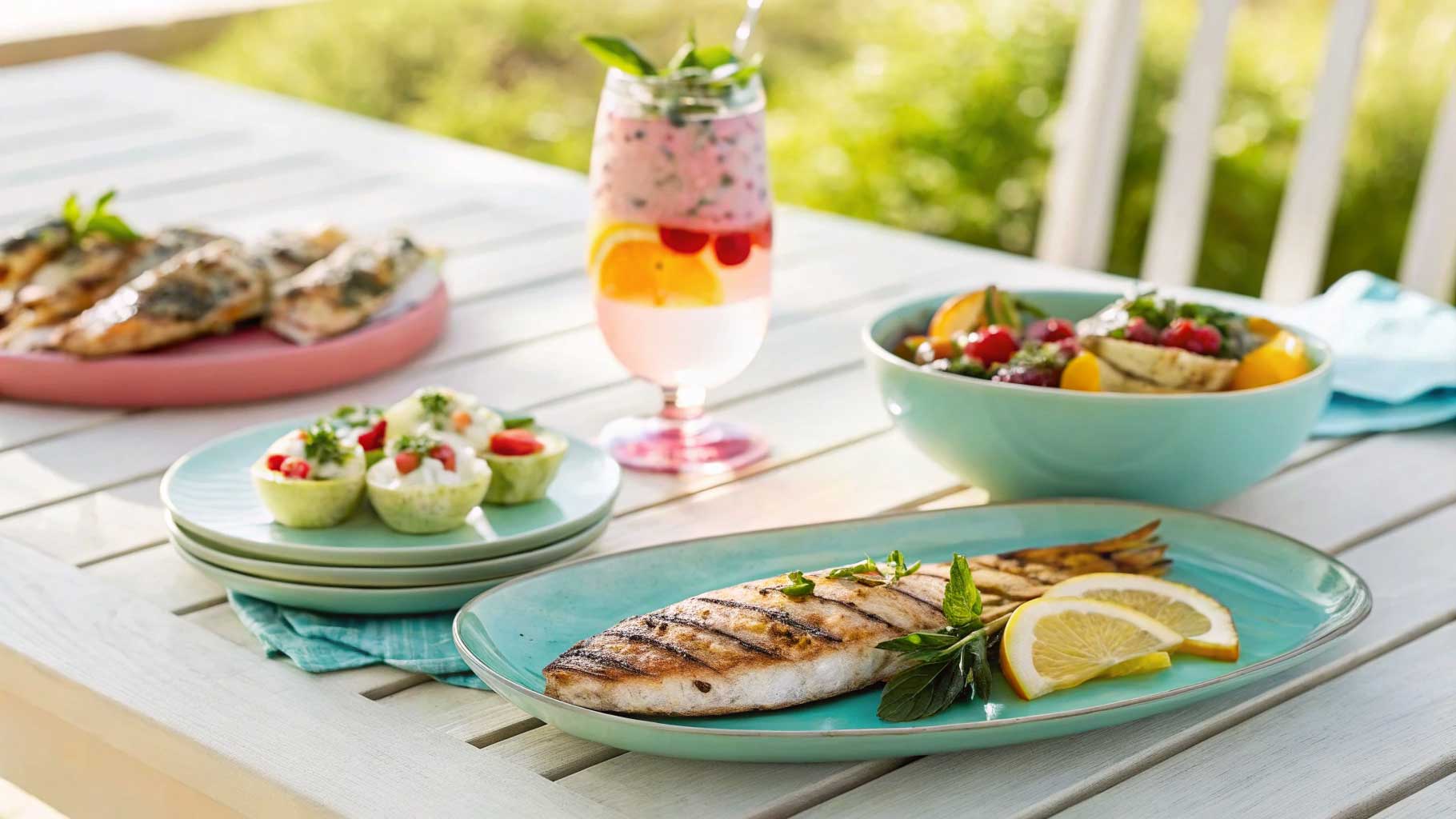
SUMMER FOOD TRENDS 2025: Master What's Hot & What's Next
Think Summer Food Trends 2025 are too overwhelming to tackle effectively? Think again.
The biggest mistake food professionals make isn't ignoring trends – it's overcomplicating them. While your competitors stress about exotic ingredients and fancy equipment, the real money lies in understanding which trends you can actually execute profitably.
Restaurant trends come and go faster than a food truck at lunch rush, but this summer's patterns represent something bigger than seasonal shifts. We're seeing a complete reimagining of what summer food can be.
What Is the Biggest Food Trend Right Now?
The answer isn't what you'd expect. While everyone's talking about plant-based this and AI-powered that, the real shift is what industry insiders call refined simplicity. This isn't about dumbing down your menu – it's about letting premium ingredients shine without unnecessary complications.
Think about it: when did you last see a customer get genuinely excited about a dish with twenty ingredients versus one that perfectly executed three? The simple seafood movement is proving this point, with sustainable seafood restaurant chains reporting 20% revenue increases year-over-year.
But here's what most operators miss: this trend isn't just about simplicity. Research reveals that consumers increasingly seek products that tell a story through their ingredients, cultural authenticity, and functional benefits. This narrative-driven consumption pattern has led to what researchers call "emotional resonance" in food products, where purchasing decisions extend beyond taste to include values alignment and lifestyle integration.
The Functional Food Revolution: Beyond Basic Nutrition
Here's where things get interesting. Your customers aren't just hungry anymore – they're strategic about their food choices. The protein-forward trend has evolved beyond gym bros chugging shakes. We're seeing protein-packed waffles designed for busy mornings and meat sticks formulated with high protein and low sugar hitting mainstream menus.
But it goes deeper than protein. Customers want their food to work for them. Prebiotic beverages are gaining serious traction for digestive support, while mushroom powders and adaptogen-infused options offer relief for focus and stress management. This reflects a shift where food plays a direct role in overall well-being.
The clean label demand isn't going anywhere either. Brands are responding with offerings that minimize ingredients and eliminate artificial additives. Even indulgent treats are getting the clean treatment, with portion-controlled options that allow for guilt-free enjoyment.
However, there's a gap between consumer interest and actual purchasing behavior. While shoppers express enthusiasm for wellness-focused products and international cuisines, actual buying patterns often favor familiar options. This disconnect requires considerable marketing investment and gradual introduction strategies. Smart operators bridge this gap through multiple touchpoints: in-store signage explaining health benefits, staff training to articulate ingredient advantages, digital content showcasing preparation methods, and sampling programs that let customers experience unfamiliar flavors risk-free.

Global Flavors Meet Local Comfort
The American palate continues expanding, but not in the way you might think. Sure, Asian influences like Korean and Japanese remain strong, but the real opportunity lies in unexpected fusion combinations – exactly the kind of flavor fusion combinations that can transform a standard menu into something memorable.
Sweet and spicy profiles are dominating everything from bacon to glazes. But here's the twist – we're seeing unconventional pairings like cheesy queso with ranch notes in snack chips, or pickle combined with classic mustard. These aren't random experiments; they're calculated risks that pay off when executed properly.
The non-alcoholic movement has created an interesting opportunity too. Cocktail-inspired flavors like piña colada are appearing in snacks, offering taste experiences without alcohol content. Smart operators are capitalizing on this by adapting popular cocktail flavors into food items.

Simple Seafood: The Summer Standout
Simple seafood takes the crown as 2025's cuisine of the year. This trend emphasizes clean, fresh flavors and straightforward preparation methods that allow fish and shellfish characteristics to dominate the dining experience.
Recent market data shows the commercial viability is real. Virtual seafood marketplaces report 25% increases in sales, indicating strong consumer demand for direct-to-consumer options that emphasize quality and traceability. Seafood subscription box services show 30% increases in subscriber growth, proving consumers will invest in convenient, high-quality seafood options.
Restaurant applications focus on highlighting seasonal availability and regional specialties. Menu development emphasizes techniques that enhance rather than mask natural flavors, with preparations featuring minimal seasoning and gentle cooking methods.

Botanical Beverages: Sophisticated Refreshment
The botanical spritz category represents one of the most rapidly growing areas, combining sophisticated flavor profiles with Instagram-worthy visual appeal. This trend includes both alcoholic and non-alcoholic options, reflecting industry adaptation to diverse consumption preferences.
These products provide what researchers term "micro-vacation experiences" – brief escapes from daily stress through sensory engagement. Current popular combinations include cucumber-mint shiso, elderflower-lavender sparkle, and basil-limeade variations that demonstrate global influence and creative possibilities.
An important note: hyper-local sourcing has extended beyond ingredients to include beverages, with local beer and wine making notable inroads on restaurant menus across multiple markets. This reflects broader concerns about supply chain resilience and environmental impact – two factors that resonate deeply with customers who care about sustainability across all purchasing decisions, not just trendy items.
Commercial applications range from ready-to-drink products to concentrate formats that allow customization and cost management. Restaurants report strong margins on botanical spritz offerings, as premium pricing gets supported by perceived value and experience quality.

The Sundae Renaissance: Nostalgic Innovation
The sundae renaissance represents a sophisticated evolution of childhood nostalgia, incorporating global flavors and artisanal techniques into familiar formats. We're seeing toasted coconut ube, yuzu marshmallow ripple, and brown sugar miso caramel swirl variations that blend comfort with culinary adventure.
Market research indicates this appeals particularly to millennial and Generation Z consumers who value both nostalgia and novelty. These demographics demonstrate willingness to pay premium prices for unique flavor experiences that provide social media content opportunities while satisfying emotional connections to childhood memories.
Limited-time offering strategies demonstrate higher success rates, with 60% conversion to permanent menu items when properly executed. For bakeries looking to capitalize on this trend, consider how seasonal menu changes can incorporate these nostalgic-meets-global concepts.

Functional Treats: Wellness Meets Indulgence
Functional and mood-boosting treats represent the next major market evolution. This trend includes supplements designed for summer-specific needs, including hydration support, energy enhancement, and mood regulation, packaged in formats that prioritize taste over traditional pharmaceutical presentations.
The global hydration supplement market reached $36 billion in 2024, with projected compound annual growth rates of 7.9% through 2034. Summer-specific supplements targeting hydration, electrolyte balance, and energy support gain particular traction among active consumers.
The functional treats segment embraces ingredients previously associated with dietary supplements – adaptogens, probiotics, and nootropics – integrating them into familiar snack and dessert formats. Popular applications include protein-enhanced ice cream bars, probiotic-infused frozen yogurts, and adaptogen-containing chocolate products.
The Hidden Challenges Food Pros Face
Here's what nobody talks about but everyone deals with: the operational reality of putting these trends into practice is brutal. Supply chain complexity represents the primary operational challenge, particularly for specialty ingredients like artisanal botanical extracts, sustainable seafood, and exotic flavor combinations. Many trending ingredients have limited supplier networks, creating potential availability issues and price volatility that complicates menu planning and cost management.
But it gets worse. Climate change impacts on ingredient availability and seasonal patterns create underlying pressures that may dramatically alter trend sustainability and cost structures. Recent extreme weather events, including devastating fires and flooding, demonstrate the vulnerability of agricultural systems that support trending ingredients, particularly specialty crops and sustainable seafood sources.
The technology gap is another killer. Technology-driven food experiences create barriers for smaller operators lacking capital investment capabilities. AI-powered menu planning, smart kitchen equipment, and advanced food preservation technologies require large financial commitments that may exclude independent restaurants and smaller food service providers from trend participation. This technology gap could worsen industry consolidation trends and limit innovation diversity.

The Labor Reality Nobody Mentions
Current staffing challenges in restaurants and food production facilities limit operators' ability to execute complex trend-based offerings consistently. The gap between trend complexity and available workforce capabilities may force industry adaptation toward simpler approaches or increased automation.
Staff training requirements for trend execution represent ongoing operational challenges, particularly for complex preparation techniques and unfamiliar ingredients. The rapid pace of trend evolution requires continuous education programs that strain operational budgets and management resources, particularly in high-turnover food service environments.

The Price Problem
Here's something most trend reports ignore: the premium pricing associated with many 2025 food trends creates accessibility barriers that could limit widespread adoption and potentially worsen food inequality issues. While affluent consumers drive initial trend adoption, broader market success requires adaptation strategies that maintain appeal while reducing cost barriers.
This challenge particularly affects sustainability-focused trends, where ethical sourcing often commands notable price premiums. Success requires careful cost management and portion control to maintain profitability while delivering expected value.

The Psychology Behind the Trends
Consumer surveys indicate increased stress levels regarding economic uncertainty, global politics, and climate change. These mounting pressures – from inflation anxiety to political division to environmental concerns – are creating demand for food experiences that provide comfort and escapism. This isn't just about wanting tasty food; it's about seeking emotional relief through familiar flavors and indulgent experiences.
This psychological context explains why we're seeing the simultaneous appeal of both indulgent "crave-worthy" products and wellness-focused functional foods. Consumers want treats that make them feel better in the moment AND choices that support long-term well-being. Understanding this dual motivation helps explain why trends like the sundae renaissance (comfort) and functional beverages (wellness) are thriving together rather than competing.
Smart operators tap into this by crafting menu descriptions and marketing messages that speak to emotional needs beyond hunger. The most successful trend applications tell stories that connect with customers' desire for comfort, adventure, or wellness during uncertain times.

Making Trends Work: Practical Steps
Success with these trends requires more than menu additions – it demands careful planning. The most successful approaches combine multiple trends into cohesive concepts rather than treating each as isolated additions. This integration creates unique positioning while managing ingredient costs and staff training requirements.
Industry analysis reveals that trend adoption success depends heavily on understanding local market preferences and operational capabilities. Restaurants report that trend adoption requires careful consideration of supply chain implications and customer education needs.
Professional execution requires considerable attention to supply chain management, particularly for specialty ingredients like botanical extracts and sustainable seafood. Successful operators invest in supplier relationship development and staff training programs that ensure consistent execution.
Financial analysis indicates that trend-driven menu items can command premium pricing when properly positioned and executed. However, success requires careful cost management and portion control to maintain profitability while delivering expected value. This is where understanding menu pricing strategies becomes crucial for maintaining margins while embracing trends.

The Environmental Connection
Beyond climate change specifically, there's a broader environmental consciousness driving consumer choices across all food categories. Broader concerns about supply chain resilience and environmental impact influence everything from packaging choices to ingredient sourcing decisions. Customers increasingly evaluate their food purchases through an environmental lens, making sustainability a baseline expectation rather than a premium feature.
This environmental awareness extends to waste reduction, water usage, carbon footprint considerations, and ethical labor practices throughout the supply chain. Restaurants that can authentically communicate their environmental commitments – not just through marketing but through genuine operational changes – gain competitive advantages that extend well beyond individual trend cycles.
The Bottom Line
Summer 2025's food trends signal a broader industry shift toward integrated wellness, sustainability, and experiential consumption. Success requires adaptive capabilities that respond quickly to changing consumer preferences while maintaining operational efficiency and financial viability.
The convergence of health benefits, environmental responsibility, and sensory satisfaction represents a new baseline for product development rather than premium differentiation. Technology integration patterns indicate accelerating change in how consumers discover, purchase, and consume food products.
The most promising opportunities exist for operators who can integrate multiple trends into cohesive concepts that tell compelling stories about quality, sustainability, and wellness. This summer isn't just about following trends – it's about understanding the deeper shifts driving consumer behavior and positioning your business accordingly.
Whether you're planning event food concepts or reimagining your regular menu, these trends offer pathways to differentiation and growth. For more insights on navigating the evolving food industry, plus practical tips and trend analysis that help your business thrive, explore the full collection of resources at Plastic Container City's blog – your go-to source for staying ahead in food service.
Frequently Asked Questions
What seasonal ingredients work best for summer 2025 menus?
Focus on sustainable seafood varieties, botanical herbs for beverage applications, and fruits that complement global flavor profiles. Local sourcing extends to beverages, with regional beer and wine gaining menu presence.
How can smaller restaurants compete with technology-driven food trends?
Start with concentrate formats for botanical beverages, partner with local suppliers for specialty ingredients, and use limited-time offerings to test market response before major equipment investments.
What's the biggest operational mistake restaurants make with summer trends?
Underestimating supply chain complexity for specialty ingredients. Many trending components have limited supplier networks, creating availability issues and price volatility that complicates planning.
How do you balance premium pricing with market accessibility?
Develop tiered offerings that maintain trend appeal at different price points. Consider portion-controlled premium options alongside value-oriented versions using similar flavor profiles.
What role does storytelling play in trend success?
Narrative drives purchasing decisions beyond taste. Successful applications connect emotionally with customers' desires for comfort, adventure, or wellness through menu descriptions and marketing that emphasize ingredient origins and preparation methods.
