

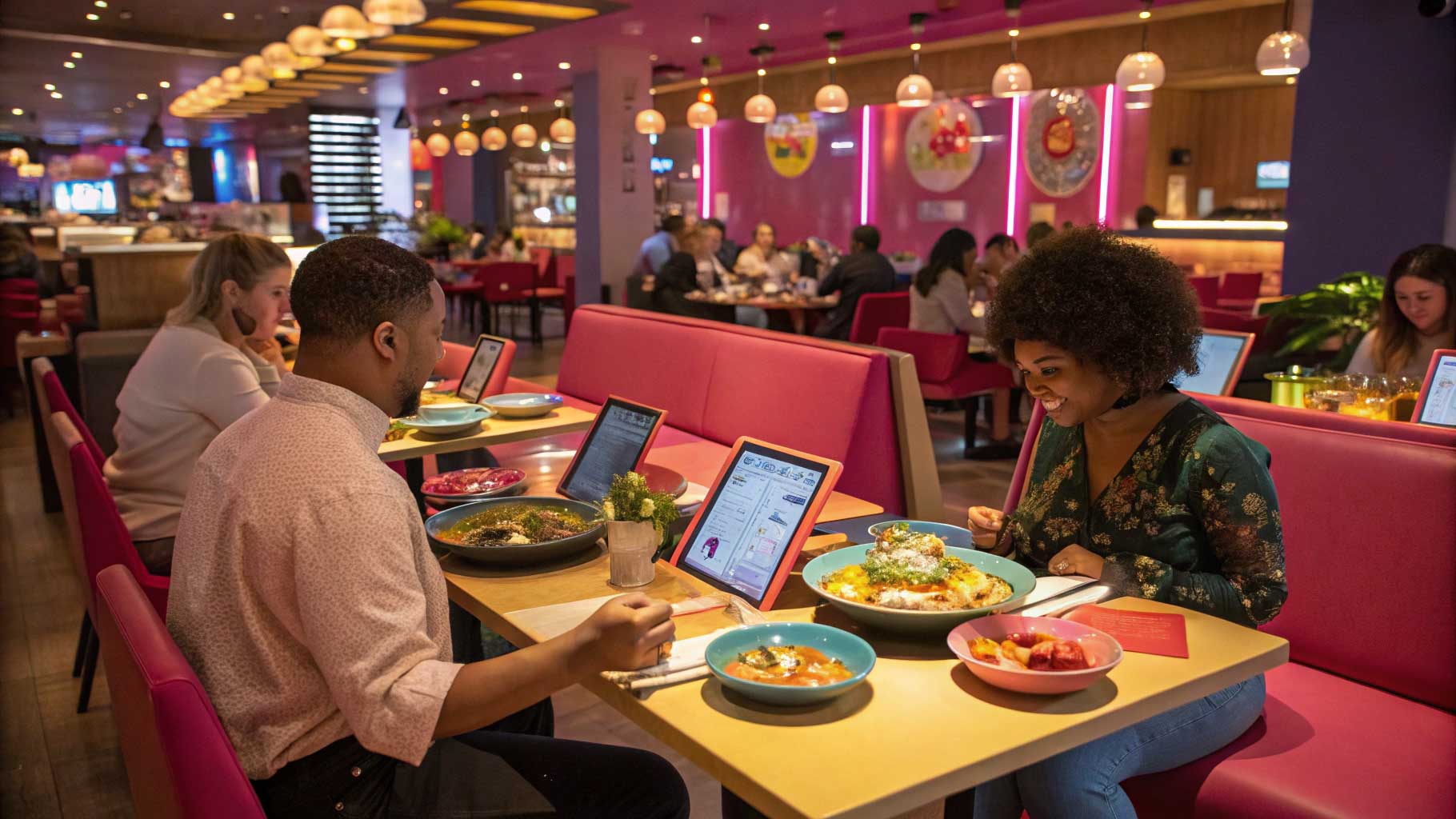
Ever wondered why some restaurants keep customers coming back while others struggle to build loyalty? The secret might be hiding in plain sight.
The food service industry is changing rapidly, with artificial intelligence reshaping how restaurants connect with guests. This isn't just about remembering a regular's favorite dish—it's about using data to create experiences so tailored they feel almost magical.
What is Hyper-Personalization in Food Service AI?
Remember when getting a birthday email from your favorite restaurant felt special? Cute, but that's kindergarten stuff now. In 2025, food service establishments are using smart AI systems to analyze your mood, activity levels, and even biological signals—creating experiences that make you feel like the only customer in the world.
Here's something wild: about 75% of consumers actually want restaurants to use their data this way. They're practically begging for more personalized treatment. And restaurants are listening.
Want to know why? Because brands that nail personalization make 40% more money than those stuck in the old ways. For restaurant owners trying to stand out in a sea of sameness, that's like finding a golden ticket.

How AI is Transforming Restaurant Operations Right Now
Behind those fancy digital menus and personalized offers, AI is working overtime in restaurant kitchens and offices too. It's not just making customers happy—it's changing how the whole business runs.
Think of AI as that super-efficient kitchen manager who never sleeps. It helps restaurants:
. Figure out what should be on the menu based on what people like and what ingredients cost
. Predict busy times so less food gets tossed (cutting waste by up to 15%)
. Handle customer questions automatically, saving 30% on service costs
. Plan delivery routes that get your food to you 20-30% faster
Almost 9 out of 10 restaurant owners now love AI, especially for behind-the-scenes stuff like tracking ingredients and scheduling staff. And why wouldn't they? Places using these smart systems are 30% more efficient on average.
Here's what's happening in different corners of the restaurant:
Examples of Hyper-Personalization in Action
Want to see who's already killing it with AI? These food brands aren't just dipping their toes in—they've gone full cannonball.
Panera Bread is analyzing your sandwich history through its MyPanera loyalty program, suggesting new items you'll probably love before you even know you want them.
Pizza Hut transformed its marketing game with AI-powered 1:1 personalization, tailoring offers to exactly what you like. No more generic coupons for stuff you'd never order.
KFC's tech makeover blended their quirky brand personality with modern convenience, resulting in a tasty 13% jump in same-store sales over two years, 40% open rate from their emails, and $2.1 million extra in their cash register.
Taco Bell launched AI-powered voice ordering at drive-thrus that actually understands what you're saying (finally!). They're also using AI for personalized marketing that's boosted both engagement and sales.
Whole Foods lets AI manage their inventory, cutting food waste by 20% and keeping shelves stocked. Their personalized promotions are getting 30% more redemptions and making average purchases 9% bigger.

The Future of Hyper-Personalization in Food Service
The AI magic show we're seeing today? Just the warm-up act. What's coming next will make your jaw drop.
Predictive Personalization
Imagine a restaurant that knows what you want before you do. AI systems now analyze your past dining behavior, preferences, and even your current mood to suggest the perfect meal, wine pairing, or special offer.
Loyalty programs supercharged with machine learning have become genuinely fun instead of just point-collecting chores. Meanwhile, restaurants are using smart forecasting to staff up just right—no more endless waits when it's busy or bored servers when it's slow.
How Generative AI is Driving Hyper-Personalization
Health nuts, rejoice! AI-powered nutrition is the next big thing. Using data from your fitness tracker, genetic tests, and food preferences, restaurants can craft meals perfectly suited to your body's needs.
Food brands are launching AI-driven platforms with meal kits that fit your exact dietary requirements and supplements that target your specific wellness goals. They're also adding more functional foods—think super grains, medicinal mushrooms, and plant proteins—that do more than just fill your belly.
Dynamic Pricing
Remember how concert tickets cost more on weekends? Restaurants are getting in on that game. AI lets them adjust menu prices based on demand, ingredient costs, and time of day. This means maximum profits during the Friday night rush but sweet deals during those Tuesday afternoon lulls.
More restaurants are testing AI-powered dynamic pricing every day. When done right, everybody wins—you get discounts during slow times, and restaurants stay profitable while managing their inventory better.
The Algorithm Balancing Act
With all this personalization comes an important question: are the algorithms running the show playing fair? AI systems can inadvertently create biased outcomes if they're not carefully designed and monitored.
Imagine an AI that pushes high-margin dishes to certain customers while offering better deals to others, or marketing systems that exclude particular neighborhoods based on flawed data patterns. The most responsible restaurants are building oversight into their AI programs to ensure recommendations and offers are ethical and inclusive.
Choice in the Age of Hyper-Personalization
There's a fascinating tension in all this personalization. While AI gets better at predicting what you'll like, could it accidentally put you in a "taste bubble" where you never discover new things?
Smart restaurant owners recognize this risk and build in serendipity—occasionally suggesting items outside your usual choices or highlighting new menu additions. The goal isn't just to predict your exact preferences but to delight and surprise you while respecting your autonomy to choose.

Navigating the Challenges of Food Service AI
All this AI wonderland comes with some bumps in the road. Let's look at what restaurant owners need to watch out for.
Data Privacy Concerns
These smart AI systems need to collect and analyze your data to work their magic. But people are getting more protective of their personal info, which could put a damper on the whole personalization party.
Keeping customer data safe isn't just nice—it's necessary. Poor data management or ignoring privacy laws like GDPR can lead to hefty fines and seriously damaged reputations.
Balancing Automation and Human Connection
There's a tightrope walk between efficiency through automation and maintaining that human touch. AI can create amazing personalized experiences, but many customers still want to see a friendly face when they dine out.
The smartest restaurants are using technology to enhance human connections, not replace them. No robot can replicate the warmth of genuine hospitality.
The Workforce Question
Let's address the elephant in the dining room: job displacement. When robots take orders and AI manages inventory, what happens to the humans who used to do those jobs?
The reality is more nuanced than "AI steals jobs." While some routine roles may disappear, new positions often emerge—think AI trainers, experience designers, and data specialists. For restaurant owners, the challenge is helping staff evolve alongside technology, not getting replaced by it.
Operational Complexity
Setting up and running AI systems isn't like downloading an app. It requires skilled tech people for setup, maintenance, and troubleshooting. Connecting new AI tools with existing systems for payments, accounting, and inventory can be like solving a high-tech puzzle.
The fragmented tech landscape in restaurants—with countless payment systems and different hardware setups—makes integrating AI solutions even trickier.
A hidden roadblock many restaurants hit: data silos. When your ordering system doesn't talk to your loyalty program, which doesn't connect with your inventory software, AI can't work its magic. Breaking down these walls between different data sources is often harder than installing the AI itself.

How to Implement Hyper-Personalization in Your Establishment
Ready to jump into the AI game? Don't just grab the shiniest tech toy. Start with a plan that focuses on what your business actually needs.
Many success stories begin with small test projects—maybe inventory management or a personalized email campaign—before going all-in. This lets you experiment without betting the farm.
Partner with tech providers who understand restaurants, not just generic AI companies. Look for solutions built specifically for food service that won't require a computer science degree to operate.
Most importantly, use AI to highlight what already makes your place special. Technology should amplify your restaurant's unique personality, not drown it out.
The Cost Reality Check
Let's talk money for a minute. While big chains throw millions at AI, many smaller restaurants face a different financial reality. Between tight margins and post-pandemic recovery, dropping big bucks on cutting-edge tech isn't always possible.
The good news? Start small and targeted. Some AI tools now offer pay-as-you-go models that let you test the waters without draining your bank account. Focus first on solutions with clear, quick returns—like inventory optimization that immediately reduces waste.
Keeping Your AI Fresh
Here's something the tech folks don't always mention: AI systems need ongoing attention to stay sharp. Like training a new employee, your AI needs continuous learning to keep up with changing customer preferences and menu items.
Build in regular check-ins to update your AI with new data and refine its recommendations. A system that perfectly predicted customer behavior last summer might miss the mark completely with this year's trends if left on autopilot.

The Road Ahead: AI's Deepening Impact
Looking ahead, AI will keep transforming everything about how food is made, delivered, marketed, and enjoyed. Hyper-personalization will get even more precise, potentially creating meals tailored to your exact nutritional needs and taste preferences.
The line between online and physical dining will get blurrier, with personalized experiences following you seamlessly from your phone to the table. Voice AI will become as common as touch screens for ordering.
For restaurant owners, staying current on these technologies while keeping the focus on genuine hospitality will be the recipe for success in this brave new world.
Conclusion
AI-powered personalization isn't just some fancy tech trend—it's reshaping how restaurants connect with customers from the ground up. The most successful spots are those that strategically implement these technologies to work smarter while creating experiences that feel special and personal.
The numbers don't lie: less waste, smoother operations, happier customers, and fatter profits. For anyone in the food business, understanding these tools isn't optional anymore—it's as essential as knowing your way around a kitchen.
As we move forward, the restaurants that thrive will be those that find the sweet spot between cutting-edge AI and the irreplaceable human touch that makes dining out worthwhile in the first place.
Frequently Asked Questions
What are the benefits of hyper-personalization?
The perks are pretty sweet: more loyal customers, bigger revenue (up to 40% more), lower operational costs, smarter inventory management, less food waste, and better staffing. But the biggest win? Standing out in a sea of sameness when everyone's fighting for the same hungry customers.
What is the ROI of personalization in restaurants?
The returns can be massive. Restaurants using AI-powered personalization have seen sales jump up to 15%, 30% more people redeeming personalized offers, 9% bigger checks on average, and way better customer retention. Plus, with more subscription options available, the startup costs aren't as scary as they used to be.
How does hyper-personalization work?
It's like having a super-attentive server who remembers everything about you. Systems collect data on your past orders, how often you visit, and what you like, then use AI to spot patterns and predict what you might want next. This powers personalized recommendations, special offers just for you, and experiences that feel tailor-made—all delivered right when you're most likely to want them.
What is the difference between personalization and hyper-personalization?
Think of personalization as the appetizer and hyper-personalization as the full tasting menu. Regular personalization might remember your name or suggest dishes based on what you've ordered before. Hyper-personalization goes much deeper, using real-time data about your current mood, location, weather, and even biological signals to create experiences that adapt instantly to your changing needs and context. It's the difference between "people who ordered burgers also liked these fries" and "based on your workout today, your typical eating schedule, and the rainy weather, here's what might hit the spot right now."
How can small restaurants compete with chains that have larger AI budgets?
You don't need Google-level resources to play this game. Small spots can focus on gathering and using their own customer data without investing in complex systems. Even simple personalization—like remembering regulars' preferences—creates meaningful connections. Many tech companies now offer affordable tools specifically designed for independent restaurants.
