

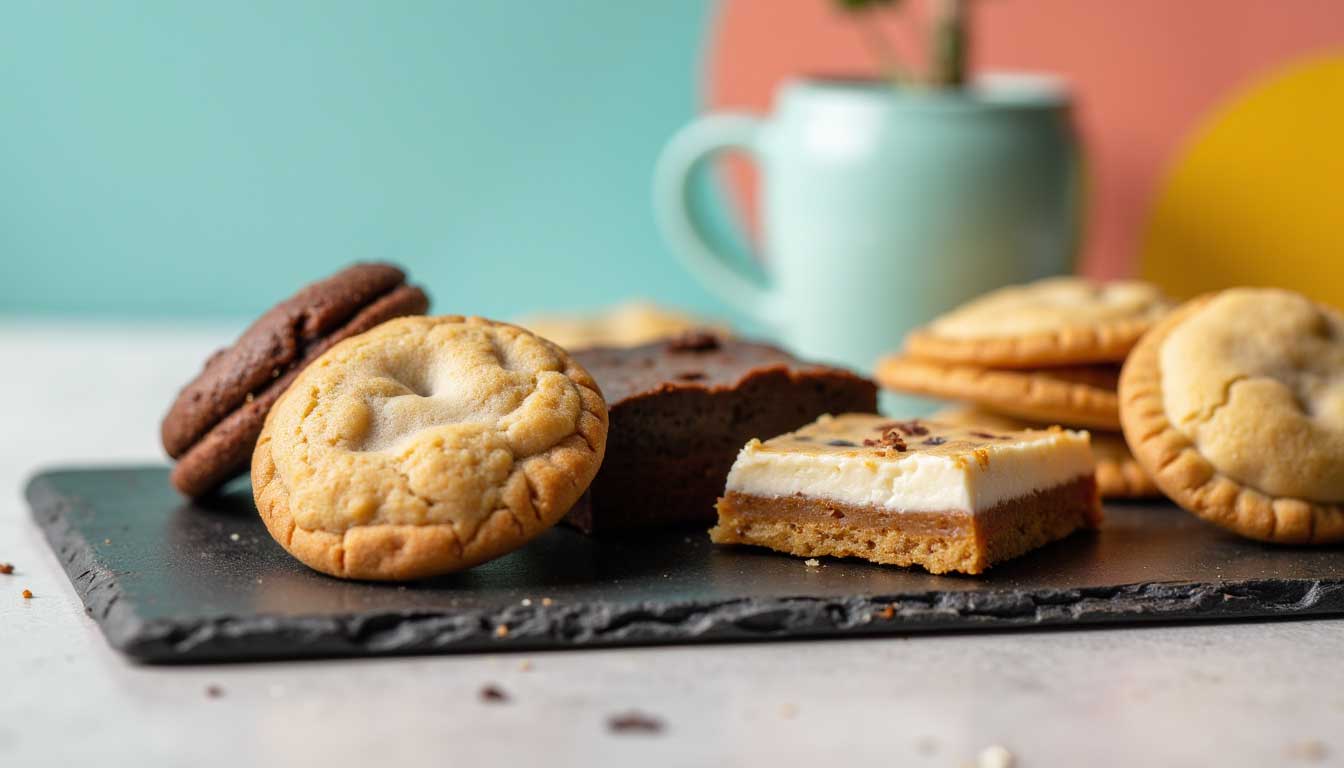
Running a food business and watching perfect desserts sit unsold until they hit the trash? Grab-and-go treats that sell are formats like cookies, brownies, bars, and hand pies that maintain structural integrity during transport, require minimal labor, and deliver profit margins between 65% to 80%. You're probably losing 5% to 10% of your revenue to spoilage right now while competitors bank on single-serve formats that practically sell themselves.
What Desserts Are Most Popular to Sell?
The most popular desserts to sell are cookies, brownies, bars, and hand pies because they're naturally durable, maintain quality without refrigeration, and achieve the highest profit margins in foodservice. These aren't just random winners—they're formats that solve every operational headache you've got.
Why These Formats Dominate
Think about it: cookies and bars are the gold standard of portable desserts for a reason. Their low-moisture composition means they can handle real-world conditions:
. Stack without crushing in display cases • Survive being tossed in delivery bags
. Maintain texture at room temperature • Need minimal protective packaging
The math here is brutally simple. When you're dealing with formats that naturally resist damage, you're not burning cash on fancy protective packaging or watching your team spend 20 minutes assembling delicate dessert boxes. At Plastic Container City, we've noticed our busiest customers—the ones reordering containers weekly—are almost always the ones who've figured out this durability equation.
The Labor Reality Check
Here's what nobody wants to admit: only 35% of operators feel confident in their labor strategy right now. You can't build a business on formats that need a pastry chef's touch when you can barely keep your shifts covered.
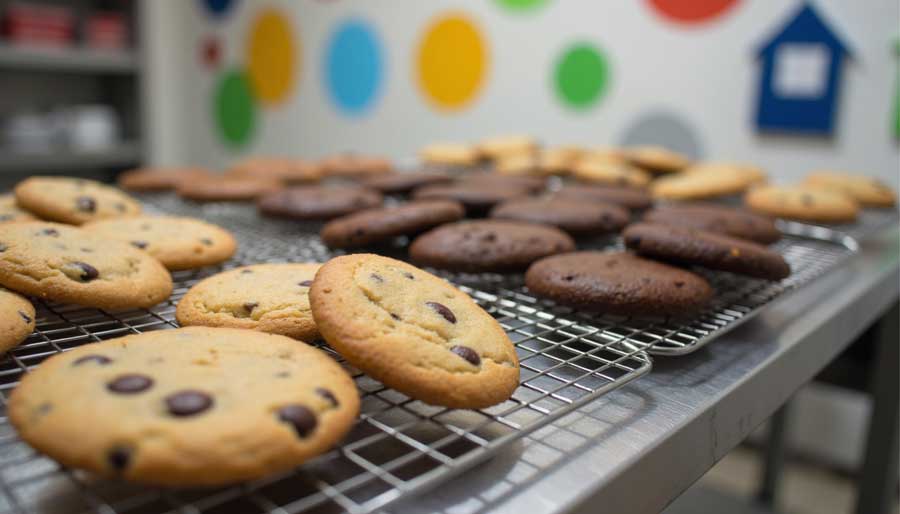
Batch production is your salvation here. Those cookies you're cranking out 60 at a time? That's efficiency. Compare that to individually plating and garnishing fancy desserts, and you'll see why smart operators are doubling down on formats that play nice with automation and minimal finishing work.
What Is the Most Profitable Bakery Item?
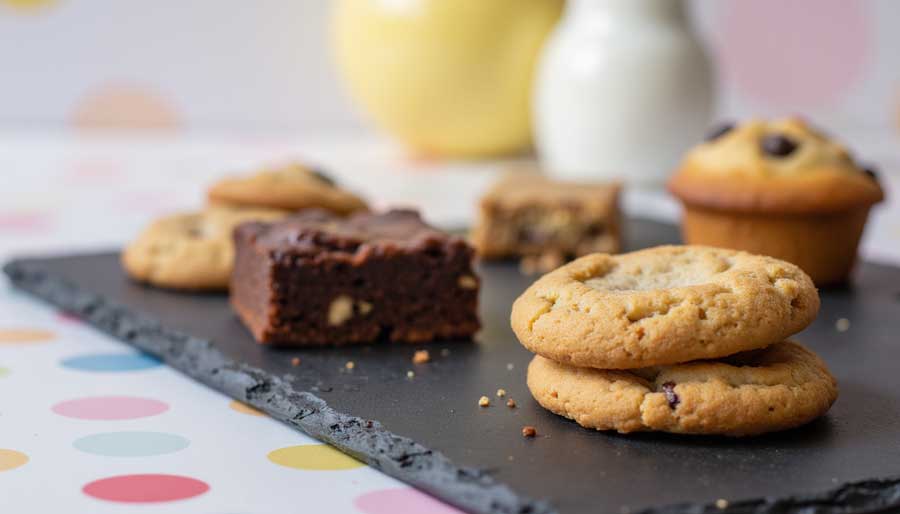
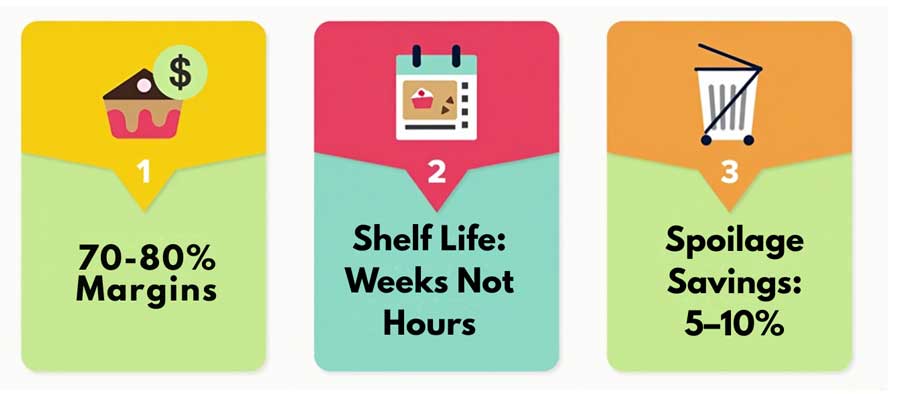
The most profitable bakery items are single-serve packaged treats with profit margins reaching 70% to 80%, particularly individually wrapped cookies, brownies, and cupcakes that eliminate portion waste. The secret sauce isn't in what you're making—it's in how you're packaging and positioning it.
The Single-Serve Profit Machine
Single-serve desserts are literally called a "Profit Machine" in the industry, and for good reason. When you pre-portion everything, you're not just controlling costs—you're eliminating the biggest profit killer in dessert service: the half-eaten slice that goes in the bin. For a deeper dive into maximizing dessert profitability, check out the baker's profit playbook.
Breaking Down the Economics
Let's get real about the numbers. Traditional desserts might look gorgeous in your case, but every unsold slice is money down the drain. Meanwhile, that individually wrapped brownie? It's got a shelf life measured in weeks, not hours.
The water activity game is where professionals separate themselves from amateurs. Keep your products below 0.85 aw (that's water activity for those keeping score), and you've got items that laugh at room temperature storage. This isn't some fancy food science—it's the difference between products that spoil and products that sell.
Packaging That Pays for Itself
Many of our customers tell us they initially balked at the cost of moisture barrier packaging. Then they did the math: if you're preventing even 5% of spoilage with better packaging, those foil barrier bags aren't an expense—they're an investment in margin protection. Learn more about how bad bakery packaging costs you real money every single day.
What Desserts Don't Need to Be Refrigerated?
Desserts that don't need refrigeration include cookies, brownies, bars, macarons, and properly packaged hand pies—all maintained stable through controlled water activity below 0.85 aw. This isn't about luck; it's about understanding the science of shelf stability.
The Science Behind Shelf Life
Here's where things get interesting. Water activity (aw) determines shelf life, not total moisture content. You can have a moist brownie that's shelf-stable for weeks if the water is chemically bound by ingredients like sugar or specialty humectants.
Working Smarter with Formulation
The market's seeing innovations like CapMoist® Sugar Free humectants—cassava-based ingredients that keep products moist while actually improving shelf life. This is the kind of ingredient innovation that turns a 3-day product into a 3-week product.
But here's the catch: the clean label movement is creating a minefield. Natural preservatives often cost more and work less effectively than synthetic options. Rushing reformulation without meticulous testing can lead to dramatic shelf-life reduction and brand damage. Before you jump on the all-natural bandwagon, remember that a shorter shelf life means more waste, and waste means lower margins. The smart play? Start with naturally low-moisture formats like cookies and bars rather than trying to engineer stability into inherently risky items.
Table: Grab-and-Go Profitability Matrix
What Is the Easiest Food to Make and Sell?
The easiest foods to make and sell are cookies and brownies due to their simple batch production, minimal equipment needs, and forgiving preparation that doesn't require specialized skills. This is why every successful bakery has these as their workhorses.
Production Efficiency at Scale
When 59% of operators say labor challenges are blocking their expansion, you need formats that new staff can master in a shift, not a semester.
The Automation Advantage
The cost of automation is dropping while labor costs rise, making depositors and portioning equipment suddenly affordable for smaller operations. Those cookie dough balls? A machine can portion them perfectly every time, freeing your humans for tasks that actually need creativity and customer interaction.
Strategic Ingredient Sourcing
Here's an insider move: buying pre-made, high-quality bases like ready-to-finish Churro Bites or Funfetti Message Cookies isn't cheating—it's smart business. Calculate your actual cost of skilled labor versus a slight increase in ingredient cost, and the math usually favors the pre-made route. You're effectively outsourcing specialized labor while guaranteeing consistency—a win-win when your team is already stretched thin.
Maximizing Your Grab-and-Go Success
Display Strategy That Drives Sales
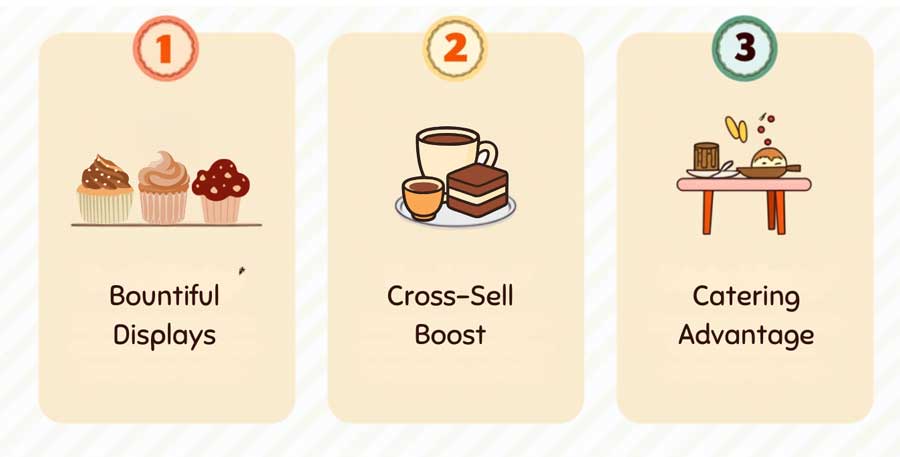
Your display is your silent salesperson, and it needs to work overtime. Successful displays look "bountiful" —sparse cases suggest old product, even when everything's fresh. Use vertical space with clear containers and risers. Skip the manufacturer-branded displays and invest in fixtures that reinforce your brand identity.
The Cross-Sell Goldmine
Cross-selling can boost your average ticket significantly when done right. That customer buying coffee? They're already in spending mode. A simple "Our brownies pair perfectly with that blend" can turn a $4 sale into an $8 sale with 70% margins on the add-on.
Catering: Your Volume Play
For catering and events, grab-and-go formats solve every logistical nightmare. Hand pies are considered "ultimate easy-to-transport desserts" because the pastry shell is the container. Why these dominate event settings:
• No plates, forks, or cleanup crew needed • Inclusive options easily accommodated (gluten-free, vegan) • Transport without refrigeration trucks • Individual portions mean no cutting or serving time
At Plastic Container City, we've seen a sharp increase in orders for individual dessert containers tied to pop-up events and corporate catering. The operators crushing it are the ones offering inclusive options—gluten-free brownies, vegan cookies—all in professional, portable packaging.
The Bottom Line
Look, the future of dessert profitability isn't in Instagram-worthy layer cakes that need perfect temperature control and a prayer to survive transport. It's in durable, delicious formats that respect both your margins and your sanity.
With 77% of Gen Z and 72% of Millennials buying on-the-go monthly (and their food trends are reshaping everything), you're either capturing this demand or watching it walk past your beautiful, impractical desserts. This isn't just about convenience—it's about what the industry calls the "Youth Margin Multiplier": when high-frequency purchases from younger customers combine with treats sporting 70-80% margins, you get a compounding revenue stream that traditional desserts simply can't match.
This isn't just theory—it's a proven brand strategy. Consider Breads Bakery in NYC—they turned a durable, layered babka into a nationally recognized packaged brand by obsessing over quality control and smart packaging. That's the power of marrying durability with brand strategy. The grab-and-go container market hitting $2.94 billion isn't a trend—it's the new normal.
Stop fighting the realities of modern foodservice. Embrace formats that travel clean, last long, and turn inventory into revenue instead of waste. Your bank account (and your stress levels) will thank you.
Want more profit-boosting insights for your food business? Dive into our complete collection of industry tips and trends at the Plastic Container City blog—where we share the stuff that actually moves the needle.
FAQs
What is the fastest growing sales trend in food today?
The fastest growing sales trend is grab-and-go convenience foods, with the container market alone projected to grow at 7.60% CAGR through 2034, driven by younger consumers who prioritize portable, ready-to-eat options over traditional sit-down dining.
What baked goods have the highest profit margin?
Individual cookies, brownies, and bars consistently deliver the highest margins at 65-80% due to low ingredient costs, efficient batch production, minimal labor requirements, and extended shelf life that reduces waste.
How much dessert do I need for 50 people?
For 50 people, plan 75-100 individual grab-and-go desserts (1.5-2 per person) to account for variety seekers and seconds, focusing on mix-and-match formats like cookies, brownies, and bars that accommodate different preferences and dietary restrictions.
What are easy make-ahead party desserts?
Easy make-ahead party desserts include brownies, cookie bars, hand pies, and individually wrapped treats that maintain quality for days without refrigeration, require no last-minute assembly, and transport without special equipment or temperature control.
Which menu item generates the highest profit in bakeries?
Single-serve, pre-packaged items generate the highest profits because they eliminate portion waste, command premium pricing for convenience, extend selling windows through longer shelf life, and require minimal labor for service and packaging.
