

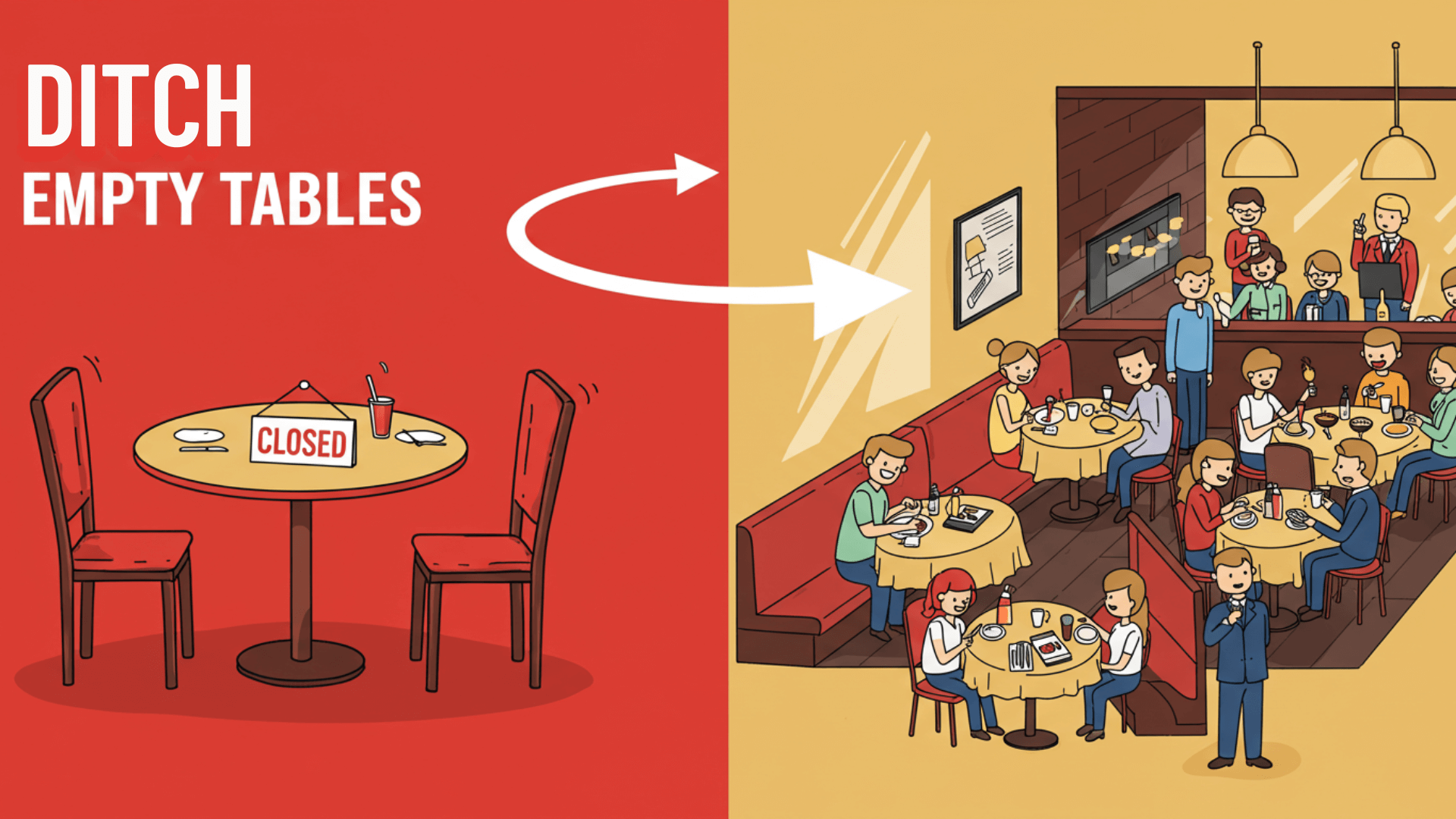
Got empty tables on a Friday night? Your menu is flawless, your staff is prepped, and your dining room oozes charm. But the seats are half-empty. Even the best meals need a spotlight. In 2025, standing out isn’t just about great food—it’s about smart, human-first marketing.
With the restaurant industry projected to hit $1.5 trillion in sales this year, and 9 out of 10 adults enjoying a good restaurant experience, making noise is crucial. Let's take a look at restaurant marketing that actually works and fill those tables.
First Things First: Know Your People, Know Your Vibe
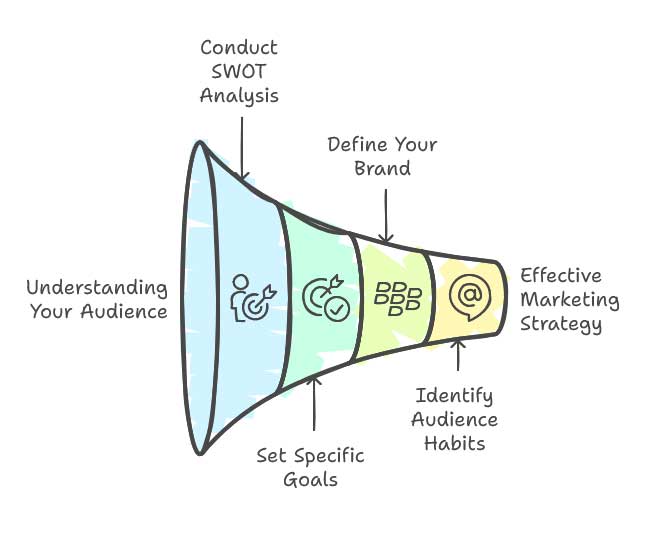
Before we get into the fancy stuff, let's get the basics right. This is your marketing plan – it's like your restaurant's GPS:
-
Who Are You Trying to Attract? Young professionals grabbing a bite after work? Families with kids? People who really care about food? Be specific! The better you know your ideal customer, the easier it is to reach them.
-
SWOT (It's Not as Scary as It Sounds): What are you great at (Strengths)? What could you do better (Weaknesses)? What's going on around you that could help (Opportunities)? What could hurt you (Threats)? It's just about being honest with yourself.
-
Set Real Goals: "Get more customers" is too vague. "Fill 20% more tables on Tuesday nights in the next two months" – that's a goal you can work towards.
-
What Makes You, You? This is your brand. Is it your family's secret recipes? Your chef's crazy-good skills? Your use of only local ingredients? Figure it out, and then tell everyone!
-
Work out where your target audience spend their time.
The 7Ps: Your Restaurant's Toolkit
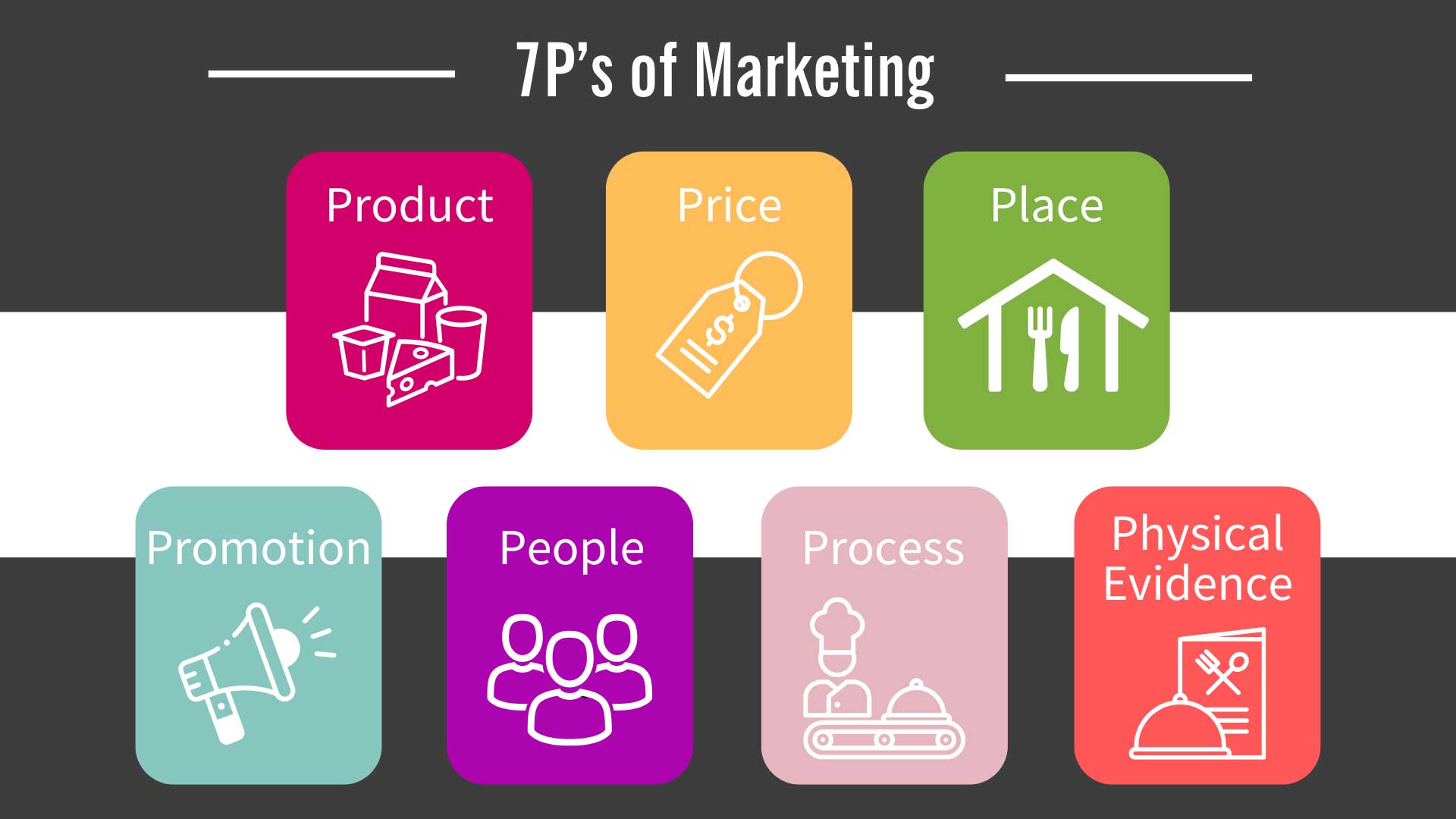
You might have heard of the 4Ps of marketing (Product, Price, Place, Promotion). But for restaurants, we need a few more. Think of them as the key ingredients in your marketing recipe:
-
Product: More than just food – it's the whole experience.
-
Menu quality
-
Food presentation
-
Atmosphere
-
Pro Tip: Have a must-photograph dish.
-
Price: A balancing act – profit vs. competition.
-
Research: Strategic pricing is more sustainable.
-
-
Consider special offers on slower nights.
-
Don't constantly discount – it can devalue your food.
-
Place: Where people find you – physically and online.
-
Your location
-
Your website
-
Delivery area
-
Google Maps presence
-
Important: 90% of people research restaurants online.
-
Promotion: Spreading the word.
-
Social media
-
Emails
-
Flyers (maybe!)
-
Key Fact: 79% of diners are influenced by others' photos/reviews.
-
People: Your team – the face of your restaurant.
-
Friendliness
-
Menu knowledge
-
Great service makes a huge difference.
-
Process: How smoothly everything runs.
-
Easy reservations
-
Quick, accurate service
-
Little things matter!
-
Physical Evidence: Everything a customer sees and touches.
-
Decor
-
Cleanliness (especially restrooms!)
-
Menus
-
Takeout packaging (make it look good!)
-
Pro Tip: 86% of diners share great-looking food pics
Getting Found Online: It's a Must
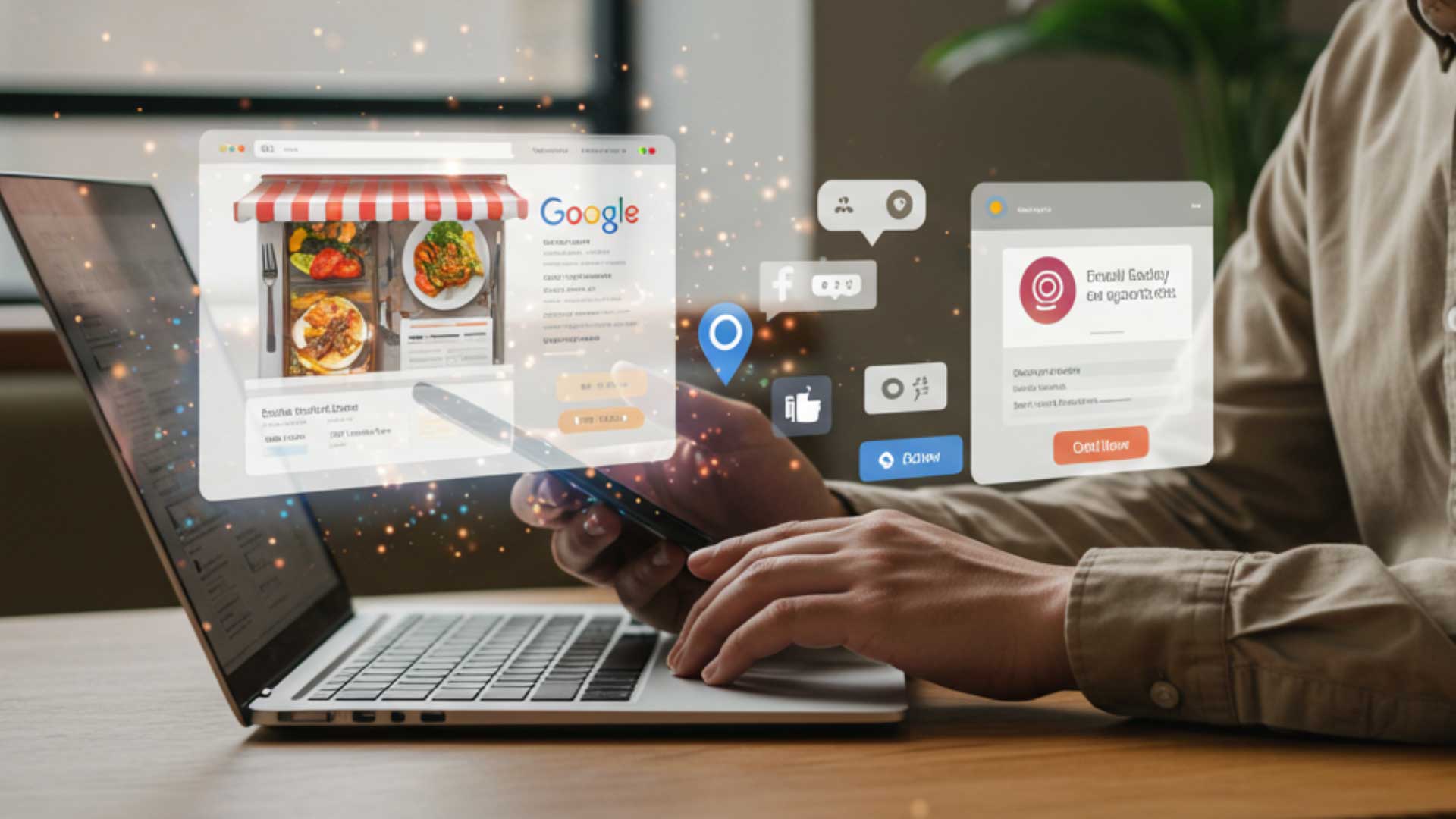
These days, if you're not online, you're almost invisible. Here's what to focus on:
-
Your Website: Your Online Home: This is where people go to check your menu, make reservations, and get a feel for your restaurant. It needs to look good, work perfectly on phones, and make it easy to order or book. Don't Forget: Many restaurants put all their effort into social media and neglect their own website. That's a mistake. Social media sends people to your website - 32% of people say so.
-
Google Business Profile: Free and Powerful: This is what shows up when people search for restaurants near them. Make sure your hours are right, add lots of photos, and link to your menu and online ordering. Seriously, this is one of the most effective, yet often overlooked, marketing tools.
-
Social Media: More Than Just Pretty Food: Yes, you need those amazing food photos. But you also need to tell your story. Share videos from the kitchen, introduce your staff, and talk to your followers. Respond to comments, answer questions, and run contests. Best Practice: Don't try to be everywhere at once. Pick two or three platforms where your target audience hangs out, and do them really well. Research shows that the best restaurants post on Facebook three times per week and three to five times on Instagram. To find out more, check out this blog post.
-
Team Up with Foodies: The Power of Influencer Marketing: Want a social media buzz? Local food influencers can help! Think of them as your word-of-mouth, amplified.
Find micro-influencers – smaller, engaged food lovers in your area. Offer a free meal or experience in exchange for posts. Let them get creative!
Track results with discount codes or links. See what works, and do more of it!
Check out this blog for more tips on influencer marketing.
- Email Marketing: It Still Works!: People might think email is old-school, but it's actually one of the best ways to keep in touch with your customers. Collect email addresses (on your website, in person, through reservations), and send out regular updates, special offers, and maybe even a fun fact or two. Expert Tip: Email marketing has a great return on investment. It's like having a direct line to your biggest fans.
Beyond the Screen: Real-World Connections
Digital marketing is important, but don't forget about the real world:
-
Local Partnerships: Team up with other businesses. Offer a discount to guests at a nearby hotel. Partner with a local brewery for a special event. It's a win-win.
-
Community Spirit: Sponsor a local sports team. Host a fundraising event. Show that you're part of the neighborhood. People like to support businesses that give back.
Stand Out from the Crowd
- Signature Dish/Experience: Have something that people can't get anywhere else. Something they'll rave about to their friends. Something they'll post on Instagram.
- User-Generated Content: Encourage your customers to take photos and videos, and share them with a special hashtag. It's like free advertising, and people trust it!

Promotions That Make Sense
- Strategic Deals: Instead of just cutting prices, offer special deals during slower times. Happy hour, a set menu on weeknights, or a loyalty program for regular customers.
- Gift Cards: A Smart Move: They bring in money upfront, and people often spend more than the value of the card. Plus, they're a great way to get new people to try your restaurant.
Keeping Score: Are You Winning?
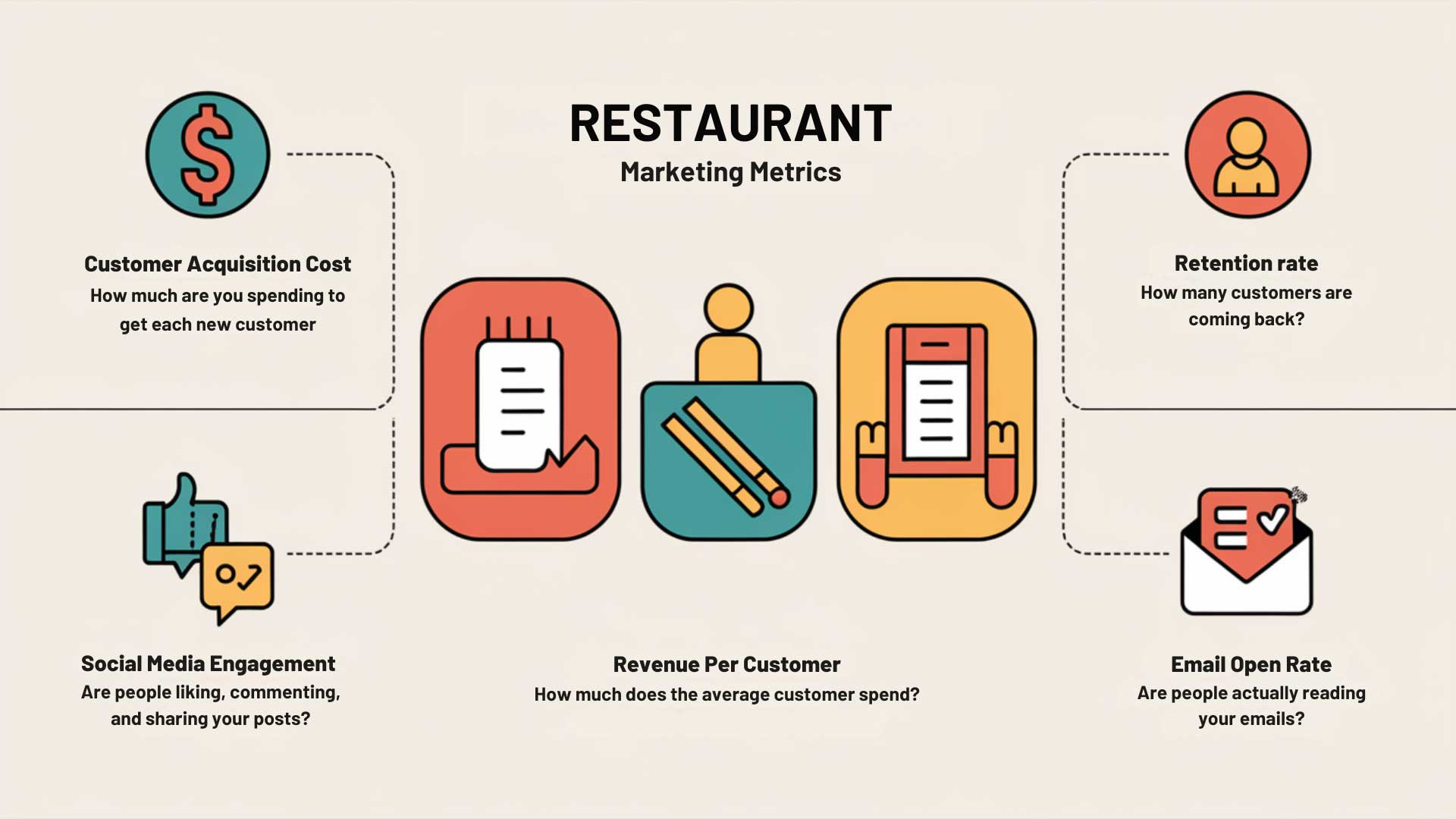
You need to know if your marketing is actually working. Here's what to keep an eye on:
-
Customer Acquisition Cost: How much are you spending to get each new customer?
-
Retention Rate: How many customers are coming back?
-
Revenue Per Customer: How much does the average customer spend?
-
Social Media Engagement: Are people liking, commenting, and sharing your stuff?
-
Email Open Rate: Are people actually reading your emails?
Mistakes to Watch Out For
-
Mixed-Up Branding: Your website looks fancy, but your menus are basic? Make sure everything fits your restaurant's style.
-
Ignoring Bad Reviews: Don't just ignore them! Respond nicely and try to fix the problem. It shows you care. Research confirms that responding to reviews is important. Check out our blog post hear about rescuing your restaurant reputation with an in depth guide on dealing with bad reviews.
-
Not Keeping Your Team in the Loop: If you're running a promotion, make sure your staff knows about it!
-
Always on Sale?: If you're constantly offering discounts, people will just wait for the next one.
-
Forgetting Your Regulars: Don't just focus on getting new customers. Reward the people who already love your restaurant.

Budget: How Much to Spend (and Where)
Most restaurants spend 3-6% of their sales on marketing. Newer restaurants might spend a bit more to get noticed. Here's a rough guide:
|
Marketing Channel |
Percentage of Budget |
What It Covers |
|
Website & SEO |
20% |
Website maintenance, updates, search optimization |
|
Social Media |
25% |
Content creation, scheduling tools, occasional paid promotion |
|
Email Marketing |
10% |
Email platform, design, automation |
|
Paid Advertising |
20% |
Google Ads, social media ads, local digital placements |
|
Print Materials |
10% |
Menus, flyers, in-restaurant signage |
|
Community Events |
10% |
Sponsorships, local event participation |
|
Experimental |
5% |
New platforms, emerging technologies, testing |
It's a Journey, Not a Sprint
Restaurant marketing isn't a one-and-done deal. It's about building relationships with your customers, telling your story, and always looking for ways to improve. The restaurants that do well are the ones that stay connected, show off what makes them special, and never stop trying.
The good news? Most people love eating out. Your job is to make sure they choose your restaurant.
FAQs: Quick Answers
How long does it take to see results?
You might see some quick results with social media or email, but building a strong brand takes time – usually 6-12 months of steady effort.
What's the minimum budget?
Even small restaurants should spend at least 3% of their sales on marketing. Focus on things that give you the biggest bang for your buck, like email, Google My Business, and local partnerships.
How important are food photos?
Super important. People eat with their eyes first. Get good photos!
Do I need to be on every social media platform?
Nope! Pick two or three where your target customers spend their time.
I don't have a big team. What can I do?
Automate! Schedule social media posts ahead of time. Set up email sequences that run automatically.
