

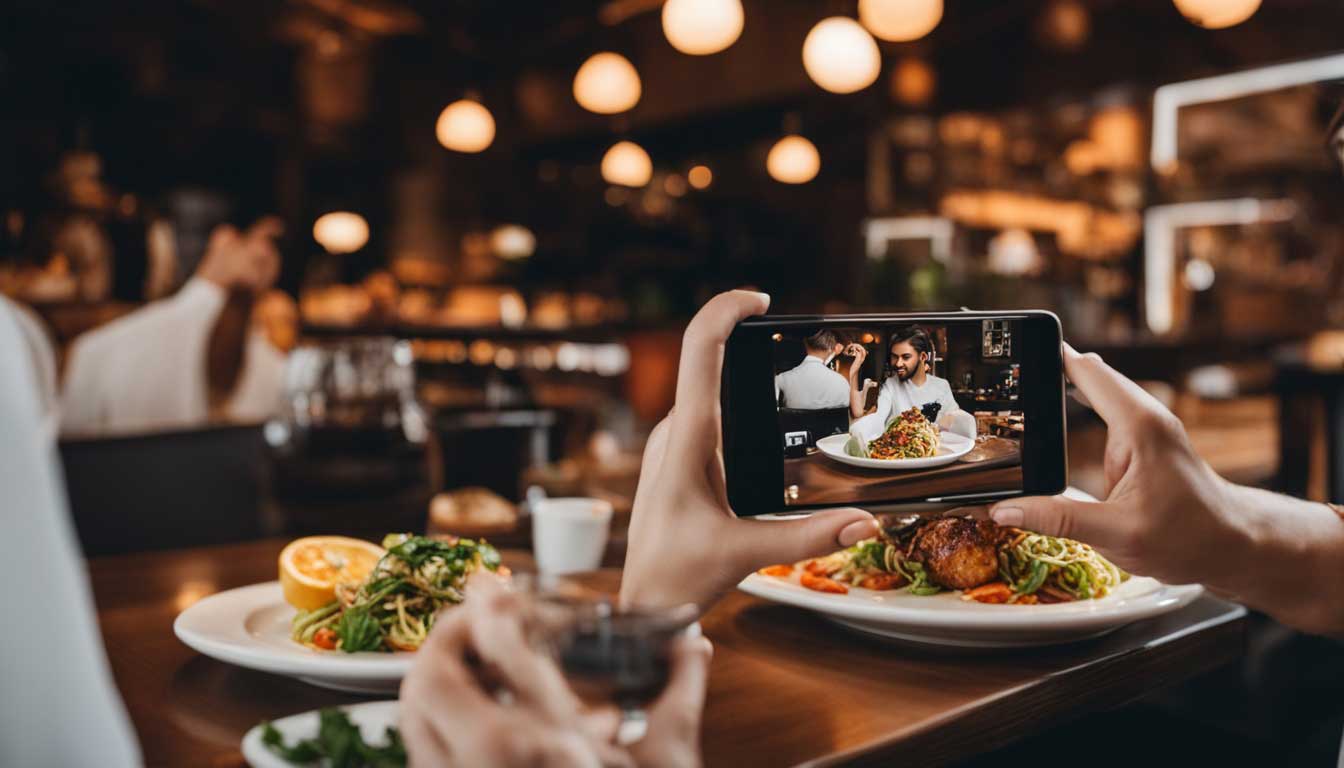
Maximizing Impact: Leveraging Influencer Marketing for Restaurants to Drive Success
In the fiercely competitive restaurant industry, cutting through the noise and standing out isn't just about dishing up great food—it's about smart marketing. Welcome to the world of restaurant influencer marketing, where a single post from the right social media influencer can give your restaurant the promotion it deserves.
Think of influencers as your culinary ambassadors. With their genuine recommendation and relatable content, they can light up your restaurant's unique flavors and experiences to a wider, much more engaged audience. It's marketing that doesn't feel like marketing because it is built on genuine connections and shared experiences.
Maximizing Impact: Leveraging Influencer Marketing for Restaurants to Drive Success shows you how to work with influencers effectively, make this modern strategy succeed, and bring in more potential customers. Be it through the vibrant visuals of Instagram, the snappy energy of TikTok, or the in-depth explorations of YouTube, influencers can increase your brand awareness and bring more people to your tables. Join us as we break down how to build these collaborations and boost your bottom line.
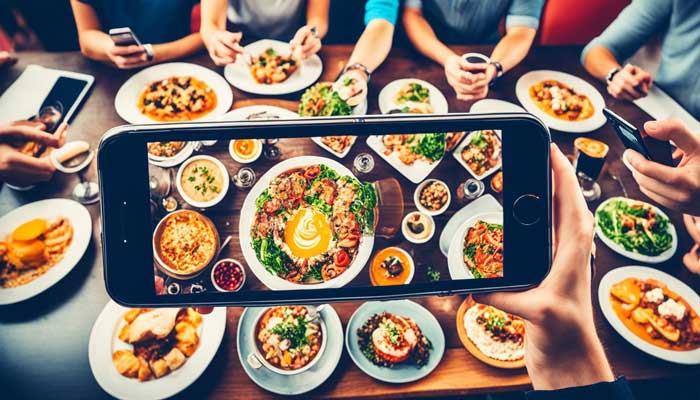
Importance of Influencer Marketing for Restaurants
In today's digital world, influencers can have a big impact on purchasing decisions, including the food and beverages they choose and where they dine. They can help extend your reach and build your restaurant's credibility. When influencers talk about their experience at your establishment, it creates authentic word-of-mouth marketing and can forge real relationships with potential customers.
Types of Influencers in the Food Industry
Understanding the different types of influencers in the food industry can help you find the best brand ambassador for your restaurant. Let's look at macro and micro-influencers, and the special traits of food bloggers and travel influencers.
Macro vs. Micro-Influencers
Choosing between macro and micro-influencers depends on their follower count and reach. Macro-influencers have a big following and can make your restaurant more visible - they usually have more than 100,000 followers. Micro-influencers, however, have a smaller but more engaged audience under 100,000 followers. They're great at creating personal connections and can seem more authentic.
Macro-influencers, like famous food bloggers, can spread the word about your restaurant to many people. Micro-influencers, including local ones, are perfect for reaching specific targetted groups and building a loyal community.
Characteristics and Expertise of Food Bloggers and Travel Influencers
Food bloggers are known for their deep knowledge of food and creating real, engaging content. They write detailed reviews that promote your restaurant and teach followers about your unique menu.
Travel influencers share global food insights, attracting a wide audience to your restaurant. Their stories often mix international and local flavors, making them great for attracting adventurous eaters.
Local influencers focus on regional foods and places, building community support. Working with these influencers can help your restaurant get noticed by locals who support local businesses.
Using insights from macro and micro-influencers, and the skills of food bloggers and travel influencers, can make a strong marketing plan for your restaurant.

Finding the Right Influencers for Your Restaurant
As we discovered, working with influencers can greatly increase your restaurant's visibility and engagement. But, it's key to pick influencers that can resonate with your brand and audience. Here are some methods and criteria for identifying the perfect influencer.
Strategies for Locating Suitable Influencers
To effectively find influencers right for your restaurant, try these strategies:
- Hashtag Searches: Use social media to search for hashtags related to your food and location. This can lead you to find restaurant influencers who like similar content.
- Audience Interaction: Keep an eye on who interacts with your brand on social media. Those who often engage with your posts could be potential influencers.
- Influencer Databases: Tools like Upfluence or AspireIQ provide access to vast directories of influencers. These platforms often include detailed profiles, audience demographics, and engagement metrics.
- Engagement: Interact with potential influencers by commenting on their posts or sharing their work. This helps build a connection and may lead to working together.
Criteria for Selecting the Right Influencers
When partnering with influencers, check them against certain criteria for a good partnership:
- Audience Demographics: The influencer's followers should match your target market in age, location, and interests.
- Engagement Rates: High engagement shows strong followers, which can make your campaigns more effective. Don't just look at the number of likes but the number of relevant comments.
- Content Style: Make sure the influencer's style fits your restaurant's brand and image.
- Authenticity: Choose influencers who truly love food and cooking. Being real is important for honest endorsements.
Using these strategies and criteria will help you find influencers who are a good fit for your brand and can bring great results.
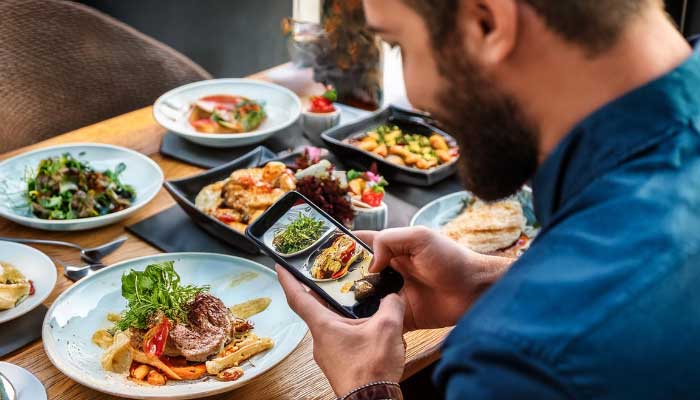
Developing an Effective Influencer Marketing Campaign Strategy
To make a successful influencer marketing campaign, you need a strong strategy. This should focus on building good partnerships and creating creative content. When you work with influencers, it's key to build real relationships. Get to know their content and brand to make sure they fit with your restaurant. Good communication and trust are also vital for success. Think about hosting a special influencer event to give them a memorable time. This will make them want to share it with their followers.
Collaborating with Influencers: Best Practices for Successful Partnerships
- Contacting Potential Collaborators: Begin the personal touch by inviting influencers for meals or other special events. At this stage, be sure to give them specific details about why you value their work and how it aligns with your restaurant's vision.
- Set Clear Content Expectations: Any partnership is about being transparent. Outline your content expectations early on, including the type of posts, frequency, and key messages. Ensure there is room for the influencer's unique style to shine through while aligning with your brand message.
- Mutually Beneficial Partnerships: Focus on the win-wins, offering influencers different incentives—like unique experiences, free meals, or monetary compensation—while in return getting high-quality content that can be leveraged across your marketing channels.
Content Creation and Engagement Strategies in Influencer Marketing for Restaurants
Great marketing needs content that speaks to your audience. Work together on different types of content, like behind-the-scenes videos, recipes, and reviews. Encourage influencers to use their own voice. This can make your content more real and engaging. Here's how to make it happen:
- Showcase Dining Experience: Encourage influencers to share their real dining experience in your restaurant. Authentic reviews, unfiltered moments, and behind-the-scenes really resonate with the audiences while building trust and credibility.
- Unique Offering: Tailor the collaboration strategy to reflect the unique offering of your restaurant. This can include exclusive tasting, behind-the-scenes kitchen tours, or special event coverage.
- Using User-Generated Content: Encourage both influencers and customers to share their dining experiences. User-generated content not only adds authenticity but also drives higher engagemnt and can be repurposed across your social media channels.
- Engagement Strategies: Actively engage with the content produced by influencers by liking, commenting, and sharing their posts. This interaction not only shows appreciation but also extends the reach of the content.
Key Elements of an Influencer Marketing Campaign
An effective marketing strategy has several important parts:
- Setting clear goals: Know what you want to achieve, like more customers, more social media likes, or more people knowing about your brand.
- Target Audience Alignment: Ensure that the selected influencers' audience demographics align with your target market.
- Determining budgets: Agree remuneration or other incentives with the influencer
- Mapping out collaborative content: Plan the content
- Monitoring and adapting: Watch how your campaign is doing and be ready to change it if needed based on what you learn and see.

Measuring Success: Evaluating the Impact of Your Influencer Marketing Efforts
In the restaurant world, ensuring that your marketing in the restaurant industry is on point is crucial for sustained success. To know if your plans are working, you need to measure results effectively. Here are some key metrics to consider:
Engagement rates are a primary indicator—look at likes, shares, and comments on social media posts from influencers. These numbers reveal how well your audience resonates with the content. Additionally, assessing brand reach shows how visible you are; this visibility is essential for understanding your influence.
Website Traffic - Use tools like Google Analytics to monitor the number of visitors coming to your website from influencer posts.
Follower Growth - Take note of any changes in the number of followers on your restaurant's social media accounts.
Conversion Rates - Track conversions such as reservations or online orders that can be attributed to influencer promotions. You can use unique discount codes or tracked URLs to measure these conversions accurately.
High marketing effectiveness means that your initiatives are not just reaching people but also engaging them meaningfully. This indicates that your influencer work is building strong customer ties and contributing positively to your overall marketing goals.

Tools and Methods for Tracking Metrics
Tracking metrics is key to making your influencer marketing campaign a success. Today, you have advanced tools and methods to help you. These tools let you keep an eye on your efforts and adjust your strategies as needed.
"The key to effective campaign monitoring lies in understanding and utilizing the right tools and methods to track your progress and success."
- Social Media Analytics Platforms
Social media platforms like Facebook, Instagram, and Twitter aswell as thrid party tols like Hootsuite and Sprout Social provide detailed metrics like likes, shares, comments, and how many new followers you're getting.
- Google Analytics
Google Analytics is essential for evaluating website traffic and conversion rates resulting from influencer posts. By setting up specific goals in Google Analytics, you can gain insights into how many visitors are completing desired actions on your website after clicking through from an influencer's post.
- Customer Feedback Surveys
Collecting direct feedback from customers about their awareness of your restaurant through influencers can provide valuable insights into the effectiveness of your campaigns. Consider sending out surveys or conducting interviews with customers who mention discovering your restaurant through an influencer.
By keeping an eye on these metrics, restaurants can make their campaigns better. This ensures they get the best results and make the most of their marketing budget.
The Importance of Consistent Monitoring
Keeping an eye on your influencer posts is key to your marketing success. It helps keep your brand in front of your audience. This way, your brand stays strong and alive.
Checking on influencer posts often shows you what your audience likes best. This lets you tweak your marketing to match their tastes and interests.
Integrating Influencer Marketing into Your Overall Restaurant Marketing Strategy
Adding influencer marketing to your overall strategy is key for a strong restaurant marketing plan. It works well with social media marketing, email, and promotions. This mix makes sure your message gets out there consistently.
Start by seeing how influencer marketing fits with your current channels. For example, influencers can boost your social media by appearing in posts and stories. This helps you reach more people and makes your brand more trusted.
Then, think about using influencers in your email marketing too. Ask them to make special content for your newsletters. This keeps your subscribers interested and excited about what you offer.
Promotions can also get a lift from influencer marketing. Work with influencers to run special deals, contests, and events. This can bring more people to your restaurant, both in person and online, making you more visible.
Finally, having a clear plan that includes these marketing initiatives can boost your marketing and builds a strong brand. By regularly checking and tweaking your plans, you'll keep your customers happy and your business thriving.
Conclusion: Embracing the Power of Influencer Partnerships in Restaurant Marketing Strategies
Embracing influencer marketing can change how you market your restaurant. It helps promote your brand in a real way, building trust with food lovers. This approach turns customers into loyal fans who will spread the word about your place.
Influencer campaigns connect with your audience in a deep way. They offer more than just a place to eat. They link your food with influencers' real experiences, creating a story that grabs attention. This approach boosts your brand and builds real connections with people.
Adding influencer partnerships to your marketing plan lifts your brand up and makes dining better for your customers. By working with trusted influencers, you make your restaurant stand out in a crowded market. This new way of marketing keeps your restaurant top of mind for customers and delights their taste buds.
FAQ
What is influencer marketing for restaurants?
Influencer marketing for restaurants means working with social media stars to promote your place. They share their love for your food with their followers. This helps get your brand out there, builds trust, and draws in new customers.
How can influencer marketing build trust for my restaurant?
When influencers share their favorite foods, it's like a personal recommendation. People trust these endorsements more than ads. This trust helps your restaurant gain credibility and attract more customers.
What types of influencers are effective in the food industry?
Food bloggers, travel influencers, and local influencers are great for promoting food. Bloggers share their cooking skills, travel influencers talk about food from around the world, and local influencers spotlight regional dishes and spots.
How do I select the right influencers for my restaurant?
Look for influencers by searching for hashtags related to food and location. Check who interacts with your posts and talk to potential partners. Choose ones whose followers match your target audience and who share your brand's values.
What are the key elements of an influencer marketing campaign for restaurants?
Important parts include setting clear goals, figuring out your budget, making engaging content, and building real connections with influencers. Always keep an eye on how your campaign is doing and adjust as needed.
How can I measure the success of my influencer marketing efforts?
Check your success by looking at engagement, how wide your brand reaches, customer reviews, and how many join your loyalty programs. This shows if your influencer partnerships are working and guides your future plans.
What tools can I use to track my influencer marketing campaigns?
Use influencer marketing platforms with tracking features or social media analytics tools. These help you keep an eye on your metrics, fine-tune your content, and make a bigger impact.
Why is consistent monitoring important in influencer marketing?
Keeping an eye on influencer posts and how people react helps keep your brand in the spotlight. It lets you quickly fix any issues and ride the wave of good feedback, making your marketing more effective.
How can I integrate influencer marketing into my overall restaurant marketing strategy?
Blend influencer marketing with other tactics like social media, email, and promotions. This way, it supports and boosts your marketing efforts, making a stronger impact.
How effective is influencer marketing compared to traditional marketing methods?
Influencer marketing often beats traditional ways because it forms real connections and builds trust. People respond better to genuine endorsements, leading to more engagement and loyalty.
Source Links
- The Power of Influencer Marketing for Your Restaurant: Success Stories and Tips - https://www.linkedin.com/pulse/power-influencer-marketing-your-restaurant-success-stories
- Using Food Influencer Marketing For Maximum Impact And ROI - https://www.itsacheckmate.com/blog/using-food-influencer-marketing-for-maximum-impact-and-roi
- Influencer marketing for restaurants: How to see success with your campaigns - https://www.restroworks.com/blog/influencer-marketing-for-restaurants/
