

Ever watch your competitor's basic burger get 10K likes while your culinary masterpiece gets crickets? How to plate food for Instagram starts with understanding that your dish has exactly 0.3 seconds to stop someone mid-scroll—and frankly, most dishes are failing this test spectacularly.
Here's the brutal truth: 40% of people visit a restaurant after seeing food photos online, while 72% use social media to research restaurants. Your plating isn't just about pretty pictures—it's about turning every plate into a profit-driving machine.
At Plastic Container City, we work with thousands of food professionals across the U.S., and we've noticed something fascinating: the establishments absolutely crushing it on social media aren't necessarily the ones with Michelin-starred ingredients. They're the ones who've cracked the code on visual storytelling. And honestly? It's simpler than you think.
What Makes Food Instagrammable?
Instagrammable food combines visual impact with emotional connection—it's food that makes viewers stop mid-scroll and think "I need that in my life right now."
The secret sauce isn't actually sauce at all. It's three core elements working in perfect harmony:
Visual Hierarchy and Clear Focus
Your dish needs a clear star—the hero element that immediately captures attention. Whether it's a perfectly seared protein or an artfully arranged salad, one component should dominate while others support. Think of it like casting a movie where everyone has a role, but there's only one leading character. This creates the visual hierarchy that guides viewers' eyes and makes your dish instantly readable, even in Instagram's rapid-fire feed.
Color Psychology
Vibrant, naturally occurring colors trigger appetite responses before the food even hits the table. Studies show that bright colors signal freshness and quality to the brain, making dishes more appealing both in person and on screen.
Textural Contrast That Tells Stories
Combining smooth purées with crispy garnishes, or creamy elements with crunchy components creates visual interest that translates beautifully in photos. Your followers should almost taste the textures through their screens. Think of it as edible architecture—every layer should serve both aesthetic and sensory purposes.
The real magic happens when textures create visual rhythm across the plate. Professional kitchens leverage this deliberately because cameras pick up textural contrasts better than the human eye, making dishes appear more dynamic and appetizing online than in person.

How to Present Food Attractively
Attractive food presentation follows the rule of thirds and strategic composition—place your main element off-center and let supporting ingredients create visual flow around the plate. It's like directing a movie where every ingredient knows their role.
Professional kitchens have figured out something home cooks miss: consistency beats creativity when building a brand. Here's how the pros nail it every single time:
Master the Clock Method
Professional kitchens use this systematic approach for consistency. Position your protein between 3 and 9 o'clock, starch between 9 and 11, and vegetables between 11 and 3. This method ensures visual balance even during busy service.
Create Height and Dimension
Flat food is forgettable food. Stack ingredients thoughtfully, build towers with purees as foundations, or use crispy elements as elevated platforms. Height creates drama and makes dishes photograph beautifully from multiple angles.
Embrace Negative Space
White or neutral areas on your plate aren't wasted space—they're strategic breathing room. Professional plating uses negative space to prevent visual clutter and draw focus to key elements.

What Are the Three Essentials of Food Presentation?
The three essentials are balance, contrast, and focus—master these fundamentals and every dish becomes Instagram gold.
Balance: Visual Weight Distribution
Think of your plate like a see-saw. Distribute colors, textures, and sizes so no single area feels too heavy or empty. A large protein might balance with several smaller vegetable components scattered strategically.
Contrast: Making Elements Pop
Pair light with dark, smooth with rough, warm colors with cool ones. A golden seared scallop against deep green herb oil creates instant visual drama that photographs beautifully.
Creative Food Presentation Ideas That Drive Engagement
Creative presentation transforms ordinary dishes into conversation starters—and conversation drives engagement like nothing else.
Unconventional Surfaces
2025 trends embrace serving dishes on natural elements like slate, wood, or even clamshells. These unexpected platforms create instant talking points and unique photo opportunities.
Deconstructed Dishes
Present familiar foods in unfamiliar ways. A deconstructed Caesar salad with each component artfully separated lets diners (and photographers) appreciate individual elements while creating visual intrigue.
Interactive Elements
Hide surprises under cloches, use smoking elements, or create "reveal" moments. Interactive experiences drive social media buzz because they give customers something exciting to capture and share.
Sustainable & Zero-Waste Plating
Modern diners care about values. Plating that showcases sustainability—using repurposed ingredients, natural elements like banana leaves, or eco-conscious materials—tells a powerful story of responsibility. This aligns your brand with ethical consumerism and creates an authentic, organic visual that resonates deeply.

Essential Camera Angles for Different Dishes
The right camera angle can make or break your Instagram post—each dish type has an optimal perspective that highlights its best features.
Lighting That Makes Food Pop
Natural, diffused lighting creates the most appetizing food photos—harsh artificial lights kill appetite appeal faster than overcooked steak.
Window Light: The Free Upgrade
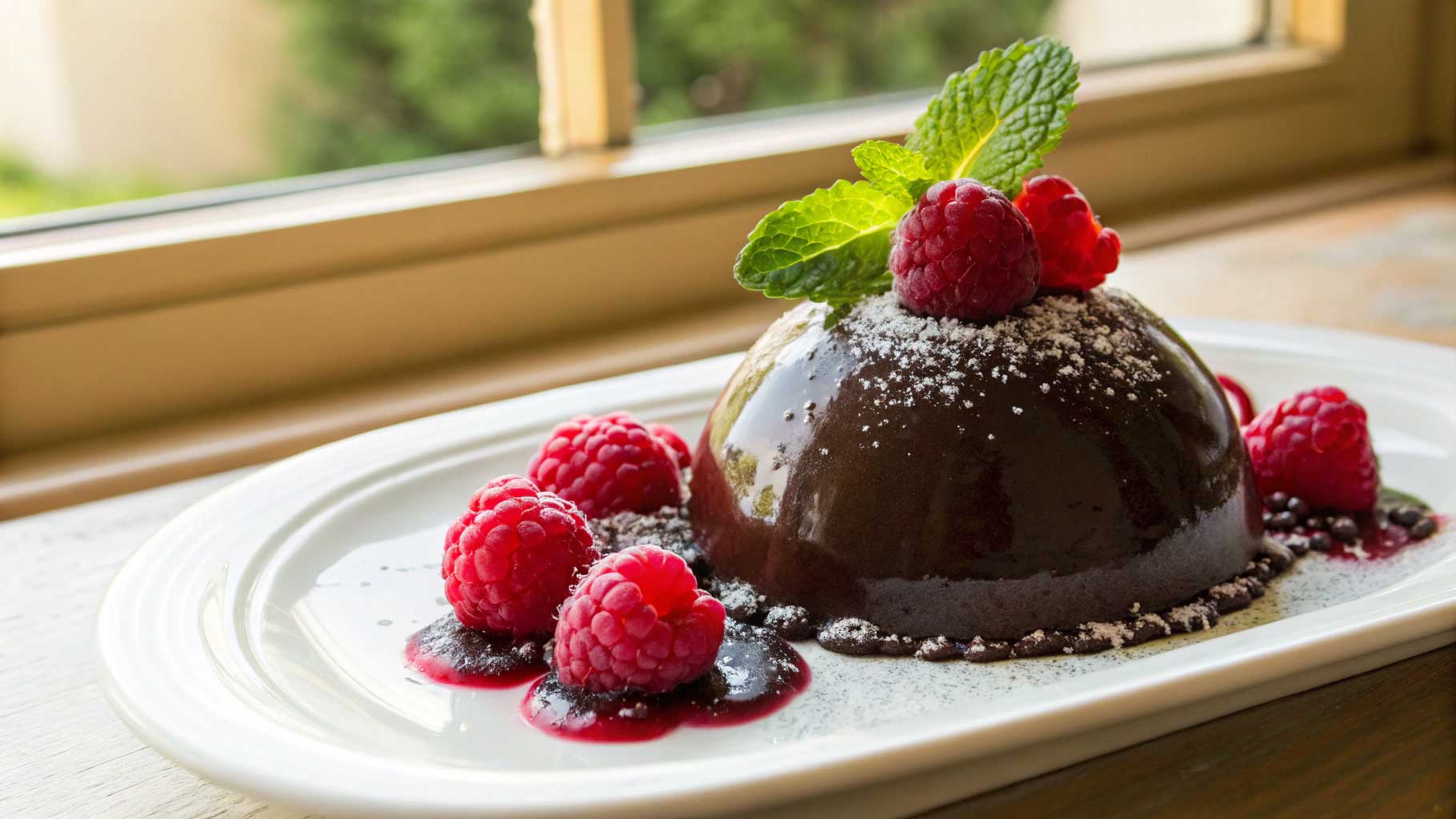
Position dishes near windows during daylight hours. Natural light creates that fresh, organic feel that artificial lighting simply can't replicate. Use curtains or reflectors to soften harsh sunlight. Pro tip: the golden hour isn't just for landscapes—it works magic on food too.
What Not to Do (Seriously, Don't)
Never use camera flash—it creates unnatural glare and flattens textures faster than a steamroller. Similarly, avoid overhead kitchen lights that cast unflattering shadows and make even the most expensive ingredients look like cafeteria food.
The 2025 Moody Revolution
Here's where things get interesting. 2025 trends favor dramatic lighting with rich shadows, especially for comfort foods and gourmet desserts. This "dark and moody" aesthetic adds sophistication and emotional depth that bright, clinical lighting simply can't match.

Colors That Make Food Irresistible
Vibrant, complementary color combinations trigger immediate appetite responses—but there's strategy behind the palette.
The Psychology of Food Colors
Warm colors (reds, oranges, yellows) stimulate appetite and energy. Cool colors (greens, blues) suggest freshness and health. Professional kitchens use this psychology deliberately to influence diner perception.
High-Impact Color Combinations
. Golden proteins against deep green sauces
. Bright red tomatoes on white plates
. Purple vegetables with orange elements
. Dark chocolate paired with vibrant berries
Colors to Avoid
Blue appears unnatural in food contexts and can actually suppress appetite. Stick to colors that occur naturally in fresh ingredients for maximum visual appeal.

Common Plating Mistakes That Kill Instagram Potential
Even experienced kitchens make these presentation errors that sabotage social media success.
Overcrowding the Plate
More isn't better—it's just busier. Cluttered plates confuse the eye and photograph poorly. Give each element space to shine.
Ignoring Plate Condition
Cracked or chipped plates destroy the illusion of quality, even in perfectly plated dishes. Regular tableware inspections aren't optional—they're essential for brand protection.
Inconsistent Presentation
Many of our customers tell us that inconsistency is their biggest challenge. When the same dish looks different every time, it undermines brand trust and makes building a cohesive Instagram aesthetic impossible.

Advanced Techniques for Instagram Success
Professional-level plating techniques separate amateur hour from Instagram stardom—here's how the pros create viral-worthy presentations.
Smears, Dots, and Artistic Elements
Professional chefs use specialized techniques like sauce smears and precision dots to create visual movement across plates. These aren't random artistic flourishes—they're calculated design elements that guide the viewer's eye and create Instagram-worthy compositions.
Molecular gastronomy isn't just for Michelin chefs anymore. Elements like foams, gels, and spherification create avant-garde, multi-sensory experiences that are inherently photogenic and spark intense curiosity. This extends to tech-driven presentations, too. The 2025 trend of "Hide and Seek" plating, where key elements are concealed to surprise the diner, creates a playful, interactive moment perfect for capturing on video. It transforms the dish from a meal into a memorable event.
Landscape and Narrative Plating
The biggest trend for 2025? Food arranged in low, linear forms that tell culinary stories. Think miniature edible terrains that speak to ingredient origins or seasonal changes. This technique transforms a simple plate into a conversation starter—and conversations drive engagement like nothing else.

Post-Processing for Professional Results
Subtle editing enhances natural beauty without creating unrealistic expectations—the goal is optimization, not fabrication.
Essential Adjustments
Focus on brightness, contrast, and color balance using tools like Lightroom or Snapseed. Consistent editing across all posts creates recognizable brand aesthetics.
The "Less is More" Rule
Over-editing destroys authenticity. Your Instagram photos should enhance appetite, not create impossible standards that disappoint customers when they visit.
Building Your Instagram Strategy
Successful food Instagram accounts combine stunning visuals with strategic content planning—pretty pictures alone won't build your business.
Understanding the role of social media in the food industry today helps restaurants leverage these platforms beyond just posting photos—it's about creating comprehensive digital experiences that drive real business results.
Consistency Builds Trust
Top restaurant brands maintain 4.21% engagement rates compared to the industry median of 0.43% by posting consistently and maintaining visual cohesion.
Video Content: The Engagement Multiplier
Here's where restaurants are leaving money on the table. Short-form videos generate double the engagement of static posts, yet most establishments still think in terms of still photography. Document your plating process, capture steam rising from hot dishes, or show the satisfying moment of sauce placement.
TikTok shows 2.9% monthly follower growth compared to Instagram's 0.6% in the food industry. The message is clear: motion sells more than stillness.
Don't just take our word for it—look at the brands crushing it. Red Lobster experienced a massive resurgence by posting seafood boil videos that racked up millions of views, proving that dynamic content generates serious buzz. Or take MilkBar, which masterfully uses nostalgia and celebrity user-generated content (like posts from Taylor Swift) to build credibility and trigger cravings. These brands understand a fundamental shift: social media is less about polished ads and more about creating entertainment and personality. The goal is to pull people in with a story, not just push a product.
For advanced strategies on turning social media engagement into actual sales, check out our guide on going from scroll to sold out.
User-Generated Content: Your Secret Weapon
86% of diners post about visually appealing meals. Create dishes so stunning that customers can't resist sharing them. This generates free marketing and authentic social proof that paid advertising simply can't buy.
This organic sharing is just the beginning—smart restaurants are taking it further with strategic partnerships. Learn how to maximize impact through influencer marketing to amplify your beautifully plated dishes to even larger audiences.

Engage Beyond the Post: Build Your Community
Posting a stunning photo is only half the battle. The most successful brands play the long game by actively managing their community. This means responding to comments, answering DMs, and—most importantly—addressing both positive and negative reviews. When you engage with feedback, you show customers they're heard, which builds the kind of trust and loyalty that algorithms can't measure but your bottom line will definitely feel. It's how you turn passive followers into a loyal "tribe."
Measuring Success Beyond Likes
True Instagram success translates into measurable business results—and smart restaurateurs track metrics that actually matter to their bottom line.
Stop obsessing over vanity metrics. Monitor website traffic spikes after viral posts, track reservation increases following featured dishes, and measure how social media content drives actual foot traffic. Top restaurant brands achieve 4.21% engagement rates compared to the industry median of 0.43% by focusing on business outcomes, not just likes.
The goal isn't just digital validation—it's real-world revenue growth. Every plate that leaves your kitchen is a potential marketing asset. When you master the art of Instagram-worthy plating, you transform every customer into a content creator and every dish into a business opportunity.
Your next viral moment might be just one perfectly plated dish away. Make it count.
Want to stay ahead of every food industry trend and operational challenge that actually matters? Our team at Plastic Container City works with food professionals nationwide, uncovering the strategies that separate thriving businesses from struggling ones. Explore our complete collection of industry insights for the real-world tactics driving success in 2025.
Frequently Asked Questions
How to make food look appealing in photos?
Use natural lighting near windows, choose contrasting backgrounds, and apply the rule of thirds for composition. Clean plates, strategic garnishing, and proper camera angles transform ordinary dishes into compelling visuals.
What lighting is best for food photography?
Natural, diffused window light creates the most appetizing photos. Avoid camera flash and harsh overhead lights, which create unflattering shadows and artificial-looking colors that reduce appetite appeal.
How to stage food photos effectively?
Position your main element off-center, use clean or contrasting backgrounds, and add height through strategic stacking. Include minimal props that support the story without distracting from the food itself.
What makes desserts particularly Instagrammable?
Desserts succeed on Instagram through dramatic color contrasts, interesting textures, and interactive elements like melting chocolate or fruit garnishes. Height, precision plating, and strategic lighting emphasize their artistic qualities.
How to create a cohesive Instagram feed for restaurants?
Maintain consistent editing styles, use similar color palettes across posts, and stick to 2-3 preferred camera angles. Plan content themes weekly and ensure your visual style reflects your restaurant's brand personality consistently.
