

Learning how to create a loyalty program for a bakery is the fastest way to turn a morning rush into a sustainable, year-round revenue stream. Why do some bakeries have lines out the door from regulars while others watch first-time customers disappear forever? The answer is simpler than you think. Your best customers aren't won at the register. They're earned in the kitchen. If your croissant tastes stale tomorrow, no punch card brings them back. But pair quality products with smart retention tactics and you turn occasional buyers into regulars.
Guest retention remains the most direct path to profitability. At Plastic Container City, we work with thousands of food professionals across the U.S., and the pattern is clear: shops that keep customers outperform those constantly chasing new ones. This guide covers five DIY loyalty programs that work without expensive software or big budgets.
What Makes a Bakery Loyalty Program Actually Work?
Successful bakery loyalty programs prioritize product quality over rewards because repeat business relies on consistent freshness and taste.
You can have the slickest app and big-ticket rewards, but if your pastries don't hold up, customers won't return. Loyalty gets built at home when someone bites into your croissant the next morning and it still tastes incredible.
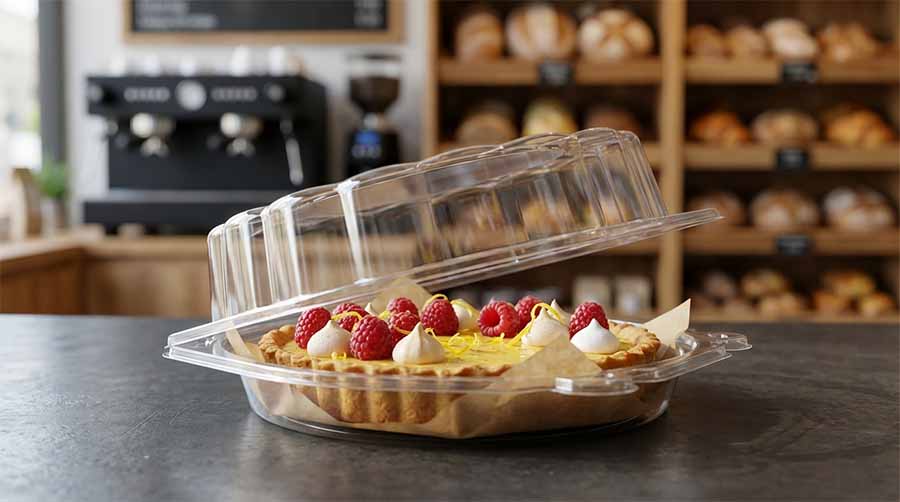
Too many bakery owners obsess over collecting email addresses while ignoring what happens after the customer leaves. The unboxing experience matters more than the signup form. When someone opens your box at home and finds a perfectly preserved pastry, that moment builds loyalty. When they find a soggy mess, no email campaign will bring them back. Smart packaging choices protect your product quality and your reputation.
The best loyalty card program starts with production standards. Proper stock rotation, quality ingredients, and smart packaging matter more than stamp designs. Consumer demand in 2026 ties repurchase rates directly to ingredient quality and transparency. Once you nail consistency, layer on rewards that encourage return visits.
Why Do Manual Loyalty Systems Beat Apps for Small Bakeries?
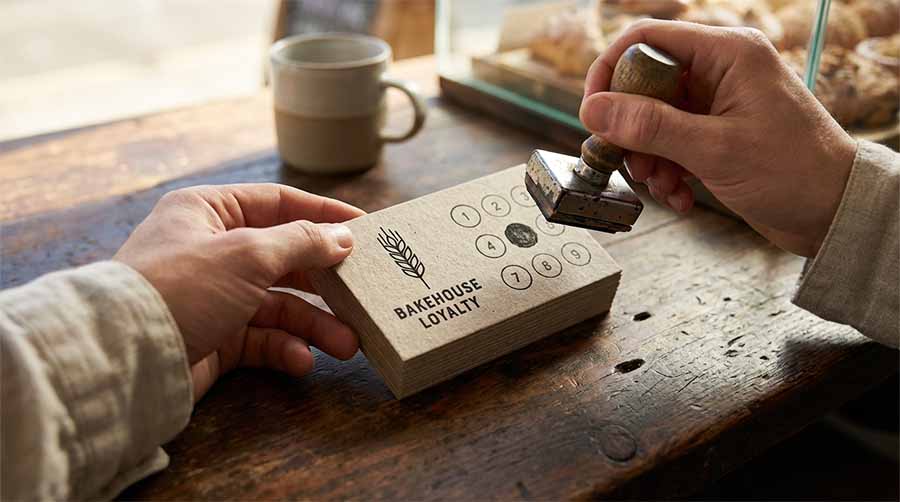
Physical punch cards create a tactile sense of belonging that apps cannot replicate, making customers feel like valued regulars rather than entries.
Small bakery owners worry paper systems look unprofessional. That misses the point. Customers choose you because your brioche beats the supermarket's, not because you have an app.
A punch card offers three advantages digital can't match: immediate wallet visibility that prompts return visits, personal connection through hand stamping interactions, and zero tech barriers like downloads or forgotten passwords.
Small bakeries face operational friction from disconnected platforms. For tight operations with neighborhood ties, physical systems often drive better customer retention than impersonal apps.
How Do You Identify Your Most Valuable Customers?
Identify your top 20% of customers by observing regulars during peak hours; this small group typically generates 80% of a bakery's total revenue.
Here's your audit. Pick your busiest day. Stand near the register for 30 minutes and count customers you recognize by name or face. Those repeat visitors are your core base.
Say you recognize 15 regulars. If each spends $12 and visits twice weekly, that's $360 weekly from just 15 people. Times 52 weeks equals $18,720 annually from a tiny segment. That's retention power.
Guest frequency remains the most critical metric for lifetime value. You don't need software to start, just attention to who's showing up. Once you know your top 20%, build your loyalty program around keeping them happy and visiting more often.
What Are 5 DIY Loyalty Program Ideas for Bakeries?
Proven DIY programs include punch cards, tiered memberships, and midweek incentives, each serving unique growth goals for independent bakeries.
1. The Classic Punch Card
Buy nine pastries, get the tenth free. Simple, clear, easy. Use quality cardstock with your logo. Some bakeries create seasonal designs that become collectibles.
Pro tip: Stamp the first purchase twice. This fast start gives customers momentum and makes rewards feel attainable.
2. Tiered Membership System
Create three levels: Regular (everyone), Silver (10 visits), Gold (25 visits). Each tier unlocks better perks like priority service, exclusive flavors, or birthday freebies. This taps into our desire for status. Gold members feel special and come back even when inconvenient.
Track this with a spreadsheet or notebook. No fancy customer data needed for neighborhood operations.
3. Double Stamp Tuesdays
Your weekend is packed. Tuesday is dead. Solve this with strategic rewards. Recent data shows midweek dining is heating up as consumer behavior changes.
"Double Stamp Tuesdays" or "Midweek Member Specials" move weekend crowds to slower days, smoothing revenue and helping production planning. You're not discounting during busy times when you'd sell product anyway.
4. Surprise and Delight Samples
Many bakery loyalty programs fail by training customers to only buy on discount. Your margins collapse.
The fix? Random rewards customers can't predict. When regulars visit, occasionally hand them a free sample of something new. This makes customers feel valued unexpectedly and introduces new products that they'll pay full price for later.
Customer loyalty programs achieve higher ROI when focused on existing customer spending thresholds rather than constant discounting.
5. VIP Early Access
Loyal customers get first access to new items, seasonal specials, or limited batches. Text them: "Pumpkin spice croissants drop tomorrow at 7am. VIP members can reserve now." This approach works especially well for seasonal menu launches that create urgency and exclusivity.
This costs nothing but creates perceived value. Manage through a phone list, WhatsApp group, or Instagram DMs. The platform doesn't matter. The exclusivity does.
How Do You Avoid the Discount Trap in Loyalty Programs?
Design rewards that boost transaction values rather than training customers to wait for sales, which helps protect your average ticket size.
The discount trap sneaks up. You offer 10% off to members. Then members only buy with coupons. Regular priced sales drop. Margins shrink.
Instead of percentage discounts, offer free items after X purchases (rewards frequency without cutting price), upgraded sizes (medium bumped to large), exclusive products (special flavors for members only), or early access (first chance at seasonal items).
These tactics build loyalty without eroding perceived value. You're adding value, not cutting price. Track program performance by watching average transaction values. If your loyalty program works correctly, your average ticket holds steady or increases as members buy more frequently. If it drops, you've hit the discount trap.
What Pain Points Do Bakery Loyalty Programs Solve?
Loyalty programs solve cash flow issues, reduce acquisition costs, and prevent owner burnout by focusing on known, high-value regulars.
| Pain Point | How Loyalty Programs Help |
|---|---|
| Zero marketing budget | Regulars become your marketing through word of mouth |
| Rising ingredient costs | Loyal customers accept modest price increases |
| Time constraints | Repeat customers make faster purchase decisions |
| Supermarket competition | Personal relationships create moats big chains can't replicate |
| Owner burnout | Serving familiar faces is less exhausting than pitching strangers |
| Unpredictable revenue | Regular customers create baseline revenue for planning |
When you stop obsessing over finding new customers and start focusing on delighting existing ones, the work becomes more enjoyable. Customer retention is significantly more cost effective than acquisition because reaching new customers requires higher spending on digital visibility. Your regulars are already sold. They just need reasons to come back. The key is delivering consistent value, not just discounts.
How Do You Launch a Loyalty Program with No Tech Experience?
Launch a manual program by designing punch cards on Canva, ordering small batches, and training staff to reward regulars during high-volume shifts.
Your week one plan: Design your punch card on Canva or hire someone on Fiverr for $20. Order 500 cards online for about $50. Create a tracking notebook, train your staff on the program, launch during your busiest day, and post about it on social media.
Give this DIY system 90 days before considering software upgrades. You need to understand customer behavior first: what times regulars visit, what they buy, how often they complete cards. This ground level data reveals what features matter when you're ready for technology.
Many small businesses jump to expensive platforms without understanding their needs, paying for unused features while missing simple tactics that drive better results.
What Should You Track to Measure Program Success?
Track visit frequency, ticket size, and redemption rates to determine if your loyalty program successfully drives profitable customer behavior.
Key metrics: repeat visit rate (percentage returning within 30 days), average visits per loyal customer, program participation (how many actually use cards), revenue concentration (percentage from top 20%), and redemption patterns (how long to complete cards).
A simple spreadsheet updated weekly captures everything needed. If your repeat visit rate increases and revenue concentration in the top 20% grows, your program works. If average transaction values hold or climb, you've avoided the discount trap.
When Should You Upgrade to Digital Loyalty Programs?
Upgrade to digital when manual tracking takes over two hours weekly or you reach 200 members and need automation to justify software costs.
Time to go digital when you're spending over two hours weekly managing cards manually. Other signs include when you can't remember regulars by face, you want targeted offers based on purchase history, you need POS integration, or you're opening a second location.
Prioritize platforms that integrate with your existing POS. The most effective loyalty software focuses on automation without creating operational friction. Test with a 30 day trial during a real business cycle before committing.
Remember, the best approach for how to create a loyalty program for a bakery is the one that actually gets used. Start simple with punch cards, watch what works, and scale when it makes sense. Your regulars care more about your croissants than your technology stack.
For more bakery insights, marketing strategies, and foodservice tips, visit the Plastic Container City blog. The local neighborhood connection is your greatest strength when learning how to create a loyalty program for a bakery.
FAQ
What are the 4 types of loyalty programs?
The four main types are points based systems, tiered memberships, punch cards, and paid VIP programs. Each serves different business models, with punch cards working best for small bakeries that want simplicity and personal connection without technology barriers.
How do you attract customers to your bakery with a loyalty program?
Promote your loyalty program through in store signage, social media posts, and word of mouth from existing members. The best customer acquisition comes from regulars who tell friends about your quality products and the perks they receive, making your loyalty members your most effective marketers.
Why do small bakeries fail at loyalty programs?
Small bakeries fail when they focus on discounts instead of value, launch programs too complex for their operations, or neglect product quality while chasing rewards gimmicks. Success requires pairing consistent freshness with simple retention tactics that fit your actual workflow and customer preferences.
What are current loyalty program trends?
Current trends emphasize tiered rewards that encourage frequent visits through clear, attainable value levels rather than complex point systems. Major chains are simplifying their programs because customers respond better to straightforward benefits they can understand immediately, making this approach even more accessible for independent bakeries.
Can loyalty programs backfire?
Yes, loyalty programs backfire when they train customers to only buy on discount, when rewards are too difficult to achieve leading to frustration, or when poor product quality makes the rewards irrelevant. The solution is designing programs that encourage frequency and higher spending without conditioning customers to wait for deals.
