


Bakery trends in 2026 are being shaped by texture obsession: 71% of consumers now prioritize texture over flavor alone. The other major shifts include frozen bakery adoption by over 90% of operators, health-forward formulations with real flavor, plant-based products hitting mainstream distribution, and premiumization that customers will actually pay for.
If you're running a bakery, café, or restaurant with a pastry program, here's what's legitimately driving purchasing decisions and reshaping commercial operations right now.
Texture Mash-Ups Drive Product Development
Consumers want multiple sensory experiences in single products. Crunchy meets creamy. Chewy pairs with crispy. Fudgy contrasts with crackly. The data backs this up: 71% cite texture as a key driver of their bakery choices.
Croissants with shatteringly crisp exteriors and soft centers sell better than uniformly flaky versions. Donuts with chewy bases and crunchy toppings outperform single-texture options. Brownies that deliver both fudge and crunch in one bite create premium perception without premium ingredient costs.
At Plastic Container City, we supply packaging for thousands of bakeries across the U.S., and requests for containers that protect delicate texture contrasts have jumped noticeably. Texture integrity during transport has become a competitive differentiator, not just a quality checkpoint. Poor packaging choices can cost you customers before they even taste your products.
Start with your best sellers and add texture contrast. Top a smooth custard with candied nuts. Finish soft cookies with flaky salt. Layer creamy fillings with crispy components. Small changes create big perception shifts without rebuilding your entire production line.
Sourdough Expands Beyond Bread
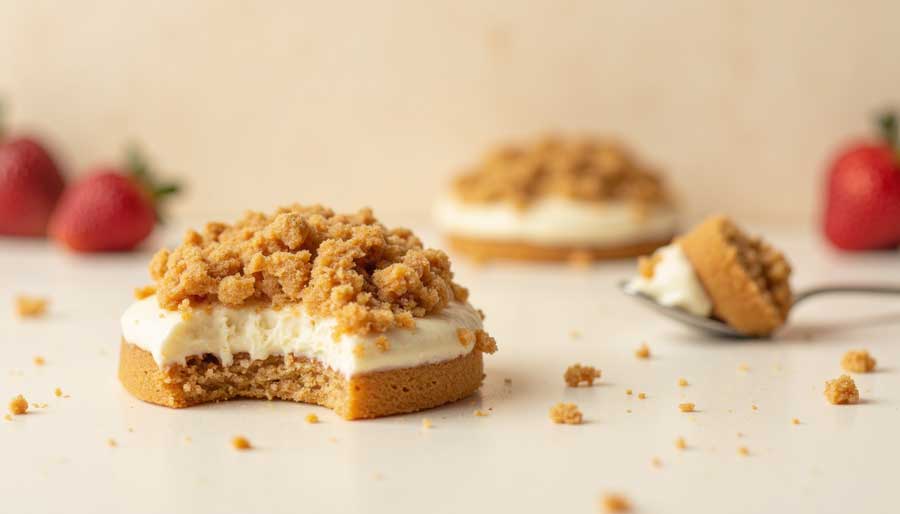
Sourdough focaccia, donuts, cookies, and sweet breads are showing strong launch activity. The fermentation process delivers three benefits operators care about: natural shelf life extension, flavor complexity that justifies higher pricing, and the artisanal halo customers pay premiums for.
A single sourdough starter supports multiple menu categories. Use it for breakfast pastries, dinner rolls, and dessert bases. The versatility matters when labor is tight and every production hour counts.
Frozen Bakery Solves Real Problems
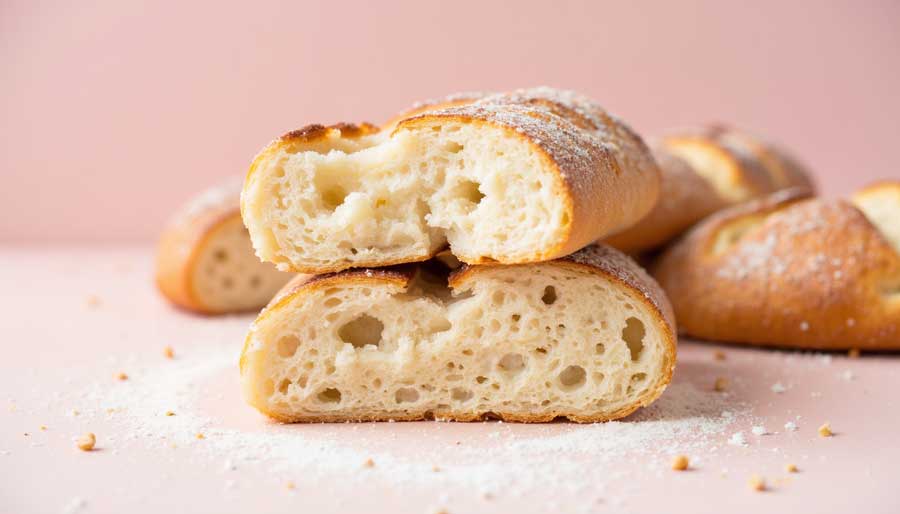
Over 90% of foodservice operators now use frozen bakery products. This isn't about shortcuts. It's about consistency without specialists, reduced early-morning labor, and predictable costs when ingredient prices swing wildly.
Ready-to-bake pizza dough, croissants, and bread rolls deliver standardized quality across shifts and skill levels. You eliminate overnight baking schedules. Waste drops because portions are controlled. Menu stability improves even when staff turns over.
| How Frozen Bakery Solves Operator Problems | |
|---|---|
| Challenge | Frozen Solution |
| Labor shortages | Less specialized skill required |
| Quality inconsistency | Standardized results every batch |
| Early shifts | No 4am baking schedules |
| Overproduction waste | Precise portion control |
| Ingredient cost swings | Fixed pricing windows |
The frozen category is strongest in pizza operations and quick-service formats where speed and consistency matter more than showing off technique.
Functional Bakery Gets Serious
High-protein, high-fiber, and clean-label products are growing fast. Fiber is catching up to protein as the wellness ingredient customers actively seek, driven by gut health awareness.
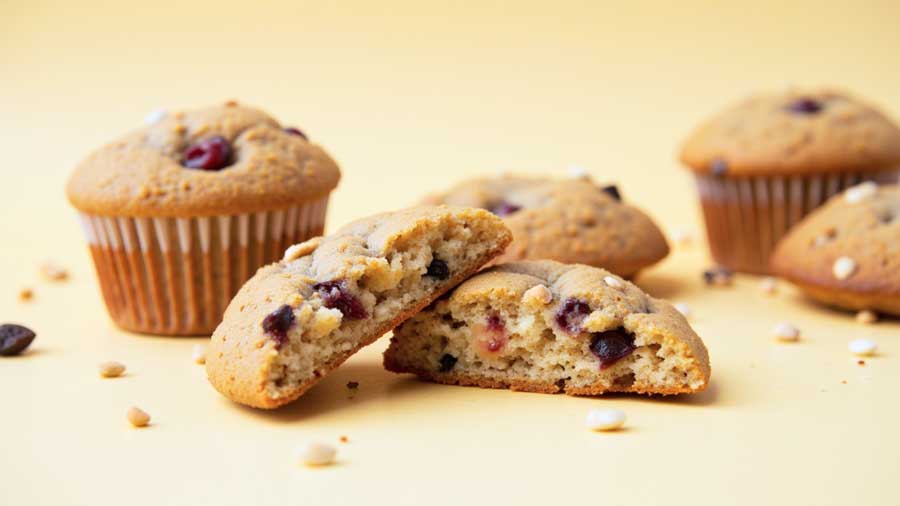
Products delivering 5+ grams of fiber per serving are showing up across categories: muffins, cookies, breads, and bars. The difference from five years ago? They actually taste good now. Protein-enriched items maintain moisture. Almond flour cookies have texture and flavor, not just better macros.
What You Can Do Right Now
Upgrade existing recipes with functional ingredients and command higher prices. Swap all-purpose flour for protein-enriched blends. Add soluble fiber that doesn't change texture. Use clean-label sweeteners that customers recognize. Smart ingredient substitutes let you improve nutrition without sacrificing what makes your products sell.
The growth is in products that don't scream "healthy." They just deliver better nutrition while tasting indulgent. That's the balance 2026 customers want.
Plant-Based Baking Reaches Mainstream
Vegan bakery has moved beyond niche requests. Flexitarian consumers, who reduce but don't eliminate animal products, are driving growth. Online distribution channels now matter as much as retail presence for plant-based products.
Egg replacers finally work in most applications. Butter alternatives taste like actual butter. The texture gap has closed enough that many customers can't identify vegan versions blind.
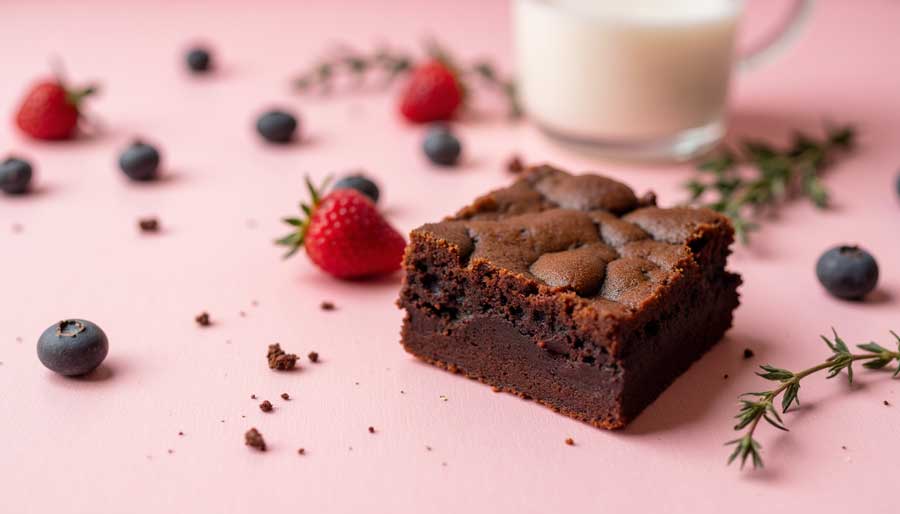
What translates well: Cookies, brownies, quick breads, and muffins where dairy and eggs play supporting roles.
What's still challenging: Laminated pastries and meringue-based items need more development before they match traditional versions.
The smart play: Add one or two plant-based items to test market response. Once those sell consistently, expand your offerings as ingredient quality continues improving.
Premiumization Commands Higher Margins
Customers pay more for bakery products that feel special and taste distinct. Premium flavors, local ingredient sourcing, and small-batch production all justify higher price points.
Make premiumization visible. Highlight the local flour mill you use. Call out regional fruit suppliers. Package products in ways that look handcrafted. Use ingredients people can recognize and taste, not just read on a label.
The halo effect works: A few standout premium items lift perception of your entire lineup. You don't need to premiumize everything. Anchor your brand with hero products, then run volume items through standard production.
Artisanal doesn't require inefficiency. Batch premium items separately during slower periods. Use them for marketing and reputation building. Let them carry pricing power across your menu.

Single-Serve Formats Match How People Eat Now
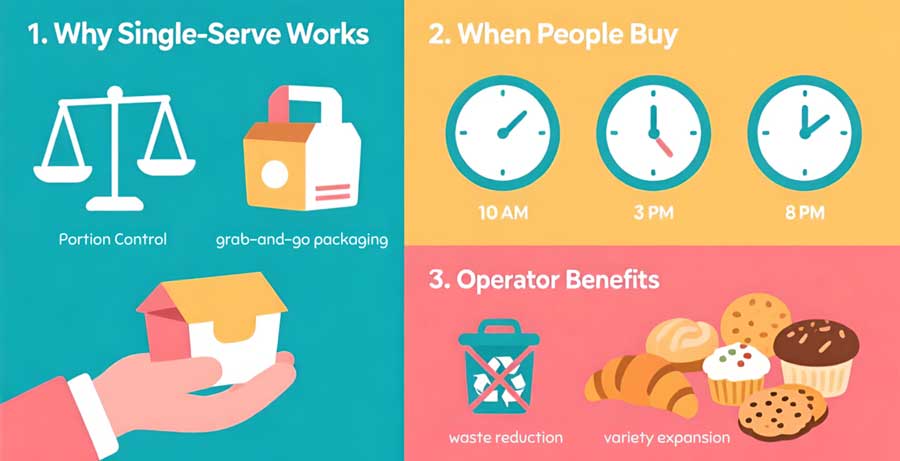
Portion control and grab-and-go packaging keep growing. This isn't just about health consciousness. It's about snacking throughout the day instead of traditional meal timing.
Mini desserts, individual pastries, and single-serve packages open up new dayparts. People buy bakery products at 10am, 3pm, and 8pm now, not just breakfast and dessert times. The snackification of bakery expands when and where you can make sales.
For operators: Smaller formats improve cost management. You can offer premium products at accessible prices when portions are controlled. Waste drops. Variety increases. Customers try more items because the commitment is lower per purchase. Done right, grab-and-go items can deliver exceptional margins while meeting modern consumption habits.
Nostalgia Flavors Get Modern Updates
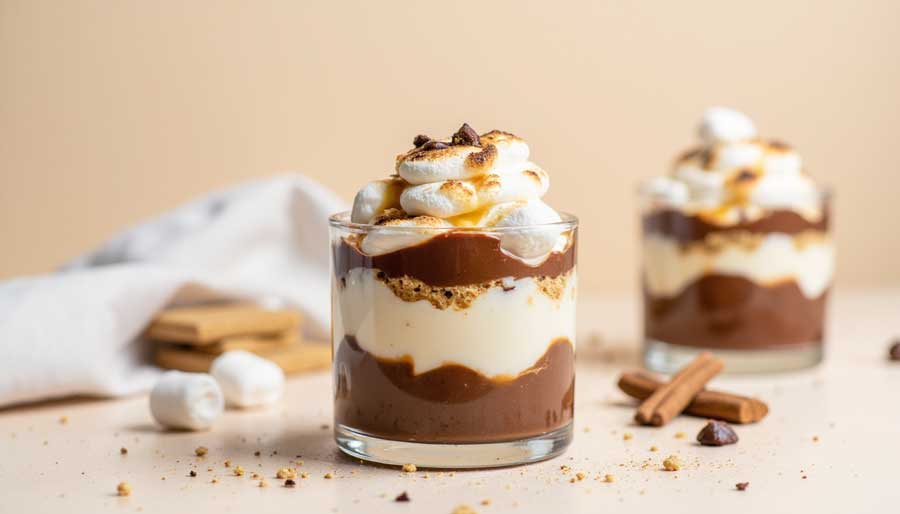
Comfort flavors are back: s'mores, custards, caramel, and classic fruit combinations. But they're appearing with unexpected twists that make them feel current.
Salted caramel with miso. Chocolate custard with cardamom. S'mores flavors in croissant formats. Brown butter in traditional shortbread. The familiar base gives customers confidence to try something new.
This works well for limited-time offers and seasonal rotations. Test market response without permanent menu changes. When something hits, bring it back as a returning favorite that builds anticipation.
Technology Becomes Non-Negotiable
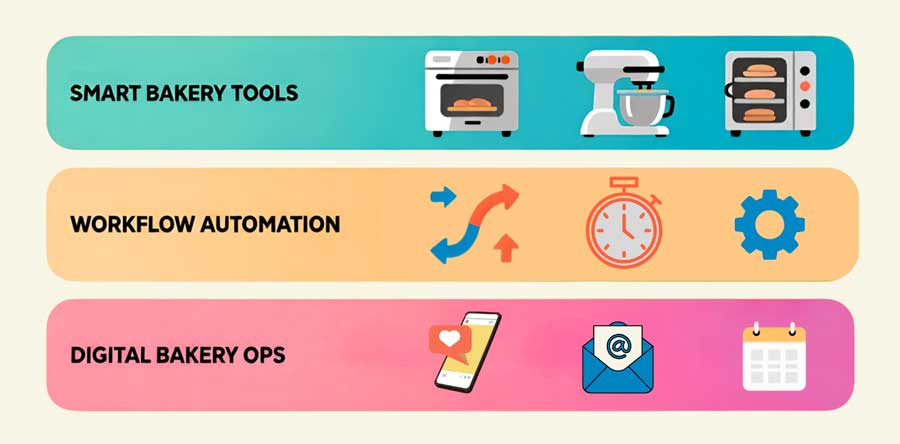
Labor shortages aren't temporary. Automation and smart equipment have moved from nice-to-have to operational necessity. Dough mixers that monitor consistency. Ovens that adjust timing automatically. Proofing cabinets that track temperature and humidity. These tools help small teams produce more without sacrificing quality.
Digital marketing matters just as much. The bakeries thriving in 2026 use Instagram for daily specials, targeted ads for catering, and email lists that drive repeat business. Social media isn't optional anymore. AI tools are reshaping foodservice operations in ways that give smaller operators an edge.
Automation Without Losing Your Soul
Automation frees skilled staff for creative work while machines handle repetitive tasks. The goal is efficiency that supports quality, not efficiency that replaces craft. Use technology to let your best people focus on what they do best.
What's Making It Harder
Workforce gaps and supply chain volatility remain the biggest operational challenges. The commercial baking industry is facing a projected shortfall of 53,500 unfilled jobs by 2030, making automation and efficiency critical for survival. Finding skilled bakers is difficult, keeping them is harder, and training costs are high. Meanwhile, ingredient costs swing with weather, tariffs, and global events. Butter prices spike without warning. Flour quality varies between shipments. Planning gets complicated when your baseline costs shift monthly.
Regulatory complexity and consumer expectations both keep rising. Labeling requirements get stricter, allergen protocols become more detailed, and compliance takes time away from product development. Customers demand transparency about sourcing, clear allergen information, and sustainability practices that go beyond marketing claims. Meeting these requirements takes systems many small operators struggle to build and maintain.
Because we work with food businesses across the country at Plastic Container City, we see these pressures from every angle. The bakeries navigating 2026 successfully pick a few trends that match their capabilities and customer base, then execute those well instead of chasing everything.
Where Smart Operators Focus
The bakeries winning in 2026 aren't chasing every trend. They're solving specific problems for their customers while managing real operational constraints. The winning moves aren't the flashiest ones. They're the changes that solve real problems for your business while giving customers something they'll actually pay for.
Prioritize texture contrasts that create premium perception. Use frozen products strategically to manage labor and maintain consistency. Add functional ingredients without sacrificing taste. Design portion sizes that match modern eating habits. Invest in automation that lets small teams produce more.
Pick your lane. Execute it well. Stay flexible when conditions shift. That's how you win when bakery trends keep changing.
For more food industry insights and trend analysis, explore the Plastic Container City blog.
FAQ
What sells well at a bakery?
High-turnover items with strong margins perform best: grab-and-go breakfast pastries, cookies sold by the dozen, single-serve desserts packaged for convenience, and specialty items that justify premium pricing. Products that leverage your existing production setup while offering something distinctive in your local market deliver consistent returns. Custom orders for events and catering often provide the highest per-item profit when you have the capacity to handle them.
What is the most profitable bakery item to sell?
Profitability depends on your operation type and local market, but strong performers include custom cakes with premium ingredients, specialty cookies sold by the dozen, and grab-and-go breakfast items with high turnover. Products that use your existing setup efficiently while commanding premium pricing deliver the best returns. Small-batch artisanal breads and individual desserts often hit that sweet spot between manageable production complexity and pricing power.
Why do small bakeries fail?
Small bakeries typically fail from underestimating labor costs, poor cash flow management, weak location selection, or inability to differentiate in competitive markets. Operational complexity around inventory management, waste control, and quality consistency while dealing with volatile ingredient prices creates ongoing challenges. Success requires business fundamentals alongside baking skills: realistic financial planning, effective marketing, and systems that don't depend entirely on owner presence.
What makes a bakery stand out?
Bakeries stand out through consistent quality, distinctive flavors that can't be found elsewhere, strong visual presentation, and reliable execution. Premium ingredients with transparent sourcing build trust. Signature items that become customer favorites create word-of-mouth marketing. Excellent packaging that maintains product quality during transport matters more than most operators realize. Digital presence through social media and email marketing keeps your brand visible between visits.
What is the latest trend in baking?
Texture innovation leads current baking trends, with products designed to deliver multiple mouthfeel experiences. Sourdough fermentation expanding into sweet categories. Functional ingredients like fiber and protein integrated without compromising taste. Plant-based formulations good enough that non-vegan customers choose them regularly. Nostalgic flavors updated with modern twists for limited-time offers that drive traffic and testing.
