

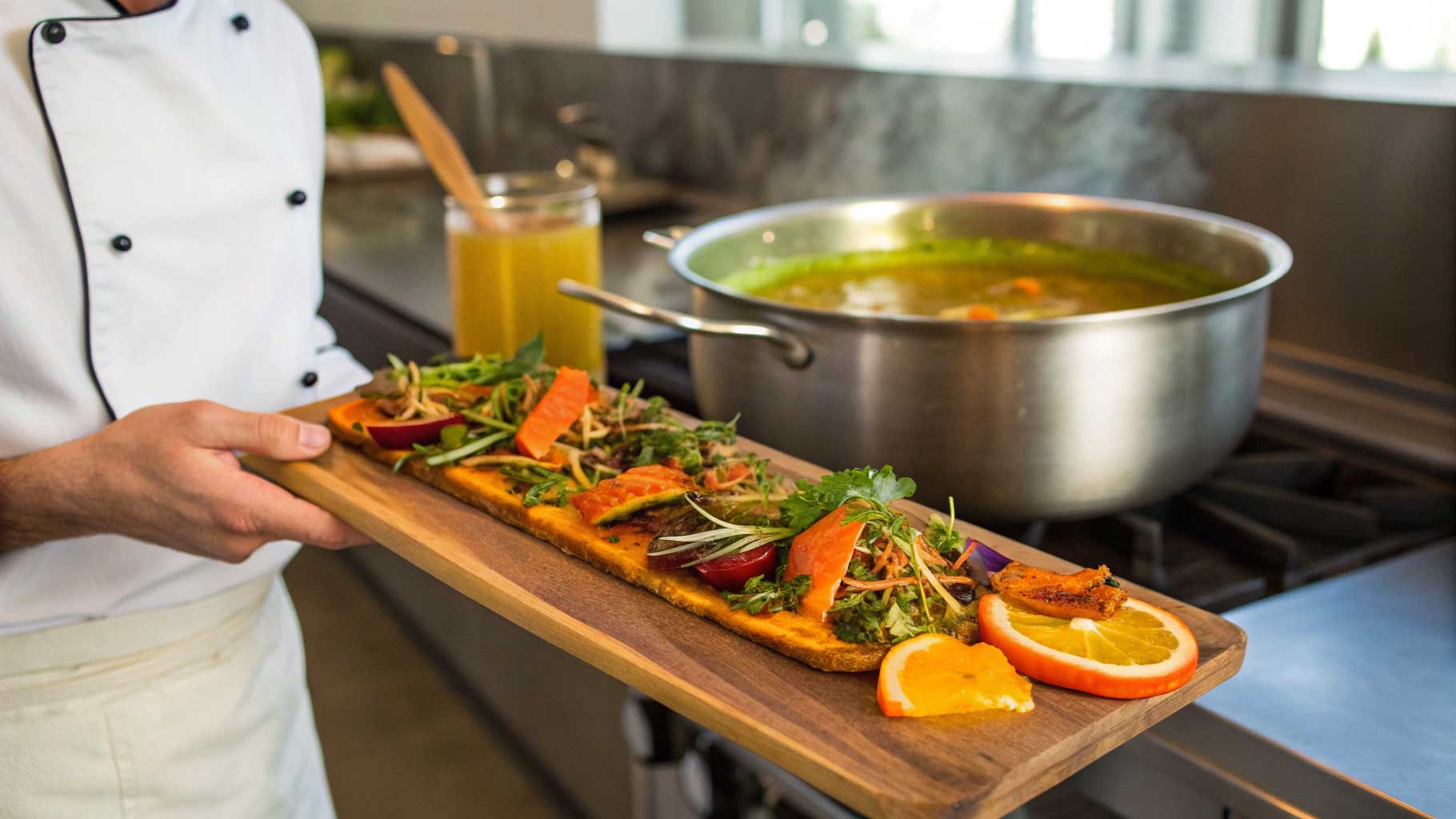
Drowning in disposal costs while watching your profit margins shrink? Food waste profits are hiding in plain sight, waiting for savvy operators to turn scraps into serious revenue streams through the powerful scrap dining movement.
Your kitchen is tossing money straight into the dumpster. Every carrot top, fish bone, and day-old bread represents untapped potential that smart restaurants are turning into premium dining experiences. Welcome to scrap dining—where yesterday's waste becomes tomorrow's windfall.
At Plastic Container City, we see the shift happening across thousands of food businesses nationwide. Pop-up events tied to creative waste reduction are driving container orders through the roof, signaling a fundamental change in how operators view their scraps.
The Hidden Goldmine: Why Your Waste is Worth More Than You Think
Consumer Demand is Driving the The New Model
The numbers don't lie: 73% of consumers consider a restaurant's approach to sustainability a key factor when choosing where to dine. But here's the kicker—they're willing to pay for it.
72% of diners will pay more for sustainable dining, with 18% willing to pay 6-10% more. This isn't some feel-good trend. It's cold, hard economics.
Modern diners, especially Gen Z and Millennials, crave authentic experiences with great stories. When your chef turns potato peels into crispy garnishes or turns fish bones into liquid gold broth, you're not just reducing waste—you're creating theater.
The Scarcity Factor Creates Desire
Scrap menus possess an inherent superpower: limited availability. Since these dishes depend on daily surplus ingredients, they're naturally exclusive. This scarcity creates the psychological pull that modern diners find irresistible. It creates a sense of 'insider' knowledge and urgency that resonates deeply with today's experience-driven diners.
Think about it. Your competition offers the same salmon dish every day. You offer a "today only" creation using salmon collar, citrus peel oil, and repurposed herb stems. Which generates more buzz?

How Much Money Do Restaurants Lose from Food Waste?
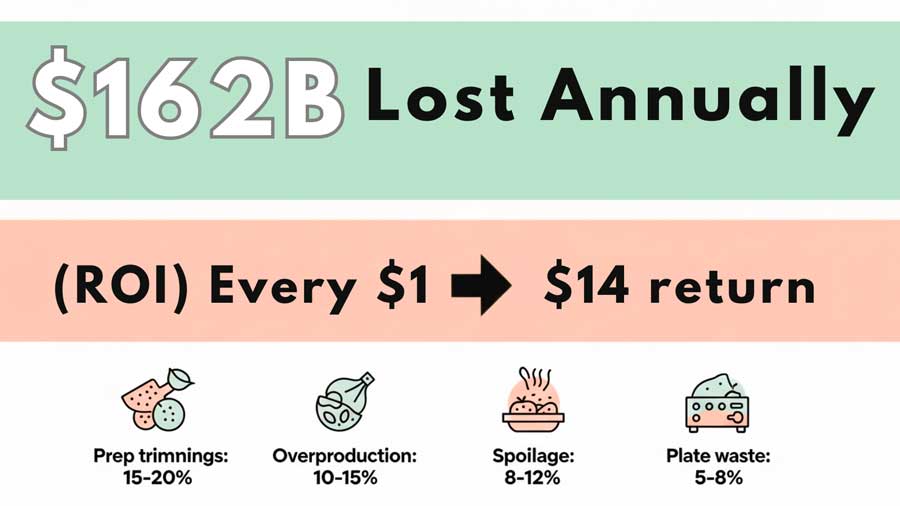
Restaurants collectively lose $162 billion annually through food waste, but smart operators are flipping this liability into profit. The financial case for waste monetization is bulletproof: every $1 invested in food waste reduction yields approximately $14 in returns.
Let's break down where your money is walking out the door:
The Real Cost Breakdown
The beautiful irony? The biggest waste categories offer the highest profit recovery potential.
Smart Operators are Capitalizing
With projected restaurant sales reaching $1.5 trillion in 2025 but profit margins stuck between 3% and 5%, every operational advantage counts. Waste monetization isn't optional—it's survival.
What is the Most Profitable Thing to Recycle?
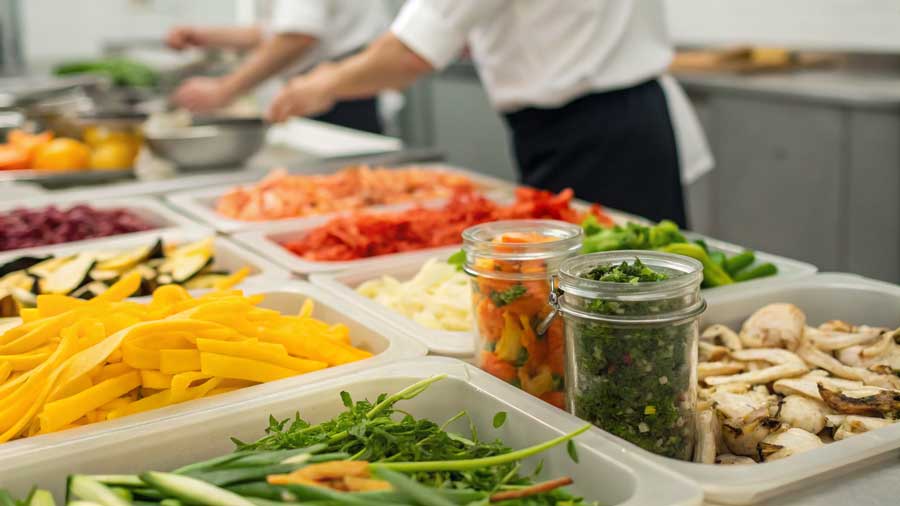
Vegetable trimmings and protein scraps deliver the highest returns when transformed into value-added menu items. Here's why these overlooked ingredients are pure gold:
Vegetable Scraps: The Unsung Heroes
Carrot tops become vibrant pesto. Citrus peels transform into candied garnishes or infused salts. Herb stems create aromatic oils. These "waste" products often pack more flavor than the main ingredient.
Protein Power
Fish bones and meat trimmings create restaurant-quality stocks that would cost $8-12 per quart wholesale. Your "waste" produces liquid gold that enhances every dish while slashing ingredient costs.
Spent grains from brewing can be made into flour, while leftover coffee grounds infuse rich flavor into desserts. And don't forget the power of preservation—revived techniques like fermentation and pickling upgrade basic scraps into complex, high-value ingredients that justify a premium price.

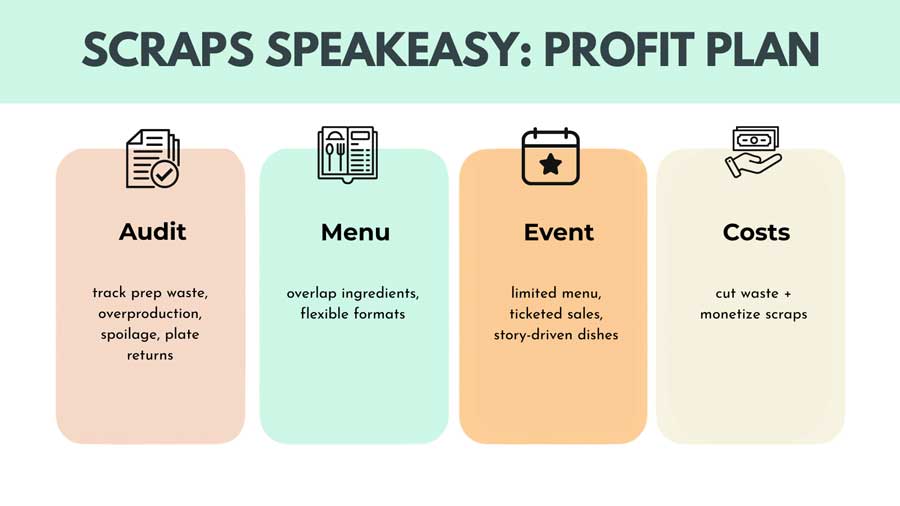
The Scraps Speakeasy Blueprint: Your Step-by-Step Profit Plan
Phase 1: Audit Your Goldmine
Before you can monetize waste, you need to understand what you're working with. Conducting a comprehensive food waste audit reveals exactly where your profits are disappearing.
Track everything for one week:
. Prep waste (peels, trimmings, bones)
. Overproduction (extra portions, day-old items)
. Spoilage (expired ingredients)
. Plate return (customer leftovers)
This data becomes your roadmap to profitability. Many operations find that simple waste reduction tips can immediately cut disposal costs while revealing profit opportunities.
Phase 2: Menu Engineering for Maximum Recovery
Smart menu design is your secret weapon. Create dishes that share overlapping ingredients across multiple menu items. When your vegetables appear in appetizers, mains, and sides, nothing goes to waste.
The "sweep the kitchen" approach works wonders here. Transform random leftover ingredients into customizable bowls, pizzas, or stir-fries. These flexible formats accommodate whatever surplus you have.
Professional kitchens are discovering that creative repurposing techniques can turn day-old products into premium offerings that command higher prices.
Phase 3: Launch a 'Scraps Speakeasy' Event
Here's where the magic happens. Create a limited-time "Scraps Speakeasy" experience that turns your waste stream into a premium dining event.
This isn't just another LTO; it's an exclusive event designed to maximize buzz and profitability. Here's the playbook::
. Exclusive atmosphere: Dim lighting, jazz music, hidden entrance
. Pre-set tasting menu: Eliminates ordering waste, guarantees profitability
. Ticket-based sales: Upfront revenue, predictable attendance
. Story-driven experience: Each dish tells the tale of reinvention
The speakeasy theme creates mystery and intrigue, perfectly complementing the "hidden treasure" nature of scrap dining. Serve cocktails in mason jars, use unconventional plates, and let the creativity flow.
Phase 4: Cost Optimization Through Waste Reduction
Smart operators know that waste reduction directly impacts the bottom line. Strategic cost-cutting approaches combined with creative waste monetization create compounding profit improvements.
This dual approach—reducing waste while monetizing what remains—creates the strongest financial impact for operations of all sizes.
How AI is Supercharging Food Waste Profits
Smart Technology, Smarter Profits
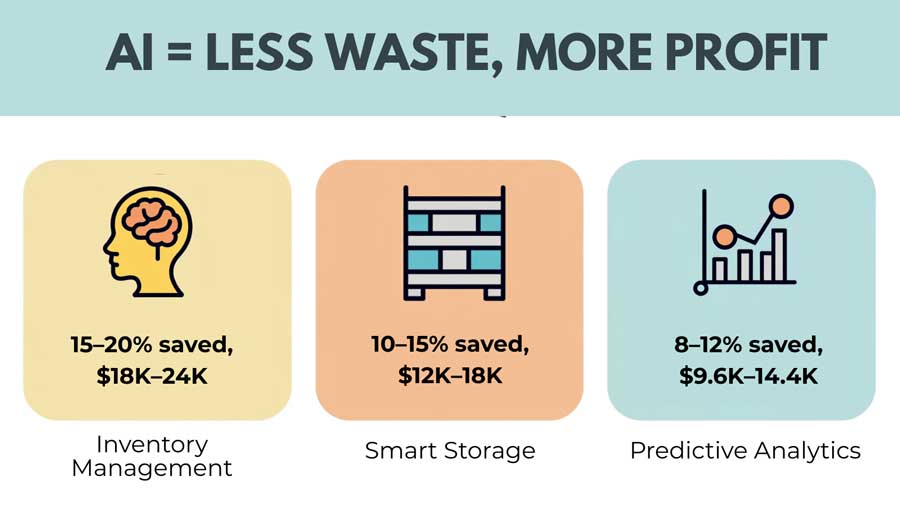
The 2025 landscape brings seriously smart technology that makes scrap dining scalable. AI-powered systems can cut food waste by up to 20% through predictive analytics and real-time waste tracking.
These systems analyze sales patterns, weather data, and local events to predict exactly how much to prep. No more guessing, no more massive waste.
The ROI of Smart Systems
The numbers speak for themselves. Technology pays for itself within months, then becomes pure profit enhancement.
The Power of Real-Time Waste Tracking
AI-driven solutions are conducting real-time waste audits by analyzing and classifying food items as they move through operations. These systems provide granular insights into waste hotspots, allowing restaurants to pinpoint exactly where inefficiencies occur.
Zero-Waste Success Stories: Learning from the Pioneers
Global Game-Changers
Silo in London operates without traditional bins, turning every scrap into menu gold. They source ingredients in reusable containers and craft furniture from reclaimed materials. The result? A sustainable business model that attracts global attention and premium pricing.
Nolla in Helsinki earned a Michelin Green Star for their comprehensive closed-loop system. Their on-site composting machine processes 28 kilograms of waste overnight, creating nutrient-rich soil for local farms.
Rhodora Wine Bar in Brooklyn became the first zero-waste wine bar in the U.S. by eliminating glass bottles entirely, serving wine from kegs and recyclable aluminum cans.
Frea in Berlin operates as the world's first fully vegan, zero-waste restaurant, earning a Michelin Green Star in 2023. All plant-based ingredients arrive unpackaged from regional organic farms, and their in-house composting system turns scraps into soil within 24 hours.
The Common Thread
Each success story shares three elements:
1. Complete operational integration of waste reduction
2. Creative menu development that celebrates scraps
3. Strong brand narrative around sustainability
The Real Challenge: Making It Work
The Reality Check
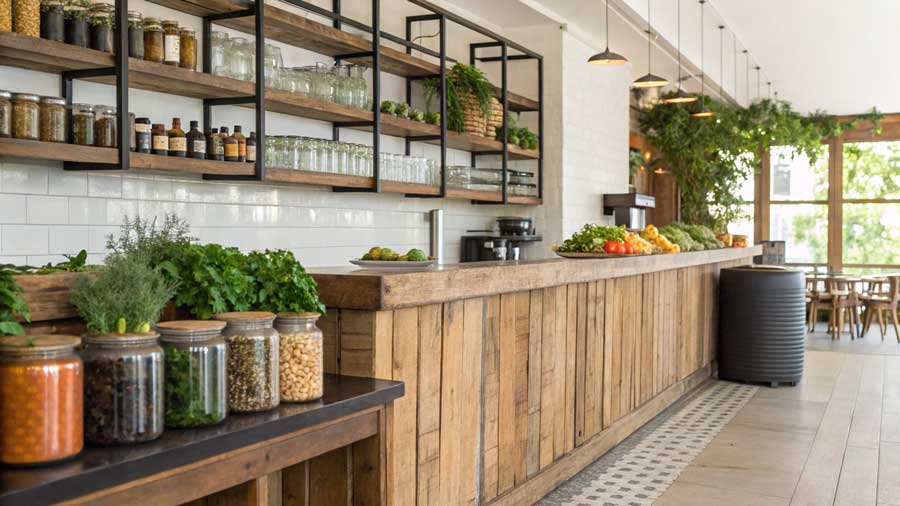
Let's be honest—achieving 100% zero waste is tough. Most restaurants aim for a 90% waste diversion rate, which is both realistic and profitable. Health codes, supply chain limitations, and infrastructure gaps create challenges.
But here's the twist: these limitations create competitive advantages for operators who figure it out first.
Smart Workarounds
Can't compost on-site? Partner with local farms who'll pay for your organic waste. Many operations discover that what they once paid to dispose of becomes a small revenue stream when sold to commercial composting facilities. Limited storage? Focus on daily specials that use scraps immediately. Small kitchen? Create "transformation stations" where scraps become value-added products.
Rising costs of sending organic waste to landfills make partnerships with commercial composting operations increasingly attractive. These facilities often pay for clean organic waste streams, turning your disposal cost into a small profit center.
Many of our customers tell us they've found creative storage solutions using stackable containers to organize their waste-to-profit ingredients separately from regular inventory.
The Infrastructure Investment
Yes, initial equipment costs can be significant. Composting systems, specialized storage, and staff training require upfront investment. But the ROI timeline is typically 6-12 months, followed by years of enhanced profitability.
The Numbers Don't Lie: 2025 Food Waste Data
The Scale of Opportunity
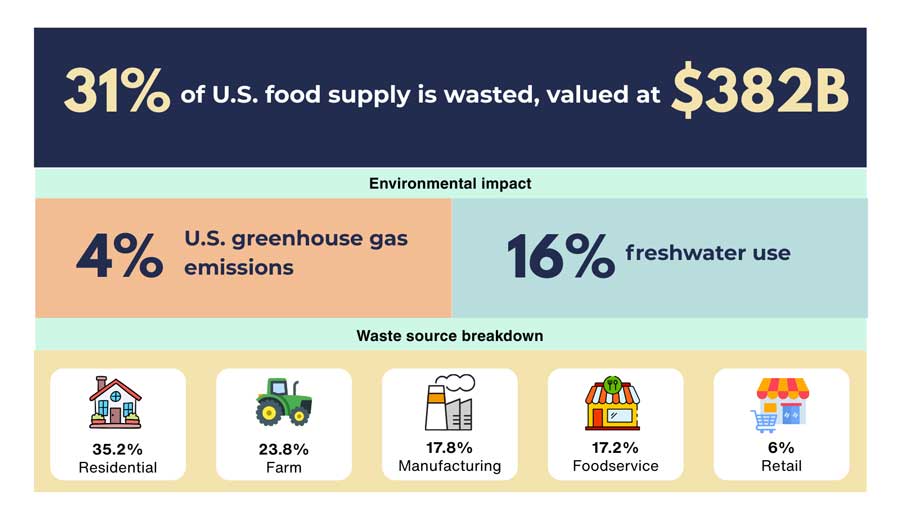
The latest data reveals the massive scope of this opportunity. The U.S. generated 73.9 million tons of surplus food in 2023, representing 31% of the total food supply and valued at $382 billion.
This waste accounts for 4% of U.S. greenhouse gas emissions and 16% of freshwater withdrawals. The environmental impact alone creates compelling marketing narratives for sustainability-focused dining experiences.
Where the Waste Comes From
Understanding waste sources helps target the highest-impact solutions:
. Residential: 35.2% of total waste
. Farm: 23.8% of total waste
. Manufacturing: 17.8% of total waste
. Foodservice: 17.2% of total waste
. Retail: 6% of total waste
The foodservice sector's 17.2% share represents billions in monetization opportunities for operators who act strategically.
Legislative Momentum Building
100 state-level bills related to food waste were introduced in 2024, with Maine becoming the twelfth state to enact an organic waste ban. The regulatory environment is pushing operators toward waste reduction—giving early adopters a significant competitive edge.
Your Action Plan: From Waste to Wealth in 90 Days
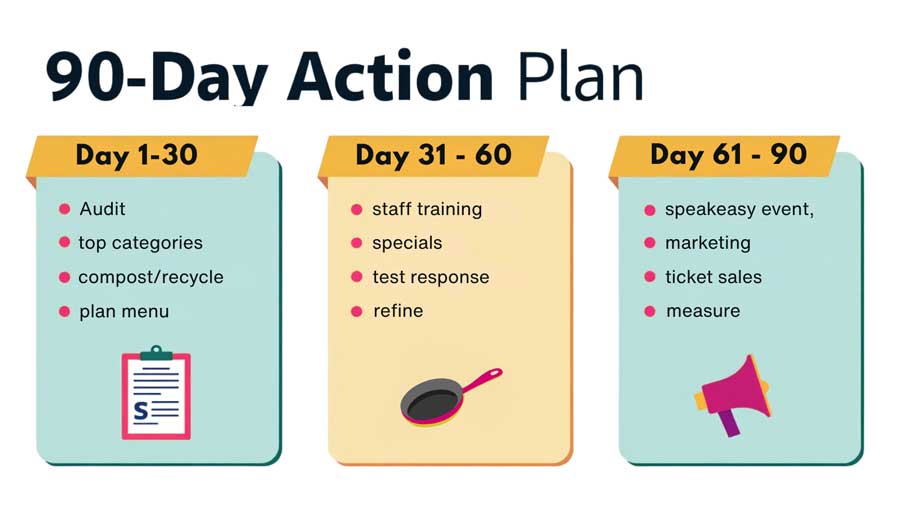
Days 1-30: Assessment and Planning
. Complete comprehensive waste audit
. Identify top waste categories
. Research local composting/recycling options
. Plan initial "transformation menu" items
Days 31-60: Implementation and Testing
. Train staff on new waste protocols
. Launch daily scrap specials
. Test customer response
. Refine processes based on feedback
Days 61-90: Scale and Monetize
. Plan first Scraps Speakeasy event
. Develop marketing campaign
. Create ticket sales strategy
. Measure profit impact
The Bottom Line: Your Competitive Edge
The restaurant industry in 2025 faces intense pressure. While your competition continues tossing money in the dumpster, you'll be transforming waste into premium experiences that customers pay extra to enjoy.
The infrastructure exists. The consumer demand is proven. The technology is accessible. The legislative pressure is building.
At Plastic Container City, we've watched thousands of food businesses discover that the smallest operational changes create the biggest profit impacts. The operators thriving in 2025 aren't just serving food—they're telling stories, creating experiences, and turning problems into opportunities.
Ready to transform your operation into a profit-generating machine? Explore our complete collection of industry insights, proven strategies, and profit-boosting techniques at Plastic Container City's resource hub—where food professionals discover what's working now and what's coming next.
Frequently Asked Questions
How much money do grocery stores lose from food waste?
Grocery stores lose billions annually from food waste, with the retail sector accounting for 6% of the total 73.9 million tons of surplus food generated in the U.S., representing significant profit opportunities for stores that implement creative reduction strategies.
Which country wastes the most food?
The United States generates approximately 73.9 million tons of surplus food annually, representing 31% of the total food supply and valued at $382 billion, making it one of the world's largest food waste producers alongside other developed nations.
Do restaurants write off food waste?
Yes, restaurants can write off legitimate food waste as a business expense, but the real profit opportunity lies in transforming waste into revenue-generating menu items rather than simply disposing of it and claiming tax deductions.
Can you make a lot of money recycling?
Absolutely—food waste "recycling" through creative menu engineering can reduce food costs by 15-20% while creating premium dining experiences that command higher prices from sustainability-conscious consumers, with ROI of $14 for every $1 invested.
What do restaurants do with food scraps?
Progressive restaurants repurpose food scraps into value-added products like stocks, garnishes, fermented items, and specialty menu offerings, while traditional operators typically dispose of scraps through waste management services, missing major profit opportunities.
