

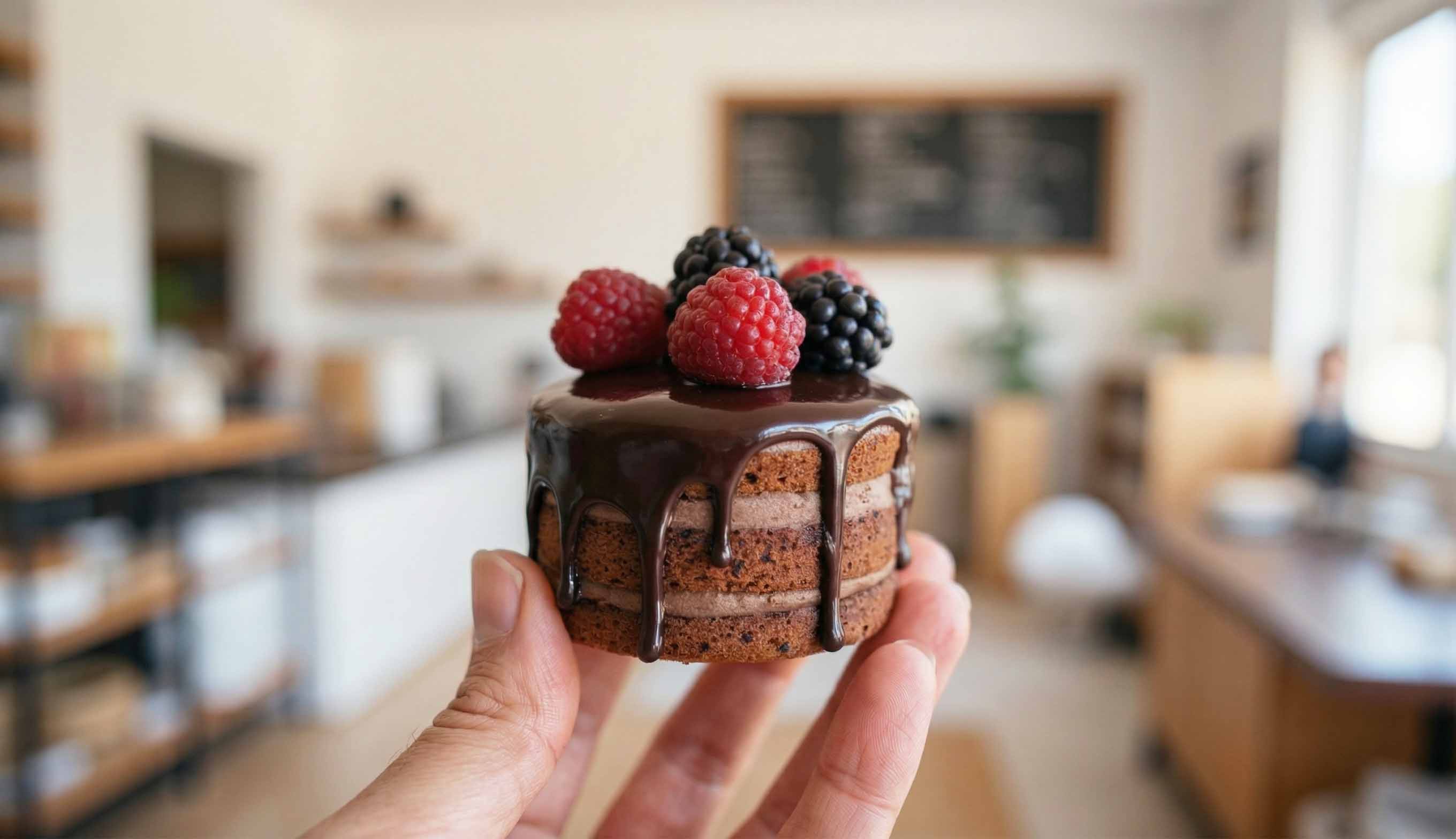
How do you profit when customers are eating 20 to 30% less food? High protein desserts for GLP-1 users give you the answer: charge more per ounce for treats that do more per bite.
These customers want protein packed mini desserts that satisfy their sweet tooth without derailing wellness goals. They'll pay $3.50 for a 2 ounce protein brownie when your regular 4 ounce version sells for $4. Better margins. New customers who'd otherwise skip dessert entirely.
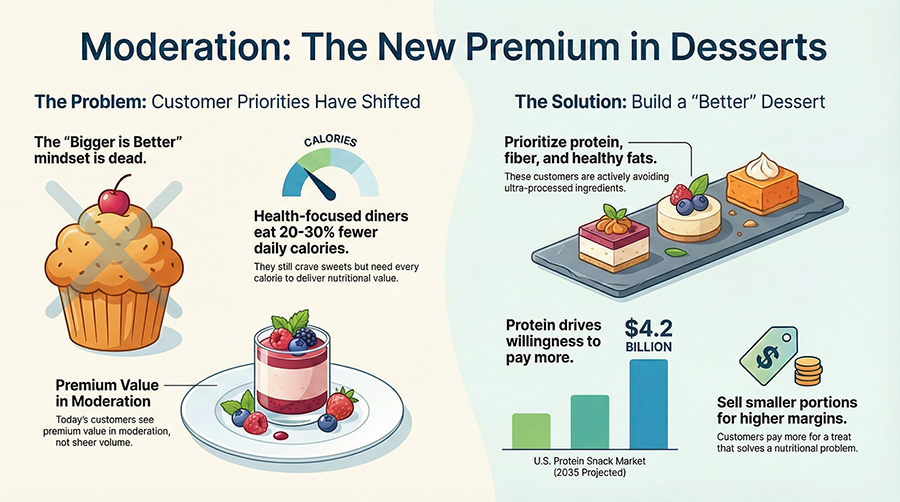
The market shift is already here. Nearly a quarter of U.S. households now use GLP-1 medication, projected to represent 35% of all food and beverage units sold by 2030. Meanwhile, 43% of Americans say protein enhanced products are worth paying more for.
Here's your move: launch a curated line of high protein mini desserts alongside your traditional menu. Done right, these treats pull in health conscious customers without alienating regulars who still want classic indulgence.
Why These Customers Pay More for Less
GLP-1 users consume approximately 20 to 30% fewer daily calories, but here's what bakeries miss: they still crave sweets. They're just choosing differently. Every calorie has to count for nutrition, not just pleasure. (For broader context on how GLP-1 medications are reshaping restaurant and bakery strategies, see our complete analysis.)
These customers seek treats high in protein, fiber, and healthy fats. They're cutting ultra-processed items. The old "bigger is better" mindset is dead. They see value in moderation, not volume.
Protein drives the willingness to pay more. Consumers view it as the most critical macronutrient for taste, satiety, and nutrition. The U.S. protein snack market is climbing toward USD 4.2 billion by 2035.
At Plastic Container City, we work with thousands of food professionals across the U.S. The bakeries winning right now understand this: customers aren't looking for less dessert, they're looking for better dessert. Smaller portions that deliver real nutrition sell at higher margins because they solve a problem traditional treats don't.
Here's how to build that solution.
How to Design Your High Protein Mini Dessert Line
Target 10 to 15 Grams of Protein Per Serving
GLP-1 users need 1.2 to 2.0 grams of protein per kilogram of body weight daily to preserve lean mass during weight loss. Most fall short. Research shows they're also under-consuming fiber, calcium, iron, and magnesium. Your desserts can help close multiple gaps at once.
Aim for 10 to 15 grams of protein per 2 to 3 ounce serving. That's meaningful without crossing into protein bar territory. For reference, successful products in this category hit benchmarks like 20g protein with 6g net carbs and under 1g sugar. You don't need to go that extreme. Meeting customers at 12g protein with balanced flavor is enough to stand out.
Build With These Ingredients
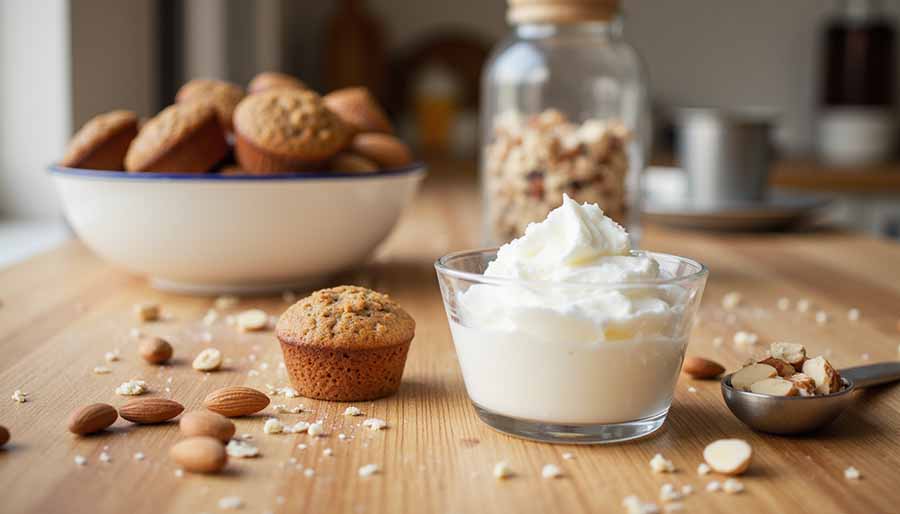
Use Greek yogurt as your base for cheesecakes and mousse style desserts. It delivers protein, creaminess, calcium, and hydration - a common challenge for GLP-1 users who need moisture-rich foods. Pair with almond flour or oat flour for structure and fiber. Add whey or plant based protein powder to hit your protein target without bulk.
Think chocolate protein brownie bites with walnut, mini cheesecakes with almond crust and berry compote, or protein muffins with cinnamon and oat flour. Every ingredient needs to justify its place nutritionally and texturally. (For more mini dessert ideas and recipes, see our complete guide.)
Make It Taste Like a Real Treat
Don't fall into the "healthy dessert" trap where everything tastes like cardboard. These customers want actual dessert flavor. Use high quality cocoa, real vanilla extract, cinnamon, and fresh or freeze dried fruit.
The texture matters as much as taste. Protein powder can make baked goods dense or chalky. Replace no more than 25% of your flour with protein powder. Use moisture rich ingredients like Greek yogurt, mashed banana, or pumpkin puree at 1:2 ratio with protein powder. Let batters rest 10 minutes before baking so protein can hydrate properly.
Test recipes until they're indulgent enough that someone would choose them even without prioritizing protein.
Because we supply food businesses across the country, we see what works. The best high protein bakery items don't announce themselves as compromises. They look Pinterest worthy and taste like treats you'd buy for flavor alone.
Price by Value, Not by Size
Mini desserts satisfy sweet cravings without guilt, but here's where most bakeries get it wrong: they price smaller items proportionally lower. That's leaving money on the table.
If your standard 4 ounce brownie costs $4, your 2 ounce protein version can be $3.50. Customers perceive it as affordable indulgence. You're charging 75% more per ounce. They get portion control. You get better margins.
| Item Type | Standard Size | Standard Price | Mini Protein Size | Mini Protein Price | Price/oz (Std) | Price/oz (Mini) |
|---|---|---|---|---|---|---|
| Brownie | 4 oz | $4.00 | 2 oz | $3.50 | $1.00 | $1.75 |
| Cheesecake | 6 oz | $6.00 | 3 oz | $5.00 | $1.00 | $1.67 |
| Muffin | 5 oz | $4.50 | 2.5 oz | $4.00 | $0.90 | $1.60 |
The math works. Smaller portions mean lower ingredient costs. Higher per ounce pricing means stronger margins. Add faster turnover and reduced waste, and you're looking at a profit center that outperforms traditional items. (For a systematic approach to custom cake pricing and profit margins, see our 5-stage pricing system.)
Package and Label to Command Higher Prices
Match Container Quality to Product Positioning
Your packaging protects the product, showcases it, and justifies the price point instantly. Clear plastic containers with secure lids let customers see what they're buying. Matte finish containers or kraft boxes with cutout windows signal artisan quality. (Explore our guide to must-have food packaging solutions for bakeries for specific container recommendations.)
Skip flimsy clamshells. They cheapen the perception. Use containers that feel substantial when picked up. The packaging experience is part of what customers pay for.
Because we supply packaging to bakeries, caterers, and food trucks across the country, we see this clearly: the businesses charging $4 to $5 for mini desserts use packaging that communicates care. The container is part of the product experience.
Call Out Protein Content Boldly
Nearly half of shoppers actively look for "high protein" labels. Your packaging needs bold, front facing callouts: "12g Protein," "Fiber Rich," "Nutrient Dense."
Don't mention specific GLP-1 medication names like Ozempic or Mounjaro. Users prefer privacy. Use benefit language instead: "supports wellness goals," "crafted for mindful eating," "perfect for satiety."
List complete nutrition facts and ingredient sourcing. Premium positioning requires premium transparency.
Design for Visual Appeal
Color contrast sells. A protein berry tart with bright raspberries on creamy yogurt photographs beautifully. A chocolate protein mini cake with a walnut half on top signals quality immediately.
Garnish strategically. A dusted sprinkle of cocoa, sea salt flakes, or fresh fruit makes the difference between "looks homemade" and "looks premium." Arrange treats in clear containers so the best angle faces forward. Each packaged item is a small billboard for your brand.
Market to Both Audiences Simultaneously
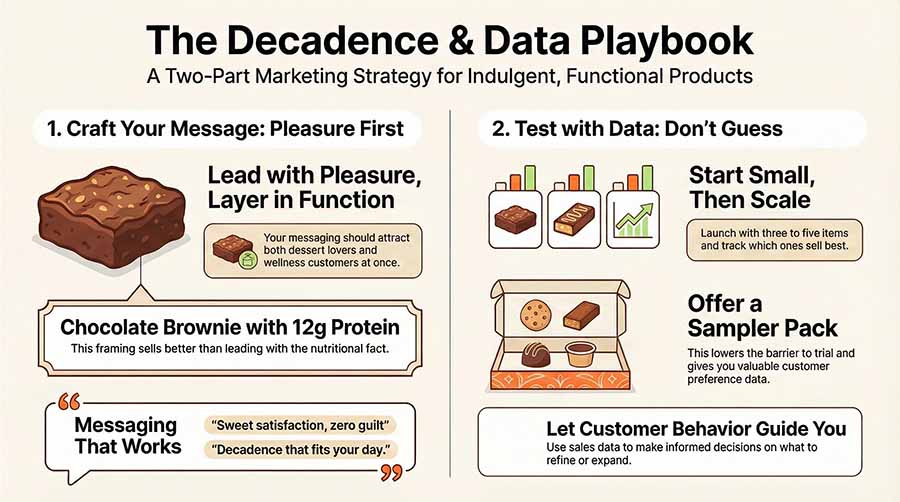
Lead With Pleasure, Layer in Function
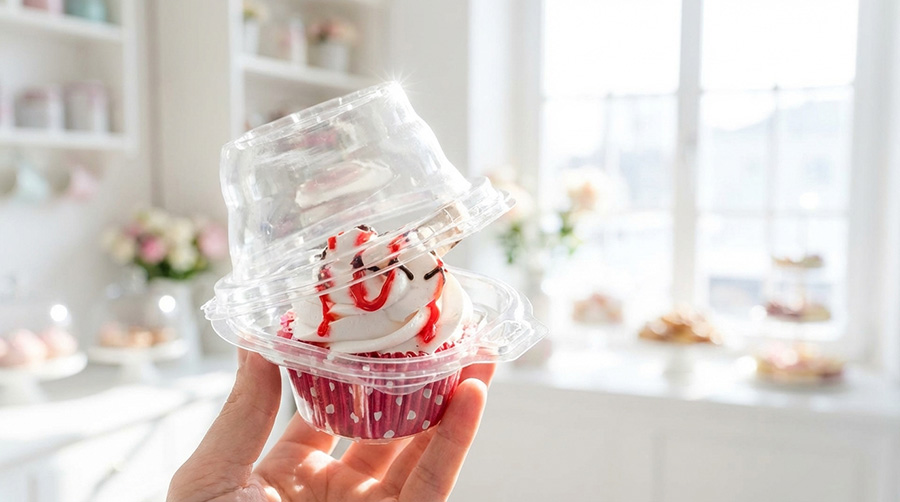
Your messaging works for traditional dessert lovers and wellness customers at once. Lead with indulgence. Layer in benefits without lecturing.
Use language like:
- Decadence that fits your day
- Sweet satisfaction, zero guilt
- Serious flavor, serious protein
- Crafted for your sweet spot
- Mini size, major impact
Don't lead with nutrition facts. Lead with flavor, then mention protein as a bonus. "Chocolate brownie with 12g protein" sells better than "12g protein chocolate brownie."
Test With Three to Five Items, Then Scale What Sells
Launch three to five flavors. Track which ones sell out first, generate repeat purchases, and spark questions. Use that data to refine recipes, adjust pricing, or expand the line.
Offer a sampler pack at a slight discount. This lowers the trial barrier and gives you preference data across your range. Track sales by day and time. Afternoon impulse buys signal different opportunities than morning meal prep purchases.
Don't guess. Let customer behavior tell you where to invest next.
What Happens Next
Launch week matters. Price your mini protein line 10 to 15% higher than you think customers will pay, then watch. If three items sell out by noon, you priced too low. If nothing moves by day three, drop prices 10% and test messaging, not the product.
Track which customers buy: new faces or regulars trying something different? That tells you if you're expanding your base or cannibalizing existing sales. Both can be profitable, but the strategy shifts based on the data.
High protein desserts for GLP-1 users represent customers actively looking for what you're about to sell. The question isn't whether demand exists. It's whether your bakery captures it before someone else does.
You're solving the tension between wanting something sweet and staying on track. Charge accordingly.
For more bakery strategies, food industry insights, and profit-building tactics, visit the Plastic Container City blog.
FAQ’s
What sweets are good for GLP-1 users?
GLP-1 users benefit from high protein desserts delivering 10 to 15 grams of protein per serving, made with Greek yogurt, almond butter, whey protein, or eggs. Look for treats lower in added sugar, higher in fiber, and portioned to support satiety without overwhelming reduced appetite. Mini cheesecakes, protein brownie bites, and berry based desserts work well.
What are the best protein sources while on GLP-1 medication?
High quality protein sources include fish, poultry, lean meat, dairy like Greek yogurt and cottage cheese, eggs, nuts, seeds, and soy foods. These support muscle preservation and help meet elevated protein needs of 1.2 to 2.0 grams per kilogram of body weight daily.
Can you eat sweets on GLP-1 medication?
Yes, but portion sizes and ingredient quality matter more. GLP-1 users often prefer smaller portions of desserts that feel satisfying without causing digestive discomfort. Choosing high protein, fiber rich options helps balance blood sugar and supports feeling full, making treats easier to enjoy without derailing progress.
What is the best dessert for losing weight?
The best dessert for weight loss satisfies sweet cravings while fitting calorie and macronutrient goals. High protein mini desserts with fiber rich ingredients like oats, flax, or berries offer satiety and nutritional value. Portion control is key. A 2 to 3 ounce high protein treat delivers satisfaction without excess calories.
How do I create a menu for my bakery that includes high protein options?
Add three to five high protein mini desserts alongside existing items, not replacing them. Use clear labels highlighting protein content. Keep portions small and priced by value. Market with dual messaging appealing to traditional dessert lovers and wellness customers. Test and refine based on sales data and feedback.
