

Is your menu stuck in the past while your customers' expectations rocket into the future? The functional food trend is completely rewriting the rules of what diners expect from their plates, with a whopping 62% of consumers now making "healthfulness" their number one priority when choosing what to eat. The global functional food market is set to hit a mind-blowing $398.81 billion in 2025, growing at a blistering 10.33% annually.
Forget everything you thought you knew about "health food." We're not talking about sad salads and cardboard-flavored protein bars here. Today's functional foods are the chameleons of the culinary world—they look like regular food, taste like regular food, but pack secret superpowers that boost energy, sharpen focus, heal guts, and even help stressed-out customers sleep better.
This isn't just another flash-in-the-pan trend that'll disappear faster than free samples at Costco. Three major forces are driving this freight train: health obsession, convenience culture, and the personalization revolution. Modern customers literally view food as medicine, with 37.5% wanting immunity support and 34.22% seeking weight management help.
What Are Functional Foods Really?
Functional foods are foods that provide health benefits beyond basic nutrition. Think of them as your ingredients' cooler, more accomplished siblings. A regular blueberry feeds you. A functional blueberry feeds you AND floods your system with brain-boosting antioxidants.
The beauty lies in the variety. You've got three camps here:
The Naturals: These are whole foods that come pre-loaded with benefits straight from Mother Nature. Kefir supports gut health through natural probiotics, while broccoli delivers anti-inflammatory compounds without breaking a sweat.
The Enhanced: Regular foods that got a nutritional makeover. Think margarine fortified with omega-3s or yogurt pumped up with extra probiotics.
The Transformed: The newest kids on the block where conventional foods get upgraded with plant-derived compounds during processing. Picture pasta enriched with carrot flour or bread infused with antioxidant-rich compounds.
The Primacy of Gut Health: Your Menu's Secret Weapon
Here's where things get interesting. Gut health isn't just trendy—it's the foundation everything else builds on. A massive 45.61% of consumers are actively hunting for foods that support digestion, and they're not messing around.
The science backs up the hype. Your gut health affects everything from your immune system to your mood. Poor gut health? You're basically running on empty, no matter how many vitamins you pop. Global probiotic consumption has jumped by 50%, and smart operators are riding this wave.
Single-serving yogurts still rule the roost, but chia puddings are the new darlings. These little seeds pack prebiotic fiber that feeds your good gut bacteria like premium fertilizer feeds prize-winning roses. Savory fermented food pots? They're the sophisticated cousin that makes kimchi look mainstream.
But here's the real magic: fermented foods don't just improve digestive comfort—they actually help your body absorb nutrients better. That premium olive oil you're using? It works harder when paired with fermentation-friendly preparations.

Protein's Mainstream Moment: The GLP-1 Game Changer
Protein just had its coming-out party, and everyone's invited. 71% of Americans are actively trying to boost their protein intake, but plot twist—it's not just about building biceps anymore. We're talking weight management, sustained energy, and graceful aging.
This demand has now become hyper-specific. A key driver in 2025 is the new wave of GLP-1 medication users who are actively seeking high-protein, nutrient-dense foods to support their health goals and manage side effects. This is a ready-made, high-value customer base looking for exactly what functional foods can offer. Understanding the GLP-1 restaurant reality is crucial for modern operators.
The innovation is happening everywhere except protein bars (thank goodness). Protein-fortified puddings give you dessert vibes with muscle-building power. Savory protein bites deliver energy without screaming "I'm on a diet!" Cottage cheese sales have absolutely exploded, proving that sometimes the simplest solutions win.
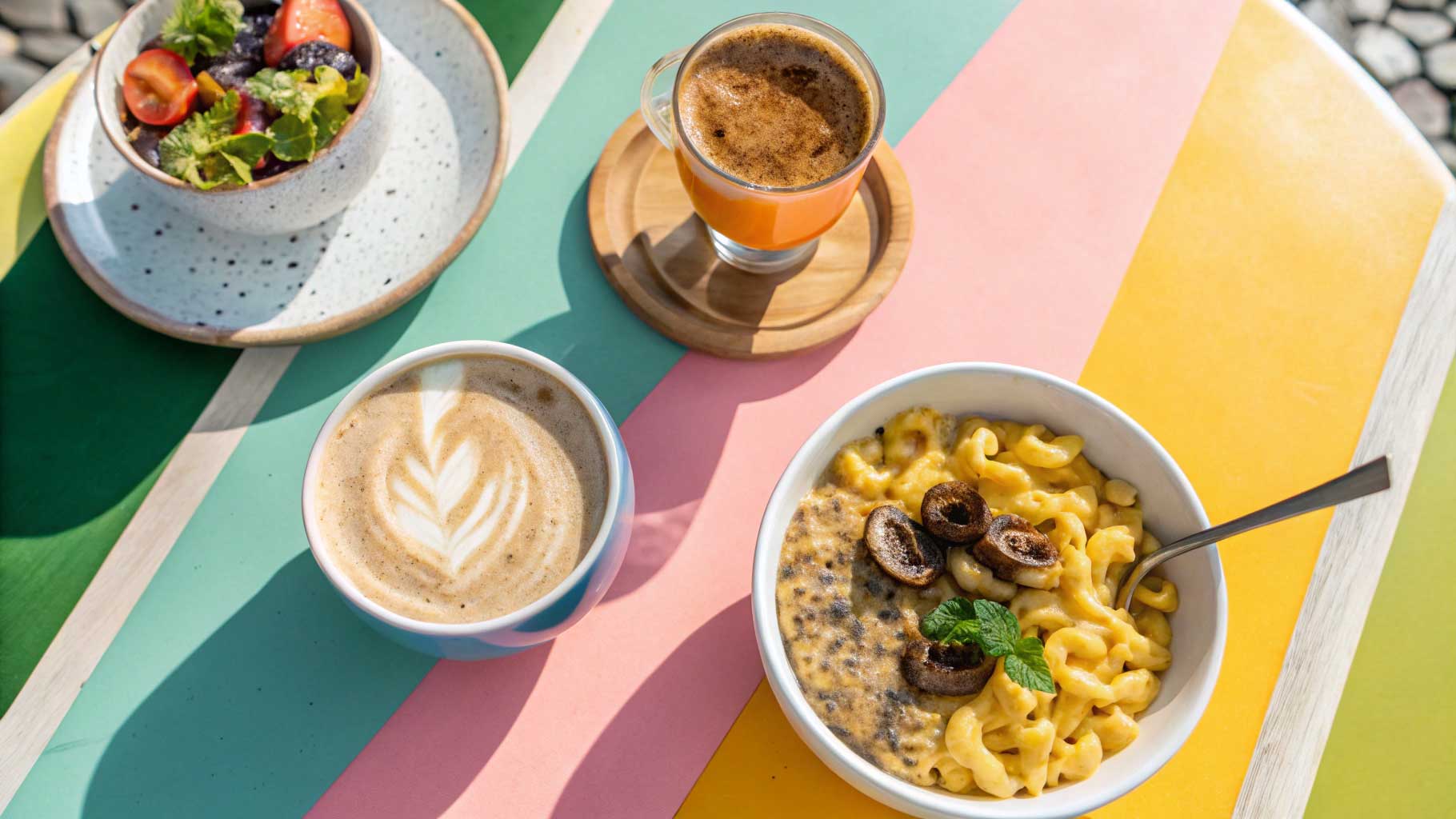
Take Goodles, who more than doubled their sales in 2024 with protein-fortified mac and cheese delivering over 10 grams per serving. Comfort food that actually works for you? That's the sweet spot.

The Rise of "Brain Food": Mental Wellness Meets Your Menu
Welcome to the cutting edge, where your lunch can literally make you smarter. 61% of consumers want functional foods for enhanced energy and focus, while 44.92% are hunting for actual brain function improvement. This isn't wishful thinking—this is science meeting profit margins.
Adaptogens are the rock stars here. Ashwagandha actually lowers cortisol levels, providing real stress relief that busy professionals desperately need. Lion's Mane mushroom supports cognitive function, making it perfect for business lunch crowds or co-working café menus.
The beverage game is where the real action happens. Mushroom lattes and nootropic drinks are gaining serious street cred. Coffee beverages loaded with adaptogens and botanicals offer familiar comfort with functional superpowers. Non-alcoholic seltzers packed with stress-busting compounds give customers the social experience minus the hangover regret.
Targeted Nutrition on the Rise:
. Women's Health: Products featuring folate, iron, magnesium, and collagen peptides are seeing explosive growth
. Sleep Support: Functional foods designed to promote better rest represent a major emerging trend
. Anti-Aging: Compounds targeting cellular health and longevity are moving mainstream

The New Wave of Plant-Based: Sustainability Meets Function
Plant-based eating finally grew up and stopped trying to be something it's not. The new approach celebrates natural, plant-derived ingredients for their own functional benefits instead of desperately trying to fool anyone into thinking that mushroom tastes like beef.
This new wave also taps into a powerful consumer demand for sustainability. The most innovative brands aren't just selling plant-based; they're selling a story. Think of Solely, which creates functional snacks by rescuing 1.6 million pounds of surplus fruit annually, or PKN, which developed its pecan milk specifically for its lower water footprint and regenerative farming potential.
Hybrid approaches are stealing the show. The Jackfruit Company's genius half-beef, half-jackfruit burger slashes saturated fat and carbon emissions in half while keeping all the flavor satisfaction. This is pragmatic eating for flexitarians who want better nutrition without dietary martyrdom.
But here's where the industry debate gets spicy: some experts worry about consumers over-relying on fortified products instead of embracing diverse, whole-food consumption. The winners will balance innovation with foundational nutrition wisdom.

Hyper-Personalization: AI Meets Your Kitchen
Personalized nutrition is about to make one-size-fits-all menus look as outdated as flip phones. AI-driven innovations are creating customized meal solutions that would make your grandmother's intuitive cooking look amateur.
The technology is becoming ridiculously accessible. AI can now optimize protein drink formulations for regional taste preferences, reducing R&D costs and shortening time-to-market. Blockchain technology verifies ingredient origins, ensuring ethical and environmentally responsible supply chains.
For foodservice operators, this means preparing for more complex but infinitely more rewarding customer relationships. Menu flexibility becomes your secret weapon.

What Are Some Examples of Functional Food?
The best functional foods master the art of being impressive without being intimidating. Probiotic-enriched yogurts nail this perfectly—gut health benefits in a format everyone already loves. Omega-3 enriched eggs deliver heart-healthy fats without changing a single cooking technique.
Innovation is exploding everywhere. OLIPOP's prebiotic sodas blend traditional herbal wisdom with modern science to support digestive health. Who knew soda could be good for you?
Beverages are leading the charge. Athletic Brewing's nonalcoholic craft beer targets health-conscious consumers who want the brewery experience without alcohol's baggage. The functional beverage sector is projected to hit $200 billion by 2026—that's serious money chasing serious innovation.

Are Functional Foods Approved by the FDA?
Functional foods live under existing FDA food regulations rather than needing special pharmaceutical-style approval. The FDA recently updated its "healthy" nutrient content claim (effective April 28, 2025), shifting focus from individual nutrients to food groups recommended by dietary guidelines.
But here's the regulatory reality check: proving health claims requires serious scientific backing. European Food Safety Authority (EFSA) maintains rigorous scientific substantiation requirements, and a recent UN FAO report emphasizes the critical need for safety assessments, especially for novel ingredients.
This isn't just paperwork—it's protection. The regulatory landscape demands transparency and accuracy, which ultimately builds consumer trust.

Industry Challenges: The Real Talk
Let's be honest—this industry has some growing pains. Supply chain disruptions are hitting nearly 30% of global manufacturers, with essential ingredients like omega-3 oils seeing price swings up to 20%. That's real money affecting real margins.
Consumer education remains a massive challenge. 40% of consumers are genuinely confused about the difference between "natural" and "organic", while confusion between "health foods" and "functional foods" continues limiting adoption.
The opportunity? Clear, honest communication creates competitive advantage. Smart operators are also cutting down on bakery waste and optimizing operations to protect margins. Operators who can explain benefits without overwhelming customers will win the trust game.
The Technology Revolution: What's Coming Next
Technology is about to turn this industry inside out in the best possible way. Precision fermentation creates specific ingredients with mind-blowing precision, while AI optimizes formulations for taste and nutrition simultaneously. The role of AI in the food industry is transforming everything from recipe development to customer experience.
Nestlé is betting big on air fryer-suitable products across the Americas, calling it a "big bet" for 2025. PepsiCo's potential $2 billion acquisition of Poppi demonstrates how seriously major players are taking this space. When beverage giants spend that kind of money on prebiotic sodas, you know the revolution is real.

Future-Proofing Your Operation
The functional food revolution isn't slowing down—it's accelerating. The operators who win will master the balance between scientific credibility and culinary creativity. Understanding what's hot and what's next in our 2025 mid-year reality check keeps you ahead of the curve. Customers want functional benefits, but they still demand delicious food served in environments that make them feel good about their choices.
Success requires thinking beyond individual ingredients to create holistic experiences. When 35% of consumers view food as important for managing stress and improving mood, your restaurant becomes part of their wellness routine, not just their dining schedule.
The question isn't whether your customers want these benefits—they absolutely do. The question is how quickly you can deliver them while staying true to your culinary vision and profit margins.
Ready to stay ahead of the game? Our team at Plastic Container City digs deep into the trends that matter to food professionals. Explore our complete library of industry insights for everything from cutting-edge food trends to practical operational tips that actually move the needle.
Frequently Asked Questions
What is the next big food trend?
The next big trend is hyper-personalized nutrition combined with mental wellness foods. This includes foods tailored for specific health conditions (like GLP-1 users), stress-reducing adaptogens, and AI-driven customization that matches individual health goals and taste preferences.
Are functional foods processed?
Functional foods range from minimally processed whole foods like antioxidant-rich blueberries to strategically enhanced products like omega-3 fortified yogurt. The level of processing varies greatly depending on whether the health benefit is naturally occurring or added during production.
What is the difference between a functional food and a nutraceutical?
Functional foods are whole foods you eat as part of a regular meal, like probiotic yogurt or omega-3 enriched eggs. Nutraceuticals are concentrated, supplement-style products derived from food components, like fish oil capsules, consumed specifically for their medicinal benefits rather than as part of a meal.
What are the disadvantages of functional foods?
The main disadvantages include higher production costs due to specialized ingredients and processing, navigating complex regulations for health claims, and overcoming consumer skepticism about benefits. The industry also faces supply chain challenges for key ingredients and the ongoing challenge of maintaining great taste while adding functional components.
What is the future of functional foods?
The future is driven by technology and extreme personalization. AI will create products tailored to individual health goals and regional taste preferences, while technologies like precision fermentation will develop novel, sustainable ingredients. The focus will shift toward seamlessly integrating powerful health benefits into familiar, trusted food formats that customers already love.
