


Baking is an art form that requires precision, patience, and creativity. Whether you're an experienced baker or just starting out, you know that every ingredient plays a crucial role in the final product. But what happens when you need to modify a recipe for dietary reasons or simply because you ran out of an ingredient? This is where egg substitutes come in. In this blog post, we'll explore some of the best egg substitutes for baking. From applesauce and mashed bananas to silken tofu and aquafaba, we'll show you how these substitutes can help you achieve delicious and healthy results. So, let's put on our aprons and get started!
Why do we use eggs in baking?

To start, lets's discover why eggs are used in baking.
Eggs are incredibly versatile and multifunctional, making them a go-to ingredient for any baker! They can provide firmness, flavor, binding, and leavening, depending on what you’re trying to achieve with your dish.
Leaving agent: when eggs are beaten, they create air pockets that expand when heated, causing the baked good to rise. This is especially important in cakes and soufflés, where a light and airy texture is desired. Without eggs, these delicate treats would become dense and heavy.
Add moisture: eggs contain both water and fat, which can help provide moisture when used in baking or cooking. In addition, the proteins found in eggs can also help trap moisture and create a tender texture in baked goods.
Binding agent: to help hold ingredients together. This is particularly important in recipes that call for a lot of dry ingredients, such as flour or breadcrumbs. Without eggs, these dry ingredients might not stick together properly, and the finished product may crumble and fall apart.
Emulsifiers: allowing liquids and fats to mix together smoothly. This helps to ensure that ingredients are evenly distributed throughout the baked goods.
Flavor: eggs contribute flavor to the finished product and make it richer and more delicious.
Eggs also help thicken and can add color to your favorite treats.
Before duscussing each replacement in detail, Check out our handy table of substitutions below for your scrumptious baked goods. However, please keep in mind that this is a guide and may vary depending on the taste and texture you wish to achieve.
Egg Substitution Table

Unsweetened Applesauce
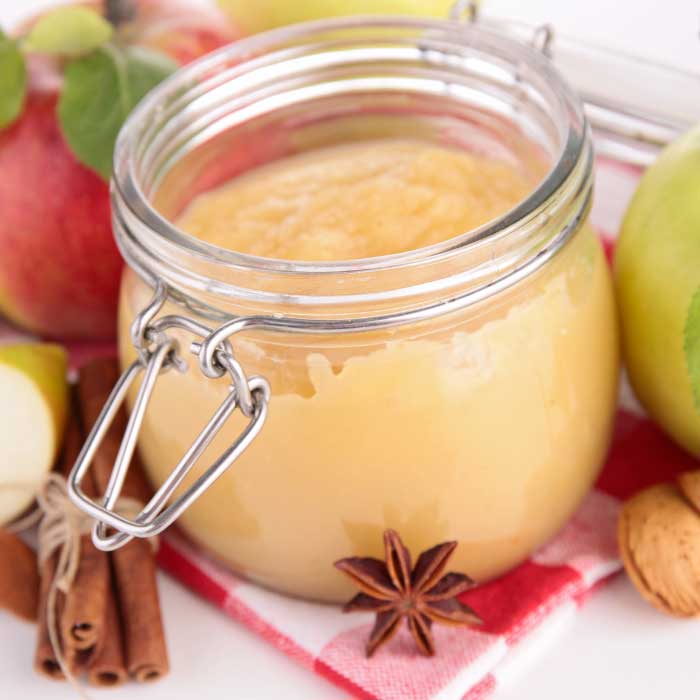
Substituting applesauce for eggs not only cuts down on cholesterol and fat, but it also adds moisture and sweetness while binding ingredients. Simply swap out one egg for 1/4 cup of unsweetened applesauce and enjoy denser cakes, muffins, and quick breads. Just keep in mind that the flavor of the final product may be altered, so it's best to use in recipes where the flavor of apples is complementary. Also, note that recipes that require more than two eggs, such as angel food cake or meringues, may not work as well with this substitution.
✔ adds moisture and bind the ingredients
✔ 1/4 cup of unsweetened applesauce can be used to replace one egg
✔ Perfect for denser cakes, muffins, and quick breads
✔ Not recommended for recipes requiring more than two eggs, like angel cakes or meringues.
✔ Use in recipes where apple flavor is complementary.
Mashed Bananas
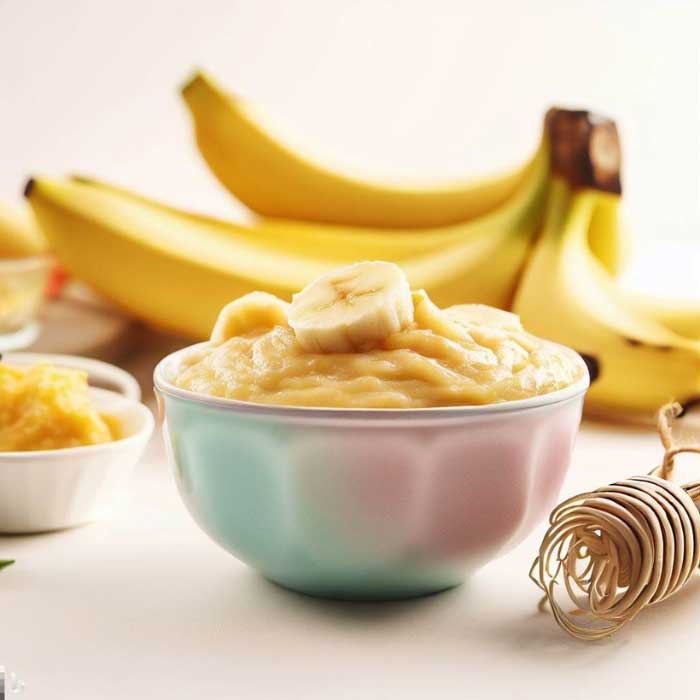
Bananas are a popular substitute for eggs in baking recipes. Not only do they provide a moist texture to baked goods, but their natural sticky texture helps bind the ingredients together. Plus, they add natural sweetness, potassium, and fibre to your goodies! Although bananas may not provide the same leavening effect as eggs, when combined with other rising agents like baking soda or baking powder, their natural sugars can help create some lift. To replace one egg in recipes, simply mash up 1/4 cup of ripe bananas until smooth and creamy.
Bananas are a versatile substitute that can add a moist and dense texture to recipes like quick breads, brownies, and muffins. However, when it comes to lighter and fluffier desserts like sponge cakes and soufflés, or baked goods that rely heavily on eggs for their structure, bananas may not be the ideal choice.
Please bear in mind that the banana flavor will be present in the final product, so it's important to choose recipes where the taste complements the other ingredients!
✔ adds moisture and bind the ingredients
✔ 1/4 cup of mashed banana can be used to replace one egg.
✔ Perfect for denser cakes, muffins, and quick breads
✔ Not recommended for recipes requiring more than two eggs, like angel cakes or meringues
✔ Use in recipes where banana flavor is complementary
Also, in addition to mashed bananas and unsweetened apples, you can experiment with 1/4 cup of mashed avocado, pureed pumpkin, or even prunes!
Top tip: fruit puree can make baked goods a little dense and does not provide much leavening. To counteract this, add half a teaspoon of baking powder.
.
Silken Tofu
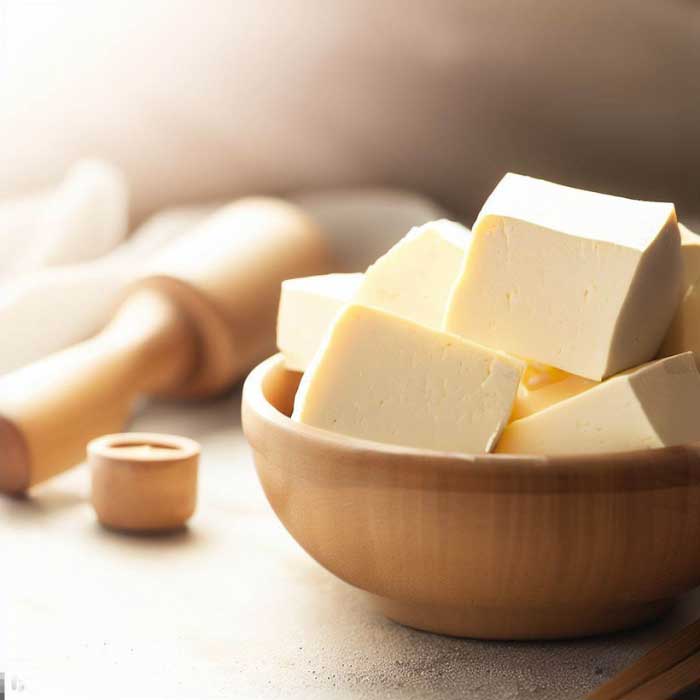
For a more savory egg substitute, consider using silken tofu. Not only does this ingredient add a moist and tender texture to baked goods, but similarly to eggs, it has a smooth and creamy consistency that helps bind the ingredients. Plus, it provides a good source of protein and other nutrients! While silken tofu doesn't provide as much leavening as eggs, it does contribute to the structure of baked goods. It works well as a replacement for eggs in custards and puddings and can yield excellent results in baked goods such as brownies, quick bread, and cakes. It, however, may not be suitable for recipes that rely heavily on eggs for structure, such as angel food cake. Blend 1/4 cup of silken tofu until smooth and use it in place of each egg in your recipe.
✔ adds moisture, bind the ingredients and has some leavening properties
✔ 1/4 cup of blended silken tofu can be used to replace one egg
✔ Perfect for cakes, puddings, brownies, quick breads, and cakes
✔ Not recommended for recipes that rely heavily on eggs for structure, such as angel food cake
Ground Flaxseed or Chia Seed

Ground flaxseed (also known as flax egg) or chia seed can be a healthy and convenient egg substitute in baking that primarily acts as a binding agent and adds moisture to recipes. These plant-based options are great for those who follow a vegan diet or have an egg allergy. To use either of these substitutes, mix 1 tablespoon of ground flaxseed or chia seed with 3 tablespoons of water and let it sit for a few minutes until it forms a gel-like consistency that mimics the binding properties of eggs. This mixture can then be used in place of one egg in recipes for baked goods like muffins, bread, and pancakes. They are not, however, recommended for recipes that need a significant amount of leavening, like fluffy cakes or soufflés.
Not only do these substitutes provide an egg-like texture, but they also add some nutritional benefits like fiber and omega-3 fatty acids to your baked goods.
✔ Primarily bind the ingredients and adds some moisture
✔ To substitute one egg, mix 1 tablespoon of ground flaxseed or chia seed with 3 tablespoons of water to create a gel-like consistency
✔ Perfect for muffins, bread, and pancakes
✔ Not recommended for recipes that need a significant amount of leavening, like fluffy cakes or soufflés
Baking Powder, Oil, and Water
To substitute one egg, mix together 1 tablespoon of baking powder, 1 tablespoon of oil, and 1/4 cup of water. This mixture provides the leavening, binding, and moisture that eggs typically offer in baking recipes and can work wonders for pancakes, waffles, and cookies. The oil helps to hold the ingredients together and adds moisture along with the water, while the baking powder acts as a leavening agent to help your delicious treats rise.
If you're a fan of making custards, meringues, or other egg-heavy recipes, you might want to consider skipping this particular combination. It might not give you the same level of structure and binding as eggs.
✔ Provides the leavening, binding, and moisture
✔ To substitute one egg, mix 1 tablespoon of baking powder, 1 tablespoon of oil, and 1/4 cup of water
✔ Perfect for pancakes, waffles, and cookies
✔ Not recommended for custards, meringues, or other egg-heavy recipes
Vinegar and Baking Powder
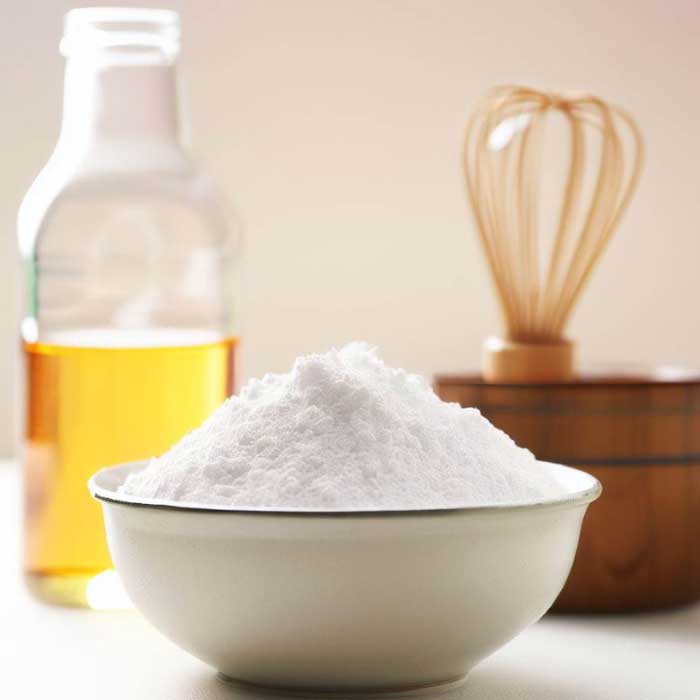
Just mix 1 tablespoon of vinegar and 1 teaspoon of baking powder for one egg replacement and watch the magic happen! This dynamic duo not only provides moisture but also creates a chemical reaction that releases carbon dioxide, resulting in a light and fluffy lift and texture while also binding the ingredients. Perfect for cakes, muffins, cupcakes, quick breads, waffles, and pancakes.
It's worth noting that while vinegar and baking powder can work as egg substitutes in some recipes (as discussed above), they may not work well in others where eggs play a more critical role (such as custards or meringues).
✔ Provides leavening and adds moisture
✔ To substitute one egg, mix 1 tablespoon of vinegar with 1 teaspoon of baking powder
✔ Perfect for cakes, muffins, cupcakes, quick breads, waffles, and pancakes
✔ Not recommended for custards, meringues, or other egg-heavy recipes
Carbonated Water

Carbonated water is not only a refreshing drink, but it can also be used as an egg substitute in baking. By using 1/4 cup of carbonated water in place of one egg, your goodies will receive the moisture they need, while the carbonation creates air pockets that give your baked goods a light and fluffy rise. This works well in recipes like cakes, breads, pancakes, and waffles but may not be the best choice for recipes that rely on eggs for binding. However, you can always add additional binding agents to the mix!
Just a quick note that carbonated water will not contribute to any added fat or help bind, emulsify, or thicken your goodies, so you may need to make some tweaks to your recipe. With a little creativity, you can still create a delicious and healthy treat!
✔ Adds moisture and leaven
✔ Substitute one egg with 1/4 cup of carbonated water
✔ Perfect for cakes, breads, pancakes, and waffles
✔ Not recommended for recipes that rely on eggs for binding, like cookies; however, you can always add other binding agents to the mix
Yoghurt or Buttermilk

Yogurt and buttermilk are excellent egg substitutes in baked goods. They contain an acid that reacts with baking powder or baking soda, which helps the baked goods rise, while the proteins help bind ingredients together. They are ideal for quick bread and muffins as they add moisture and tenderness to the final product. These may, however, not be the best choice for recipes that require a strong binding agent, such as dense cookies, or recipes that rely on eggs for aeration, like angel food cake or soufflés.
To replace one egg, use 1/4 cup of yogurt or buttermilk. Both regular and Greek yogurts work well, or opt for coconut milk yogurts for a plant-based option
✔ Adds moisture and binds the ingredients. Plus, they contain an acid that reacts with baking powder or baking soda, which helps the baked goods rise
✔ Substitute one egg with 1/4 cup of yogurt or buttermilk
✔ Perfect for quick bread and muffins
✔ Not recommended for recipes that require a strong binding agent, such as dense cookies, or recipes that rely on eggs for aeration, like angel food cake or soufflés
Aquafaba (chickpea water)
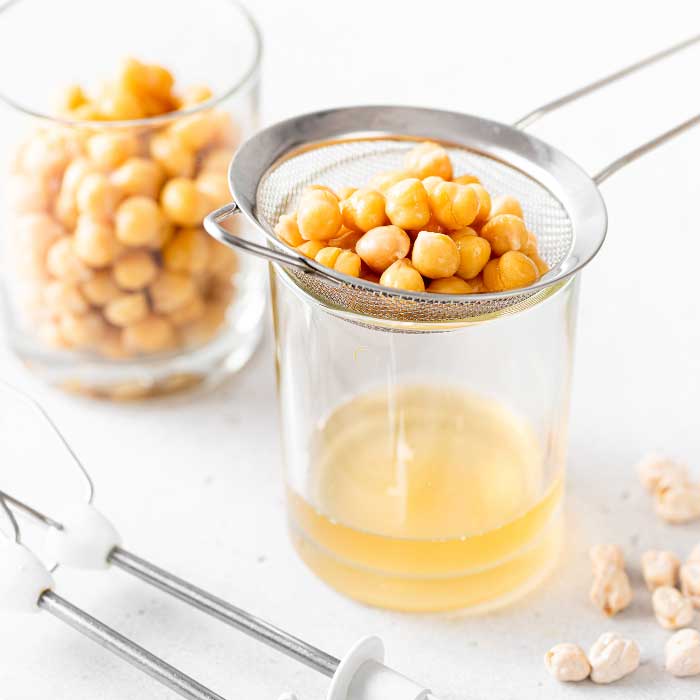
Aquafaba is the liquid found in a can of chickpeas or other legumes that is often discarded. However, it's actually a great vegan alternative to eggs in many recipes. It is a popular egg substitute due to its ability to mimic both eggs and egg whites, and it is rich in proteins and starches.
The proteins and starches in aquafaba help bind ingredients together and, when whipped, can trap air and create a foam-like texture, which helps provide lift and lightness to baked goods. Plus, it adds moisture to your treats. It works wonders as a substitute in recipes such as macaroons, meringues, and mousses, as well as cakes, muffins, and brownies. Just add 3 tablespoons of aquafaba to replace one whole egg or 2 tablespoons to replace one egg white.
Tip: if you are baking a meringue with Aquafaba, you can mix it with xantham gum for extra stability
While aquafaba may not provide the same structure, texture, and flavor in egg-heavy dishes like quiches and frittatas, it's a fantastic substitute in dishes that only call for 1–3 eggs.
✔ Can help to add moisture, bind, leaven and thicken
✔ Add 3 tablespoons of aquafaba to replace one whole egg or 2 tablespoons to replace one egg white
✔ Perfect for macaroons, meringues, and mousses, as well as cakes, muffins, or brownies
✔ Not recommended for egg-heavy dishes like quiches and frittatas
Arrowroot powder
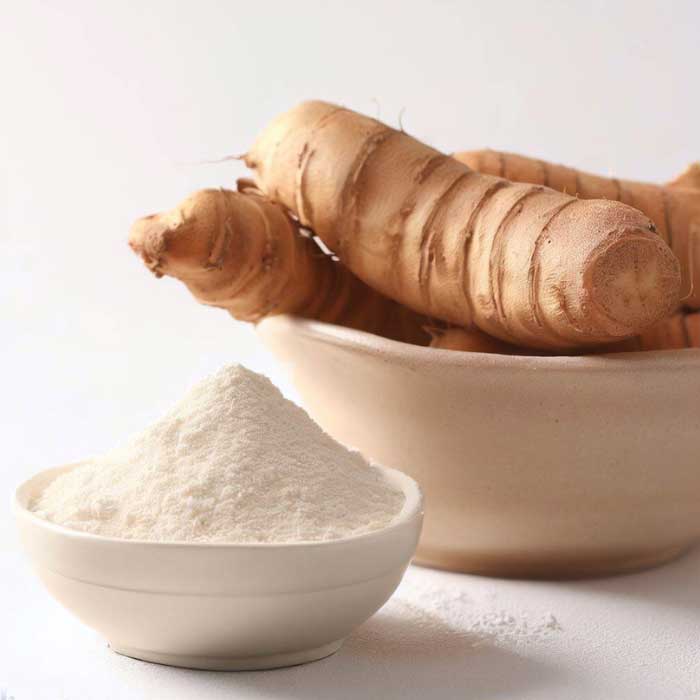
Arrowroot powder is a starchy substance that is derived from the roots of arrowroot plants. It is a versatile ingredient that can be used as a binder, has excellent thickening properties, and can help create a denser texture in baked goods, just like eggs! Although it doesn't have the same leavening or moisture-adding properties as eggs, arrowroot powder is still a great replacement. To substitute one egg, mix 2 tablespoons of arrowroot powder with 3 tablespoons of water. It is ideal for recipes that require just one or two eggs, like your favorite cakes and cookies. However, if you're making soufflés or sponge cakes that rely heavily on eggs for their structure, you might want to try other egg substitutes like aquafaba or silken tofu.
✔ Binds, thickens and stabilizes
✔ To substitute one egg, mix 2 tablespoons of arrowroot powder with 3 tablespoons of water
✔ It is ideal for recipes that require just one or two eggs, like your favorite cakes and cookies
✔ Not recommended for soufflés or sponge cakes that rely heavily on eggs for their structure
Nut Butter
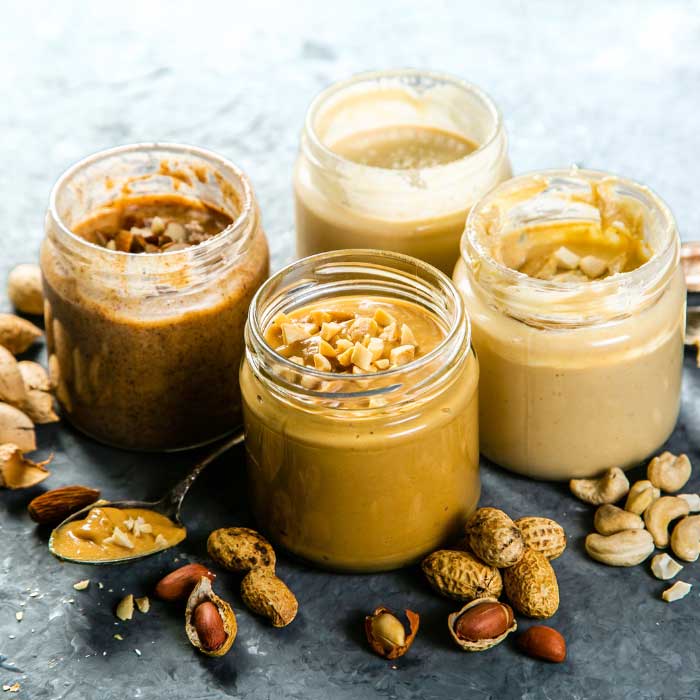
Nut butter is another great egg substitute that can add a nutty flavor to your baked goods while providing a great source of protein and healthy fats. To replace one egg, simply mix in 3 tablespoons of your favorite nut butter (almond, cashew, or peanut butter all work well). The thick and creamy consistency helps hold ingredients together in recipes, similar to the role of eggs. Plus, the high level of healthy fats keeps your baked goods moist and provides a rich, dense texture. It works best in recipes where the egg's primary function is binding and adding moisture, such as cookies, brownies, or denser cakes.
As nut butters do not have the same leavening properties as eggs, you may need to add some extra ingredients like baking powder or baking soda if you're looking for a lighter, fluffier texture.
Top tip: as the flavor of the nut butter may come through in the finished product, choose one that complements the other ingredients in your recipe.
✔ Binds and adds moisture
✔ To substitute one egg, mix in 3 tablespoons of your favorite nut butter (almond, cashew, or peanut butter all work well)
✔ It is ideal in recipes where the egg's primary function is binding and adding moisture, such as cookies, brownies, or denser cakes
✔ Not suitable for lighter, fluffier baked goods like sponge cakes, however, try adding baking powder or baking soda to help achieve the same effect
Commercial egg replacer
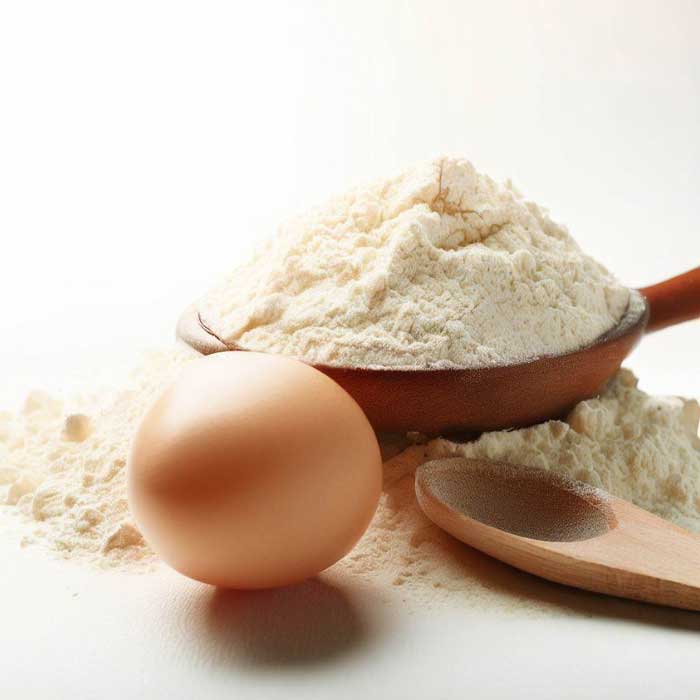
Commerical egg replacers are designed to bind, leaven, and add moisture to your favorite baked goods, just like eggs and is a great option if you're looking to avoid animal products or cater to dietary restrictions like allergies or vegan diets. They are typically made from a blend of starches, leavening agents, and emulsifiers that work together to imitate the properties of eggs. They work perfectly in recipes that call for just a few eggs (one to three), and in delicious baked goods like cookies, cakes, muffins, and pancakes.
There are some instances where commercial egg replacer may not be the best choice. For example, in recipes that rely heavily on eggs for their structure, flavor, or texture (think quiches, frittatas, and hollandaise sauce). Additionally, if the egg serves a unique purpose, such as creating a shiny surface on baked goods or acting as a thickener in custards, it may not be possible for the substitute to replicate it.
✔ Designed to mimic eggs so binds, leavens, and add moisture
✔ Please check the packaging for instructions on how to substitute an egg
✔ They work perfectly in recipes that call for just a few eggs and in baked goods like cookies, cakes, muffins, and pancakes.
✔ Not suitable for recipes that rely heavily on their eggs for their structure, flavor, or texture
Agar-Agar or Gelatin
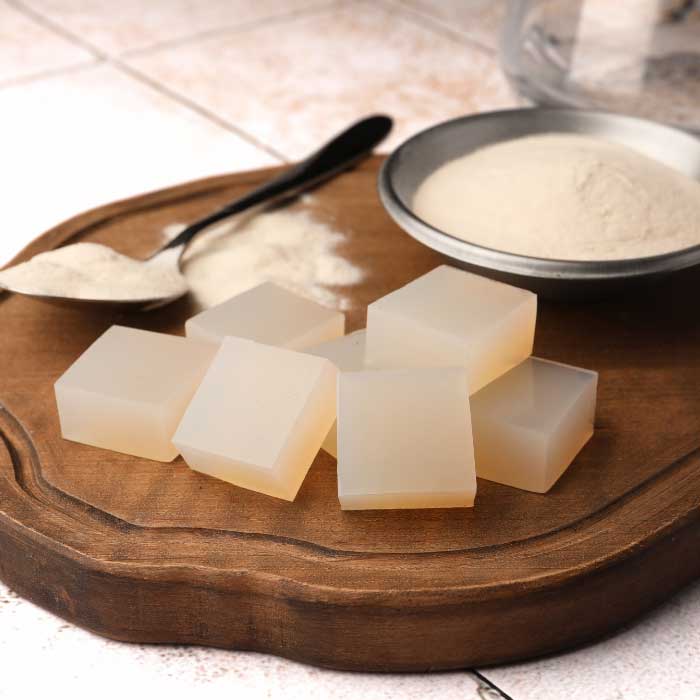
Both agar-agar (vegan) and gelatin are great egg replacements. They primarily act as binding agents, keeping all the ingredients together while also providing structure to the final product. Plus, they have gelling properties, making them suitable for recipes that require thickening or setting, such as custards, puddings, and some desserts like panna cotta or denser cookies and cakes.
One thing to keep in mind is that agar agar and gelatin will not help your baked goods rise or add moisture to the same extent as eggs. So, for recipes that require leavening (like sponge cakes, muffins, etc.) or certain types of lighter and fluffier cookies and brownies, you may want to consider other substitutes.
Gelatin: to substitute one egg, dissolve 1 tablespoon of unflavored gelatin powder in 3 tablespoons of warm water. Allow the mixture to cool and thicken slightly before adding it to your recipe.
Agar-agar –to replace one egg, combine 1 tablespoon of agar-agar powder (or 2 tablespoons of agar-agar flakes) with 3 tablespoons of water in a small saucepan. Heat the mixture over low heat, stirring constantly, until the agar agar dissolves and thickens. This should take about 2–3 minutes. Remove the saucepan from the heat and let it cool slightly. The consistency should be similar to a beaten egg.
✔ Binds and adds structure
✔ Gelatin: to substitute one egg, dissolve 1 tablespoon of unflavored gelatin powder in 3 tablespoons of warm water
✔ Agar-agar: to replace one egg in baking, combine 1 tablespoon of agar-agar powder (or 2 tablespoons of agar-agar flakes) with 3 tablespoons of water
✔ Suitable for recipes that require thickening or setting, such as custards, puddings, and some desserts like panna cotta or denser cookies and cakes
✔ Not suitable for sponge cakes, fluffier cookies, and brownies
Soy Lecithin
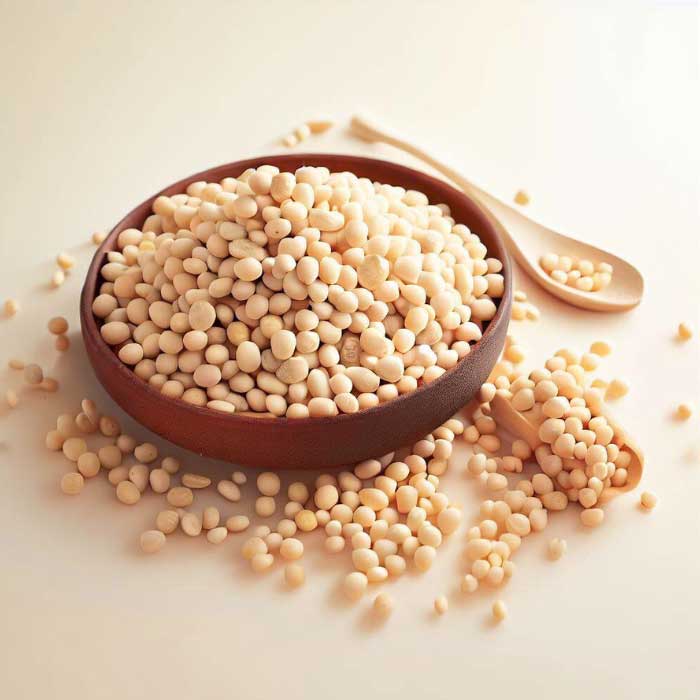
Soy lecithin can be a great substitute for eggs or egg yolks and can help to emulsify and bind ingredients together while providing a rich, creamy texture similar to that of eggs or egg yolks. Plus lecithen can prolong the shelf life of your delicious creations! To use, simply add 1 tablespoon of soy lecithin for every egg yolk, or mix 1 tablespoon of soy lecithin with 2 tablespoons of water for every egg called for in the recipe.
Just bear in mind that it may not work as well in recipes that rely heavily on eggs for structure or leavening, such as soufflés, meringues, or some sponge cakes.
✔ Help to emulsify, bind ingredients together and replicates the luxurious texture of egg yolks ( as egg contain lecithin)
✔ Add 1 tablespoon of soy lecithin for every egg yolk, or mix 1 tablespoon of soy lecithin with 2 tablespoons of water for every egg called for in the recipe
✔ Great substitute for eggs or egg yolks
✔ Ideal for cookies, muffins or custards
✔ Not as ideal in recipes that rely heavily on eggs for structure or leavening, such as soufflés, meringues, or some sponge cakes
Check Out these Frequesntly asked questions:
Best Egg substitutes for Whites or Egg Yolks?
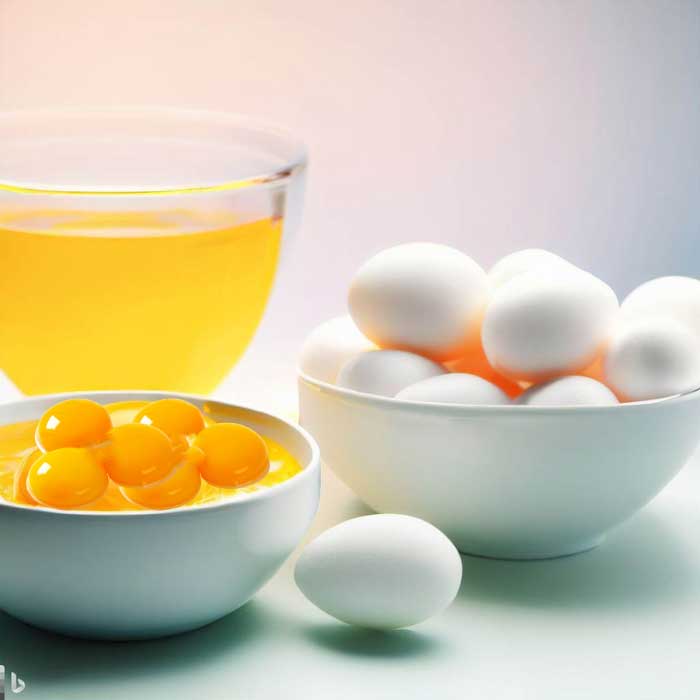
If you're searching for a replacement for egg whites, aquafaba is a top choice. Just use 3 tablespoons of aquafaba for each egg white you need to replace.
- Simply drain the liquid from a can of chickpeas (yep, that's the aquafaba!) or collect the cooking water from cooked chickpeas (use unsalted chickpeas for best results)
- Add 3 tablespoons of aquafaba for each egg white you need to replace
- If you are looking to improve the structure and stability of your recipe, you can also add a pinch of cream of tartar as a stabilizer
- Whip it up with a hand or electric mixer. Depending on the desired consistency, you may need to mix for 3-5 minutes to form soft peaks, or up to 10 minutes or more for stiff peaks
If you're in need of an egg yolk, soy lecithin works like magic. All you need is 1 tablespoon of soy lecithin to replace one large egg yolk.
Best Egg Substitutes for Egg Wash?

Try brushing dairy or non-dairy milk, butter, or a thin 1/4 cup of light corn syrup with hot water.
The Best Egg Replacement for Brownies, cookies and denser cakes

Ground flaxseed or chia seeds: they provide a slightly nutty flavor and add moisture to the brownies.
Applesauce: adds moisture and a subtle fruity flavor to the brownies. It's also a great option if you want to reduce the fat content of your recipe.
Yogurt or silken tofu: both options add moisture and help bind the ingredients together. Silken tofu is an excellent choice for those who prefer a vegan alternative.
The Best Egg Replacer for Sponge Cakes and Muffins

Carbonated water: carbonated water adds moisture and helps with leavening, while aquafaba provides structure and aeration.
aquafaba: to provide lift and lightness
The Best Egg Replacer for Souffles and Meringues

Aquabfaba: the liquid from a can of chickpeas, works as a great egg white substitute. Whip the liquid until it forms stiff peaks, just like egg whites.
The Best Egg Replacer for Custards and Puddings

Silken tofu: blended smooth, it creates a creamy texture ideal for custards and puddings.
The Best Egg Replacer for Waffles and Pancakes

Applesauce: provides moisture and binds ingredients.
Mashed bananas: adds natural sweetness and moisture.
Yogurt or buttermilk : gives a fluffy texture.
The Best Egg Replacer for Pastries

ground flax/chai seeds : these options are great for binding and adding moisture, which helps in making pastries with a good texture.
Silken tofu: provides moisture and structure to pastries.
Vinegar and baking soda mixture: this combination creates a leavening effect, making pastries rise and become fluffy.
What egg substitutes can be used in a cake mix?
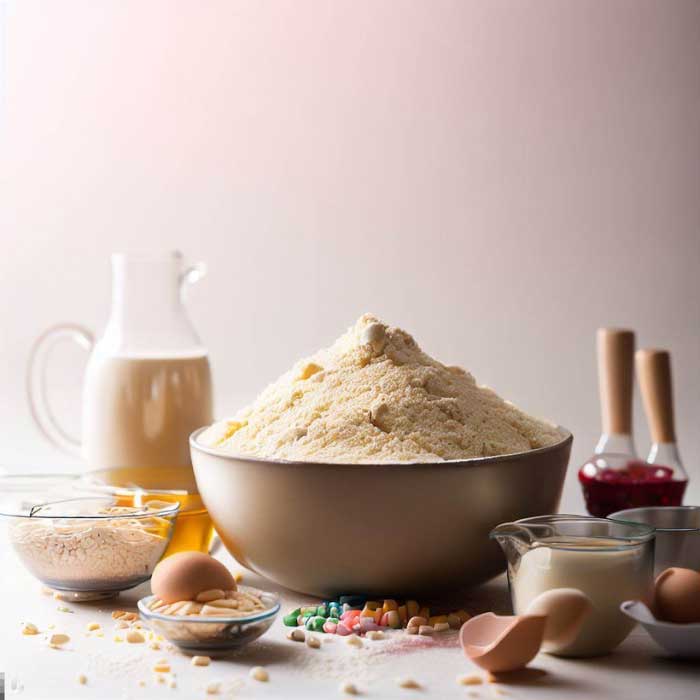
Applesauce: adds moisture and binds ingredients, making cakes tender.
Yogurt/buttermilk: provides moisture, creaminess, and helps with the structure of cakes.
Mashed bananas: add natural sweetness and work as a binding agent.
Silken tofu: binds ingredients, adds moisture, and provides a smooth texture.
Vinegar and baking soda: create a chemical reaction that helps cakes rise.
Aquafaba: whips like egg whites, providing structure and lightness to cakes.
Flaxseed/chia seeds: form a gel when mixed with water, which binds ingredients together.
Final thoughts...
Discovering new ways to modify recipes and make them suitable for different dietary needs can be both exciting and challenging. But with the help of these amazing egg substitutes, you can still achieve mouth-watering results while keeping your health goals in check. So, whether you're a vegan, allergic to eggs, or just want to try something new, these substitutes are sure to become your go-to ingredients in your baking adventures. Get ready to whip up some delicious treats and explore the endless possibilities of baking with egg substitutes. Here are some top tips to help:
Tips for Egg Substitutes
When replacing eggs in your baking recipes, there are a few things to keep in mind.
- Experiment with different substitutes to find which one works best for your recipe
- Keep an eye on the texture of your batter or dough when using an egg substitute, as it may differ from what you’re used to
- When using fruits like applesauce or mashed bananas, reduce other liquid ingredients like milk or water by about a quarter cup as they add moisture to the recipe
- If you’re using vinegar and baking powder, mix them together first before adding them to the recipe
At Plastic Container City, we are always excited to keep you in the loop with all things baking. Be sure to browse through our collection of blogs to stay up-to-date with the latest trends and tips!
