

Fresh Fruit and Veggie Storage Tips for Longer Shelf Life
Did you know that an astonishing 40% of fresh produce items purchased by U.S. households are ultimately thrown away? This staggering figure highlights the urgent need for better fruit and veggie storage practices that help keep produce fresh. When your kitchen is bursting with colorful fruit and vegetable selections, you’re not only embracing a vibrant diet but also committing to a lifestyle that values freshness and sustainability.
To elevate your fruit and veggie storage game, it's essential to start with the best quality goods—selecting only the freshest with vibrant colors and firm textures. Then, understanding the right conditions to store fruit and vegetables will ensure they last longer and stay as inviting as the day you brought them in. Keeping temperature, airflow, and ethylene gas exposure in check can dramatically extend the life of your fresh produce. Some thrive when stored in the refrigerator, while others, like onions and potatoes, peak in flavor and texture when kept at room temperature with ample air circulation.
By mastering a few critical techniques for proper fruit and veggie storage, not only will you reduce food waste, but your salads, smoothies, and snacks will feature the crispest, tastiest ingredients possible. Say goodbye to wilted leafy greens and mushy fruits, and hello to days, or even weeks, of maximum freshness right at your fingertips.
Key Takeaways
-
40% of produce is wasted in the U.S., signaling the need for improved storage solutions.
-
Selecting quality fresh fruits and vegetables is the first step towards longevity and taste.
-
Temperature, airflow, and ethylene gas are critical factors in how to store fruit and vegetables properly.
-
The refrigerator is ideal for many items, but some produce prefers room temperature conditions.
-
Proper storage techniques can extend the freshness of your produce and reduce food waste.
-
Knowing which produce releases ethylene gas and which is sensitive can prevent premature spoilage.
Fruit and Veggie Storage Fundamentals
Understanding how to store fruit and vegetables effectively plays a pivotal role in maximizing their freshness and longevity. Whether you tuck them into the refrigerator, leave them at room temperature, or manage the ripening process, certain principles ensure you enjoy peak nutrition and flavor.
The Importance of Storing at the Right Temperature
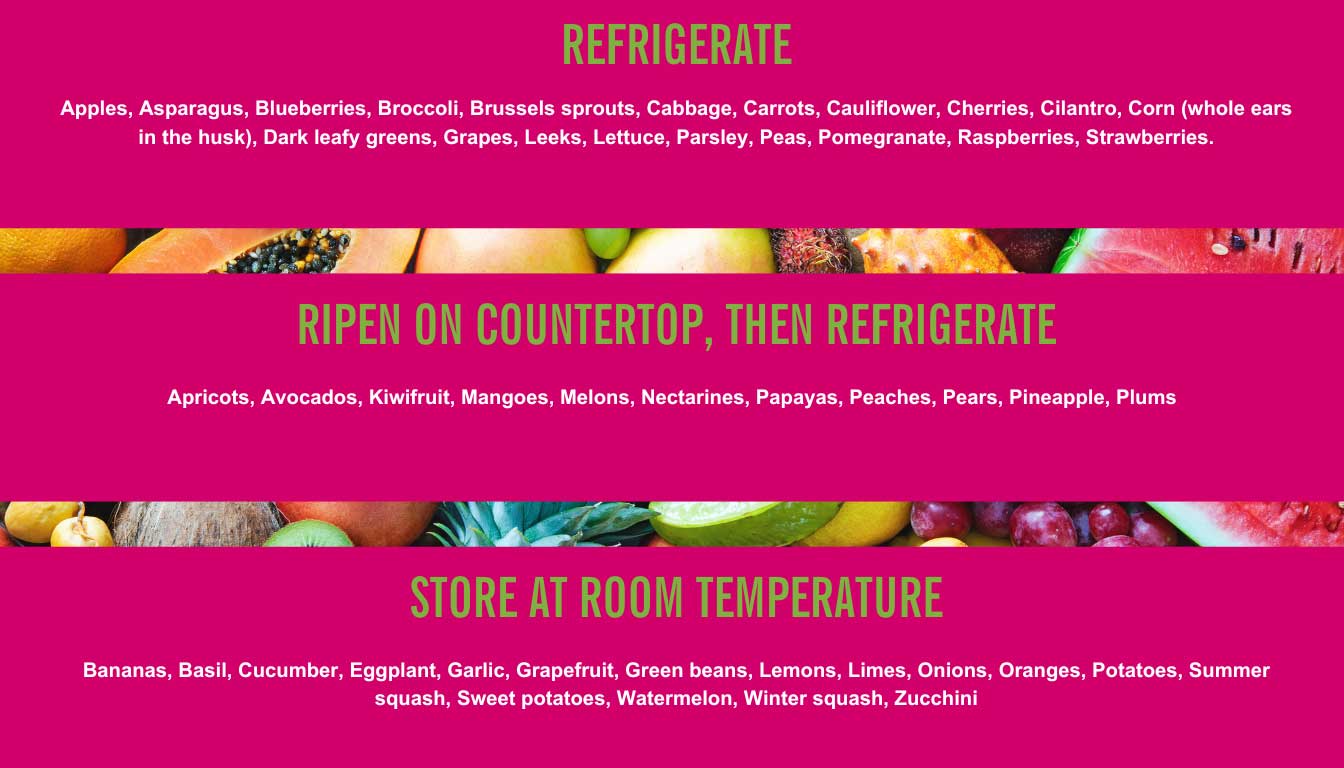
Temperature control is essential when storing fruits and vegetables. Items like apples and grapes benefit from the chilly environment of a refrigerator, maintaining their crispness and delaying spoilage. On the other hand, avocados and tomatoes ripen perfectly well at room temperature, developing their best flavor and texture outside the cool confines of the fridge.
Understanding Ethylene's Role in Ripening
Ethylene gas is a natural plant hormone that can expedite the ripening process of many fruits. For example, bananas and apples emit ethylene, dramatically affecting ethylene-sensitive produce such as lettuce and broccoli. Knowing which produce releases or is sensitive to ethylene can help prevent premature spoilage and waste.
Airflow and Circulation: Keys to Freshness
Effective air circulation is crucial for produce stored at room temperature. Vegetables like potatoes and onions require ample air flow to avoid rapid spoilage. Furthermore, for refrigerated items, the use of a crisper drawer can maintain freshness longer by providing a sealed yet ventilated environment, shielding contents from excess moisture and the negative effects of ethylene gas.
Incorporating these storage fundamentals—temperature management, understanding ethylene gas, and ensuring proper air circulation—can help you store fruit and vegetables more efficiently, reducing waste while keeping your produce deliciously fresh.
Selecting and Preparing Your Produce for Storage
By adopting some simple steps, you can help to ensure that your fresh fruits and vegetables are stored optimally, extending their freshness and making the most of their natural flavors and nutritional benefits. This approach not only promotes healthier eating by having a stock of ready-to-use produce but also reduces food waste, contributing positively to your bottom-line and the environment.
Begin by selecting products without any blemishes or signs of wilting, as these are the hallmarks of fresh produce. For example, leafy greens should boast a deep, rich color, while root vegetables like carrots and beets should feel firm and heavy for their size.
-
Inspect your groceries carefully—only pick the freshest and unblemished items as they have the longest potential shelf life.
-
Prepare adequately before storage—remove any leafy tops from items like carrots to minimize moisture loss, which can degrade quality.
-
Avoid washing until use—store fresh roots and berries unwashed to deter premature spoilage from moisture.

Fruit and Veggie Storage: Common Mistakes to Avoid
When storing your fruits and vegetables, avoiding common pitfalls can significantly enhance their longevity and flavor. Understanding the nuances of produce storage can save you from the disappointment of premature spoilage and unnecessary food waste.
Avoiding Ethylene Cross-Contamination
Ethylene gas is a natural plant hormone that accelerates ripening and can lead to spoilage. Some produce, like apples and bananas, produce high levels of ethylene. When stored next to ethylene-sensitive vegetables such as carrots and broccoli, it can cause them to spoil faster than expected. To minimize this, don’t store high-ethylene fruits close to sensitive veggies. Using airtight containers or a simple plastic bag that is perforate can also help control ethylene exposure.
Explore our range of airight BPA-free airtight PET plastic containers here at Plastic Container City. Perfect for storing your fruits, vegetables, and more!

Preventing Moisture-Induced Spoilage
Excess moisture is another major cause of produce spoilage. While many fruits and vegetables benefit from a moist environment in the refrigerator, others like leafy greens and herbs can quickly deteriorate if they become too damp. Store these items in your fridge using dry paper bags or wrap them in cloth towels to absorb any excess moisture, ensuring their longevity and food safety.
The Best Way to Store Specific Fruits and Vegetables
The correct storage of fruits and vegetables can significantly extend their shelf life and maintain their quality. Here’s a comprehensive guide on how to store your produce effectively, drawing on expert advice from the Cornell Cooperative Extension Center.
Refrigeration: Cold and Moist Storage
Most vegetables and some fruits thrive in the cold, moist environment of your refrigerator, typically set around 34°F. Here’s how to optimize the use of your fridge:
Crisper Drawers
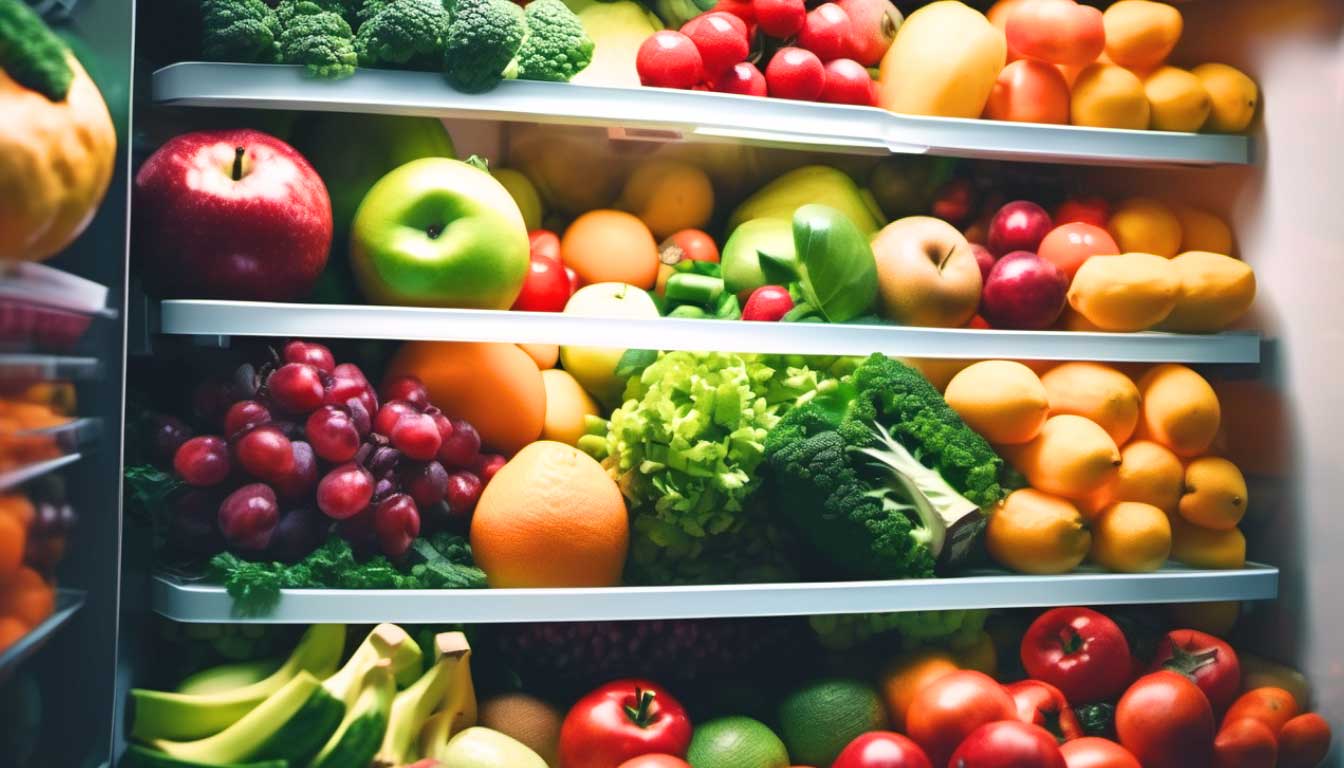
- These drawers at the bottom of your fridge are ideal for storing produce as they often feature humidity controls.
- Best for: apples, broccoli, carrots, lettuce, and eggplant.
General Refrigeration Tips
- Separation: Aaways store fruits and vegetables away from raw meat and dairy to prevent contamination.
Refrigeration: Cold and Dry
StorageSome produce prefers a cold but dry environment:
- Examples: garlic and onions are best stored in a dry area of your refrigerator to prevent mold and sprouting.
Warm and Dry Storage
Certain vegetables and fruits do better in slightly warmer and dry conditions, typically found in a pantry or a cellar:
- Suitable Produce include: hot peppers, pumpkins, winter squash, and sweet potatoes.
- Storage Tip: Keep these items in a well-ventilated space away from direct sunlight.
Freezing for Longevity
Freezing is an excellent option for preserving the taste, nutrients, and texture of many fruits and vegetables:
- Best Practices: use airtight containers to freeze ripe produce. Avoid freezing unripe fruits and vegetables as they may not ripen correctly after thawing.
- Exceptions: do not freeze leafy greens you intend to eat raw, like lettuce, as freezing can damage their delicate structures.
Cool and Dry Storage: Pantry Perfect
Some fruits and vegetables are best kept out of the fridge to maintain their flavor and texture:
- Examples: tomatoes, bananas, potatoes, lemons, and limes.
- Tomatoes: storing them at room temperature helps preserve their flavor and prevents a mealy texture.
General Tips for Countertop Storage
- Whole fruits: most can be left on the countertop. Refrigerating them slows ripening but extends freshness once they are ripe.
- After cutting: once cut, fruits should be refrigerated to keep them fresh longer.
By following these tailored storage recommendations, you can ensure that your fruits and vegetables remain fresh and delicious for as long as possible, reducing waste and saving money.
Storage Tips for Cut Fruits and Vegetables
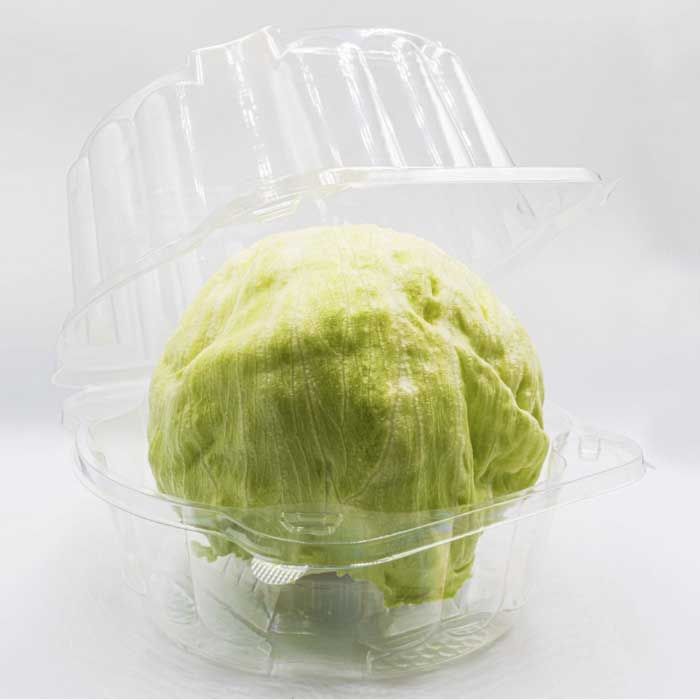
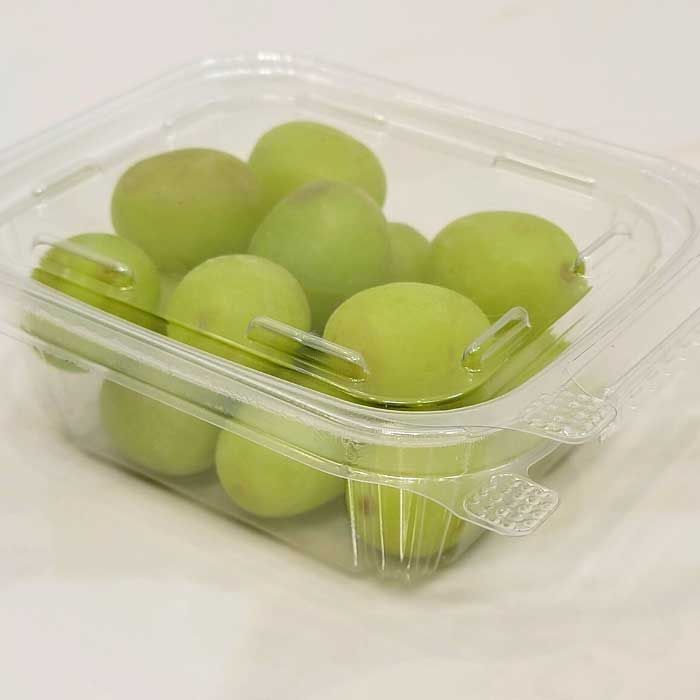
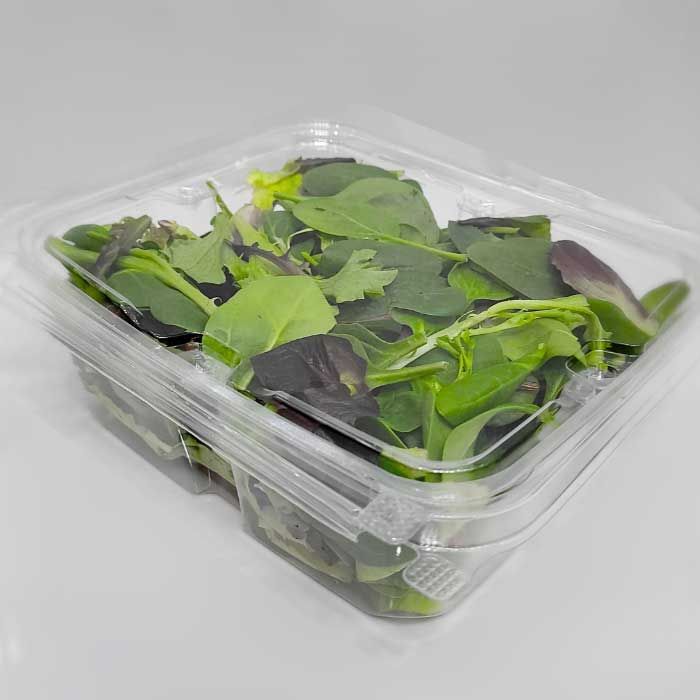
Storing cut fruits and vegetables properly is essential to maintaining their freshness, flavor, and nutritional value. To extend the shelf life of these perishables, store them in airtight containers or resealable plastic bags to minimize exposure to air. Refrigeration is crucial; most cut produce will benefit from being kept at temperatures between 32°F and 40°F. For items like apples, carrots, and potatoes, adding a moist paper towel to the container can help maintain moisture and crispness. Citrus fruits and avocados can be brushed with a little lemon juice to prevent browning.
Explore our versatile range of produce containers at Plastic Container City and discover the perfect solution to protect your fresh fruits and veggies in both the fridge and freezer!
 |
 |
 |
 |
Washing your Fruits and Vegetables
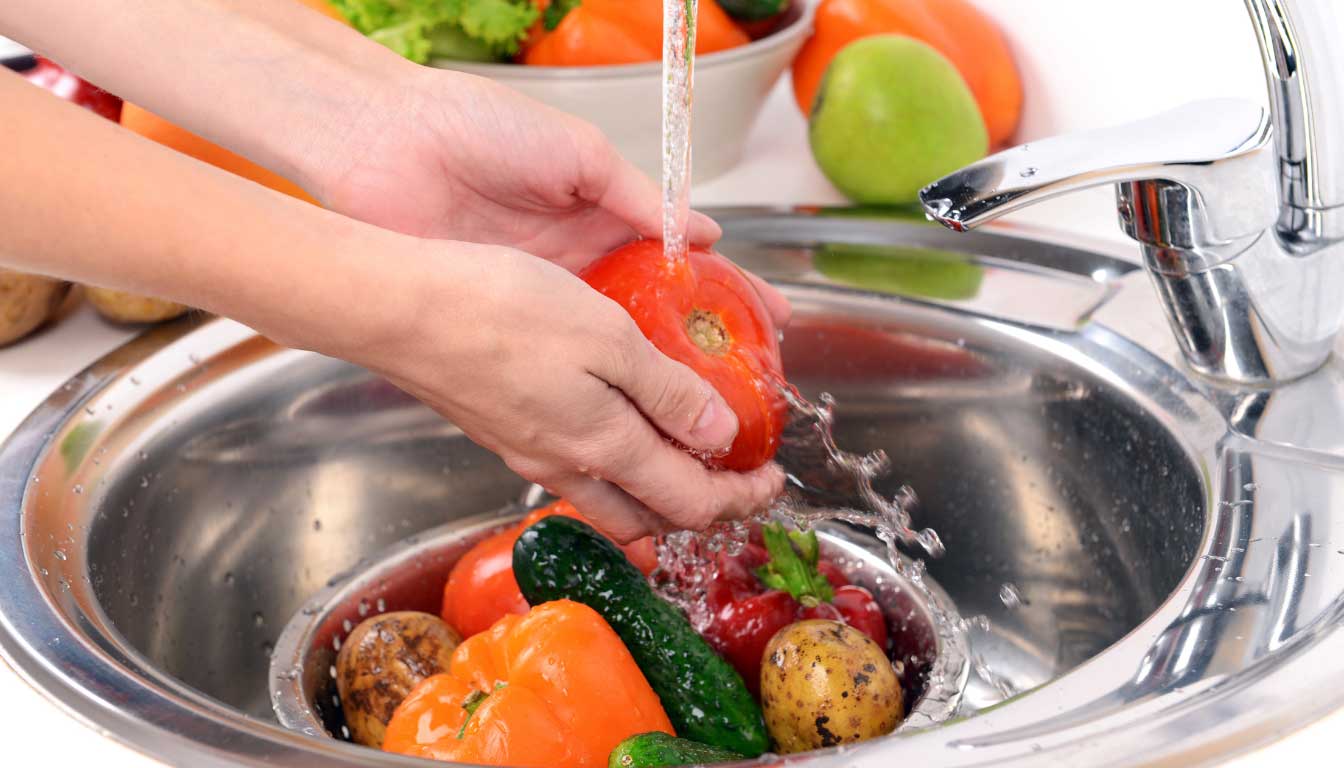
Ensuring your fruits and vegetables are clean before consumption is crucial for removing harmful contaminants. Here’s a simple and effective way to wash your produce:
1. Use Plain Water: you don't need to use soap or commercial produce washes. Running water is sufficient to clean your fruits and vegetables thoroughly.
2. Scrub Firm Produce: for firmer fruits and vegetables, such as apples and potatoes, use a stiff, clean brush to scrub their surfaces. Make sure this brush is only used for cleaning produce to avoid cross-contamination.
3. Remove Waxy Coatings: if your fruits or vegetables have a waxy layer, gently rub this off with a paper towel or a clean cloth after washing. This is often the case with items like cucumbers and apples.
When Should You Wash Your Produce?
It’s best to wash fruits and vegetables just before you use them. Washing produce too early, especially if you store them afterwards, can lead to excess moisture, which promotes spoilage. This is particularly true for items like leafy greens and herbs.
Conclusion
Embracing proper storage techniques for your fruits and vegetables is more than just a household tip; it's an integral step towards sustainable living. Whether you're looking to maximize flavor and texture or aiming to reduce food waste, understanding the nuances of fruit and veggie storage can lead to reaping the best from your quality produce. By keeping apples and bananas away from ethylene-sensitive produce, controlling temperature and humidity, and selecting the appropriate containers, you are securing the freshness of your groceries and contributing positively to the environment.
Your everyday choices, such as opting for airtight containers or perforated plastic bags, not only maintain fresh produce for fresh longer but they are small acts of environmental stewardship. Keeping root vegetables in a cool, dark place and leafy greens crisp in your fridge can help sustain the Earth's resources. By being diligent with these food storage practices, not only do you enjoy the natural bounty at its finest but also play a role in fostering a healthier planet.
Remember, your efforts to store fruit and vegetables efficiently can drastically reduce food waste and save money. As you continue to feed your family with fresh longer, taste-rich fruits and crisp vegetables, take pride in the fact that you are creating a ripple effect for a more sustainable future. By thoughtfully applying the guidelines on fruit and veggie storage, you are nurturing both your health and the environment. So, make the most of your market haul and ensure that your fresh, delicious produce provides the utmost in nourishment and pleasure.
FAQ
What are the best conditions to store fruits and vegetables to keep them fresh?
The best conditions for storing fruits and vegetables vary based on the type of produce. Generally, most fruits and some vegetables should be kept in the refrigerator to maintain freshness. Others, like onions and potatoes, should be stored at room temperature in a cool, dark place with good air circulation. Be sure to check specific storage guidelines for each type of produce to maximize freshness.
Why is it important to store produce at the right temperature?
Storing produce at the correct temperature is crucial to prevent spoilage and maintain nutritional quality. Cool temperatures in the refrigerator slow down the decay process and reduce the production of ethylene gas, which can cause nearby ethylene-sensitive produce to spoil faster. However, some produce can lose flavor or texture if refrigerated, so knowing the ideal temperature for each item is key.
How does ethylene gas affect fruit and veggie storage?
Ethylene gas is a natural plant hormone that hastens the ripening process. Fruits like bananas and apples release ethylene, which can speed up ripening and potentially lead to spoilage of sensitive produce such as leafy greens or peppers. Keeping ethylene-producing items separate from ethylene-sensitive produce can help extend the shelf life of your fruits and vegetables.
Can airflow impact the storage life of fresh produce?
Yes, proper airflow is essential to keep produce fresh, especially for items stored outside the refrigerator like onions and potatoes. Good air circulation prevents moisture accumulation, which can lead to mold growth and spoilage. For refrigerated items, storing them in containers with some air circulation can prevent them from becoming too damp or wilted.
How should I prepare fruits and vegetables before storing them?
Before storing fruits and vegetables, remove any damaged parts to prevent the spread of spoilage. Leafy tops of root vegetables should also be removed to prevent moisture loss. Additionally, do not wash produce until you're ready to use it, as excess moisture can lead to mold and spoilage. Use produce bags or containers that allow for some air circulation to maintain optimal freshness.
What are some common mistakes to avoid in fruit and veggie storage?
Avoid storing fruits and vegetables together that can cause ethylene cross-contamination, leading to premature ripening and spoilage. Be cautious of excess moisture, which can induce spoilage, especially in leafy greens and herbs. Do not refrigerate produce like tomatoes and citrus fruits that are best stored at room temperature to prevent flavor loss and texture changes.
Why is room temperature best for storing certain produce?
Some fruits and vegetables, such as tomatoes, citrus fruits, and avocados, ripen best and develop their flavor fully at room temperature. Chilling these items can halt the ripening process or alter their texture and taste, so it's better to store them outside the fridge until they're ripe and ready to eat.
What are the best practices for storing specific fruits and vegetables?
Store leafy greens in the refrigerator, unwashed and in a zip-top bag; place root vegetables loose in the crisper after removing any tops; keep avocados and bananas on the countertop until ripe; wrap cucumbers and celery in plastic to retain moisture; and place berries and figs in containers that allow airflow in the fridge. Adjust your practices based on each type of fruit or veggie to maximize their shelf life.
Source Links
-
https://extension.purdue.edu/foodlink/includes/pubs/Storing Fruits and Veggies.pdf
-
https://www.nytimes.com/wirecutter/blog/keep-your-produce-fresh/
-
https://www.realsimple.com/food-recipes/shopping-storing/food/how-to-store-produce
- Storing Fruits and Vegetables (healthline.com)
