


Welcome to the era where artificial intelligence (AI) is not just a buzzword but a transformative force in the food industry. From farm to table, AI is reshaping how food is produced, processed, and served, promising a future of efficiency, safety, and personalized culinary experiences.
"AI has paved the way for unprecedented advancements in the food industry, transforming the way we produce, manufacture, and consume our food." - Andrew Johnson, CEO of FoodTech Solutions
Key AI facts and takeaways for the food industry:
- AI technology is transforming the food industry by revolutionizing food manufacturing, production processes, and customer experiences.
- AI maximizes food production efficiency, improves food safety standards, and enhances the overall quality of food and the industry.
- Personalized customer experiences in food service and delivery are made possible through AI, leading to increased customer satisfaction and loyalty.
- AI plays a vital role in streamlining food delivery services, optimizing delivery routes, and offering personalized experiences to customers.
- The future of ai the food industry is being shaped through advanced technologies, predictive analytics, and automation processes.
"By using AI in food processing, we can help food producers meet the growing demand for safe and sustainable food products." - Emily Miller, Food Scientist
Revolutionizing Food Manufacturing and Food Processing with AI
AI is revolutionizing food production and processing by introducing automation and data analytics to enhance efficiency and quality. This technological leap allows for optimized production schedules, improved equipment performance, and superior quality control. The result? A significant reduction in food waste, streamlined operations, and the ability to meet consumer demands more effectively.
Key Benefits of AI in Food Production:
Optimized Efficiency: AI systems analyze real-time data to ensure resources are used efficiently, reducing waste and maximizing output.
Enhanced Quality Control: Continuous monitoring of production lines by AI ensures that only the highest quality products reach consumers, enhancing food security and customer satisfaction.
As Michael Brown, a technology innovator, states "AI's role in food production goes beyond automation; it enables precise food sorting and quality control, ensuring higher standards in food security."
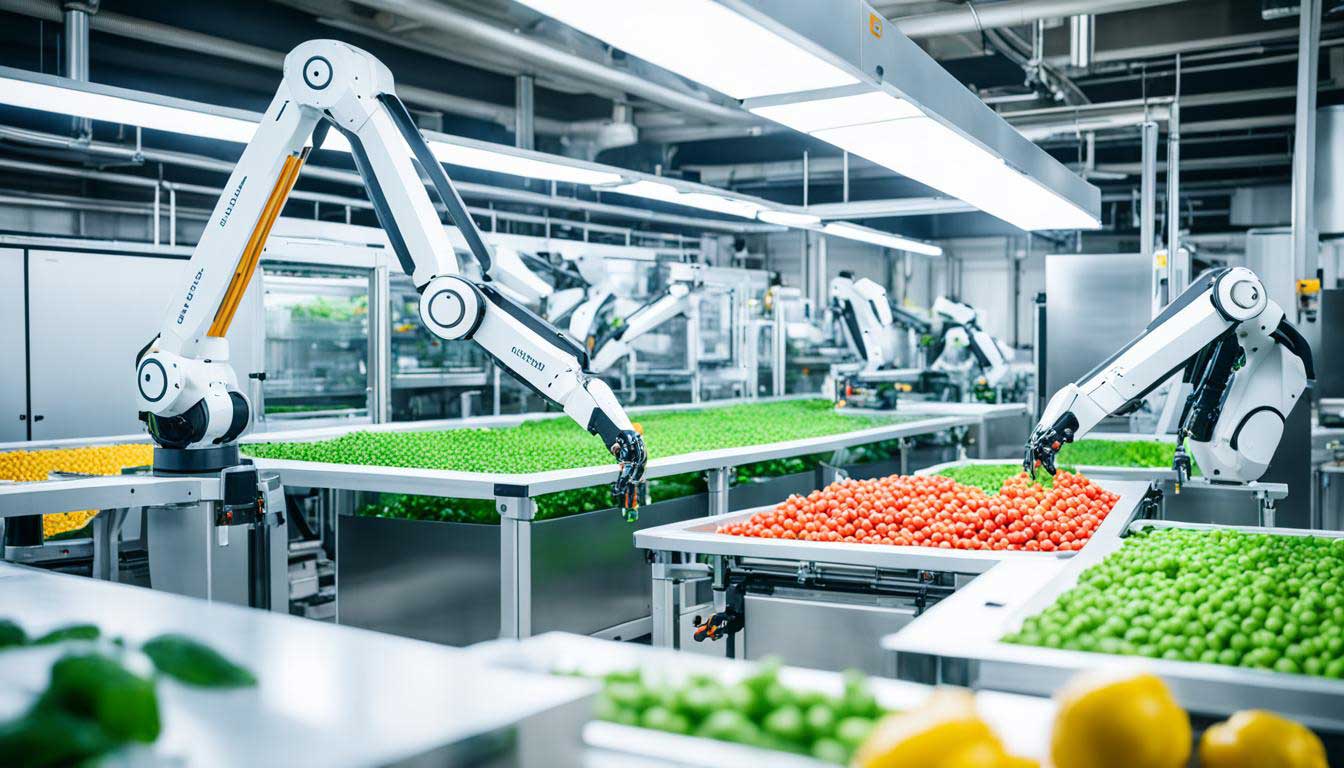
How AI and Robotics are Transforming Food Companies and Innovating Food Production
In the rapidly evolving landscape of the food industry, the symbiosis of Artificial Intelligence (AI) and robotics is revolutionizing processes and elevating standards beyond our imaginations.
This powerful alliance is not just streamlining operations and reducing labor-intensive tasks, but it's also playing a pivotal role in enhancing the quality and safety of food products. Robotic systems, powered by AI algorithms, automate tasks like ingredient handling and packaging, reducing labor costs and improving product quality.
From precision farming to quality control, AI-driven robotics is enabling businesses to detect anomalies and contaminants with unparalleled accuracy, ensuring that every product reaching the consumer is of the highest quality. Furthermore, AI algorithms are optimizing inventory management, leading to fresher ingredients and less waste.
Thus, this synergy is demonstrating that technological advancements in the food sector are not just about speed and efficiency; they're about creating a safer, healthier, and more sustainable food supply chain for us all.
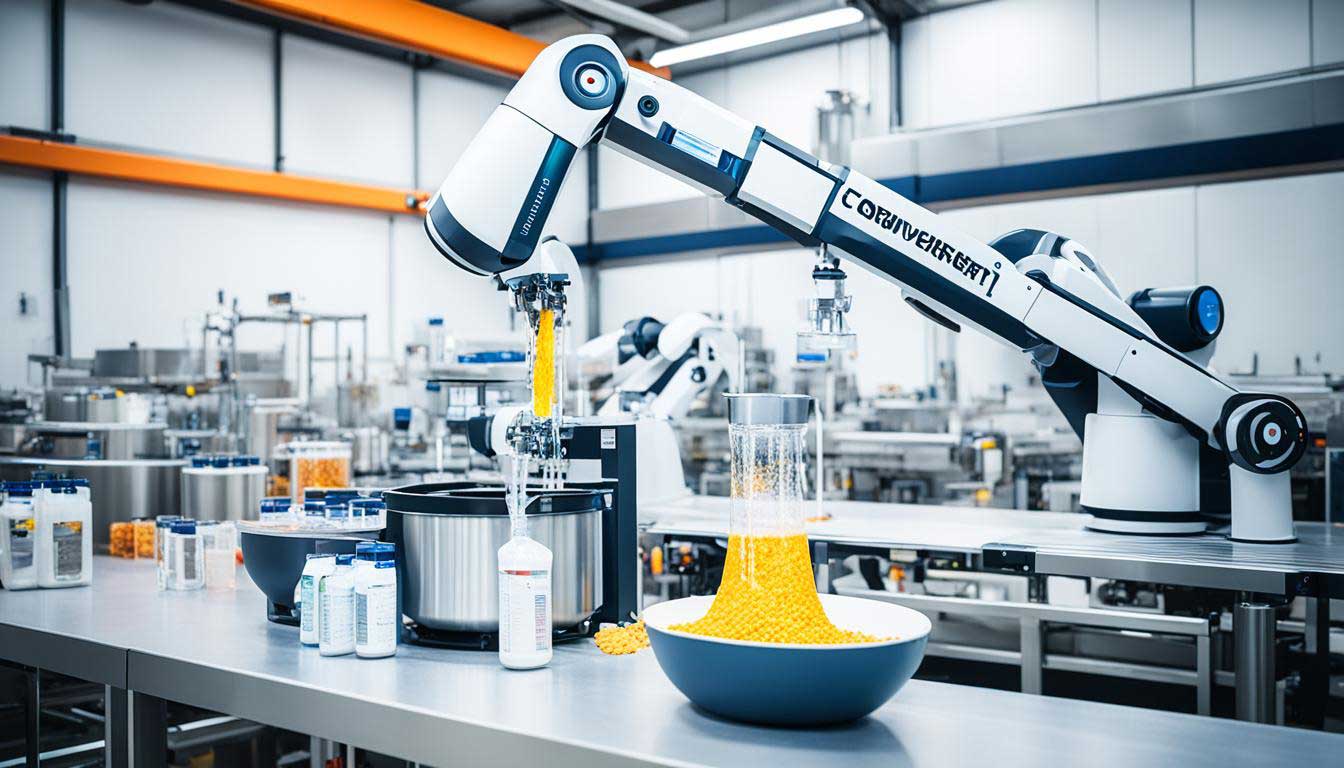
Enhancing Food Safety with Artificial Intelligence
AI is a game-changer in ensuring food safety and maintaining high-quality standards. By leveraging AI algorithms, food businesses can analyze data to identify potential risks, monitor critical control points in real-time, and automate quality assurance processes. This proactive approach minimizes the risk of foodborne illnesses and product recalls, protecting consumers and brands alike.
Enhancing Customer Experience with AI-Powered Personalized Food Recommendations
AI is revolutionizing the food service industry by using customer data to offer personalized food suggestions. This technology analyzes past orders and preferences to recommend new dishes that match individual tastes. By doing so, it enhances customer satisfaction by making dining experiences more personalized and enjoyable. AI's ability to adapt to local trends and dietary needs further ensures that menus remain diverse and appealing. This strategic application of AI not only improves the customer experience but also drives loyalty and success for businesses in the food industry.

AI in Food Delivery Services
AI technology is revolutionizing the way food delivery services operate, bringing a multitude of benefits to both businesses and customers. By leveraging artificial intelligence solutions, food delivery companies are streamlining their processes, improving efficiency, and enhancing customer satisfaction.
Streamlining Food Delivery with Artificial Intelligence Solutions
One of the primary ways AI is transforming food delivery is by optimizing delivery routes. Using sophisticated algorithms and real-time data analysis, AI systems can calculate the most efficient routes for drivers, minimizing delivery times and reducing fuel consumption. This not only saves valuable time and resources but also contributes to a more sustainable and environmentally-friendly food delivery ecosystem.
How AI is Improving Efficiency and Customer Satisfaction in Food Delivery
In addition to optimizing delivery routes, AI technology is also improving overall efficiency in food delivery services. With AI-powered systems, businesses can accurately predict delivery times, allowing customers to track their orders in real-time and receive reliable updates. This level of transparency and precision enhances customer satisfaction and builds trust between the business and the customer. In addition, AI tools analyze customer feedback to identify trends and areas for improvement, enabling businesses to enhance their delivery services continuously.
Streamlining Ordering with AI
Moreover, AI optimizes the ordering experience by making menu navigation more intuitive, simplifying payment processes, and providing real-time updates on menu availability. This efficiency allows customers to save time and place orders with ease, offering a seamless and satisfying ordering experience
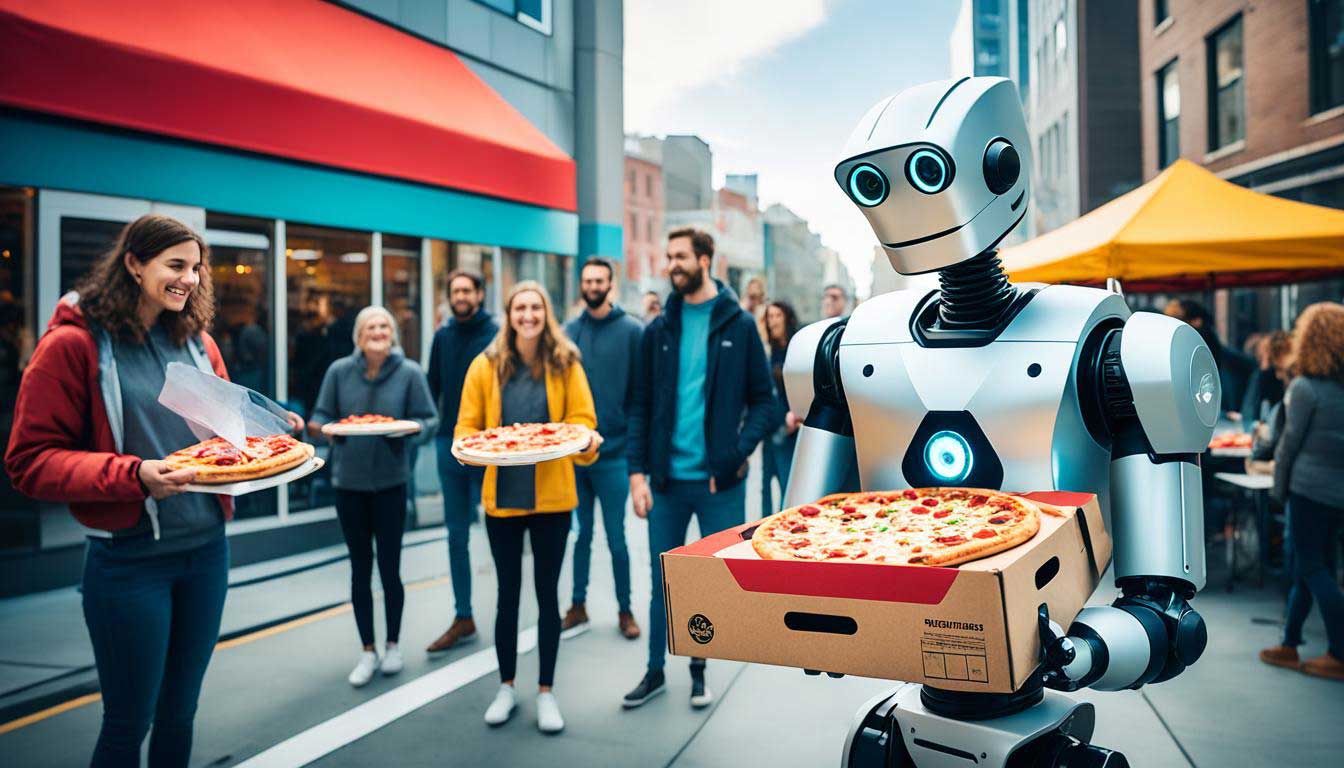
Exploring the Future of Smart Cooking with AI
The culinary world is on the brink of a revolution, thanks to Artificial Intelligence (AI). As we step into the future, AI is reshaping how we cook and uncovers a world of endless possibilities. From personalized recipe recommendations to smart kitchen appliances that can anticipate culinary needs, the integration of AI in cooking has the potential to revolutionize how we approach food preparation. With AI-powered assistants, cooking becomes more intuitive, efficient, and tailored to individual preferences, opening up a realm of creative possibilities for home cooks and professional chefs alike. As we embrace this exciting journey into the future of smart cooking, we can look forward to a culinary landscape that is both innovative and accessible to all.

AI in Culinary Innovation
A culinary revolution is underway, and at the heart of it lies artificial intelligence (AI). From recipe development and enhancement to streamlining kitchen operations, AI technology is transforming the culinary industry in unprecedented ways. Let's explore the exciting applications of AI in culinary innovation and discover how it can benefit your food business.
Recipe Development and Enhancement
AI is revolutionizing the way recipes are created and improved. With its ability to analyze vast amounts of data and identify patterns, AI algorithms can generate unique and creative recipe combinations that may have otherwise been overlooked. By leveraging AI in recipe development, food businesses can discover new flavor combinations, cater to specific dietary needs, and even create personalized recipes based on individual preferences.
To illustrate the power of AI in recipe development, chefs can collaborate with AI algorithms to create innovative dishes that push the boundaries of traditional culinary conventions. By embracing AI technology, food businesses can unlock new dimensions of flavor and offer customers exciting and never-before-tasted dishes.
Streamlining Kitchen Operations: The Power of AI Technology
AI not only enhances recipe development, but it also streamlines kitchen operations for greater efficiency. Intelligent algorithms can optimize ingredient inventory, monitor food freshness, and automate repetitive tasks, allowing chefs and staff to focus on creativity and providing exceptional dining experiences. AI-powered kitchen management systems can suggest ingredient substitutions, streamline workflows, and even predict customer preferences, making operations smoother and more effective.
By integrating AI technology into kitchen operations, food businesses can streamline processes, reduce wastage, and minimize costs. AI-driven systems can track and analyze kitchen performance, enabling businesses to make data-driven decisions for enhanced productivity and overall success.

Leverage AI for Smarter Advertising in the Food Business
Food businesses can greatly benefit from the power of AI in their advertising strategies. One such example is the use of AI solutions in Google Ads.
Optimizing Ad Performance with AI
AI has the capability to analyze vast amounts of data from past ad campaigns, user behavior, and market trends. With such insights, AI can optimize your Google Ads to target the right audience at the right time with the right message. This means your ads will be more relevant, leading to higher engagement and conversion rates.
Dynamic Content Creation and Customization
AI can also aid in creating dynamic ad content. It can test multiple variations of ad copy and images to determine what resonates most with your audience. This leads to more personalized and effective ads.
Predictive Analysis and Budget Allocation
Predictive analysis using AI can forecast the performance of certain ads, allowing businesses to adjust their strategies and allocate their budget more efficiently. This can result in significant cost savings and improved ROI.
By leveraging advertising AI, food businesses can enhance their advertising efforts, reach their target audience more effectively, and maximize their ad spend.
The Role of AI in Shaping the Future of the Food Industry
AI is revolutionizing the food industry, and its impact on shaping the future of food cannot be understated. Advanced AI technologies are transforming the industry in remarkable ways, paving the way for improved efficiency, enhanced customer experiences, and sustainable practices. From predictive analytics to automated processes, AI is at the forefront of driving innovation and shaping the future of the food industry.
Shaping the Future of Food with Advanced AI Technologies
The integration of advanced AI technologies is revolutionizing the way the food industry operates. Predictive analytics powered by AI algorithms enable businesses to make data-driven decisions, optimize production processes, and streamline the food supply chain. By leveraging AI, food companies can uncover valuable insights, automate repetitive tasks, and improve overall operational efficiency.
Furthermore, AI holds the potential to address significant challenges in the food industry, such as food waste reduction, sustainability, and resource optimization. By harnessing the power of machine learning and AI, businesses can develop innovative solutions to tackle these issues, leading to a more environmentally friendly and sustainable food ecosystem.
Additionally, AI technologies facilitate personalized experiences for consumers, allowing businesses to cater to individual preferences and dietary restrictions. With AI-powered recommendation systems, businesses can offer tailored food choices, personalized menus, and targeted promotions, ultimately enhancing customer satisfaction and loyalty.
Predicting the Next Big Trends in the Food Industry Through AI
One of the key advantages of AI technology in the food industry is its ability to predict future trends. By analyzing vast amounts of data, AI algorithms can identify emerging patterns, consumer preferences, and market trends. This predictive capability empowers businesses to stay ahead of the curve, anticipate changing consumer demands, and adapt their offerings accordingly.
AI can assist in identifying upcoming flavor profiles, ingredient trends, and cooking techniques that are gaining popularity. By leveraging AI-powered trend analysis, businesses can be proactive in developing innovative products that align with evolving consumer preferences, giving them a competitive edge in the market. AI's ability to predict trends is invaluable in a rapidly changing industry, helping businesses to make informed decisions and drive innovation.
Key Recommendation for Leveraging AI in Your Food Business
1. Use AI for Recipe Development and Enhancement
Implement AI algorithms to analyze vast amounts of data and generate unique, creative recipe combinations. This can lead to new and innovative baked goods that set your business apart.
2. Incorporate AI in Inventory Management:
AI can optimize ingredient inventory, monitor food freshness, and suggest ingredient substitutions based on what's available. This not only lowers costs but also helps to reduce food waste, a crucial benefit for both bakeries and food manufacturers.
3. Utilize AI for Quality Control
AI can ensure that only the highest quality products reach customers by continuously monitoring your production lines. This will enhance food security and customer satisfaction.
4. Implement AI-Powered Personalization
Use AI to analyze customer data and offer personalized food suggestions. This enhances customer satisfaction, making dining experiences more personalized and enjoyable.
5. Leverage AI in Food Delivery
If your bakery offers delivery, AI can optimize delivery routes, predict accurate delivery times, and streamline the ordering process. This improves efficiency and enhances customer satisfaction.
6. Introduce Smart Cooking with AI
Consider investing in AI-integrated appliances that can assist in precision baking, timing, and temperature control. This can improve the consistency and quality of baked goods.
7. Adopt AI for Trend Prediction
AI can analyze data to identify upcoming flavor profiles, ingredient trends, and baking techniques that are gaining popularity. This can help you stay ahead of the curve and continuously innovate your menu.
8. Invest in AI-Driven Advertising Solutions
Embrace AI technology in your advertising strategies. Utilize AI-powered tools, such as Google Ads AI solutions, to optimize ad performance, create dynamic and personalized ad content, and conduct predictive analysis for efficient budget allocation. This can lead to improved ad engagement, higher conversion rates, cost savings, and a better return on your advertising investment. Remember, in today's digital world, smart and targeted advertising can significantly boost the visibility and success of your food business.
Remember, the implementation of these AI solutions should align with your business goals and resources. Start small, perhaps with one aspect like inventory management, and gradually incorporate more AI-driven solutions as your business grows.
Conclusion
In conclusion, the impact of AI on the food industry cannot be overstated. Throughout this article, we have explored the transformative ways in which AI is revolutionizing food production, manufacturing, safety, and customer experiences.
AI has brought significant improvements in food production efficiency, accuracy, and productivity, allowing businesses to stay ahead in the competitive market. By integrating robotics and AI, food manufacturing processes have become more innovative and streamlined.
Furthermore, AI has played a crucial role in enhancing food safety standards and quality control processes, ensuring that consumers receive safe and high-quality products. It has also opened avenues for personalized customer experiences, allowing businesses to understand and cater to individual food preferences.
Looking ahead, AI will continue to shape the future of the food industry. With advanced AI technologies, businesses can predict upcoming food trends and make data-driven decisions for sustainable growth. Embracing AI is crucial for food businesses to stay innovative, efficient, and competitive in a rapidly evolving industry.
FAQ
How is AI revolutionizing the food industry?
AI is revolutionizing the food industry by transforming various aspects of food production, manufacturing, and delivery. It is improving efficiency, accuracy, and productivity in food production, enhancing quality control and ensuring food safety standards are met, enabling personalized customer experiences in food service and delivery, streamlining food delivery services, and even shaping the future of smart cooking and culinary innovation.
What are the benefits of using AI in food manufacturing and processing?
Using AI in food manufacturing and processing can optimize food processing and production, improve operational efficiency, enhance overall quality control, and streamline kitchen operations for greater efficiency. It can also assist in developing unique and creative recipes and help businesses understand and meet consumer food preferences.
How can AI technology enhance food safety?
Artificial intelligence plays a vital role in food production by optimizing processes, ensuring food safety, and improving quality control. Through the use of AI in food manufacturing, companies in the food and drink industry can enhance their efficiency, reduce waste, and meet the increasing demands for safe and high-quality food products. AI technologies assist in food sorting, monitoring production processes, and identifying potential issues to maintain food security standards. Overall, the innovative use of artificial intelligence in the food industry is revolutionizing how we produce food, making it more sustainable and reliable.
How can AI enhance the customer experience in the food industry?
AI can enhance the customer experience in the food industry by offering personalized recommendations, efficient ordering processes, and improved overall satisfaction. It can also help businesses understand and meet consumer food preferences, leading to increased customer loyalty and engagement.
What are the benefits of using AI in food delivery services?
AI can optimize food delivery services by streamlining processes, improving efficiency, and enhancing customer satisfaction. It can optimize delivery routes, predict delivery times, offer personalized experiences, and ensure timely and efficient delivery of food orders.
How is AI shaping the future of the food industry?
AI is shaping the future of the food industry by enabling advanced technologies such as predictive analytics and automation. It can help predict the next big trends in the food industry, optimize food production and delivery processes, and offer innovative solutions for sustainable and efficient food systems.
