

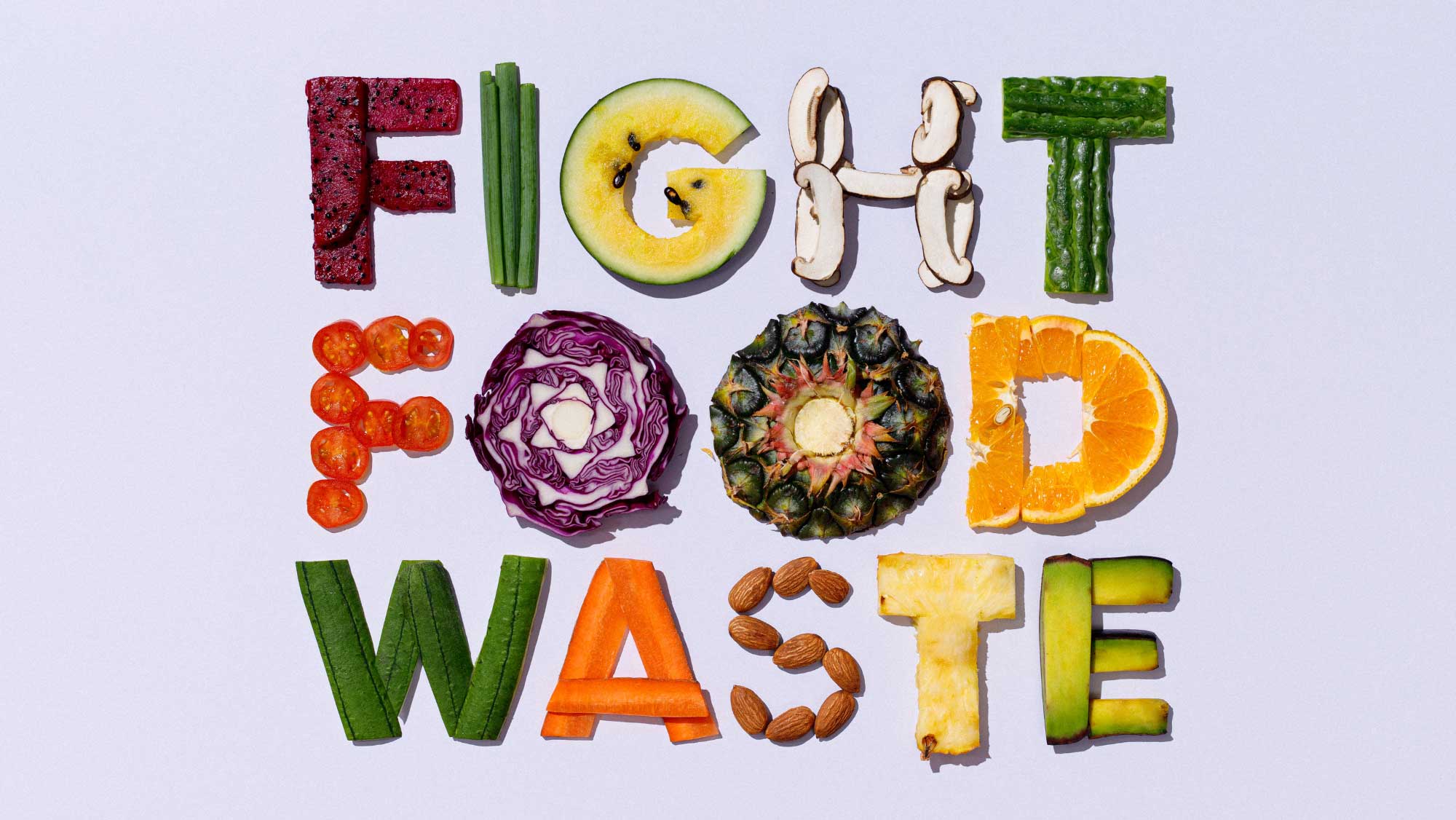
In the world of baking, food waste can seem like an unavoidable part of the process and can quickly accumulate from excess ingredients to uneaten desserts. Fortunately, there are ways to help, allowing you to make the most of your ingredients while saving money and helping the planet in the process.
Did you know that Feedingamercia.org estimates that each year in the US, 108 billion pounds of food are wasted? That’s almost 40% of all food! The majority of this ends up in landfills, where methane is released into the environment, contributing to global warming.
In this blog, we will explore some of the most effective methods of waste management in bakeries, ranging from streamlined processes to donating and creative recipe ideas.
1. Plan Ahead
Forecasting sales and tracking stock levels is key to minimizing food waste and can prevent overproduction and excess ordering of raw materials. It can help ensure that the right amount of ingredients are purchased at the right time. Remember to take season trends into account!

2. Best Storage Practices
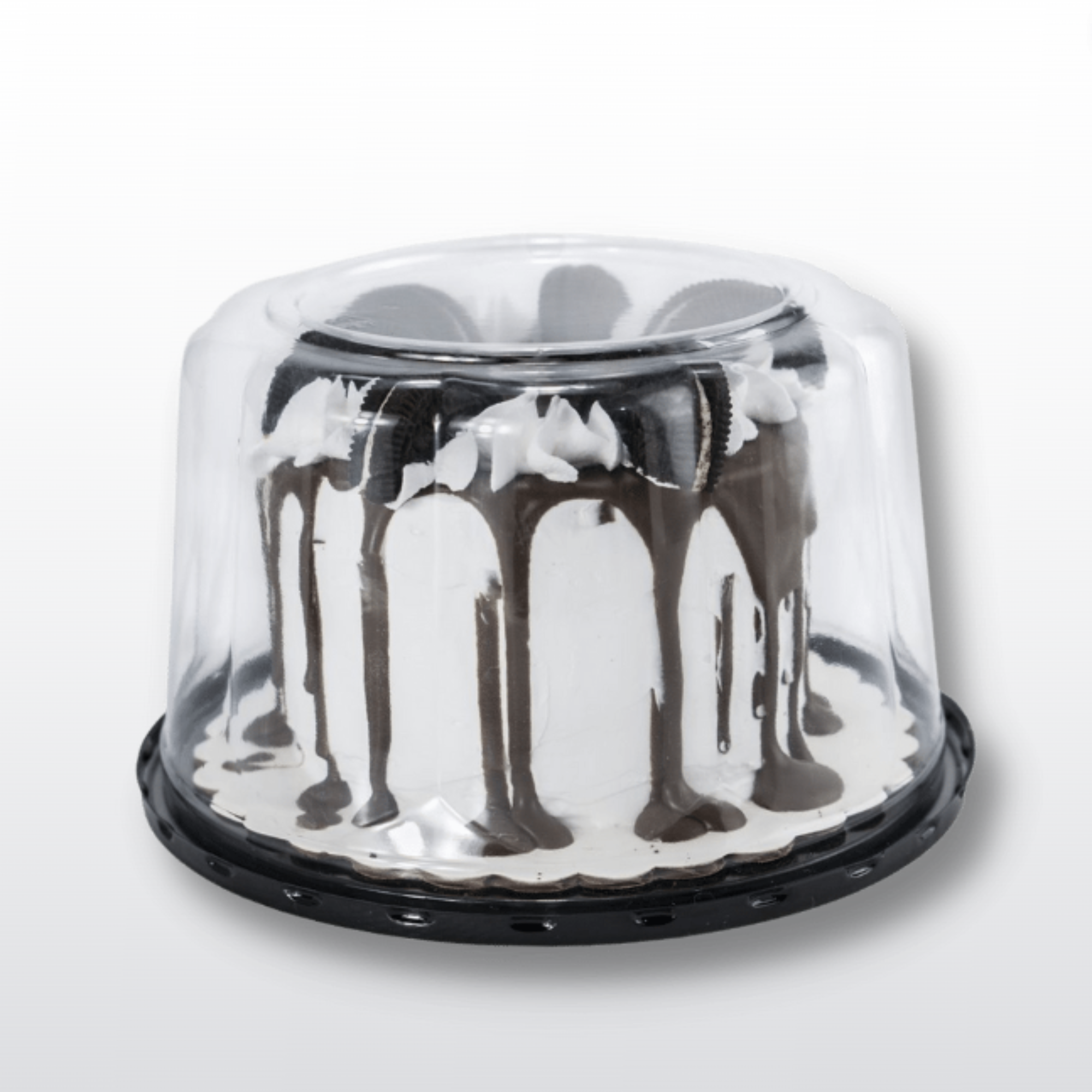
Implementing best storage practices can help extend the shelf life of your delectable goods, reducing the amount of food that needs to be thrown away. For example, storing your delicious treats in an airtight container in a cool, dry environment (provided they do not have a high perishable content) can help to prevent spoilage and keep them fresher for longer. At Plastic Container City, we offer a large variety of BPA-free recyclable PET plastic airtight plastic containers for displaying, protecting, and preserving the freshness of your bakery items. Also, check out our blog for tips on how to store your scrumptious treats and keep them fresher for longer.
3. Work with Local Suppliers
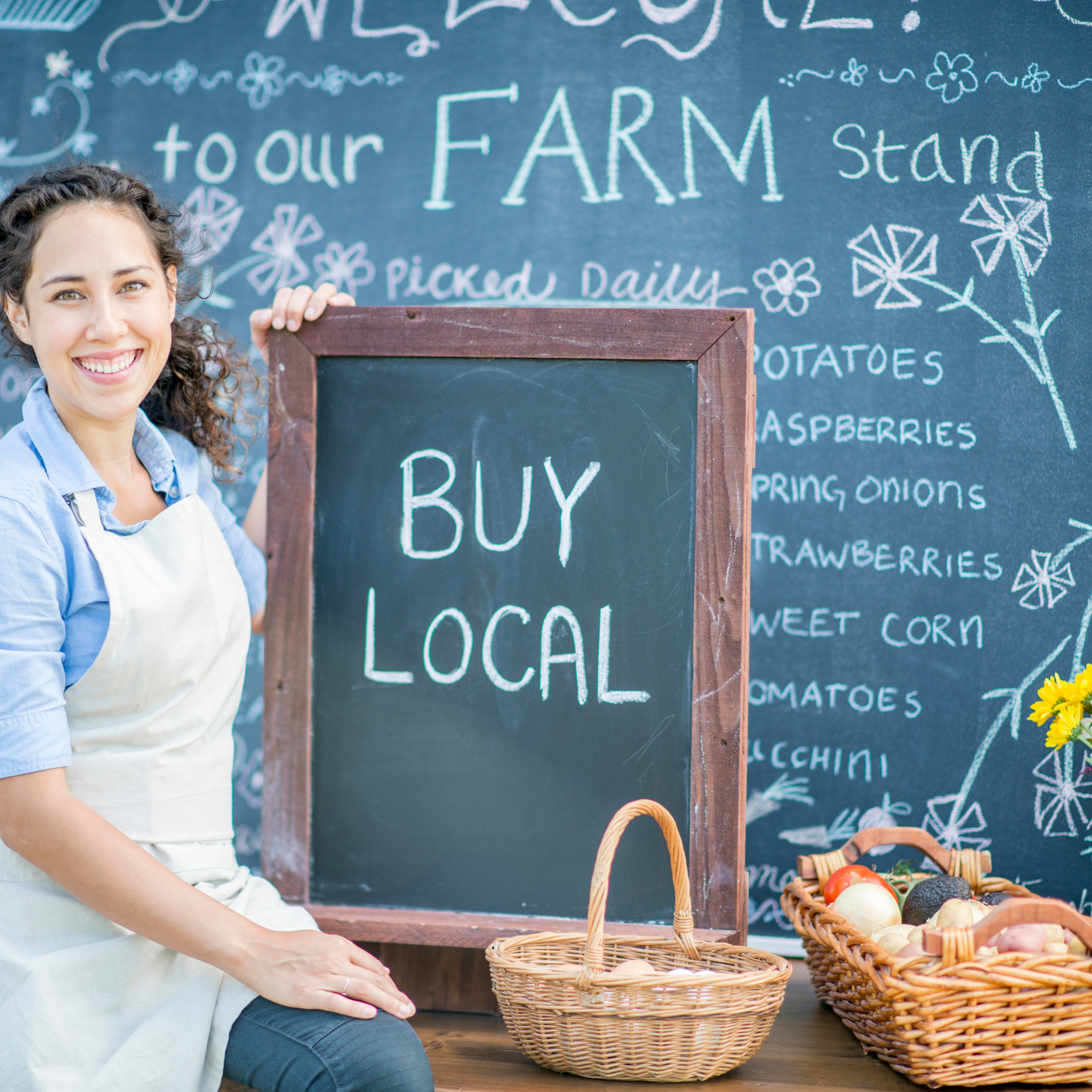
In addition to providing shorter lead times, local suppliers may not require a minimum order, allowing you to order quality ingredients in the exact quantities required, when needed, assisting bakeries in reducing their food waste.
Supporting local suppliers can also help reduce the environmental impact and will eliminate long-distance transportation.
4. Portion Control
Be careful not to over-portion as this can lead to food wastage. Offering controlled sizes can help to reduce food waste while potentially allowing you to cut and sell more slices from a cake or even reduce the overall size, saving on ingredient costs!
5. Repurpose Leftovers
Leftover ingredients can often be used to create other products or menu items, helping bakeries reduce their food waste. Some ideas include:
- Trifle - layer the leftover cake or cookies with layers of custard or pudding and top it off with whipped cream. This is a simple way to make a delicious, creamy dessert.
- Bread pudding: Soak stale bread in a mixture of eggs, milk, sugar, and spices. Bake until golden brown and top with a sprinkle of cinnamon and sugar for a classic dessert.

6. Offering Discounts or Donating Leftover Goods
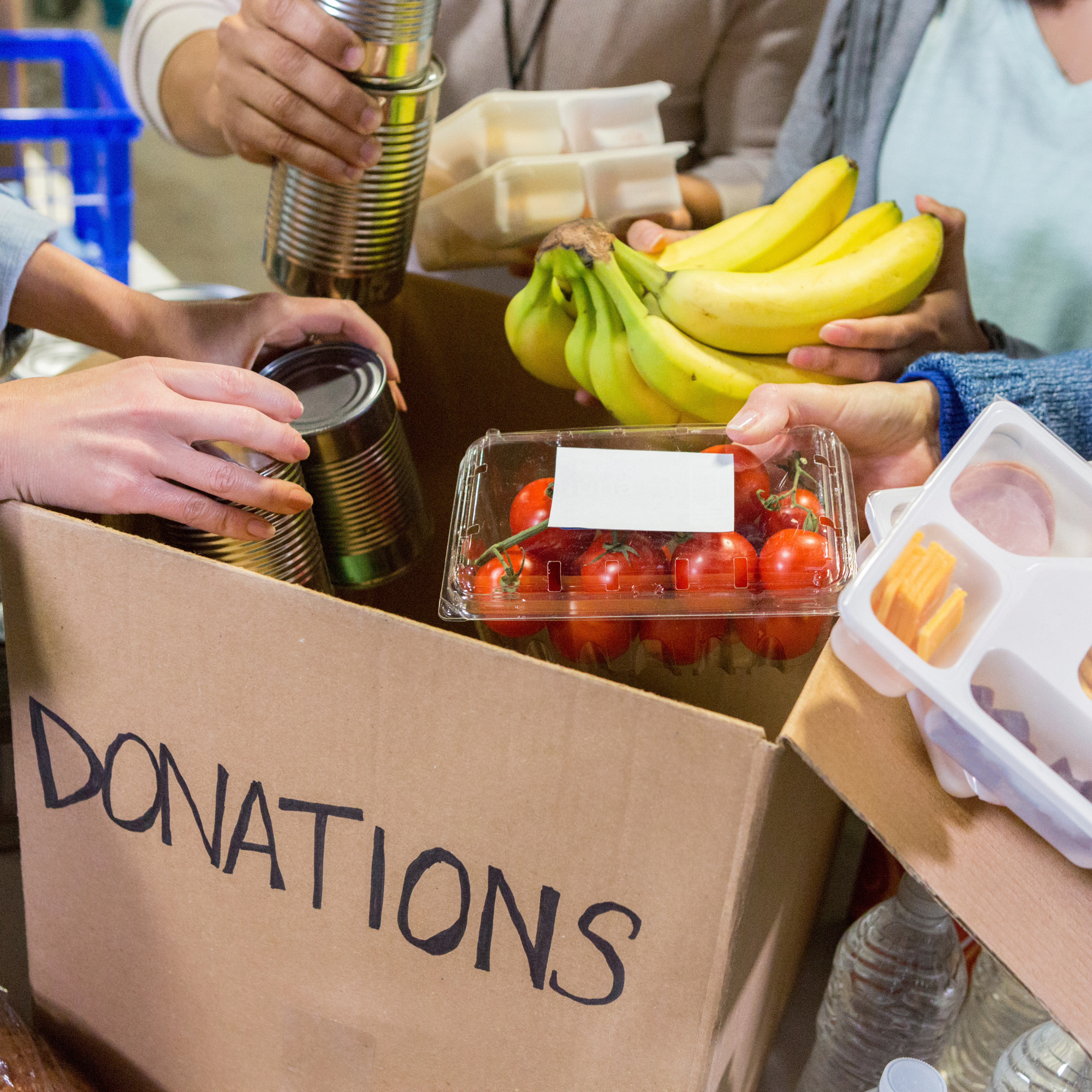
One of the best ways to reduce food waste in bakeries is to offer discounts on goods that will not be sold by the end of the day, give away the goods for free (great for promoting your business!), or better still, donate to a food bank.
There are also a number of great apps to help with this including:
- Too Good To Go - This app connects consumers with local bakeries, groceries, and restaurants that sell “surprise bags” at a third of the list price.
- Food Rescue US – Food donors (including restaurants, bakeries etc) have the chance to donate their food surplus to agencies that feed those in need.
7. Food to-go
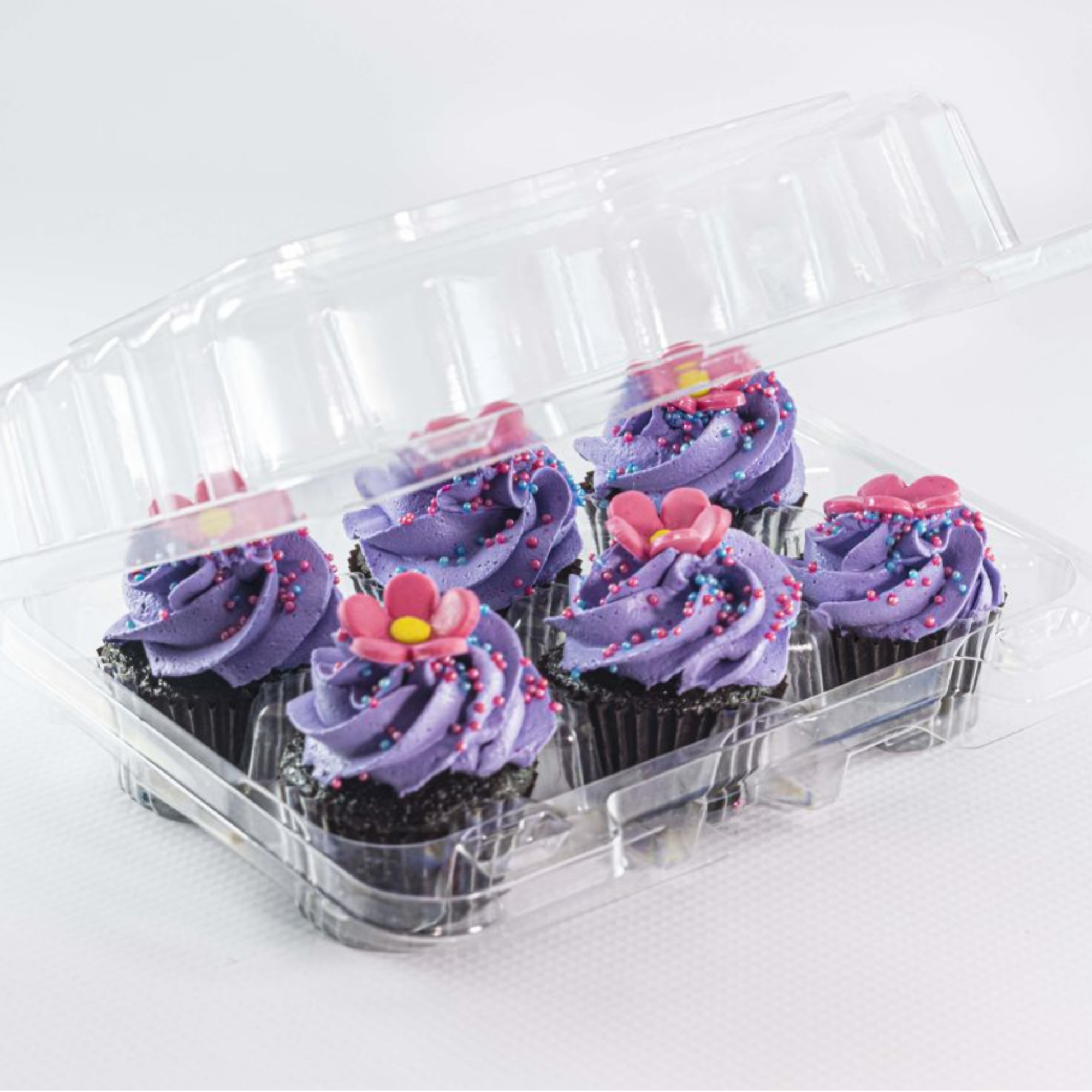
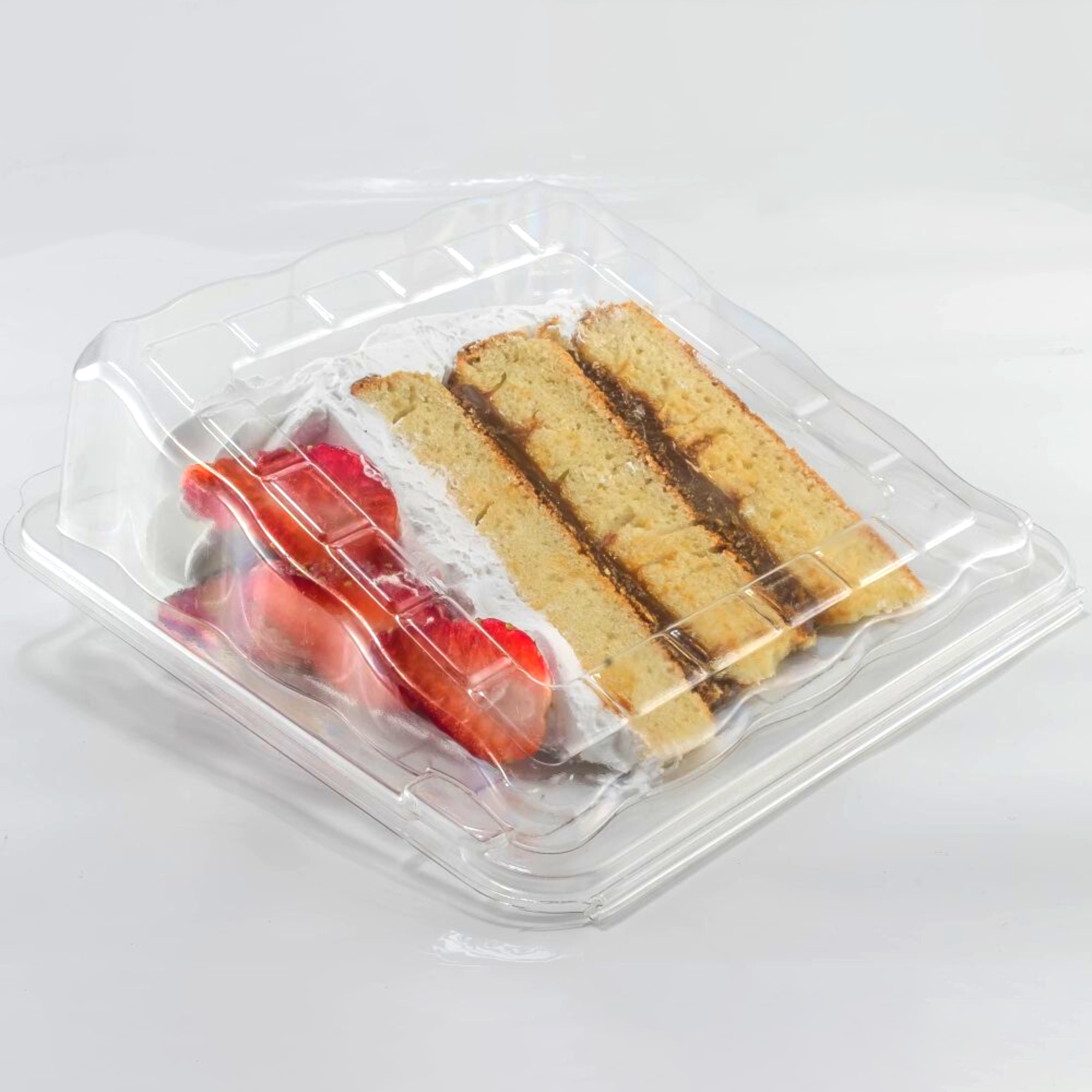
Finally, bakeries should also consider offering “take-home” options so customers can purchase food to take home and consume later. At Plastic Container City, we offer a wide selection of containers perfect for food-to-go including individual cupcake holders and individual cake slice containers!

8. Start composting
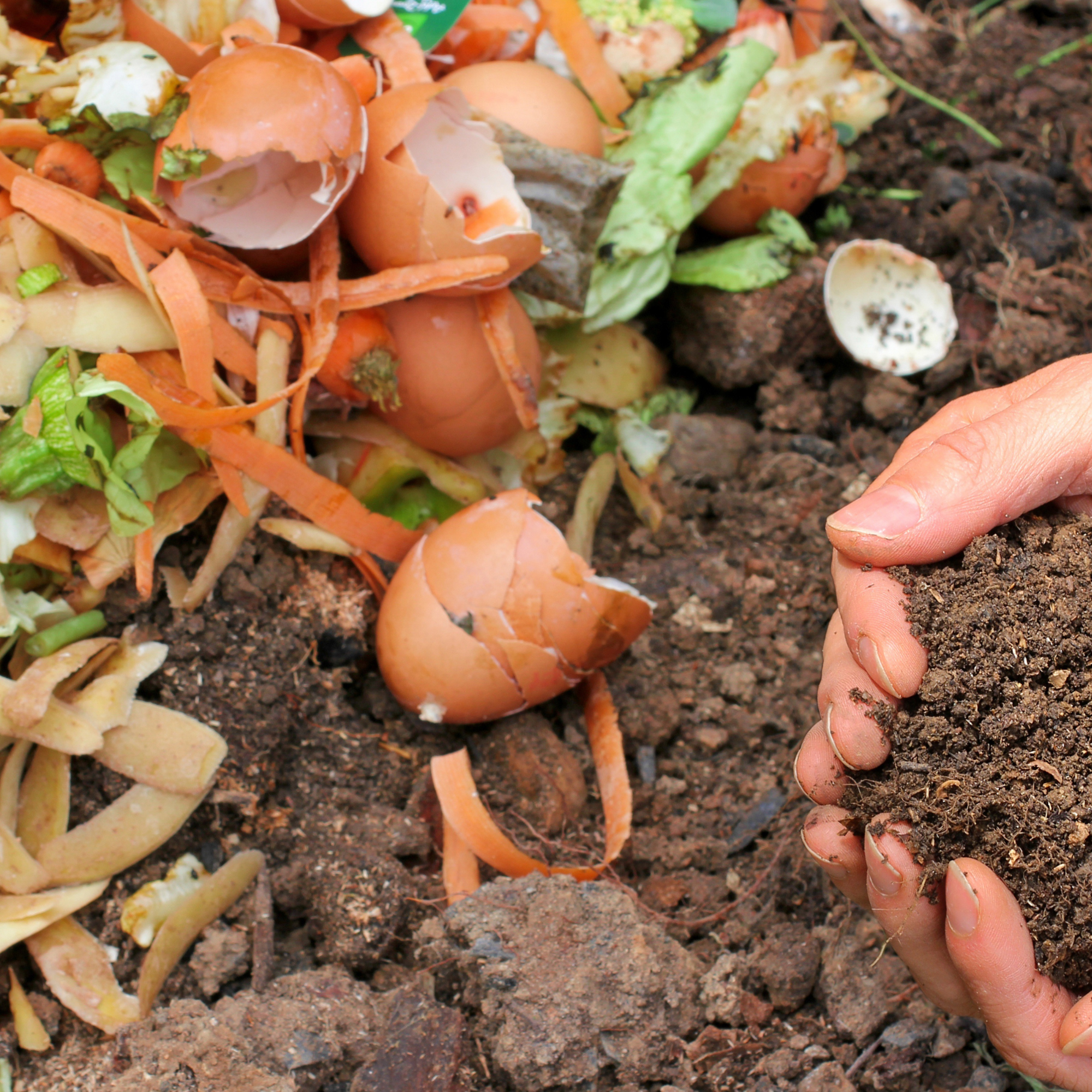
Instead of tossing any food scraps into the garbage, start composting. Fruits and vegetables (including peels and cores), dairy products (provided you mix with dry organic materials like shredded paper, straw, and leaves to soak up the moisture), coffee grounds and filters, tea bags, eggshells, bread and grains, nuts and shells and unbleached napkins can all be composted.
Through careful consideration of ingredients and processes, we can all help make a positive difference in the world of baking. We can help to reduce waste and create a more sustainable future.
